
How to Get Cat Urine Odor Out of Wood Floors

Dealing with the unpleasant odor of cat urine on your wooden floors? You're not alone! It's a common issue for pet owners, and while it can be frustrating, it's definitely solvable.
Whether your cat had an accident or the smell is lingering from previous incidents, there are effective ways to restore freshness to your floors.
Why is Cat Urine So Hard to Remove?
 Cat urine contains compounds like urea and ammonia that can seep into wooden floors, especially if they're not sealed properly.
Make Cleaning Easy with These Top Picks!

- 【8 Versatile Brush Heads】Leebein electric spin scrubber...
- 【Type-C Fast Charging & Battery Level Display】Thanks to...
- 【12-54in Detachable & Adjustable Mop】Leebein shower...

These compounds bond with the wood fibers, making the smell persistent and difficult to remove.
But don’t worry – with the right approach, you can eliminate those stubborn odors and bring your floors back to life.
What You’ll Need
Enzymatic cleaner for pet urine (such as Nature’s Miracle or Rocco & Roxie)
Baking soda
White vinegar
Hydrogen peroxide (3%)
Sponges and disposable cloths
Cleaning gloves
Sandpaper or sander (if you're willing to sand the floor)
How to Clean Cat Urine from Sealed Wooden Floors
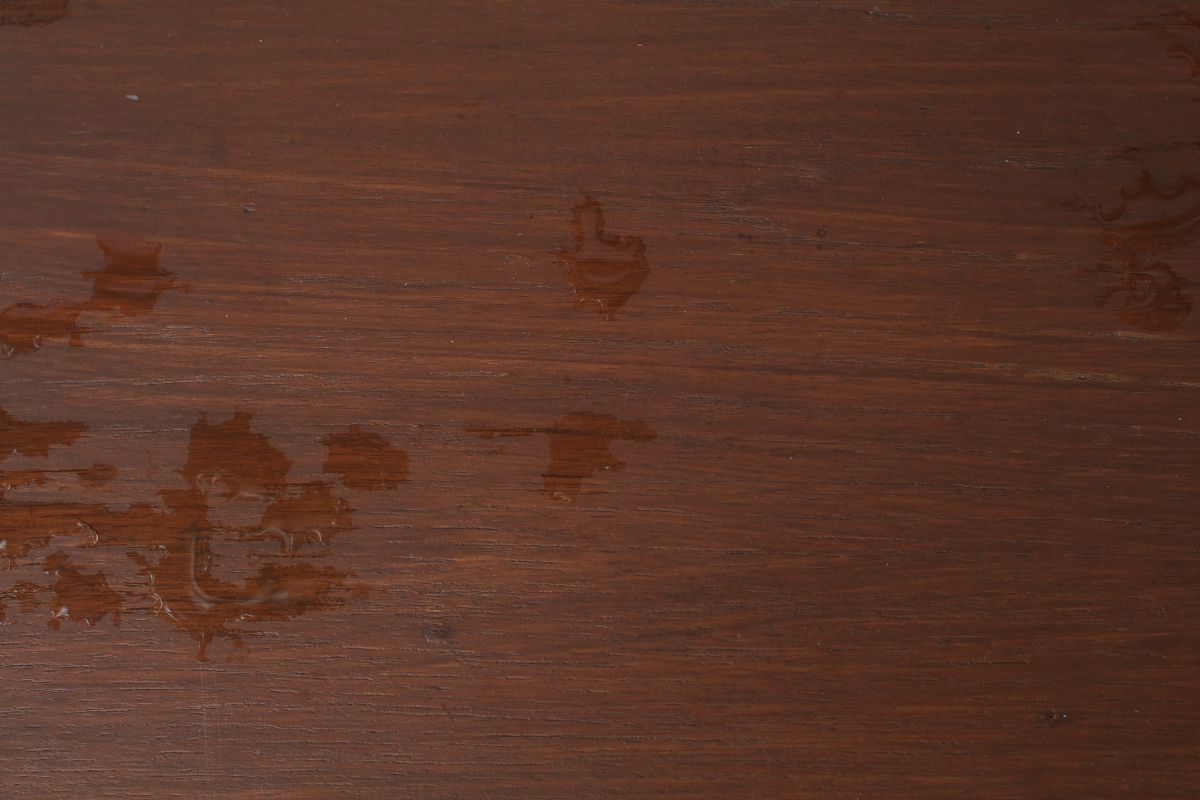
Test for Sealing: Place a few drops of water on the floor. If the water stays on the surface, the floor is sealed.
Apply Enzymatic Cleaner: Follow the product’s instructions. Typically, you’ll need to apply it directly to the affected area and let it sit for a few minutes. This cleaner breaks down the compounds in the urine, eliminating the odor at the source.
Dry the Area: Allow the cleaner to dry completely. This helps ensure that all odor-causing elements are neutralized.
What to Do for Unsealed or Porous Wooden Floors
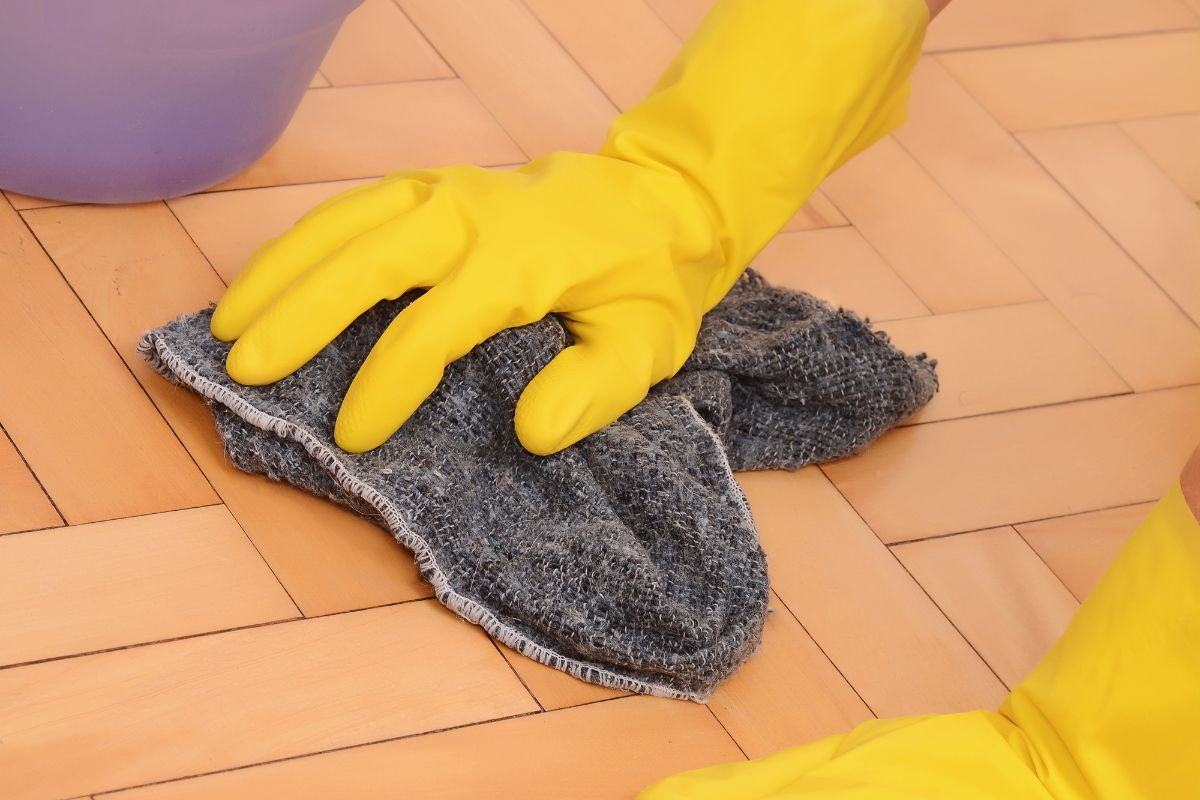
Soak Up Excess Urine: If the urine is fresh, use paper towels or an absorbent cloth to blot up as much liquid as possible.
Vinegar Solution: Mix equal parts of white vinegar and water. Apply this solution to the affected area to neutralize the odor.
Let It Dry: Let the vinegar solution dry completely before proceeding.
Apply Hydrogen Peroxide: Use hydrogen peroxide (3%) directly on the stain. Let it sit for a few minutes to break down the urine’s chemical compounds.
Baking Soda: After the hydrogen peroxide has dried, sprinkle baking soda over the area. Let it sit for a few hours to absorb remaining odors.
Final Cleanup: Vacuum or wipe away the baking soda. Your floor should now smell fresh!
Should You Sand the Floor?
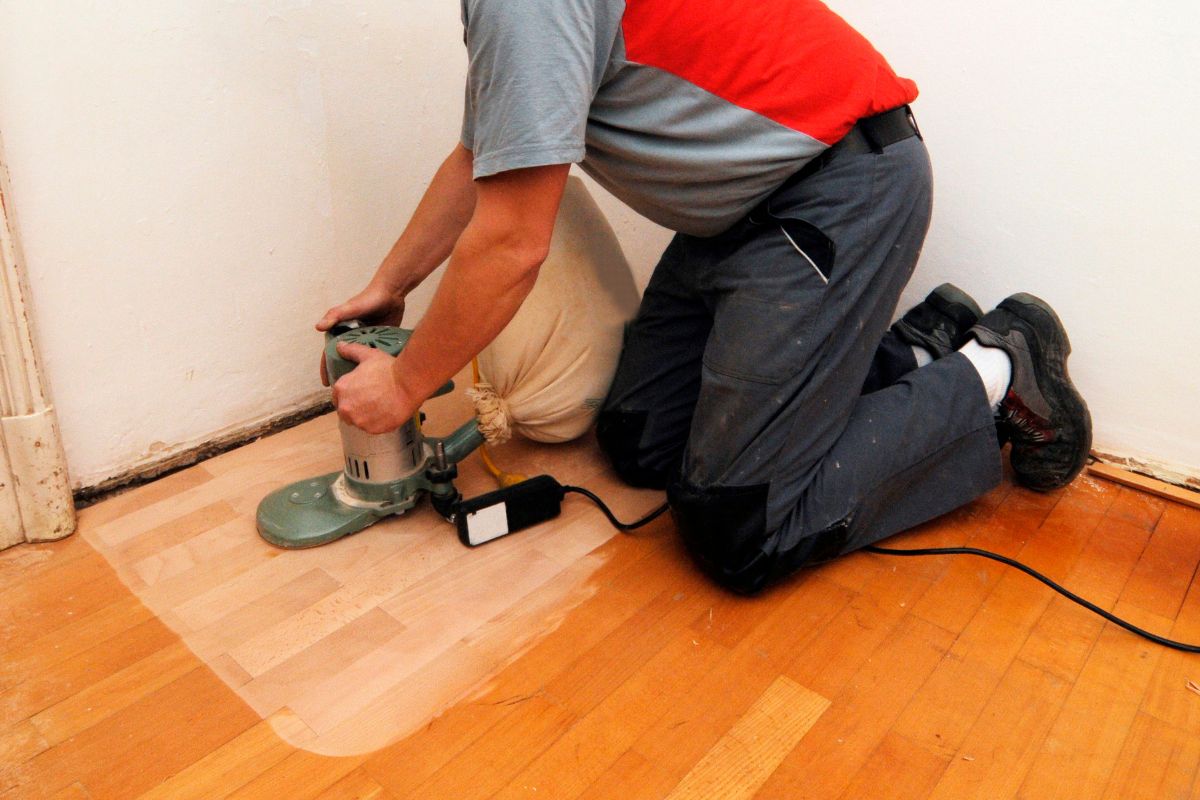 If the odor persists and the floor is thick enough, sanding may be a good option. By sanding, you can remove the layer of wood that has absorbed the urine.
Be sure to apply a sealant afterward to protect the wood and prevent future odors from soaking in.
Preventing Future Accidents
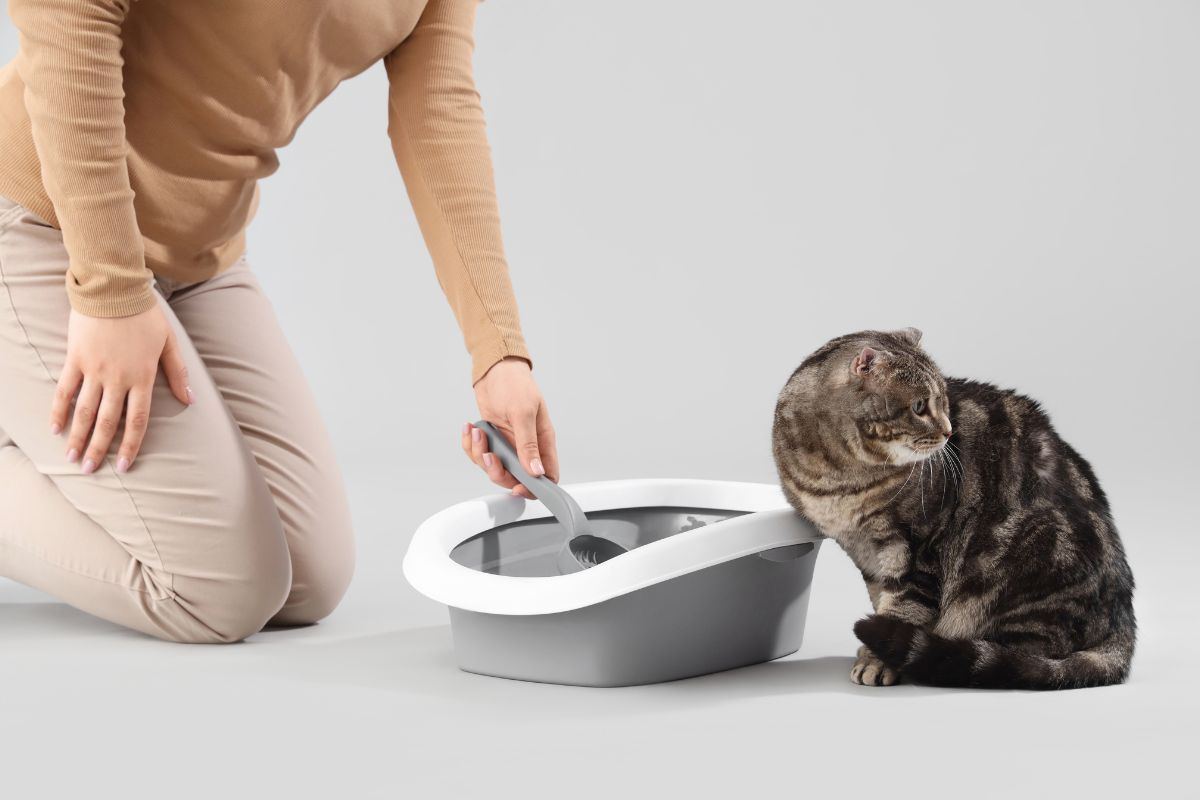
Keep the Litter Box Clean: Cats may urinate outside their litter box if it’s dirty. Make sure to scoop the box daily and clean it with soap and water once a week.
Use Floor Protectors: Place rugs or mats in high-risk areas to catch any accidents before they reach your wood floors.
Positive Reinforcement: Reward your cat when they use the litter box correctly. This encourages good behavior and helps prevent accidents.
A Final Word on Odor-Free Floors
Cat urine odor can be persistent, but with patience and the right tools, you can easily restore the freshness of your wooden floors.
Follow the steps above, and you’ll not only eliminate the odor but also keep your home smelling clean and fresh.
A little care goes a long way in keeping your floors—and your cat—happy!
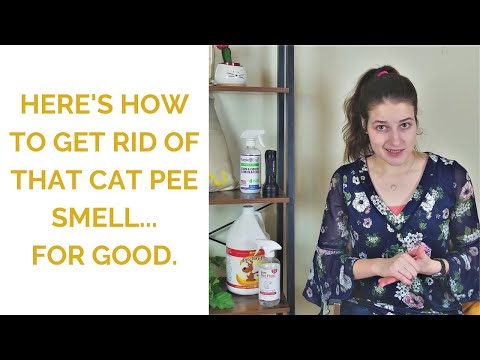
We Hope You Enjoy Watching this Video
Source: Wildernesscat
Did you find this post useful or inspiring? Save THIS PIN to your HOME Board on Pinterest! 😊
More Home Tips 👇🏼👇🏼