
How to Make Homemade Hand Sanitizer


Keeping your hands clean is one of the simplest ways to protect yourself and the people you love.
Washing your hands with soap and water is still the most effective way to remove germs, especially after using the bathroom, before eating, and after coughing or sneezing.
When you don’t have access to soap and water — on the bus, on a hike, at your kid’s practice, on a long drive — a good alcohol-based hand sanitizer is the next best option.
In this guide, we’ll walk through how to make homemade hand sanitizer using ingredients you can find in most pharmacies.
We’ll also talk about how to use it safely, what not to do, and how to keep your skin from drying out.
This is useful for personal, short-term use when commercial sanitizer isn’t available. It’s not meant for resale or medical settings.
Safety First: Read This Before You Mix Anything
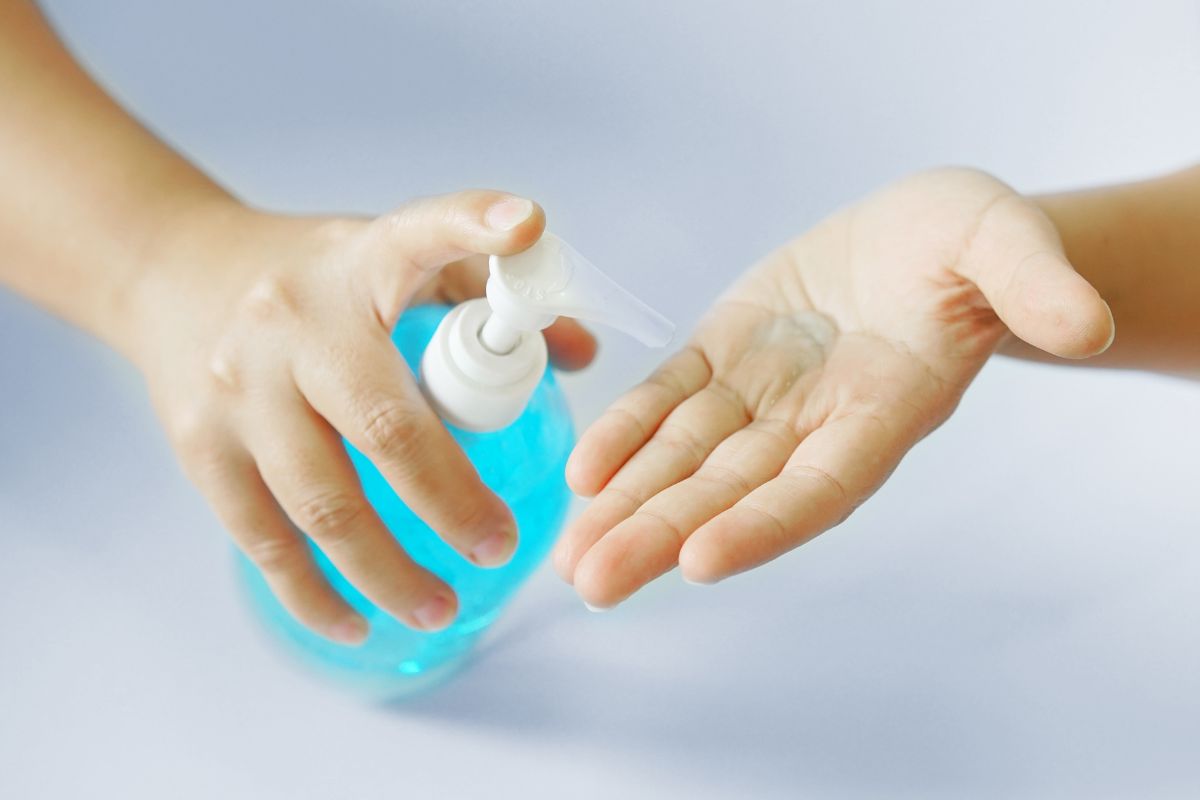 Before we jump into the recipe, let’s be honest and clear about safety.
Your DIY hand sanitizer only works if the final mix is at least 60% alcohol. Anything weaker than that is not reliable at killing germs.
You should only use isopropyl alcohol (99%) or ethyl alcohol (90–95%) that is clearly labeled for topical use.
Do NOT use methanol or any unlabeled “industrial” alcohol. Methanol can be toxic through skin contact and is extremely dangerous if accidentally swallowed by a child or pet.
Keep homemade hand sanitizer away from children. It smells nice, it’s in a squeeze bottle, and kids sometimes lick their hands. Even small amounts can make them sick.
This product is flammable. Store it in a sealed container away from heat and open flames.
If you can buy a trusted, properly labeled commercial hand sanitizer, that is always the safer choice. Health agencies generally do not recommend that the general public make and sell homemade hand sanitizer because mistakes in measuring can make it ineffective or irritating.
In other words: you can absolutely make a small batch for personal use. Just do it carefully and use it correctly.
What You’ll Need
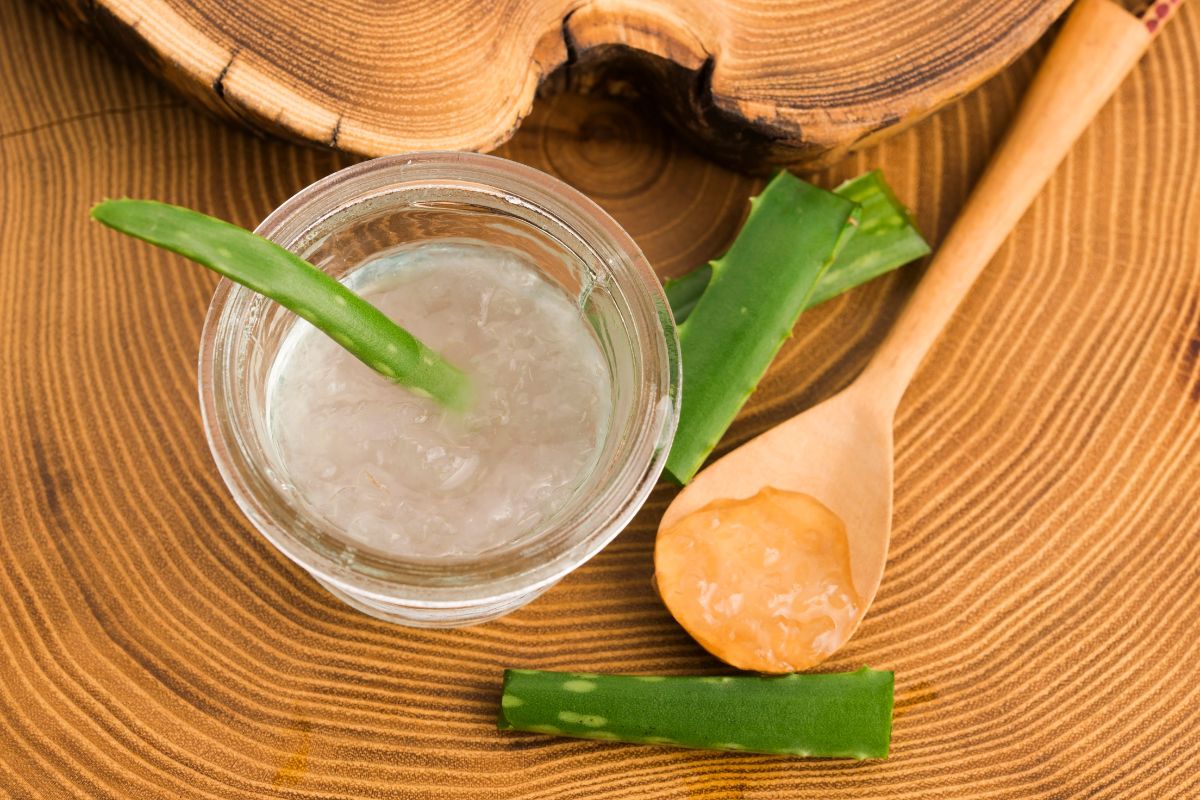 To make homemade hand sanitizer gel that stays strong enough to work, you’ll need accurate proportions. Here’s a basic small-batch formula:
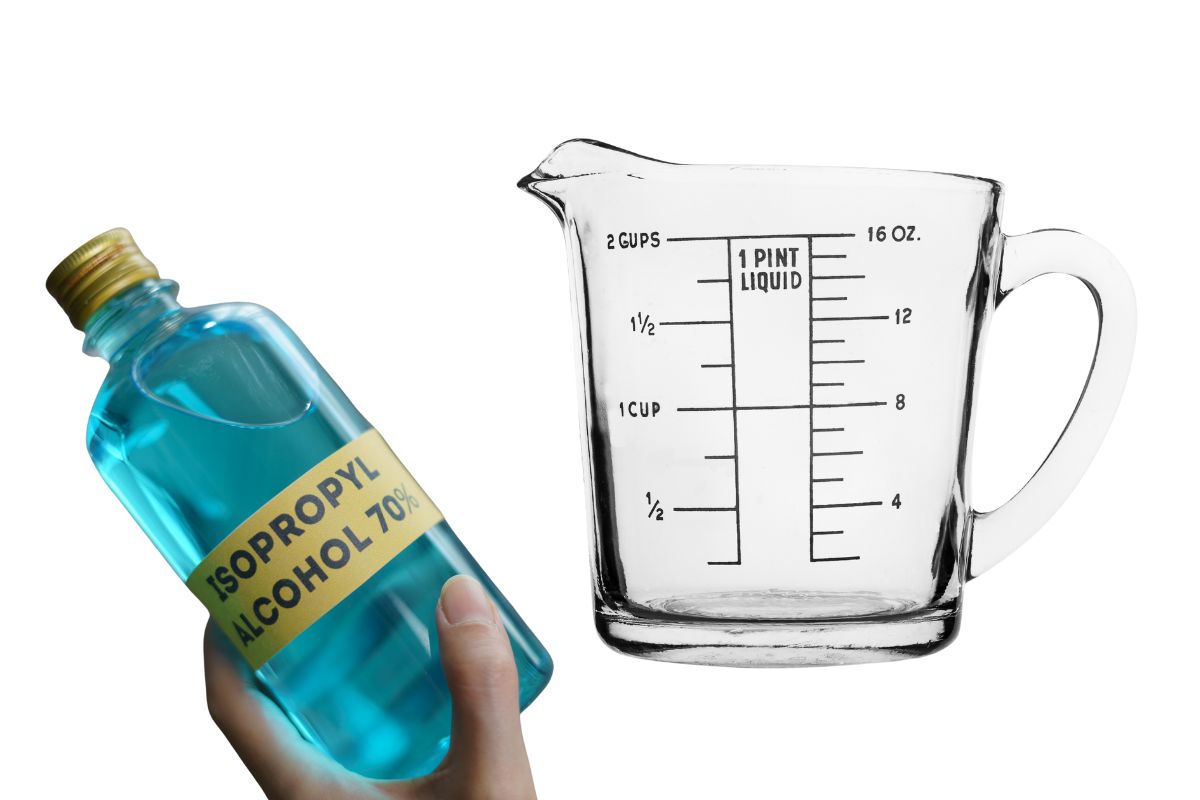
2/3 cup (about 160 ml) isopropyl alcohol 99% (or ethanol 90–95%, labeled for skin use)
1/3 cup (about 80 ml) pure aloe vera gel
Optional: a few drops of essential oil (lavender, tea tree, citrus, etc.)
Why these amounts? When you mix 2 parts high-strength alcohol with 1 part aloe, you end up with a product that’s still roughly around 60–70% alcohol by volume, which keeps it in the effective range.
If you add more aloe “to make it softer,” you also water it down and make it less effective. So please stick to the ratio.
A quick but important note: regular vodka, cooking alcohol, or anything under 60% alcohol will NOT work as hand sanitizer. Most vodkas are around 40% alcohol — that is nowhere near strong enough.
Step-by-Step: How to Make Homemade Hand Sanitizer
Clean your workspace. Wipe down the counter and wash your hands first. You don’t want to mix a “sanitizer” in a dirty area.
Pour 2/3 cup (160 ml) of isopropyl alcohol 99% into a clean bowl or measuring cup.
Add 1/3 cup (80 ml) aloe vera gel. The aloe helps thicken the mixture and makes it less harsh on skin.
If you’d like scent, add 2–3 drops of essential oil and stir well.
Use only a tiny amount. Essential oils are very concentrated and can irritate sensitive skin.
Whisk or stir until fully combined and smooth.
Transfer the mixture into small squeeze bottles or pump bottles with tight lids. Clearly label them (for example: “Hand Sanitizer – Do Not Drink”).
That’s it. You just made DIY hand sanitizer gel you can carry in your bag, keep in the car, or leave by the front door.
How to Use Hand Sanitizer the Right Way
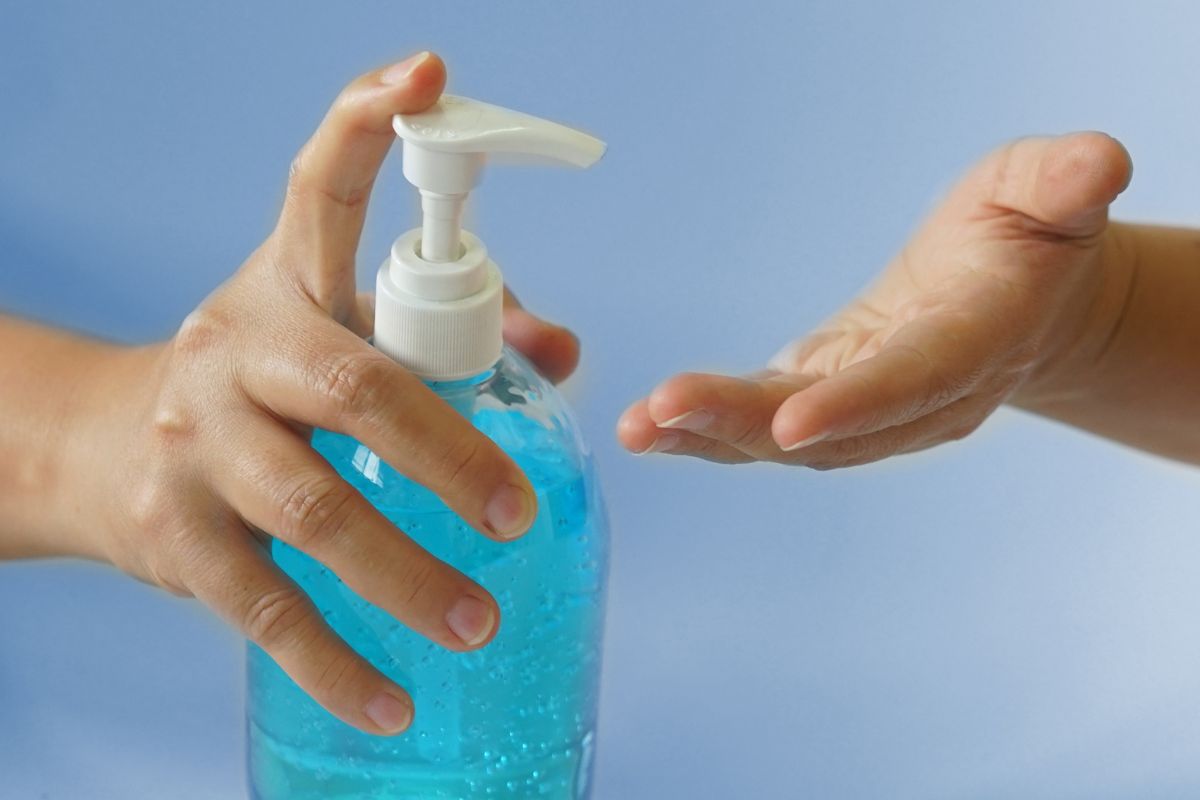 Here’s the part most people skip — and it’s actually where the protection happens.
Apply enough sanitizer to cover the entire surface of both hands. Don’t be shy; a tiny dot is not enough.
Rub your hands together, palm to palm.
Rub the backs of your hands.
Work it between your fingers and around your thumbs.
Get around and under the nails — that’s where germs love to hide.
Keep rubbing until your hands are completely dry. Do not wipe it off and do not rinse.
This should take about 20 seconds.
If your hands are visibly dirty or greasy (for example, after cooking chicken or working in the garden), hand sanitizer is not enough. You need soap and water.
In that case, wash with warm water and soap for at least 20 seconds, rinse, and dry with a clean towel.
Can I Use 70% Alcohol by Itself?
 A common question: “I only found 70% isopropyl alcohol. Can I just mix that with aloe?”
Here’s the honest answer:
You can use 70% isopropyl alcohol directly on your hands as a sanitizer and rub until dry.
But you should NOT dilute 70% alcohol with aloe, oils, water, or anything else. If you do, you’ll drop below the safe 60% level and it will likely stop being reliable.
So: 70% alcohol alone = acceptable in an emergency.
70% alcohol plus added ingredients = probably too weak.
Keep Your Skin Happy
 Frequent use of alcohol-based hand sanitizer can dry out your skin. Dry, cracked hands don’t just feel uncomfortable — tiny cracks can get irritated more easily.
Some tips to protect your skin barrier:
After using sanitizer and letting it dry, apply a light, fragrance-free hand cream or lotion.
Avoid pouring a bunch of essential oils into the sanitizer itself. Use them very sparingly or skip them if you have sensitive skin.
If your skin is already irritated, wash with a gentle soap and lukewarm water instead of applying sanitizer again and again.
Taking care of the skin is not just about comfort. Healthy skin is part of good hygiene.
When to Use Soap and Water Instead
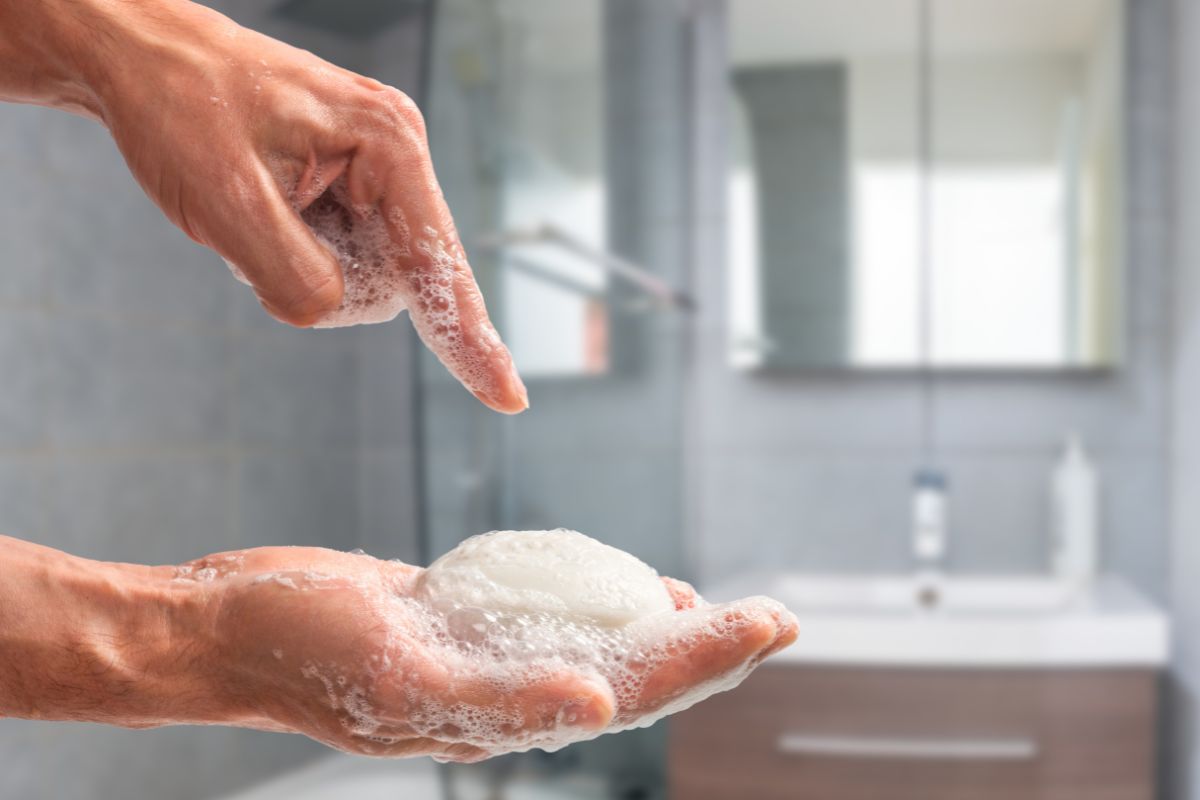 Let’s be super clear here, because this matters:
Use soap and water whenever you can. Soap plus running water physically removes dirt, oils, and microbes from your hands and sends them down the drain.
Use hand sanitizer when you can’t wash — like during travel, at the grocery store cart, after touching elevator buttons, etc.
If you just sneezed or coughed into your hands, sanitizer is helpful if it’s all you have. But washing is still the gold standard.
Think of it this way: handwashing is your first line of defense, and alcohol-based sanitizer is your backup plan.
Important Reminders Before You Fill Your Bag and Go
 Let’s lock in the essentials:
Your homemade hand sanitizer needs to stay above 60% alcohol to be effective.
Label the bottle clearly and keep it away from kids.
Do not drink it, do not vape it, do not use it near flames.
If you can easily buy a commercial hand sanitizer that’s properly labeled and safety-tested, that’s the safer option for daily use.
Homemade is a smart short-term solution — not a replacement for basic hygiene and not a product you should sell.
Clean Hands, Calm Mind: Building Everyday Hygiene Confidence
Keeping clean hands is one of the easiest ways to protect your health every single day.
Making a small batch of DIY hand sanitizer can be helpful for travel, school pick-ups, gym bags, road trips, and busy moments when there’s no sink in sight.
But the real power is not just in the recipe — it’s in how you store it, how you apply it, and how you take care of your skin afterward.
If you remember just three things, make them these:
Soap and water are still the best and should always be your first choice.
Alcohol-based hand sanitizer works when it’s strong enough and used the right way.
Healthy, moisturized hands are part of good hygiene.
That’s how you turn a simple homemade mix into a habit that actually protects you and the people around you.
We hope you enjoy watching this video about How To Make Hand Sanitizer:
Source: Rachael Ray Show
Did you find this post useful or inspiring? Save THIS PIN to your HOME Board on Pinterest! 

Once again, thank you for visiting our website!
We hope you've enjoyed exploring the content we've created for you.
Give yourself the chance to learn, get inspired, and have even more fun, keep browsing...
More Home Tips 👇🏼👇🏼