
How to Make Your Home Feel Like a Poem


Creating a home that feels like a living poem isn't about perfection—it's about emotion, rhythm, and resonance. Just as poetry uses language to evoke feeling, your home can use texture, light, color, and intention to stir the soul.
When every space speaks gently and deliberately, your home transforms into more than just a shelter—it becomes a quiet verse that you live inside. Here’s how to bring that poetic essence into your daily environment.
Let Your Home Speak in Whispers, Not Shouts
Poetry thrives in nuance. Your home should do the same.
A home that feels like a poem doesn’t scream for attention with flashy trends or overcrowded rooms. Instead, it invites you in with soft moments—a well-placed candle, a vintage chair by the window, or a linen curtain that sways with the breeze.
These subtle elements create a space that whispers stories rather than announces them.
Begin by choosing a few favorite corners and editing them down to their simplest beauty. Ask yourself: What truly belongs here? What makes me feel something?
Use Color as Emotion, Not Decoration
Just as words in a poem are chosen for their weight, so too should the colors in your home be chosen for their feeling.
Avoid thinking in terms of matching or rules. Instead, ask yourself what certain hues make you feel. A soft ochre wall may remind you of late summer. A dusty blue might calm your thoughts like ocean waves.
These choices should be made with intention and emotional memory, not just style.
Layer your home in gentle, evocative tones—colors that invite slowness and attention.

Bring Nature Indoors, Softly and Repeatedly
Nature and poetry are deeply intertwined. To bring that poetic sense into your home, infuse it with life from the outside world.
Use natural materials: unfinished wood, linen, terracotta, ceramic, and dried flowers. Keep a bowl of river stones on your shelf. Frame pressed leaves or wildflowers in glass. Let your home reflect the seasons subtly, like a poem in constant revision.
Even if you don’t have a garden, placing a single stem in a small vase on a windowsill can carry immense quiet power.
Create Stillness Through Simplicity
Much like the quiet between stanzas, your home should offer spaces of stillness. Resist the urge to fill every wall or shelf. Empty space has value—it creates balance, draws the eye, and lets the rest breathe.
Leave a small area intentionally blank. Place a low chair beneath a bare bulb. Use neutral tones where your eye needs to rest. These design choices offer pause and presence, inviting the same kind of contemplation poetry does.
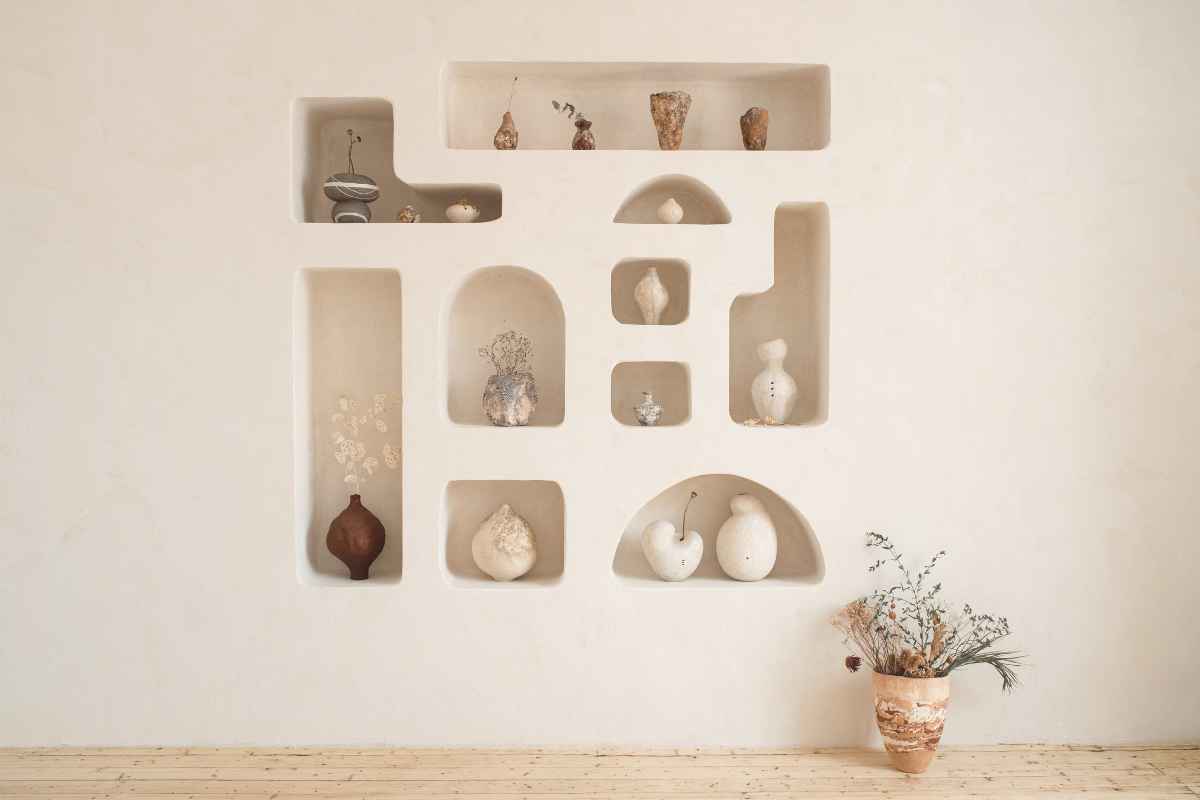
Include Objects That Tell a Story
A poem is rarely made of filler—it is crafted from meaningful language. In the same way, your home should be curated with objects that carry stories.
Whether it’s a book from a beloved trip, a cup inherited from your grandmother, or a piece of art from a friend, these items add a personal narrative to your space. They don’t need to match or be expensive. They only need to mean something to you.
Arrange these objects in places where you see them often, like visual punctuation marks in your home’s poetic structure.
Let Light Be Your Metaphor
Few things transform a space as completely as light. In poetry, light is a metaphor for clarity, for change, for hope. In your home, light should be treated with the same respect.
Use soft lighting where possible—warm bulbs, layered sources like table lamps, sconces, and candles. Natural light should be allowed in freely. Sheer curtains, mirrors, and reflective surfaces can enhance this effect.
Light doesn’t just illuminate—it sets a mood, defines rhythm, and creates contrast.

Curate a Soundtrack of Silence and Soul
Every good poem has a cadence, and your home should too. The auditory environment is just as important as the visual one.
Minimize harsh noise. Introduce soft sounds—a record player spinning low jazz, a small tabletop fountain, the ticking of an old clock. Even silence can be sacred when balanced with meaningful acoustics.
Sound adds to the emotional tone of your space. A home that feels poetic sounds like comfort.
Design Spaces for Reflection and Connection
Poems often encourage the reader to slow down and reflect. Your home can do the same by creating spaces that foster inner peace and human connection.
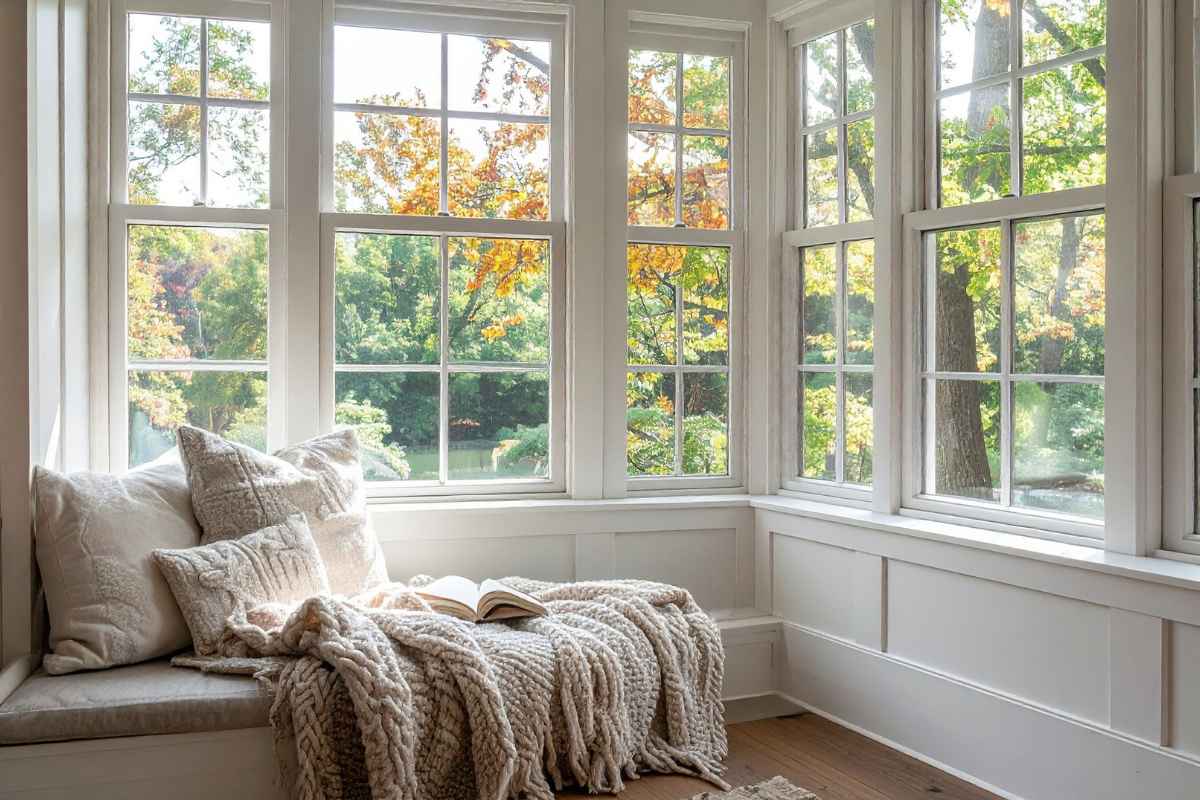
A cozy reading nook with a throw and a stack of poetry books. A table near the window where you sip tea in solitude. A couch that welcomes long conversations. These areas become sacred ground—not because they’re fancy, but because they’re intentional.
Design your home to be a place of pause, where reflection is built into the layout.
Let Your Senses Guide You
To make your home feel like a poem, you must engage all five senses. This is where your personal preferences come in deeply.
- Smell: Choose scents that evoke memories—cedar, lavender, orange peel.
- Touch: Use textures that calm—wool blankets, smooth ceramics, soft rugs.
- Taste: Leave a bowl of seasonal fruit on the table. Bake often.
- Sight: Keep beauty visible, but not overwhelming.
- Sound: Let your home hum gently, like a poem recited from memory.
When your senses feel welcomed and nurtured, your home will feel deeply poetic.
A Home That Breathes Like a Verse
A poetic home doesn’t require big budgets or design degrees. It requires attention, emotion, and care. It’s about editing your environment with the same thoughtfulness as a poem’s line. It’s about crafting rhythm, resonance, and presence in everyday moments.
Let your home be a place that breathes, speaks, and listens—a place where silence is meaningful, light is intentional, and every object feels like part of a greater story.
When your space reflects the poetry in your life, it becomes a living composition—one that invites you to slow down and simply be. And that’s where the magic lives.
Did you find this post Useful or Inspiring? Save THIS PIN to your HOME Board on Pinterest!

More Home Tips 👇🏼👇🏼