
How to Move Plants to a New Home: Houseplants, Garden Pots and State Lines

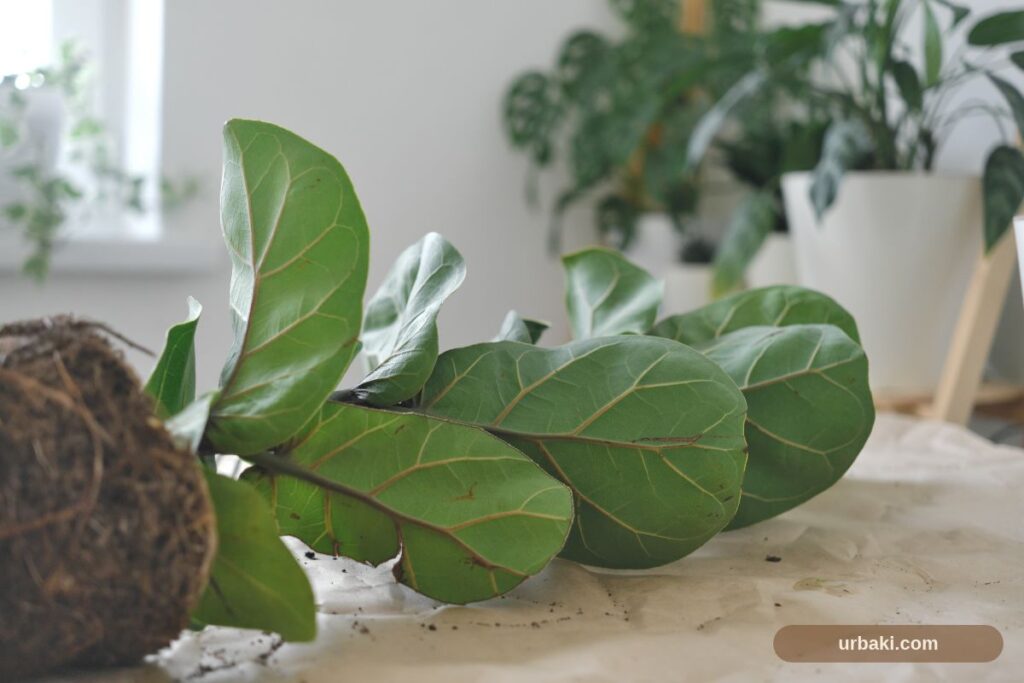
To move plants to a new home, plan on carrying them yourself, get them healthy and free of pests in the weeks before, and pack every pot so it stays upright and out of the heat. One national van line's guide says that, as a rule, it may carry plants only on trips under 150 miles that take less than 8 hours, because moving trucks are not climate controlled.
Decide which plants are worth the trip
Start with health. A California master gardener program coordinator, interviewed for a newspaper's travel section, advised against bringing a struggling plant in the hope of nursing it back after the move. The reporter, moving about 2,500 miles from Brooklyn to Los Angeles, skipped anything taller or wider than roughly 3 feet and took 15 of about 50 plants.
Distance matters too. A lifestyle blogger with ten-plus moves behind her generally recommends not moving plants at all and gives hers to friends and neighbors; the only case she finds worth the effort is a drive of under one day. A houseplant blog is more optimistic and says most plants are tougher than people expect. For outdoor plants, a portable-storage company's blog suggests checking the USDA hardiness map for the new location.
Plants too big to take can travel as cuttings. The van line keeps the cut ends in wet moss or damp paper towel inside a plastic bag, with the leaves outside if possible, and says cuttings can last several days on the road. An organic gardener's blog names lavender, rosemary and even tomatoes as easy to root.

Houseplants: the weeks before the move
Whether to repot into plastic
The van line suggests moving large plants from heavy ceramic or clay into light plastic nursery pots about three weeks ahead, and a long-distance mover's blog also repots into plastic a few weeks early, with fresh sterile soil. A British houseplant retailer only suggests taking plants out of decorative pots, when practical, so they're lighter to carry. A blogger who moved about 30 houseplants in a rented van skipped repotting with no ill effects. The blogger's reasons: repotting stresses a plant right before another change, and terracotta and glazed pottery cope with ordinary bumps.
Pests and pruning
Check every plant for pests before they're packed together. The van line does this a week out and names spider mites and fungus gnats; the portable-storage blog also cleans the leaves, undersides included. Pruning advice varies: the van line removes dead leaves and awkward branches, while the British retailer suggests considering it for mature plants but says it isn't essential.
When to water: one day or three
Advice on the last watering ranges from one day to three:
- The van line: two to three days before you leave, so the soil is moist rather than soggy and nothing leaks.
- The long-distance mover's blog: also two to three days, noting that most plants can go seven to 10 days without water if the roots stay damp.
- The portable-storage blog: one to two days ahead and never on moving day, since wet soil can freeze roots in cold weather and invite fungus in warm weather.
- The van-moving blogger: the day before, with time to drain, after finding that drier soil made more mess.
- The British retailer: no water within three days of the move, so pots are lighter and can't leak.
Packing houseplants for the drive
The houseplant blog sums up the goal: a stable pot, kept as upright as possible, with nothing pressing on the leaves. The van line uses a snug box with crumpled newspaper or towels around the base, a paper cone around tall plants and air holes in the box. The van-moving blogger packs pots tightly, while the British retailer wants plants secure but not squashed.
Covering the soil is another split. For a tall plant that has to lie at an angle in a small car, the houseplant blog ties a garbage bag around the pot above the soil line, so spilled soil stays inside. The long-distance mover's blog ties a plastic bag over each pot. The van-moving blogger skips plastic so the soil can breathe and suggests newspaper or paper bags for anyone who still wants a cover. On size, a nursery owner told the newspaper that plants 6 feet and under generally fit in the back of a small car.
Moving day: the car, the truck and the heat

Ask before assuming the movers will take plants. Besides the van line's 150-mile, 8-hour limit, the long-distance mover's blog says plants are on the do-not-ship list of most companies, citing state laws and the lack of air, water and light in a truck. The British retailer says only that some removal firms prefer not to carry them, and suggests telling the company well in advance.
Keep plants out of the car trunk, the van line says, because it has no airflow and can act like an oven in summer and a freezer in winter. The long-distance mover's blog agrees. The organic gardener's blog, by contrast, mentions a car trunk or van floor as places for plants and suggests laying a waterproof sheet down first to protect the surface.
The lifestyle blogger warns that even an hour-long lunch stop in a hot car can kill plants. In warm weather the van line parks in shade with a window cracked, and on trips longer than three days it brings plants indoors overnight and opens the boxes. In cold weather, the houseplant blog wraps plants in cloth for the walk to and from the car, since brief hard cold can blacken leaf tips.
The van-moving blogger puts plants in the van last and takes them out first, and the long-distance mover's blog and the portable-storage blog both have you pack plants at the end and get them out first on arrival. The blogger also keeps leaves off the van's walls, since many moving vans aren't insulated and the metal turns cold in winter and hot in summer.
The newspaper reporter also tested flying and mailing: carry-on luggage was faster and simpler than driving, mail cost more and caused more stress, and the plants that rode in the car seemed to arrive healthier.
Garden plants and outdoor pots
Check first what you're allowed to take. The organic gardener's blog, writing about house sales handled by an estate agent, tells sellers to dig up plants before the house is listed or to negotiate, because a buyer will expect the garden they saw.
A British gardening site lists perennials, grasses and climbers as plants that move well, and says the long tap roots of perennials such as peonies, sea hollies and Oriental poppies are easily damaged when the plants are lifted. Trees and shrubs younger than five years should move fairly easily, it adds, while older ones have bigger root systems and are harder to lift and replant.
Timing depends on climate. The British site prefers lifting most plants while they're dormant, from late autumn to early spring, and avoiding summer where possible, advice written for British weather. An American gardening magazine says spring or fall by region: fall where summers are especially hot or dry and winters fairly mild, five weeks or more before the first frost, and spring where winters are harsh and springs long and rainy. For a summer move, the British site warns that plants generally lose about half their root system when moved and need water if it doesn't rain.
For the digging itself, the gardening magazine's steps are short:
- If the soil is dry, water the day before to reduce root breakage.
- Dig on a cool, overcast day or wait until late afternoon.
- Keep as much of the root ball as you can manage, and cover exposed roots with damp newspaper or compost.
- Replant in a hole wider than the root ball but no deeper, and give extra water as needed for three months.
If the new garden isn't ready, the organic gardener's blog pots plants up ahead of the move and says even some trees and shrubs cope with a temporary stay in large containers. Plants without pots can travel with their roots bagged in plastic. Outdoor containers can get heavy after rain, so the same blog suggests a hand truck or wheelbarrow and padding between pots.
Crossing a state line with plants
Moving plants to another state adds agricultural rules. California's Department of Food and Agriculture says house plants entering the state should have been grown only indoors, in sterile, packaged commercial potting mix, and never kept outside or potted in backyard soil. Its border inspectors can reject and confiscate plants with pests or signs of disease. The FAQ covers house plants, which the department defines as tropical and subtropical ornamentals normally grown indoors. For a summary of the rules on bringing plant material into California, it points you to the agriculture department in the state you're leaving, which should also be able to advise on treatment or inspection options there.
The van line lists California, Arizona and Florida as strict and often checking at the border; the long-distance mover's blog adds Hawaii and Idaho, and the lifestyle blogger adds Montana. The van line also says many states require indoor plants to travel in sterilized potting soil, and that the USDA requires an inspection and certificate when you move from a state with spongy moth infestations to one without, because the moth rides on outdoor items such as garden pots and patio plants.
The master gardener coordinator explained the stakes to the newspaper: invasive plants that escape into California's wildlands could overrun native plant communities and the habitat of native animals. Most of the time drivers pass through without stopping, the coordinator added, but border staff can stop a car and even confiscate something.
Green Moving, which specializes in interstate relocations from Los Angeles and Orange County, lists live plants in its FAQ among the things its trucks can't carry, along with pets, perishable food and firearms, and suggests keeping documents, jewelry, medication and family photos in your own car. When you book cross country moving out of Southern California, measure the back seat for your plants at the same time you schedule the truck.
The first weeks in the new home
The van line, the British retailer and the portable-storage blog all say to unpack plants as soon as you arrive. The van line places them in light like their old spot, waters only if the soil feels unusually dry and waits a few weeks to repot. The retailer keeps them in medium light without direct sun for at least three to four days, mists rather than waters at first, and holds off on fertilizer, pruning and repotting for two weeks or more. The portable-storage blog's FAQ suggests considering a root stimulator or diluted fertilizer, though its main text advises against feeding until the plant has settled, usually after several weeks.
For garden plants, the magazine advises against cutting the top back after transplanting in most cases and suggests shading the plant for a week or so instead. For plants that arrive by mail, staff at a plant retailer that has shipped more than a million plants told the newspaper that minor signs of stress are natural.
More Home Tips 👇🏼👇🏼