
Winter Home Checklist: 7 Things to Check Before the Holidays

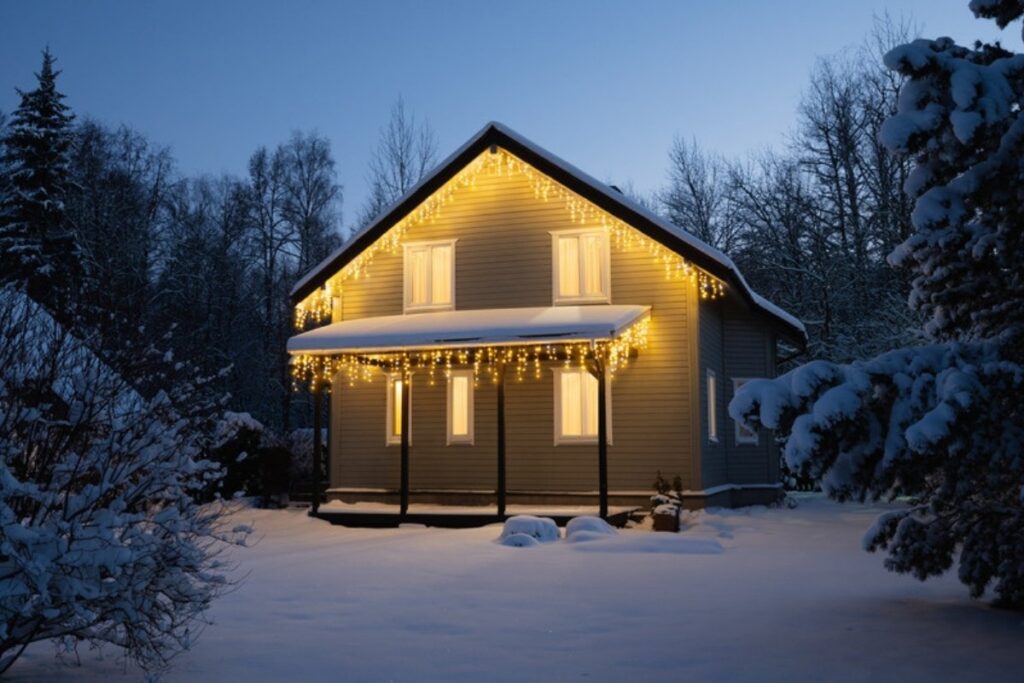
The weeks before the holidays fill up fast: shopping, cooking, guests, maybe a trip to see family. That is exactly why early winter is a smart time to walk through your home with a short checklist. A few small jobs now can save you from a cold house on Christmas morning, a burst pipe while you are away, or a decoration that overheats behind the couch.
Most of this list you can handle yourself in an afternoon with a flashlight and a notepad.
1. Check the Furnace Filter and Book a Heating Check-Up
Your heating system is about to do its heaviest work of the year, so give it some attention before the cold settles in. ENERGY STAR recommends inspecting, cleaning or changing the air filter in your furnace, heat pump or central air system once a month. A dirty filter makes the system work harder, can raise your energy costs and can damage the equipment over time.

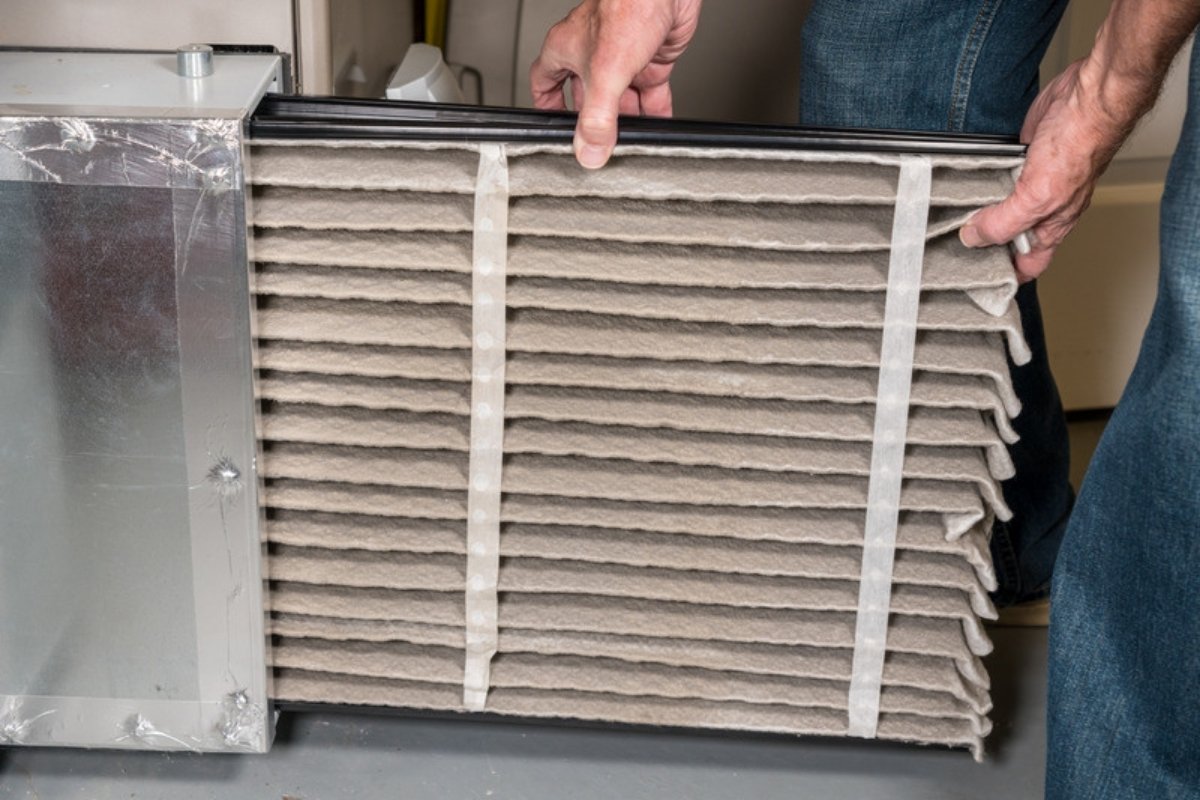
The check itself takes two minutes. Slide the filter out and hold it up to a light. If it looks gray and you can barely see through it, replace it. Write down the size printed on the frame so the next one is an easy buy.
The bigger job belongs to a professional. ENERGY STAR suggests an annual pre-season check-up, with the heating system checked in the fall. A technician looks at the parts you should not open yourself, such as the gas or oil connections, burner combustion and the heat exchanger. Book it early, before the first real cold snap.
2. Have the Chimney and Fireplace Inspected
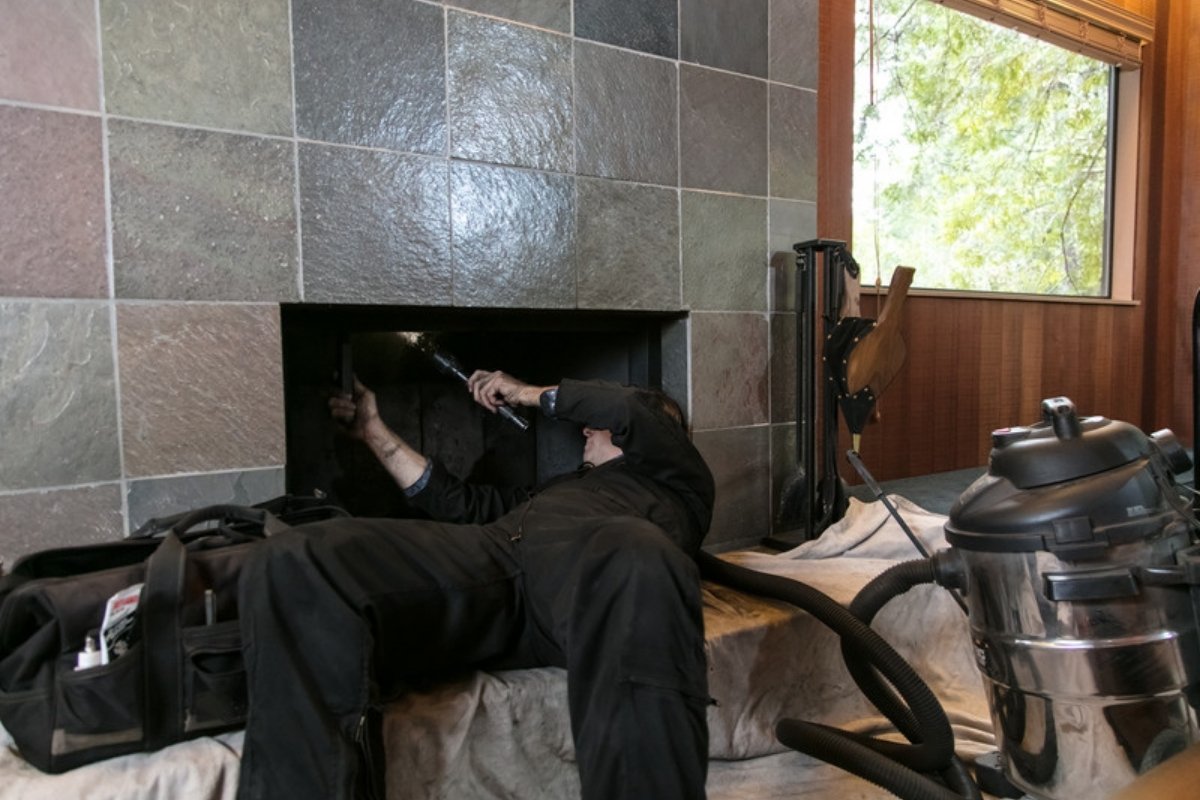
If a crackling fire is part of your holiday plans, make sure the chimney is ready for it. The U.S. Fire Administration (USFA) advises having heating equipment and chimneys cleaned and inspected every year by a professional. It is much easier to schedule a sweep now than in the middle of December.
While you are standing in front of the fireplace, look at what sits near it. USFA recommends keeping anything that can burn at least 3 feet away from fireplaces, wood stoves, radiators, space heaters and candles. During the holidays that list grows quickly: stockings hung low, stacks of wrapping paper, dried garlands, a basket of pine cones. The Electrical Safety Foundation International (ESFI) gives the same 3-foot distance for holiday decorations near heating equipment or an open flame.
If you use space heaters to warm a guest room or a chilly corner, USFA says to turn them off when you leave the room or go to bed.
3. Test Your Smoke Alarms (and Replace Old Ones)
ESFI recommends testing smoke alarms once a month by pressing the test button. If your alarms use replaceable batteries, change them at least once a year, or right away if an alarm starts chirping.
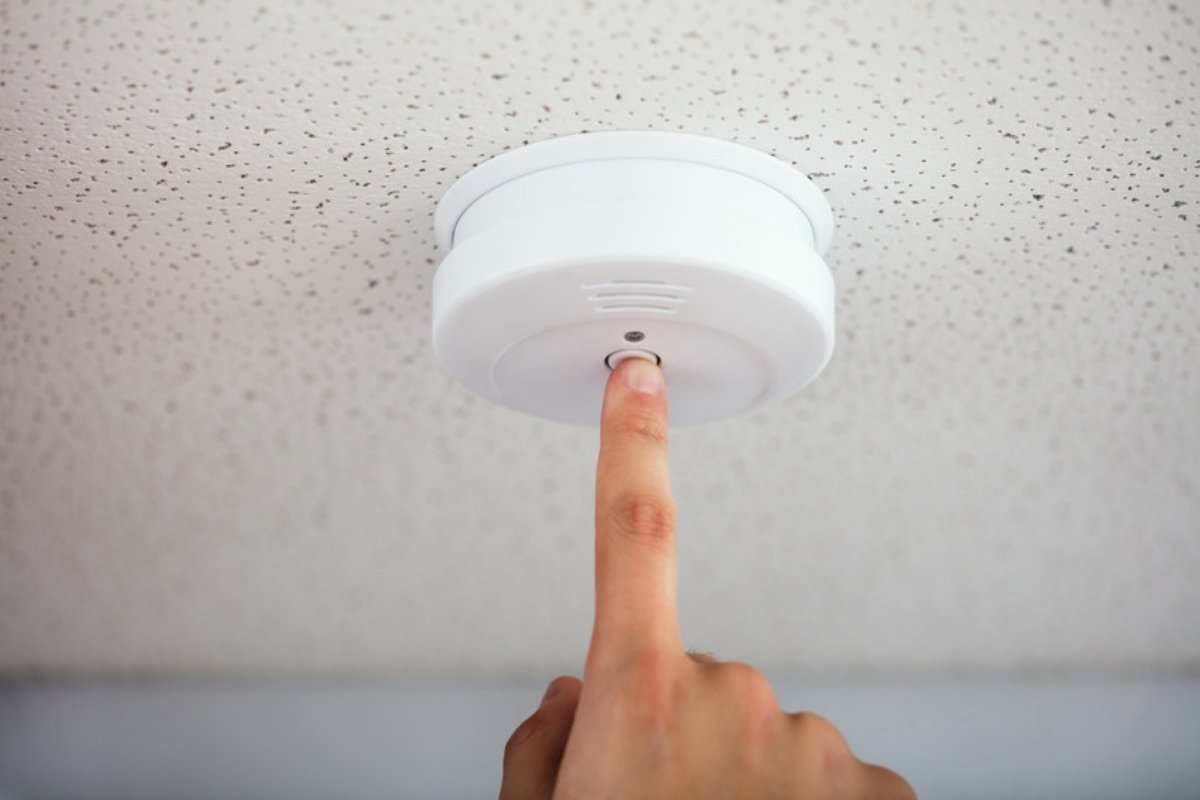
Smoke alarms do not last forever. ESFI says to replace them at least every ten years, following the manufacturer's instructions. Look for the date printed on the alarm, usually on the back, and make a note of any that are close to that age.
Placement matters too. ESFI recommends alarms in every bedroom, outside each sleeping area and on every level of the home, and at least 10 feet from cooking appliances. If you are turning an office or den into a guest room for the holidays, check that the room has a working alarm before anyone sleeps there. If you have carbon monoxide alarms, test them on the same day and follow the manufacturer's instructions for testing and replacement.
4. Protect Your Pipes From Freezing
A frozen pipe can split and flood a room, and it often happens when nobody is home to notice. The American Red Cross recommends a few simple steps before temperatures drop. Outdoors, remove, drain and store your garden hoses. Close the inside valves that supply outdoor hose bibs, then open the outside bibs so the water can drain out. For more on outdoor faucets, see our guide on how to prevent outdoor spigots from freezing.
Indoors, look for water lines in unheated spaces such as the attic, basement, crawl space or garage. The Red Cross suggests adding insulation to these areas and insulating exposed hot and cold water lines, for example with pipe sleeves. If water lines run through your garage, keep the garage door closed.
When a very cold night is in the forecast, open the kitchen and bathroom cabinet doors so warmer air can reach the plumbing, and let cold water drip from faucets served by exposed pipes. The Red Cross also suggests keeping the thermostat at the same temperature day and night. Traveling for the holidays? Leave the heat on and set it no lower than 55°F.
5. Seal Drafts Around Windows and Doors
ENERGY STAR lists two easy warning signs: drafts you can feel around a closed window or door, and visible gaps around the trim. Try the paper test: close a window on a sheet of paper. If the paper slides back and forth easily, that window could seal better.
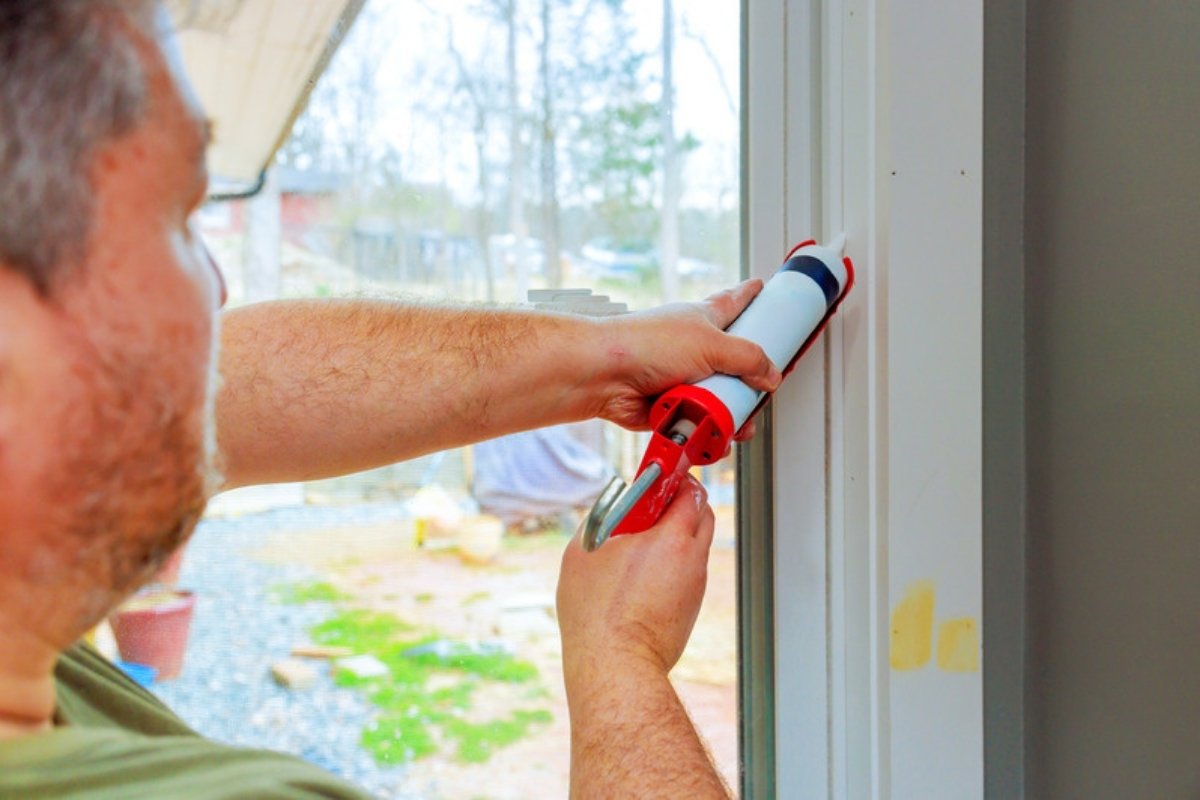
ENERGY STAR describes simple fixes like weatherstripping on doors and caulk around windows. Caulk works for gaps of a quarter inch or less, while larger gaps need foam sealant or backer rod. According to ENERGY STAR, sealing and insulating can save up to 10% on annual energy bills.
One caution: if your home was built before 1978, ENERGY STAR notes that you may need a professional before disturbing old trim, because of the risk of lead paint.
6. Look at the Attic for Heat Loss and Ice Dam Risk
If you live where snow sits on the roof, an attic check is worth the climb. The University of Minnesota Extension explains that an ice dam is a ridge of ice that forms at the edge of a roof and stops melting snow from draining off. The cause is uneven roof temperatures, and the heat mostly comes from the house below. In many homes, air leaking into the attic is the main way that heat gets there, and chimneys, exhaust vents and attic ductwork can add more.
The long-term fix the Extension recommends is to make the ceiling airtight first, then consider adding insulation. In the short term, removing snow from the roof helps. If that means climbing a ladder in icy weather, leave it to a pro.
7. Inspect Holiday Lights and Extension Cords Before Decorating
Before the first strand goes on the tree, spread your lights out on the floor and look them over. ESFI recommends inspecting all lights, decorations and extension cords for damage before use, and throwing away anything damaged or worn out. Check that each product is marked for the way you plan to use it, indoor or outdoor, and that it has been approved by a nationally recognized testing lab such as UL, Intertek or CSA.
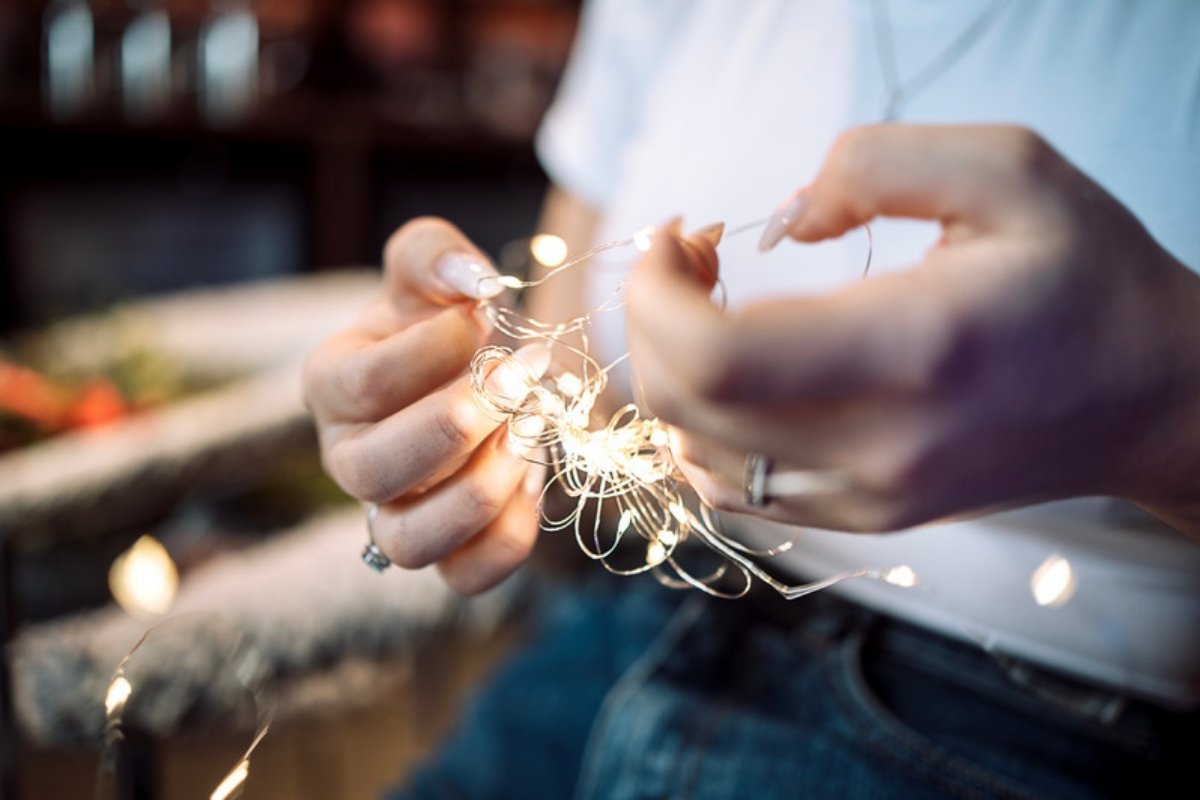
A few more rules from ESFI keep decorating safe. Never connect more than three strings of incandescent lights together. Plug outdoor decorations into circuits protected by ground fault circuit interrupters (GFCIs). Do not run cords under rugs or furniture, out of windows, or across walkways. And turn off all indoor and outdoor electrical decorations before you leave home or go to sleep.
Common Mistakes to Avoid
- Turning the heat way down while you travel. It saves a little money but puts your pipes at risk. Keep it at 55°F or higher.
- Ignoring a chirping smoke alarm. That sound usually means the battery needs replacing. Do it right away rather than pulling the alarm off the ceiling.
- Using indoor lights outside. Check the label on every strand and cord before it goes on the porch.
- Hiding cords under rugs. It looks tidier, but ESFI warns against it, and extension cords are a common cause of home fires.
Frequently Asked Questions
How often should I change my furnace filter in winter?
ENERGY STAR recommends checking the filter once a month and cleaning or changing it as needed.
What temperature should I leave my heat at when I go away?
The American Red Cross recommends leaving the heat on and setting it no lower than 55°F while you are away in cold weather.
How many strings of holiday lights can I connect together?
ESFI says to never connect more than three strings of incandescent lights. For LED strands, follow the limit in the manufacturer's instructions on the package.
More Home Ideas
- Pre-Holiday Cleaning: 7 Spots to Clean Before Guests Arrive
- How to Keep a Real Christmas Tree Fresh: 7 Simple Steps
- Christmas Entryway Decor: 5 Ideas for a Warm Holiday Welcome
- How to Prevent Outdoor Spigots From Freezing
Pick one or two items from this list each weekend and your home will be warm, safe and ready well before the first guests ring the bell. Stay warm and enjoy the season!
More Home Tips 👇🏼👇🏼