
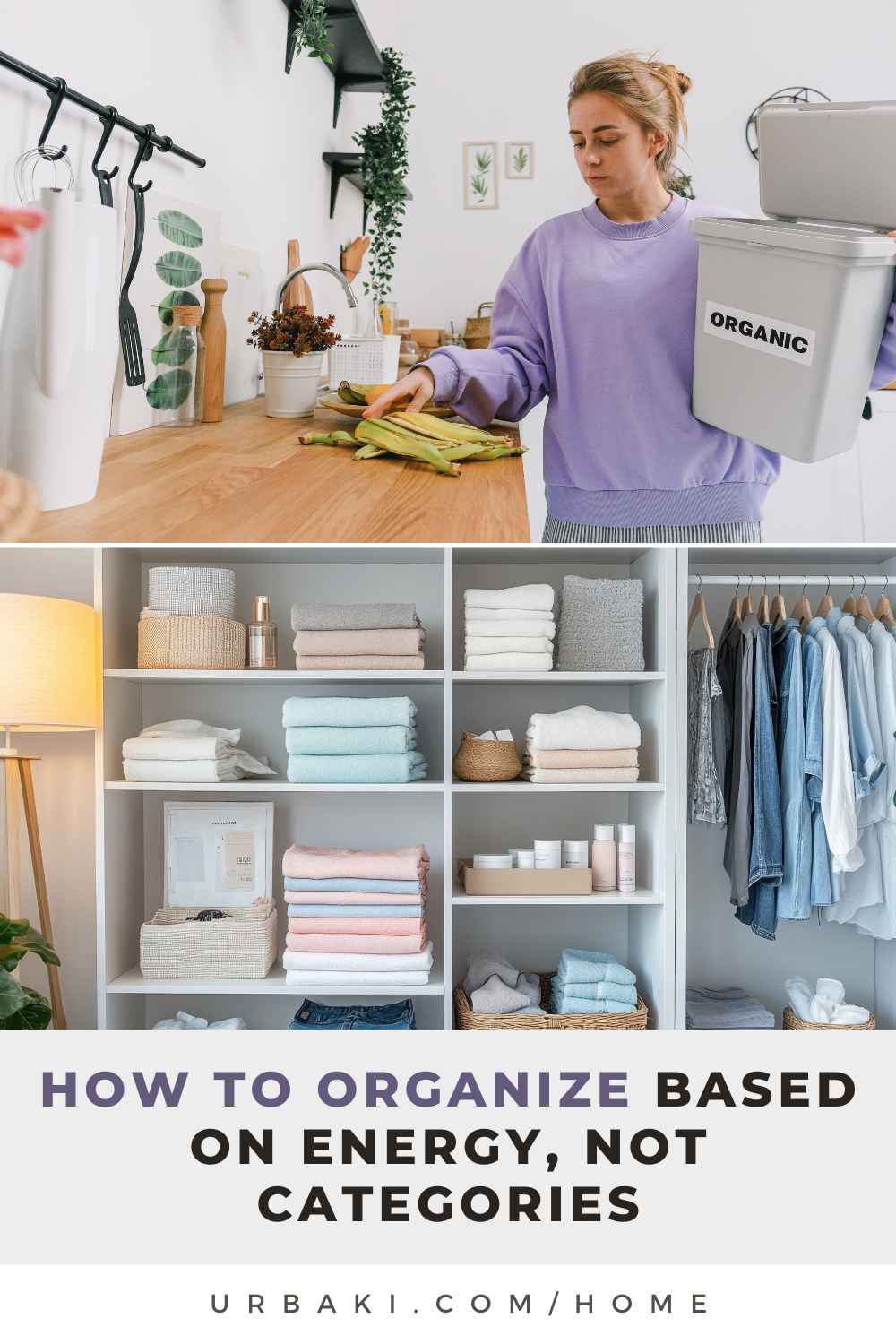
How to Organize Based on Energy, Not Categories

When it comes to organizing our homes, we’ve been taught to group things by category—books with books, tools with tools, papers with papers.
But what if there was a more intuitive way to approach organization? Organizing based on energy means focusing on how you interact with your space and how it makes you feel, rather than what items belong together on paper.
This shift can create a home that supports your energy levels, daily routines, and emotional well-being.
Find Perfect Pieces to Complete Your Interior Style!

- SPACE-SAVING CORNER DESIGN: This corner shelf features a...
- 5 TIER MULTIPURPOSE SHELVES: This corner bookshelf is...
- WEIGHT CAPACITY: Each shelf of this 5-tier display shelf...


- What You Get: You will get more quantity and more multiple...
- Why Choose Us?: Mckanti is committed to making better...
- No More Fear of Spills: Mckanti drink coasters are...

- BUILDABLE PLANT DECOR – Enjoy a mindful, nature-inspired...
- AUTHENTIC DETAILS – The artificial plant has realistic...
- LUCKY PLANT – Representing the season of summer in...
Understanding Energy-Based Organization
Traditional organization often ignores how we move through our spaces and when we use certain items. Energy-based organization starts with you—your habits, your rhythms, and your mental or physical energy at different times of the day.
Think about it: we don’t all tackle paperwork, cleaning, or hobbies with the same energy. Some tasks feel effortless in the morning but overwhelming at night.
Instead of forcing your belongings into predefined categories, this method encourages organizing your space so it supports the flow of your day.

Why Organizing by Category Can Feel Limiting
Organizing by category is straightforward, but it doesn’t always feel intuitive.
For instance, storing all craft supplies in one closet might seem logical—but if you only do watercolor painting by the sunny window in the living room, you’ll find yourself constantly moving supplies around.
Or, maybe you keep all your office supplies together, but you like journaling in bed. In these cases, categories clash with actual energy and usage patterns.
When we organize by energy, we make room for real-life behaviors, acknowledging that people use things in specific places, at specific times, and with specific moods. That’s where the magic happens.
Start With Your Energy Peaks and Valleys
Before you touch a single item, reflect on your day:
- When do you feel most energized?
- When do you feel sluggish or scattered?
- Where do you spend your time when you’re in each of those energy states?
For example, if you're energized in the morning, you might want your workout gear or coffee supplies easily accessible to match that burst of energy.
If you're winding down in the evening, maybe your favorite books, candles, or skincare items should be within arm’s reach to support that calm state.
By mapping out these energy zones, you're laying the groundwork for an organizational system that aligns with how you actually live.
Create Zones Based on Mood and Purpose
Rather than dividing items by type, design zones based on energy and intention:
1. High-Energy Zones
These are areas where you’re active, focused, and productive—such as the kitchen in the morning, your desk during work hours, or the garage on weekends.
Keep these spaces stocked with items that match your productive energy:
- Task-specific tools (notepads, gadgets, cleaning supplies)
- Motivational elements (quotes, bright lighting, energizing scents)
- Items you use when you're feeling inspired or proactive
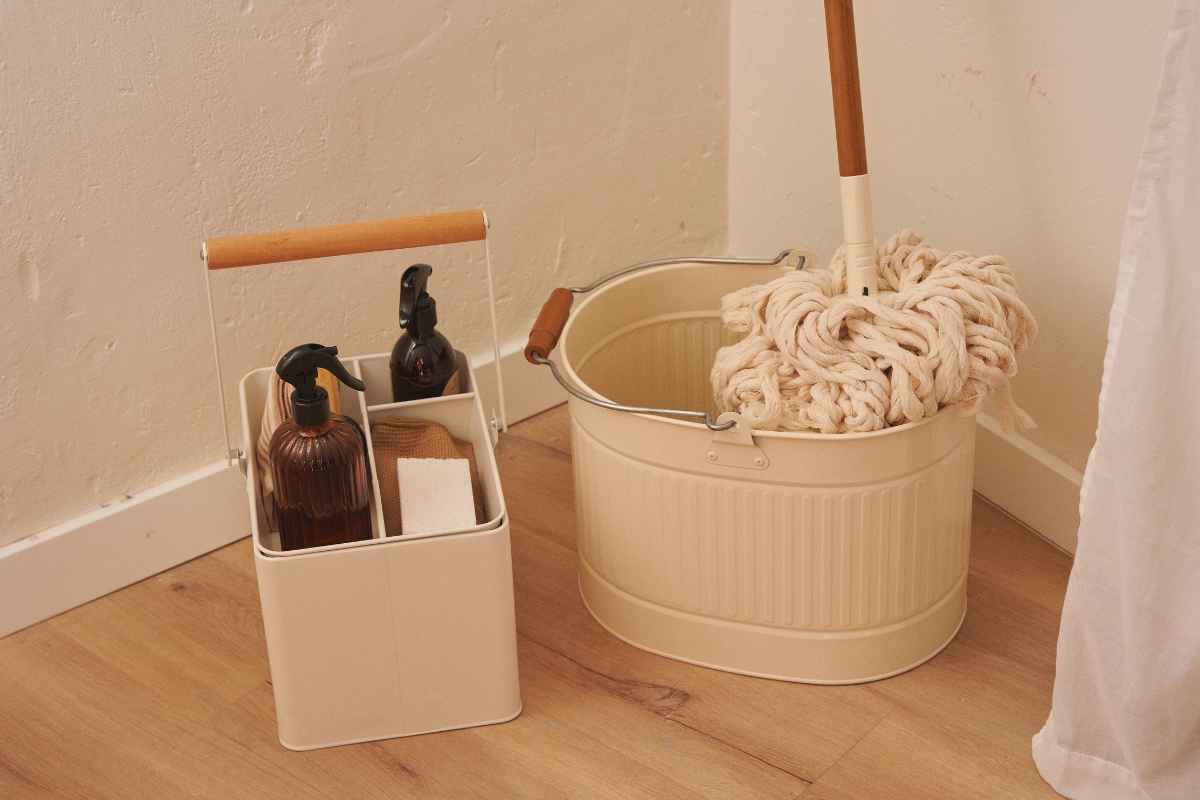
2. Low-Energy Zones
Spaces where you rest, relax, or recharge—like your reading nook, bath area, or cozy couch corner—should encourage ease and comfort.
Prioritize:
- Soft textures and comforting colors
- Easy access to entertainment, self-care, or journaling items
- A minimal layout to avoid overwhelm when you're low on energy
Anchor Items Where You Use Them Most
We often store things where we think they should go, not where we actually use them. For example, keeping your yoga mat in a closet across the house might deter you from practicing.
But placing it near your favorite morning window might encourage a daily stretch.
This is one of the core principles of energy-based organizing: items should live where your energy calls them. This may lead to unconventional solutions—but ones that make sense to you. If it supports a habit or routine, it’s the right spot.
Let Go of Perfection and Focus on Flow
Organizing by energy asks you to release the idea that your home needs to be Pinterest-perfect. This system is less about aesthetic and more about ease and function.
Ask yourself:
- “Does this space support how I want to feel here?”
- “Is this item in a place where I’ll actually use it?”
- “Am I fighting my energy, or working with it?”
If something feels forced, it probably is. Move things around. Test different zones. Keep what works, and let the rest evolve.
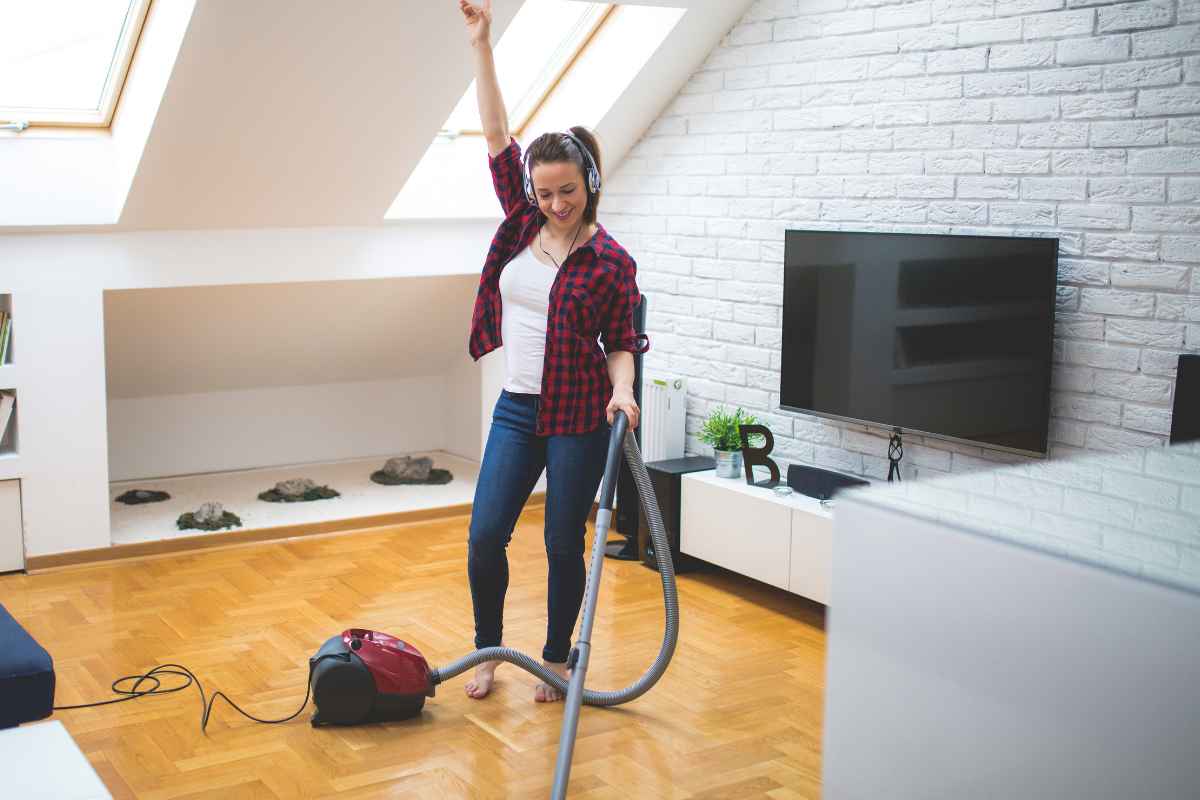
Routines Over Rules
The beauty of this method is that it supports daily routines, not rigid rules. For instance, you may have a drawer in the kitchen for your vitamins—not because they’re “kitchen items,” but because that’s where you remember to take them with breakfast.
You might keep your planner in the living room because that’s where you reflect at night—not because planners belong on desks.
Energy-based organization creates systems that support your behavior, not the other way around.
Maintain With Gentle Adjustments
Like our energy, our needs shift. The beauty of this method is that it welcomes change. Every few weeks, do a light check-in:
- Are certain routines feeling harder than before?
- Do some zones feel cluttered or ignored?
- Have your habits shifted with the seasons or schedule?
You don’t need a full overhaul—just gentle updates. Swap a basket, shift a tray, move an object two feet to the left. These small shifts can realign your home with your current energy patterns.

Reimagining Your Space with Intuition
Organizing by energy isn’t about breaking rules—it’s about tuning into your own natural rhythms and designing your space to support them. It’s permission to put the things you love where they’ll serve you best.
It’s a mindset that values comfort over convention, and sustainability over structure.
By making organization a living, breathing part of your home, you allow your environment to evolve with you—not against you. And that’s the kind of order that truly lasts.
Did you find this post Useful or Inspiring? Save THIS PIN to your HOME Board on Pinterest!
More Home Tips 👇🏼👇🏼