
How to Stock Your Pantry Like a Pro


Picture this: You get home tired, hungry, and not in the mood to run to the store.
You open your pantry and instantly see pasta, canned tomatoes, olive oil, garlic, and spices. Dinner is happening in 15 minutes. That is the power of a smart pantry.
A well-stocked pantry is not about having a “perfect” Pinterest kitchen. It is about reducing stress, saving money, and always having a backup plan when life is busy.
When you keep reliable essentials on hand, you avoid expensive last-minute takeout, you cook faster, and you feel more in control.
The goal is to build a pantry that supports how you really eat, not how you wish you ate.
Your pantry will grow over time. You do not need to buy everything in one day. Start with a few core staples, and then add extras that match your taste and your cooking style.
Core Pantry Staples You’ll Actually Use
Below are the categories every functional pantry should have. For each one, we will cover what to keep stocked and why it matters.
Oils & Vinegars
Olive oil, vegetable oil, sesame oil, vinegar (white, apple cider, balsamic), soy sauce, and Worcestershire sauce.
Why you want them: Good oil and vinegar are the base of quick dressings, marinades, stir-fries, and roasted vegetables.
Soy sauce and Worcestershire sauce add depth and umami to soups, sauces, and even ground meat. Sesame oil instantly makes simple noodles or rice taste like a real meal.
Pro tip: Keep at least one neutral oil (like vegetable or canola) for high-heat cooking, and one flavorful oil (like extra virgin olive oil) for finishing.
 Spices and Seasonings
Salt, black pepper, garlic powder, onion powder, cumin, paprika, chili powder, oregano, Italian seasoning, red pepper flakes, cinnamon, nutmeg.
Why you want them: Spices are what turn plain ingredients into dinner. A can of beans and a can of tomatoes can taste like chili, taco filling, or pasta sauce just by changing the spice blend.
Salt and pepper are non-negotiable, but having a few basics like paprika and cumin gives you flexibility.
Pro tip: If you cook a certain style often (for example, taco night every week), make sure you always have that seasoning mix in stock.
Build around what you actually cook, not a huge collection you never touch.
Baking Basics
All-purpose flour, sugar, brown sugar, baking powder, baking soda, cornstarch, vanilla extract, cocoa powder, oats.
Why you want them: With these on hand, you can bake something sweet without a store run: pancakes, muffins, cookies, banana bread, etc.
Cornstarch also thickens sauces, gravies, and stir-fries. Oats are not just for breakfast; they can also stretch meatloaf or make homemade granola bars.
Pro tip: “Baking soda” and “baking powder” are two different things and you need both. Store them sealed and check the dates once in a while, because old leaveners stop working.
 Grains, Rice, Pasta, and Legumes
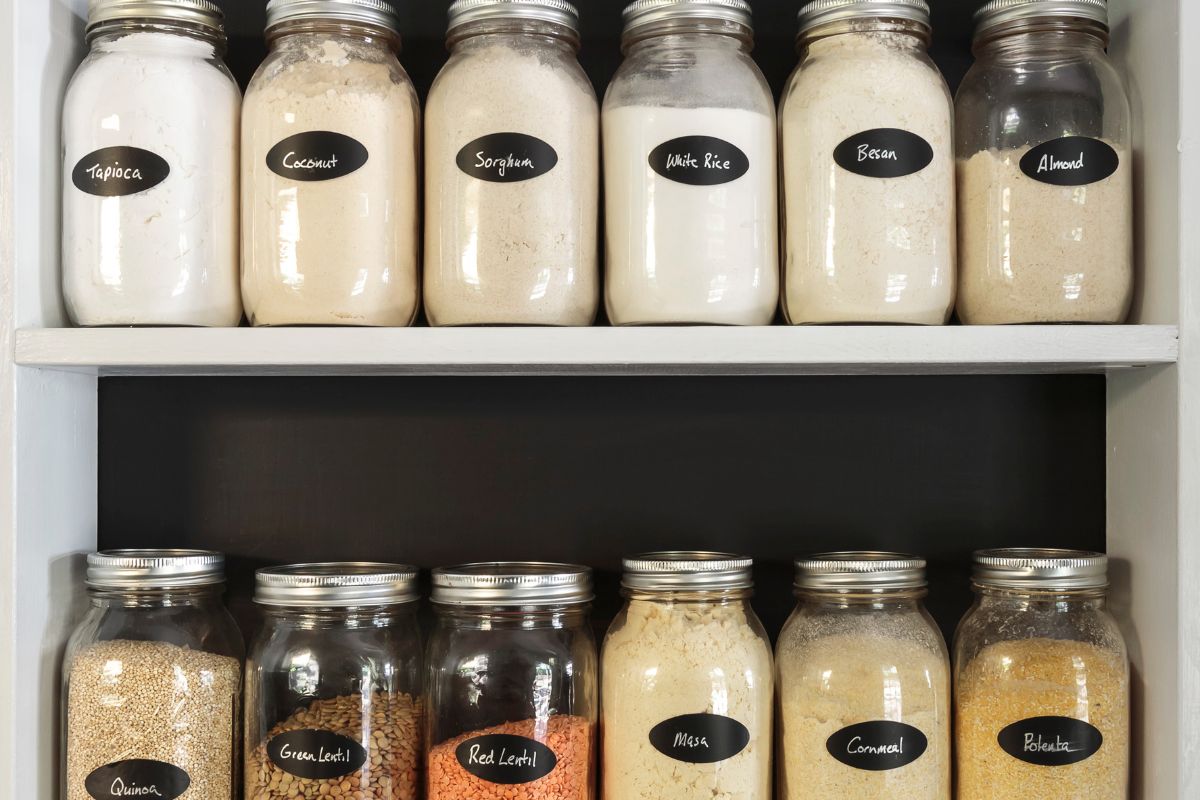
Rice (white or brown), pasta, quinoa, couscous, lentils, dry beans (navy beans, black beans, kidney beans), canned beans (chickpeas, black beans, kidney beans), breadcrumbs or panko.
Why you want them: These are the “fillers” that become full, satisfying meals. Pasta plus canned tomatoes becomes red sauce. Rice plus beans makes a complete protein. Lentils cook quickly and are perfect for soups, stews, and meatless dinners.
Pro tip: Keep both dry and canned beans. Dry beans are cheaper long-term, but canned beans are a fast emergency protein when you are tired. Panko or breadcrumbs let you add crunch to quick dinners, like baked chicken or roasted veggies.
Canned and Jarred Essentials
Canned tomatoes, tomato paste, canned tuna or salmon, broth or stock (vegetable, chicken, or beef), coconut milk, canned corn, canned peas, olives, pickles, pasta sauce, nut butters (peanut butter, almond butter), jam or jelly, honey.
Why you want them: Canned tomatoes and tomato paste are the foundation of soups, sauces, and stews. Tuna or salmon make instant protein for sandwiches, pasta, or rice bowls.
Broth turns leftovers into soup. Nut butters plus bread or crackers mean you always have something to eat, even on grocery day.
Pro tip: Stock at least one ready-to-heat meal ingredient. For example, shelf-stable tomato sauce + pasta = dinner. Canned soup or chili can also live in this category. It is smart to always have one or two “no thinking required” meals.
 Fridge Essentials (Things You Almost Always Use)
Even though this is not technically pantry shelf storage, certain refrigerated basics work hand-in-hand with your pantry items and should always be there.
Eggs, butter, milk or milk alternative, cheese (like shredded cheddar or Parmesan), yogurt, mustard, ketchup, mayonnaise.
Why you want them: These are the finishing touches that turn dry goods into real food. Eggs and cheese can rescue pasta, tortillas, even leftover rice.
A jar of mustard or mayo turns canned tuna into lunch in under five minutes.
Pro tip: Hard cheeses like Parmesan last a long time in the fridge and instantly upgrade pasta, soups, and roasted vegetables.
How to Keep Your Pantry Organized (This Is the “Pro” Part)
Stocking ingredients is step one. Keeping them easy to use is step two. This is where most people struggle. A “pro pantry” is not about fancy containers. It is about access and rotation.
Group by Use, Not by Package
Instead of lining things up randomly, try creating little “zones.”
Pasta Zone: pasta, canned tomatoes, tomato paste, olive oil, Italian seasoning.
Baking Zone: flour, sugar, brown sugar, vanilla, baking powder, baking soda.
Quick Meal Zone: canned tuna, instant rice, broth, canned beans, tortillas.
This makes cooking faster because you do not have to dig through five shelves to find what works together.
 Use Clear Containers and Labels (When Possible)
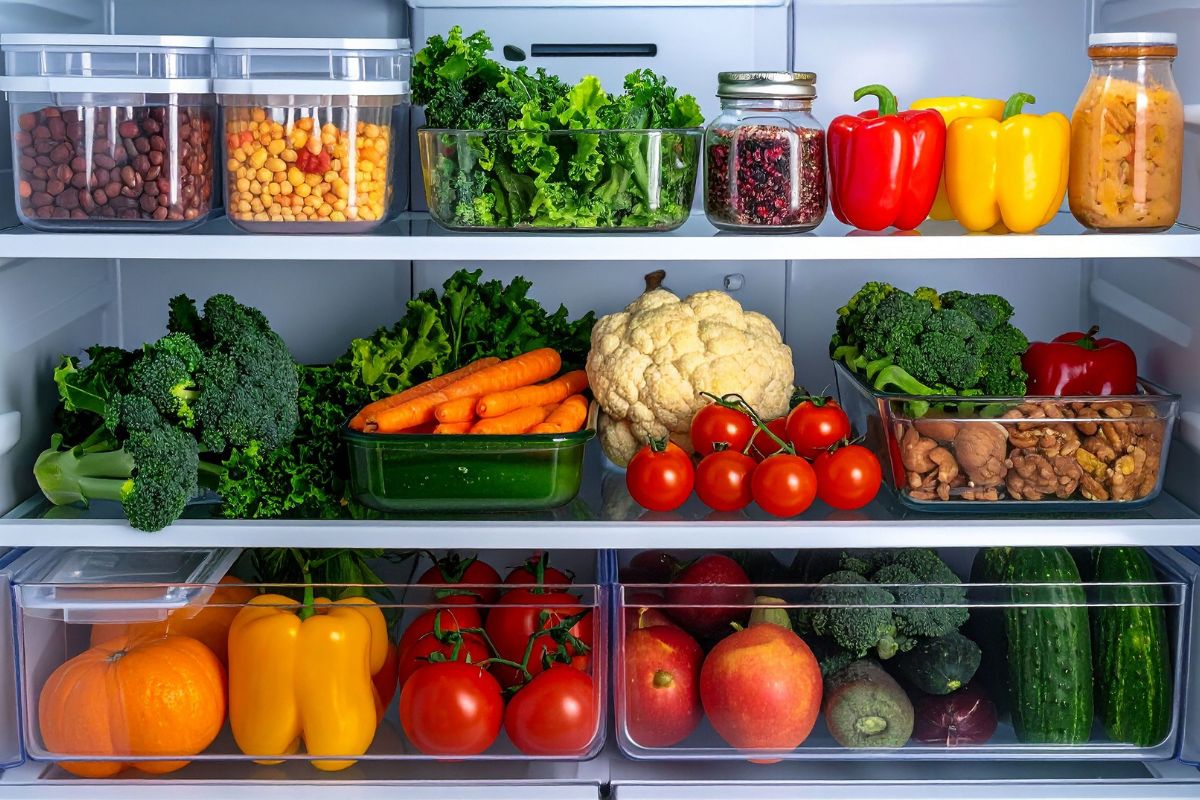
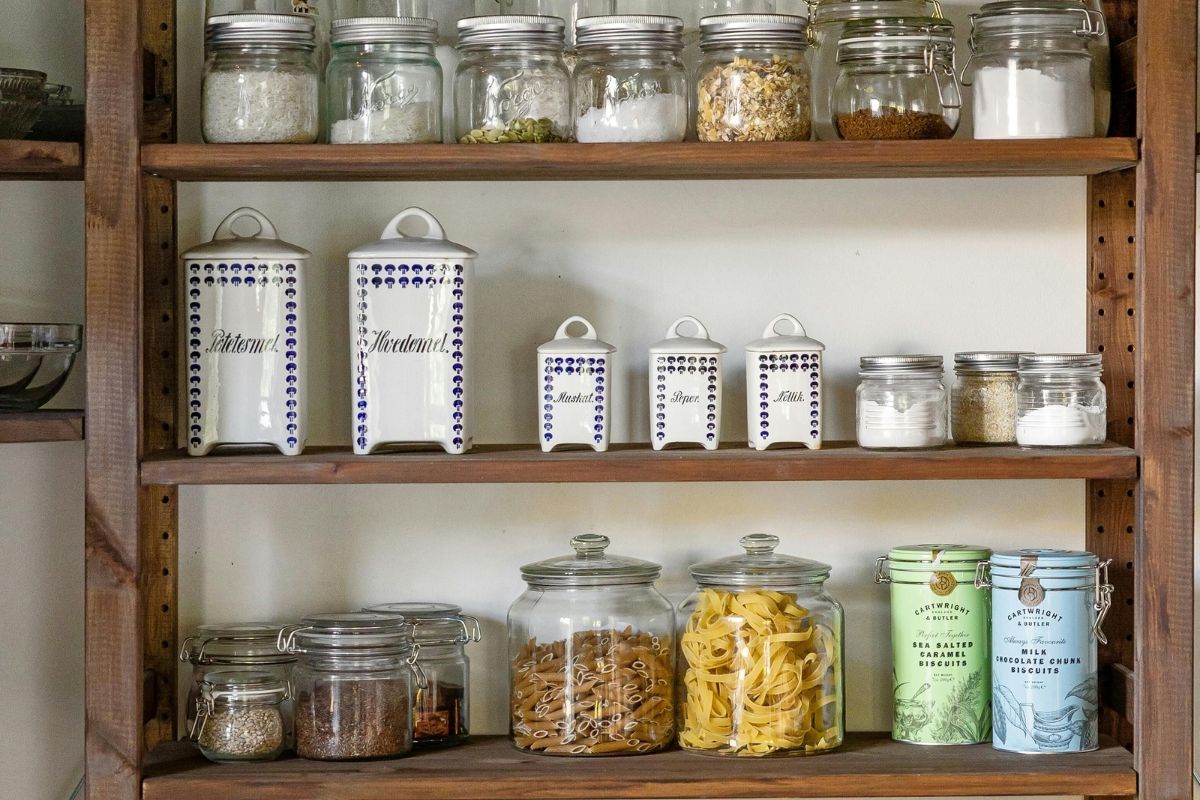
If you buy rice, flour, oats, or pasta in big bags, store them in clear airtight containers or jars. This helps in two ways:
You can actually see how much you have left.
It keeps bugs and humidity out.
You do not need to buy expensive matching containers. Reusing clean glass jars works.
Labeling helps other people in the house too. When everyone knows where the oats or panko go, things get put back in the same place instead of disappearing behind the cereal.
Rotate and Check Dates
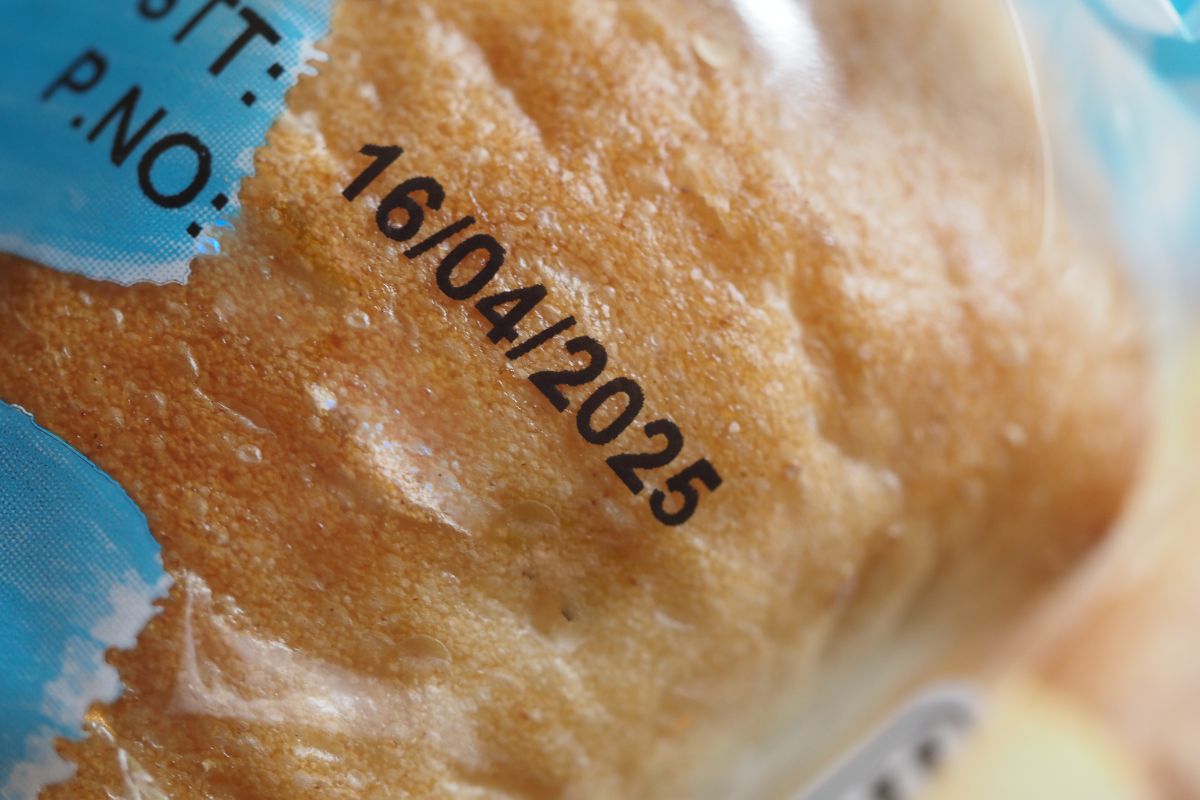
This is a professional kitchen habit that works at home: first in, first out.
When you restock, slide the older items to the front and put the new ones in the back. That way you use what you already have before it expires.
Do a quick check every few weeks for things that are close to their date, and plan to use those soon.
This alone can save you money because you stop throwing away food you forgot about.
 Keep at Least One Emergency Meal
Life happens. You get home late. The store is closed. You are sick. Someone unexpected shows up hungry.
Keep at least two “I can eat this right now” options in your pantry at all times. For example:
Pasta + jarred sauce + canned olives.
Instant rice + canned beans + salsa.
Canned soup + crackers.
These are not meant to be fancy. They are meant to prevent stress and last-minute takeout.
Make It Yours: Building a Pantry That Fits Your Life
There is no single perfect pantry. A college student, a family of five, and someone who cooks plant-based will not stock the exact same things. Your pantry should reflect what you actually eat in real life.
Here is how to personalize it:
If You Cook Mostly Fast Weeknight Meals
Focus on pasta, canned tomatoes, broth, pre-made sauce, rice, and frozen or canned vegetables. You want ingredients that can become dinner in under 20 minutes.
 If You Cook Mostly From Scratch
Keep dry beans, lentils, different vinegars, quality olive oil, spices you truly use, flour, oats, baking basics, and bulk grains like quinoa or brown rice. You will save money in the long term.
If You Eat Mostly Plant-Based
Canned beans, canned chickpeas, lentils, coconut milk, vegetable broth, nutritional yeast, tahini, whole grains, and nut butters are your protein and flavor base.
With those, you can build filling bowls, soups, curries, and salads without meat.
If You Have Dietary Restrictions
If you are gluten-free, stock gluten-free pasta, rice, corn tortillas, and chickpea flour. If you are dairy-free, choose shelf-stable plant milks and coconut milk for creamy sauces.
The goal is to make sure “safe for you” food is always available so you are not forced into last-minute options that do not work for you.
 Pantry Confidence Starts Today
You do not need a walk-in pantry or a huge budget to feel prepared. You just need a small collection of smart basics that you trust and a system that keeps things visible and easy to grab.
Here is your first step: choose any five items from the lists above that you do not currently have, and add them to your next grocery run.
Olive oil, canned tomatoes, pasta, rice, beans. With just those, you can build real meals without stress.
A stocked, organized pantry is not about perfection. It is about peace of mind. Every time you skip a last-minute store trip or avoid takeout because you had what you needed at home, your pantry is doing its job.
We hope you enjoy watching this video about How to Stock a Pantry:

Source: Hilah Cooking
Did you find this post useful or inspiring? Save THIS PIN to your HOME Board on Pinterest! 😊

Once again, thank you for visiting our website!
We hope you've enjoyed exploring the content we've created for you.
Give yourself the chance to learn, get inspired, and have even more fun, keep browsing...
More Home Tips 👇🏼👇🏼