
Letting a Kid Design a Grown-Up Room (As a Challenge)


Designing a room that is both functional and stylish is no easy feat, especially when the task involves incorporating the ideas and imagination of a child.
Letting a kid design a grown-up room might sound like a daunting challenge, but it can be an exciting and fulfilling experience for both the child and the adults involved.
Not only does it foster creativity and critical thinking, but it also provides a unique opportunity to bond over a shared project.
Why Letting a Kid Design a Room is a Great Idea
When you think about interior design, you might immediately picture an adult working with color palettes, furniture arrangements, and other adult-focused details.
However, children often have a unique perspective that can add a refreshing touch to a room's aesthetic. By allowing them to design a grown-up room, you're opening the door to:
- Creativity and Imagination: Kids have the ability to think outside the box and come up with ideas that adults might overlook. They can suggest playful concepts that add a layer of fun and whimsy to a typically mature space.
- Problem-Solving Skills: Designing a room isn’t just about choosing colors and furniture; it involves solving practical challenges, like maximizing space and ensuring the design serves the room’s purpose. This process helps kids develop important problem-solving abilities.
- Empowerment: Giving a child the chance to make decisions, especially when it comes to something as significant as room design, can boost their confidence and teach them responsibility. They’ll feel proud of their contributions, knowing their ideas are valued.
- A New Perspective on Room Design: Sometimes adults can get too caught up in traditional design rules and conventions. A child’s take on the room’s layout and decoration may lead to fresh, new ideas that would never have occurred otherwise.

The Planning Process: Balancing Adult Needs with Child's Creativity
While giving a child the freedom to design the room is essential, it's important to guide them through the process to ensure the space remains practical. Here's how to navigate the planning process:
1. Start with the Basics: Function and Purpose
Before diving into the fun of selecting colors and furniture, it’s crucial to determine the room’s primary function.
Is it a living room, a bedroom, or a home office? This is where you can involve the child in a conversation about the room’s main use. Ask questions like:
- Who will use this room?
- What activities will take place here?
- What kind of atmosphere do we want to create?
By setting clear expectations for the room’s function, you'll be able to guide the child’s decisions while still allowing them to express their creativity.
2. Incorporate Their Favorite Colors and Themes
Kids typically have strong preferences when it comes to colors and themes. Whether they’re drawn to bright, bold hues or prefer a more subtle, calming palette, allow them to make some decisions.
Let them choose a color they love as the base color for the room, but help them understand how to balance it with complementary tones to avoid overwhelming the space.
For example, if your child loves purple, consider using it as an accent color on one wall or through accessories like pillows, curtains, or rugs. You could also incorporate patterns, such as polka dots, stripes, or abstract designs, which children often enjoy.
3. Choose Furniture Together
When it comes to furniture, the challenge lies in selecting pieces that are functional yet appealing to the child. Let them contribute ideas on which furniture pieces they think would work best for the room’s needs.
Perhaps they envision a cozy reading nook or a space for playing board games.
It's important to find a balance between furniture that is practical for adult use and fun for the child. Consider pieces that offer storage solutions or multifunctionality, like a sofa with hidden compartments or a table that can be adjusted to different heights.
If they are interested in quirky furniture, allow them to pick out fun, playful pieces that still meet the room's practical needs.

4. Incorporate Fun and Whimsical Elements
One of the highlights of letting a child design a grown-up room is the opportunity to introduce fun, whimsical elements. You can add personal touches, like:
- DIY art projects: Encourage your child to create some artwork or DIY crafts that can be framed and hung on the walls. This adds a personal, creative flair that feels special.
- Unique accessories: Allow your child to select quirky décor items like novelty lamps, colorful throw pillows, or statement rugs. These can be fun and help tie the design together.
- Interactive features: For a truly unique touch, consider adding features like a chalkboard wall, where your child can draw and write. This gives them the freedom to change the room's look whenever they want.
5. Balance Playful and Mature Design
While it’s essential to let the child inject their personality into the room, it's equally important to ensure the space remains adult-friendly.
A grown-up room should still have elements that cater to the needs and tastes of the adults who use it. Here's how you can strike that balance:
- Sophisticated color schemes: While your child might prefer bright or bold colors, pair them with more neutral or muted tones to create harmony.
- Classic furniture with playful touches: Choose elegant, timeless furniture pieces and incorporate fun accessories, like colorful throws or unique lighting, to keep the room feeling fresh without being overly child-like.
- Functional storage: A grown-up room should be organized and efficient. Work with your child to select storage solutions that keep clutter at bay while still reflecting their style. This could include stylish baskets, sleek shelving units, or under-bed storage options.

Tips for a Successful Kid-Designed Grown-Up Room
Designing a grown-up room with the help of a child can be a rewarding and fun experience. To make sure the process goes smoothly, keep these additional tips in mind:
- Set a Budget: Be clear about your budget before you begin shopping. Work with your child to find creative ways to make the most of your budget, such as repurposing old furniture or doing some DIY projects.
- Safety First: Make sure that all furniture and décor choices are safe and age-appropriate. Pay attention to sharp corners, secure heavy items, and choose non-toxic materials where possible.
- Encourage Decision-Making: Give your child choices within a set framework. For instance, if they love a certain color, let them pick from a few different shades or allow them to choose between different rug options. This way, they feel involved without feeling overwhelmed.
The Final Reveal: Enjoying the Completed Room
Once the room is complete, it’s time for the big reveal! Allow your child to see how their ideas have come to life, and take a moment to celebrate their creative achievements.
Whether the room turns out to be a perfect blend of fun and functional, or it needs a few tweaks, the most important thing is that the experience allowed them to grow, learn, and be a part of something special.
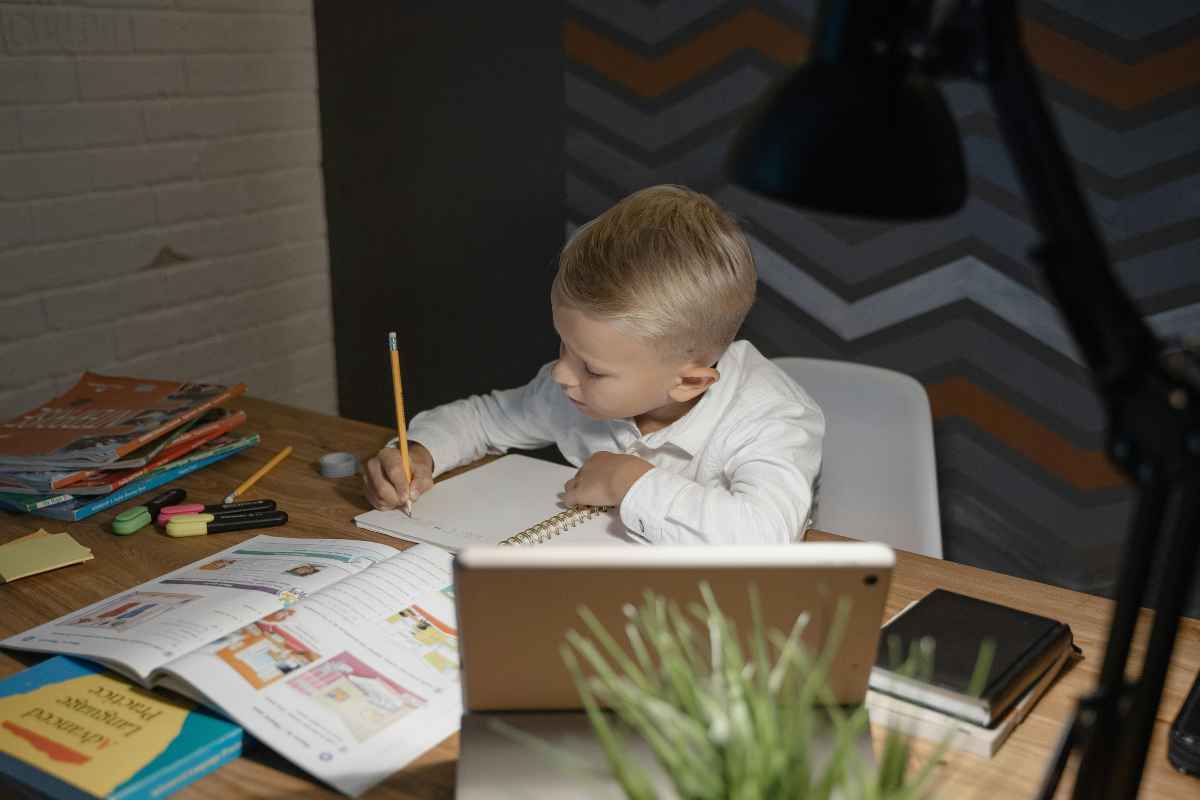
Letting a kid design a grown-up room may initially seem like a challenge, but with careful planning and guidance, it can become an unforgettable family project.
Not only will it spark your child’s creativity, but it will also help create a space that both adults and children can enjoy for years to come.
Did you find this post Useful or Inspiring? Save THIS PIN to your HOME Board on Pinterest!

More Home Tips 👇🏼👇🏼