
Minimalism for Maximalists: Editing Without Erasing

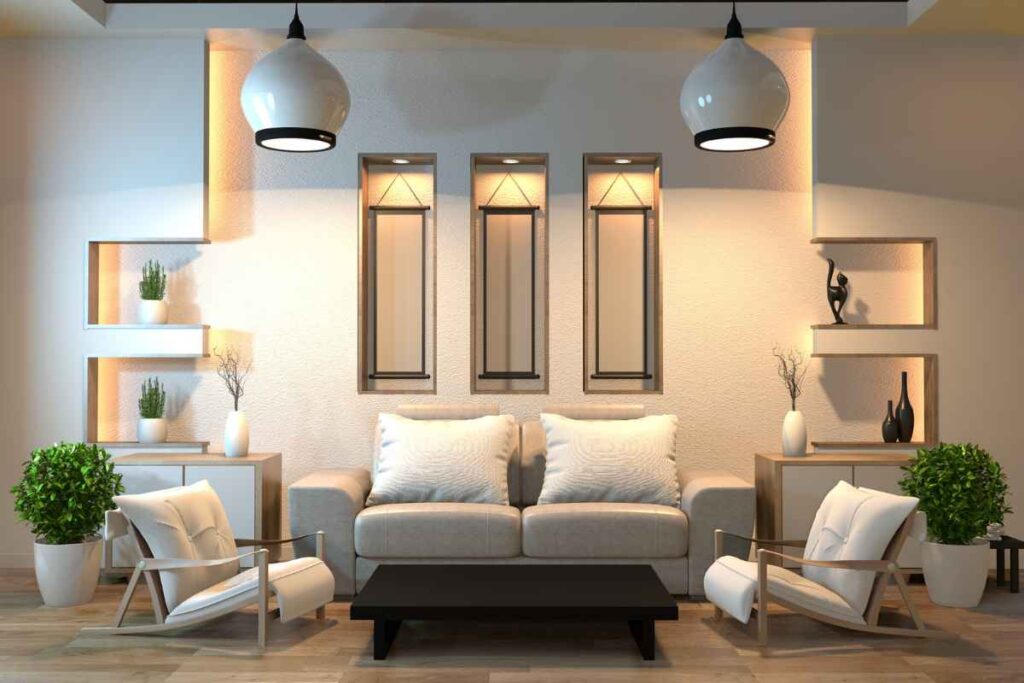
Minimalism often gets a bad rap, especially among those who prefer a more vibrant, detailed, and "full" style of living or working. For maximalists, minimalism can feel like a contradiction to their personality.
However, the truth is that minimalism doesn’t mean removing all the elements that define your space, style, or work. It’s about editing thoughtfully to create a more harmonious balance without sacrificing the things that make you feel alive.
The key is in editing without erasing, a concept that blends the best of both worlds: maximizing impact while simplifying excess.
Embracing Minimalism Without Losing Personality
For a maximalist, the idea of “editing” may seem synonymous with “erasing.” After all, maximalism is all about excess—bright colors, multiple textures, intricate patterns, and objects that tell a story.
But minimalism for maximalists is not about stripping away everything that brings joy; it's about creating space for what truly matters.
Maximalists have an eye for detail and often collect objects that have personal significance. The challenge is not to give up those items, but rather to organize them in a way that allows each one to shine.
The cluttered, chaotic feeling that often accompanies maximalism can be avoided by choosing focal points for each room or project. With this strategy, every item has a purpose, whether it's for decoration, functionality, or sentiment.

How to Adopt Minimalism without Losing Your Essence
Finding Balance: Focal Points vs. Clutter
One of the first steps in editing without erasing is deciding what to keep as the focal point. A focal point is that one object, piece of furniture, or area in a room that grabs attention.
By allowing each area to have one standout feature, you prevent overwhelming the senses with too much at once.
For example, in a living room, a statement armchair or a large piece of art can become the focal point, while the surrounding furniture and decor should complement it.
By simplifying the arrangement around this key piece, the space doesn’t feel cluttered—yet, the personality of the space is still clear. The goal is to celebrate each piece rather than force it to compete with others.
The Power of Color and Texture
In maximalist design, color and texture play crucial roles. These elements don’t need to be eliminated, but they can be used strategically. Instead of filling every corner with bright hues and bold patterns, consider using color blocking or textural contrasts.
This allows for the vibrancy of maximalism without the overwhelming chaos.
For instance, use contrasting textiles—a velvet couch next to a sleek leather chair, or a patterned rug with a simple backdrop. The key is ensuring that the textures don't compete but rather enhance each other, creating a dynamic yet balanced atmosphere.
Layering With Intention
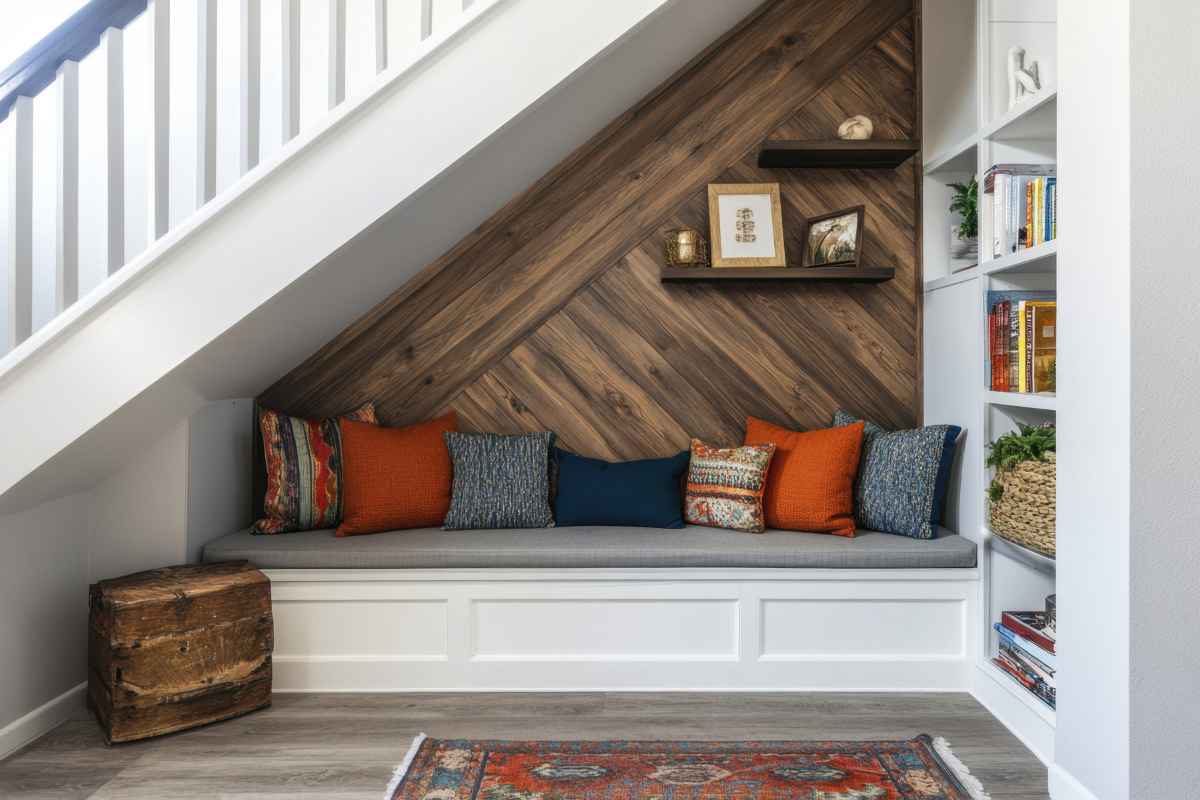
Maximalism thrives on layering: layers of color, texture, and items that build a rich, immersive environment. However, minimalism teaches us that not all layers are necessary. The trick is layering with intention.
The goal is to create depth, but also to avoid suffocating the space or the senses.
Start by evaluating your layers. Does each layer contribute to the atmosphere you're trying to create, or is it simply adding visual noise? Maybe it's time to let go of some layers that don't enhance the story you want to tell.
For example, a wall full of art is wonderful, but it can be more impactful if you focus on a few statement pieces and leave some wall space empty. That little bit of negative space can make the art pop and allow it to breathe.
Functionality Meets Aesthetics
Another aspect of editing without erasing is ensuring that what remains serves a function.
For maximalists, the focus is often on beauty and aesthetic appeal, but incorporating functionality into your maximalist space can help create a better flow and organization without sacrificing beauty.
A well-curated collection of books can be just as visually stimulating as a massive stack of cluttered magazines. A beautiful yet functional vase can serve as both an art piece and a tool for holding fresh flowers.
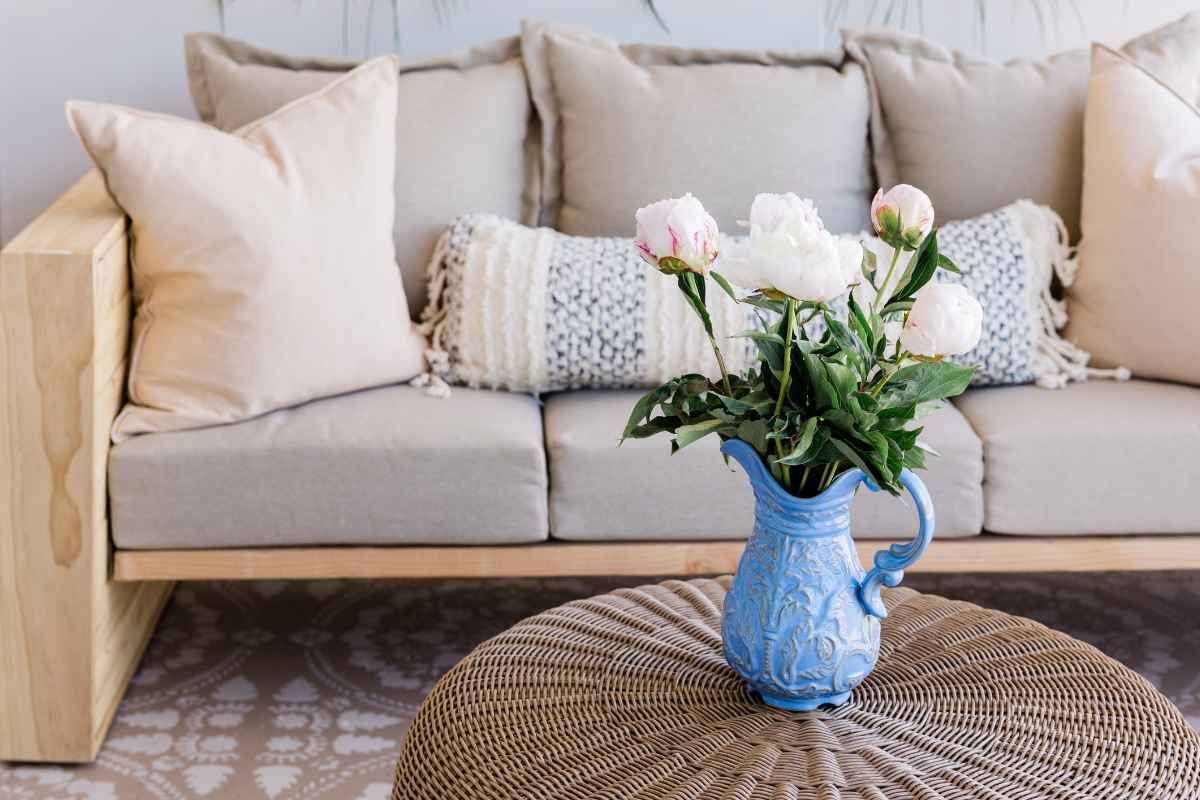
Finding ways to blend the functional and the beautiful ensures that you’re keeping only what serves a dual purpose, cutting out unnecessary excess while maintaining your maximalist charm.
Curation vs. Accumulation
One of the hallmarks of maximalism is accumulation—the act of collecting things over time. However, when it comes to editing, the focus shifts from accumulation to curation.
Curation is about thoughtfully choosing pieces that have significance, whether sentimental, functional, or aesthetically pleasing. It’s not about removing all the pieces you love, but about choosing wisely.
As you go through your collections, ask yourself: Does this object still bring joy? Is it still serving its purpose? If you find yourself holding onto items because of guilt or habit, it may be time to let them go.
This doesn’t mean erasing your personality from your space, but rather creating room for the things that truly matter.
Editing Digital Spaces: The Virtual Version of Minimalism
Minimalism can also be applied to the digital space, an area where maximalists may not realize they’re often overwhelmed. Digital clutter can cause unnecessary stress, from a cluttered inbox to an overloaded desktop.
Just like in physical spaces, editing without erasing means simplifying without losing what’s necessary.
Start by organizing your files into clear folders and using digital tools to streamline your workflow. Unsubscribe from unnecessary emails and keep only what adds value to your day-to-day tasks.
By keeping your digital world as organized as your physical space, you can reduce digital overwhelm and create a more peaceful, productive environment.

Creating a Mindful and Balanced Environment
At its core, minimalism for maximalists isn’t about eliminating the richness of your world, but about creating a space and life where mindfulness and balance prevail.
You’re still living a full life—filled with color, texture, and stories—just in a more organized and intentional way.
Incorporating the principles of minimalism into your maximalist world means finding harmony. It’s about letting go of the unnecessary while keeping the pieces that resonate with you the most. You’re not erasing your style; you’re refining it.
Embrace a New Kind of Fullness
Maximalism and minimalism don’t have to be mutually exclusive. Instead of viewing minimalism as an enemy of maximalism, think of it as a tool to edit thoughtfully.
By editing without erasing, you can create a space that’s both vibrant and serene, rich in personality yet balanced in design.
The journey of combining these two philosophies is about finding the sweet spot between clutter and calm.
It’s about celebrating what matters most and letting go of the rest, ensuring that each item in your space—whether it’s a painting, a chair, or a book—has a place and a purpose.
In the end, your maximalist space can still feel full—but with intention, purpose, and an occasional moment of breathing room.
Did you find this post Useful or Inspiring? Save THIS PIN to your HOME Board on Pinterest!
More Home Tips 👇🏼👇🏼