
Reasons Why Your Refrigerator Isn't Cooling


Your refrigerator should quietly keep food safe and drinks crisp, but when the inside feels warm, panic sets in fast.
Before you call a technician, this guide explains the most common reasons a fridge stops cooling and how to restore a Cool Refrigerator safely, step by step.
Quick Checks Before You Worry

Start with the simple stuff. Make sure the temperature controls weren’t bumped—most fridges keep food safe between 1–4°C (34–39°F).
If you recently loaded groceries, the machine may need several hours to stabilize; opening the door repeatedly slows recovery.
Next, confirm the doors seal tightly. A warped gasket or crumbs on the seal leak cold air and force the compressor to run longer with weaker results.
Close a sheet of paper in the door; if it slides out easily, the seal isn’t gripping and needs cleaning or replacement.
Finally, check airflow inside. Overpacked shelves can block vents that deliver cold air from the freezer to the fresh food section. Leave a few centimeters of space around vents and between items so chilled air can circulate freely.
Why Your Refrigerator Isn’t Cooling
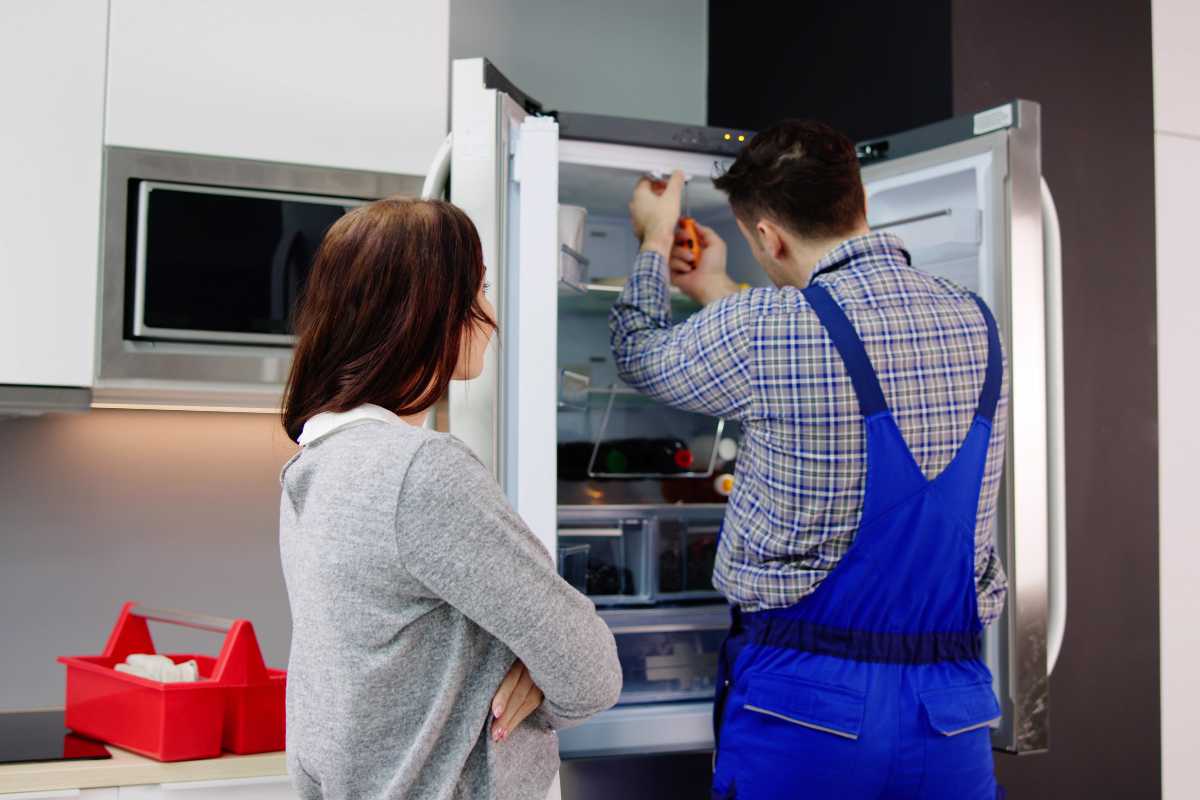
Dirty condenser coils are the top culprit. Dust acts like a blanket, trapping heat the system must release. When coils can’t shed heat, the cabinet warms up. Clean them carefully (details below) and you may feel colder air within a few hours.
Blocked evaporator airflow also causes warm spots. Frost can build up on the evaporator coil and fan in the freezer, choking airflow. If you see a snow-like layer at the back wall of the freezer, a controlled manual defrost can restore circulation.
Faulty condenser or evaporator fans lead to poor cooling and odd noises. If the condenser fan (near the compressor) or the evaporator fan (inside the freezer) is jammed by debris or failed, temperatures climb even though the compressor runs.
Defrost system issues (heater, thermostat, or timer/control board) let ice accumulate. A one-time manual defrost helps, but recurring ice points to a part that needs testing and replacement.
Safe Diagnostics You Can Do at Home

Unplug the appliance before any inspection. Pull it away from the wall and locate the condenser coils—either underneath behind a kick plate or on the back. If you have pets or a dusty kitchen, schedule coil care every 3–6 months.
Spin the condenser fan gently with a wooden stick; it should turn freely with no scraping. If it’s stuck, remove lint and hair with a soft brush. When power is restored, the fan should run whenever the compressor is on.
Inside the freezer, listen for the evaporator fan when the door switch is pressed (many fridges pause the fan when the door opens). No sound could mean a failed fan, ice blockage, or a door switch issue.
Refrigerator Maintenance Instructions (Essential)
1) Clean condenser coils: Use a coil brush and a vacuum with a crevice tool. Work gently to avoid bending fins. Cleaner coils improve efficiency and help the cabinet reach set temperature faster.
2) Level the cabinet: A fridge that’s out of level may not close properly, letting warm air in. Adjust the front feet until doors self-close with a light push.
3) Refresh door gaskets: Wash seals with warm, soapy water and dry. For hardened, cracked gaskets, order the correct replacement by model number; install per the manual so corners seal evenly.
4) Organize for airflow: Keep tall items away from rear vents, store leftovers in shallow containers, and avoid jamming produce drawers. Better airflow equals a steadier, Cool Refrigerator.
Diy Refrigeration Repair Tips (When You’re Handy)

Start with non-invasive fixes. If the freezer back wall is iced over, power off and let it defrost fully with towels to catch meltwater.
After restart, monitor for new frost: if it returns within days, the defrost heater or sensor likely needs professional testing.
Replace easy parts first. A thermistor (temperature sensor), defrost timer, or door switch is often affordable and accessible with basic tools. Photograph connectors before removal so reassembly is straightforward.
Use protective gear. Cut power, wear gloves, and avoid metal tools near live circuits. If you smell a chemical odor or see oily residue on tubing, stop—refrigerant leaks require licensed service.
Diy Refrigerator Repair Guide (Step-by-Step Flow)

Step 1: Restore basics—Set the thermostat correctly, clear blocked vents, and reduce door openings for a full day. Many “not cooling” calls resolve here.
Step 2: Deep-clean—Vacuum coils, clean the fan area, and wipe gaskets. After cleaning, place a thermometer in the center shelf and check results after 6–8 hours.
Step 3: Defrost and test—If frost was present, perform a full manual defrost. Listen for the evaporator fan on restart and verify steady airflow from vents.
Step 4: Targeted part replacement—If temperatures still lag, consider the fan motor, thermistor, or defrost components. Order OEM parts by model number for the best fit and longevity.
When to Call a Professional
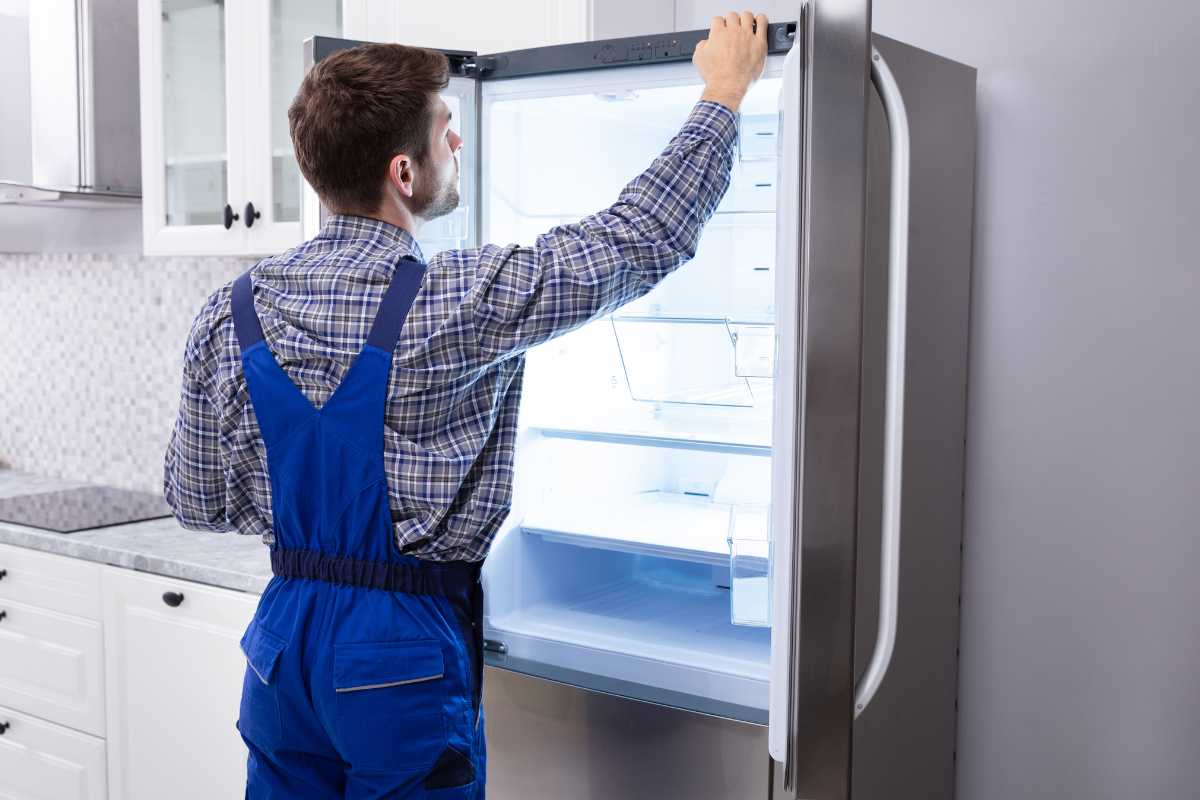
If the compressor is silent and hot to the touch, or you notice clicking every few seconds, a start relay or compressor problem may be involved. These require proper tools and training.
Similarly, sealed-system issues (refrigerant charge, restrictions, or a weak compressor) are not DIY-friendly. Acting early—before the unit runs constantly at high heat—can prevent food loss and bigger repair bills.
Balance cost and age. If your refrigerator is over a decade old and needs multiple parts, compare repair estimates against energy-efficient replacements. Newer models may cut utility costs and cool more consistently.
Keep Your Refrigerator Cold, Efficient, and Quiet

With regular care and a few smart checks, you can maintain a Cool Refrigerator that recovers quickly after grocery runs and keeps food safe all week.
Follow the Refrigerator Maintenance Instructions above and use the Diy Refrigerator Repair Guide flow whenever cooling slips.
Want more practical Diy Refrigeration Repair Tips and troubleshooting advice? Explore our latest home guides on Urbaki for maintenance routines, smart fixes, and upgrades tailored to your kitchen.
Explore More Home Guides
Discover more hands-on tutorials, time-saving checklists, and expert-backed solutions to keep every appliance running smoothly across the seasons.
Enjoy this Video Tutorial

Source: Bill Newberry
More Home Tips 👇🏼👇🏼