
Decorating with Shadows: Light Play for Artistic Rooms

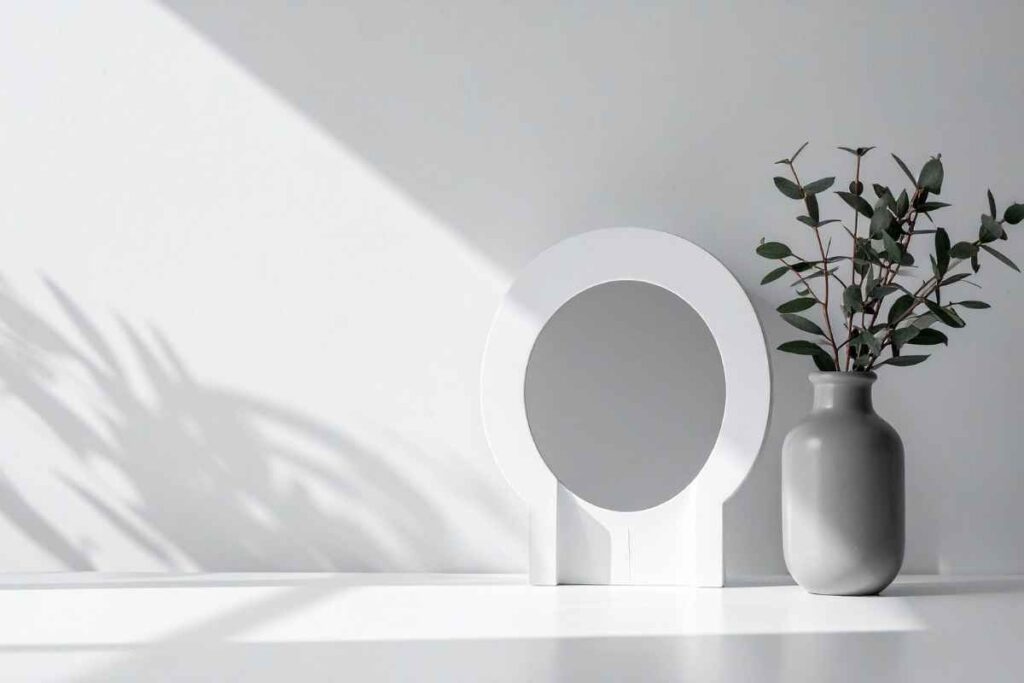
Decorating with light and shadows is a fascinating way to enhance the aesthetic of a room. By playing with these natural elements, you can create an artistic atmosphere that feels both dynamic and peaceful.
This technique allows for a mix of creativity, functionality, and style, offering an engaging way to bring your space to life. In this article, we’ll explore how to use light and shadows in home decor, focusing on techniques, design ideas, and tips for achieving the perfect balance.
Understanding the Power of Shadows
Shadows are often viewed as the absence of light, but in design, they can be an incredibly powerful tool. Shadows add depth, contrast, and drama to a room, making it feel more dimensional.
The movement of shadows, especially during different times of the day, can transform a static space into something that feels alive and ever-changing.
The beauty of shadows lies in their unpredictability. Unlike a perfectly arranged piece of furniture or a carefully chosen color palette, shadows change with the light, creating new looks each time.
Whether it's the natural shadows cast by plants, architectural features, or artificial light sources, this play between light and dark can completely alter the mood of a room.
Techniques for Playing with Light and Shadows
To effectively use shadows in your decor, you need to understand the different ways light can interact with your space. Here are some techniques that can help you create stunning visual effects:
1. Use of Natural Light
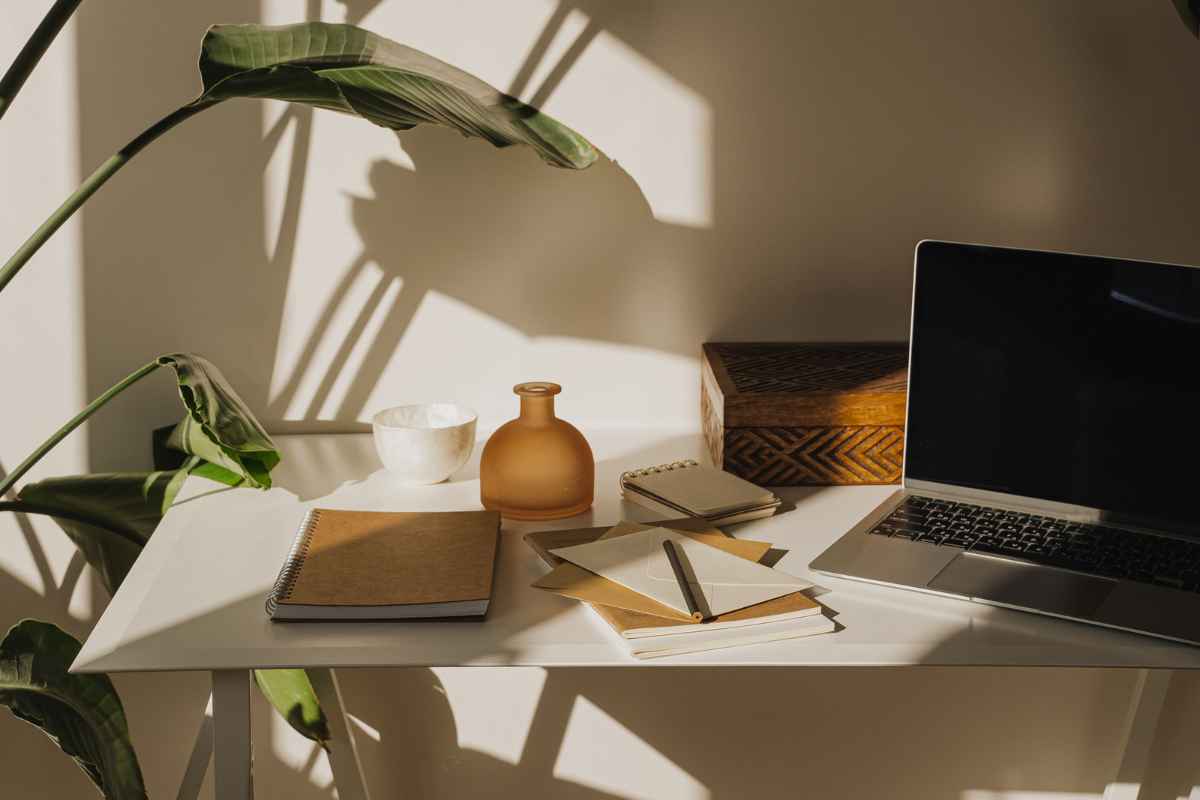
Natural light plays a pivotal role in shaping the shadows in a room. The angle of sunlight throughout the day affects the size and direction of shadows, adding movement and fluidity to your space.
For example, large windows allow for deeper, longer shadows that can enhance the elegance of a room.
You can also manipulate the amount of natural light that enters the room by using sheer curtains or blinds. Light-filtering fabrics can soften the intensity of sunlight, creating a gentle, diffused shadow effect that feels warm and inviting.
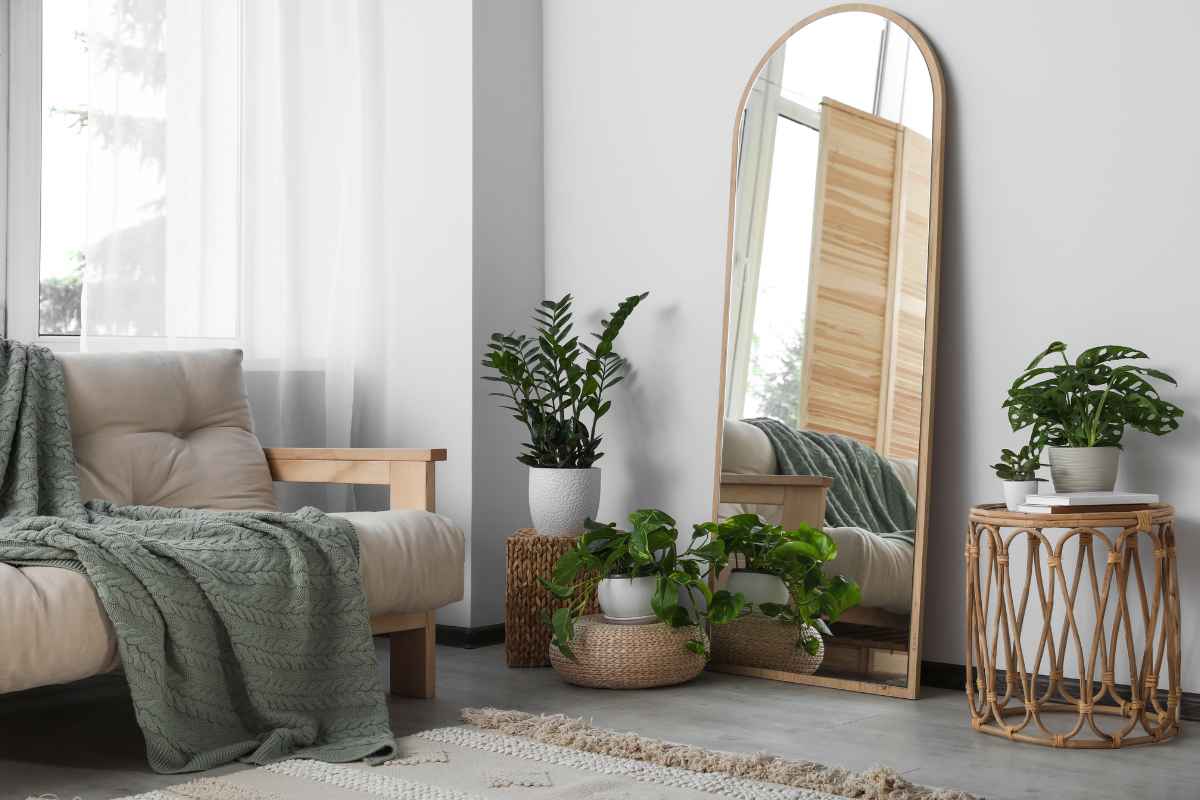
To further highlight shadows, consider placing objects like potted plants or furniture near windows to create interesting silhouettes on the walls.
2. Accent Lighting
Strategically placed accent lighting can create bold shadows that highlight specific areas of a room. Wall-mounted sconces, floor lamps, or pendant lights can direct light towards certain architectural features, casting dramatic shadows on the walls or ceiling.
For a more artistic effect, try using lamps with interesting designs or diffusers that shape the light. These can cast intricate shadow patterns that act as works of art on their own.
For instance, a Moroccan-style lamp with a pierced metal shade can create a mesmerizing pattern of shadows across the floor, adding an exotic touch to the room.
3. Layering Light Sources
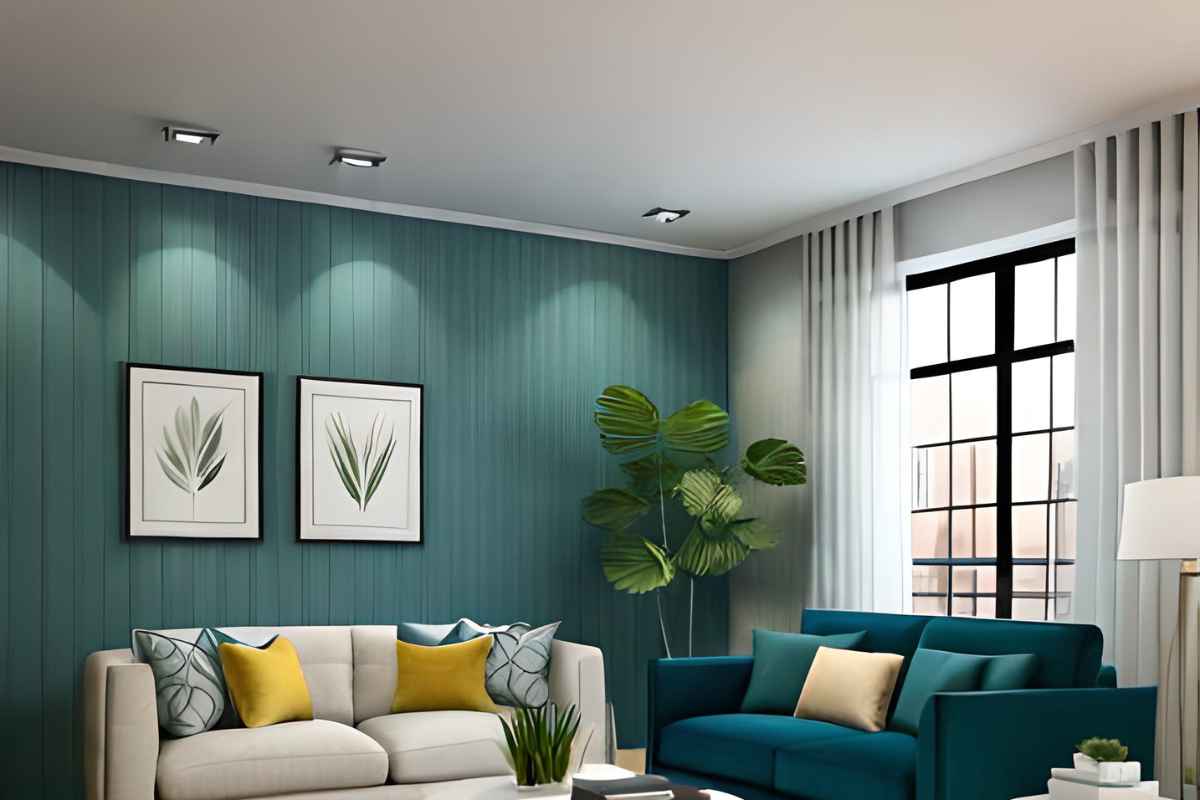
Incorporating multiple light sources at different heights and angles can enhance the play of shadows. By layering light from different sources, you can create a balance between bright areas and dark shadows, giving your room a multi-dimensional look.
For example, combine a ceiling light with floor lamps or table lamps to create contrasts between well-lit spots and areas enveloped in shadow.
Use dimmers or adjustable lights to control the intensity of each light source. This flexibility allows you to experiment with different shadow effects depending on your mood or the time of day.
4. Decorative Objects to Cast Shadows
Decorative elements in your room, such as sculptures, artworks, or even furniture, can be used to cast unique shadows.
A piece of art with intricate lines or patterns will cast shadows that emphasize its design, making it not only a visual focal point but a source of shifting shadows.
Think about using objects with strong geometric shapes or detailed textures. A metal sculpture or a carved wooden object will create sharp, defined shadows that contrast with the smoothness of surrounding surfaces.
Room Ideas for Shadow Play
Now that we’ve covered techniques for using light and shadows, let’s explore how to incorporate them into various rooms of your home.
Living Room
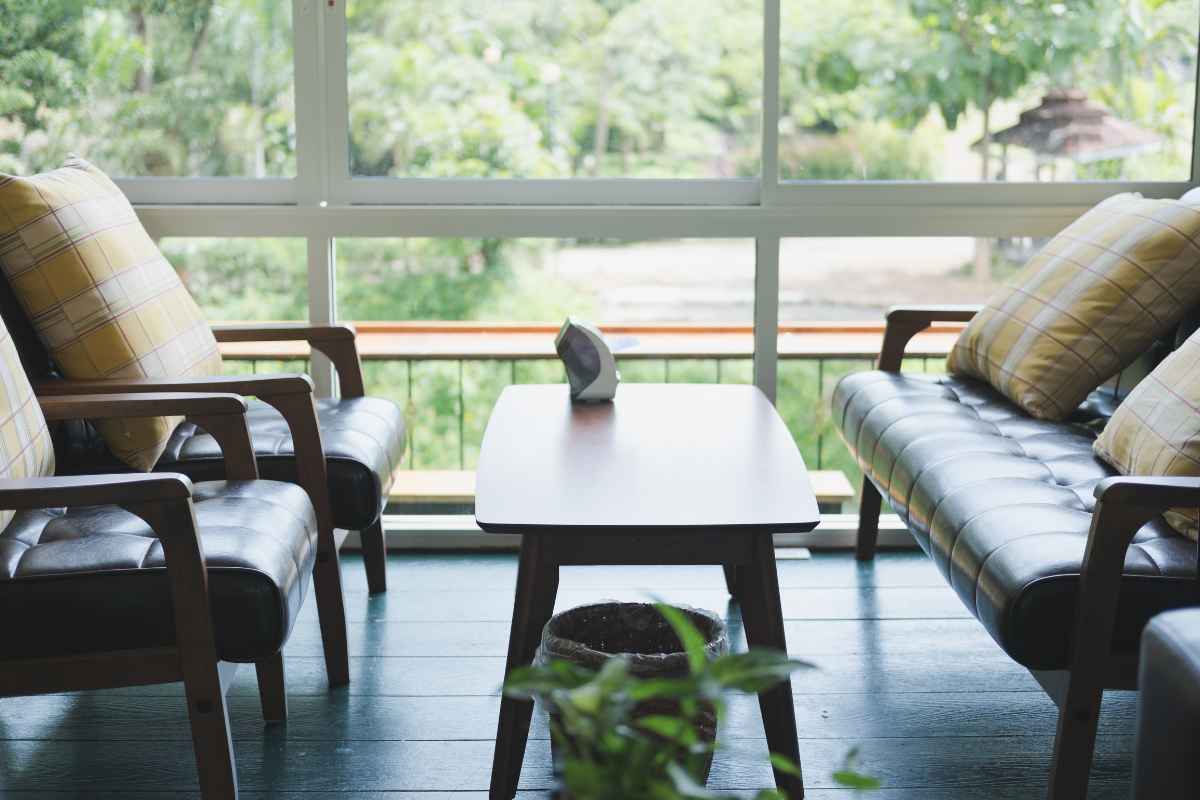
The living room is a perfect space to experiment with light and shadows. Start by positioning large furniture pieces near windows to take advantage of natural light.
A sofa or coffee table near a window can cast shadows that elongate across the floor or walls, creating a dramatic and inviting atmosphere.
Consider adding accent lighting like floor lamps or wall sconces. These can highlight key features, such as artwork or a fireplace, while casting dynamic shadows that change throughout the day.
For a more refined look, you can incorporate shaded pendant lights above the coffee table or dining area to create a cozy, intimate space in the evening.
Bedroom
In the bedroom, light and shadow play a vital role in setting the mood. During the day, natural light can create gentle shadows, providing a calm and peaceful atmosphere.
Use light fabrics for your curtains to allow soft light to filter in, casting delicate shadows across your bed and furniture.
At night, consider using dim lighting or a statement lamp with a textured shade. This can create warm, inviting shadows that enhance the room's serenity. Soft shadows along the walls can transform the bedroom into a relaxing retreat, perfect for unwinding after a long day.
Kitchen
In the kitchen, shadow play can add a bit of drama while also serving practical purposes. Under-cabinet lighting can create subtle shadows along countertops, giving depth to the space and emphasizing the texture of materials like wood or stone.
For a more creative approach, consider pendant lights above the kitchen island. These will cast shadows that interact with the kitchen’s design, especially if you have patterned tiles or unique backsplash designs.
The shadows can highlight the intricate details of your kitchen, making it feel more artistic and functional.
Bathroom
In a bathroom, shadows can soften the often sterile, clinical feel of the space. By using strategically placed lights, such as sconces or mirrors with built-in lighting, you can cast shadows that enhance the elegance of the room.
Consider using soft, diffused lighting to avoid harsh shadows that might create an overly dramatic look.
Placing plants or decorative objects in areas where they can cast interesting shadows on the walls or floor can create a more organic feel. A well-placed shadow can also highlight the texture of materials like tiles or marble, turning a simple bathroom into a luxurious space.
Tips for Balancing Light and Shadows
While experimenting with light and shadows can be exciting, it’s important to strike a balance to ensure your room doesn’t feel overly dark or too bright. Here are a few tips for achieving the right balance:
- Contrast is key: You don’t need to create heavy shadows in every corner. Instead, focus on contrasts. Combine bright areas with deeper shadows to create a sense of balance.
- Use reflective surfaces: Mirrors and glass can help bounce light around the room, softening harsh shadows and ensuring that the room feels light and airy.
- Consider room size: Larger rooms can accommodate more dramatic lighting and shadows, while smaller rooms may benefit from softer, more subtle effects to avoid feeling too crowded.
Designing Dynamic Spaces with Light
Decorating with light and shadows is a fun and effective way to add personality and depth to your home. By experimenting with different lighting techniques and strategically placing objects, you can create a space that feels alive, dynamic, and uniquely yours.
Whether you want a cozy atmosphere or a dramatic flair, the play between light and shadows can transform any room into an artistic haven.
With a little creativity and careful planning, you’ll be able to master the art of light play and enjoy the ever-changing beauty it brings to your home.
Did you find this post Useful or Inspiring? Save THIS PIN to your HOME Board on Pinterest!

More Home Tips 👇🏼👇🏼