
The Difference Between Watts, Volts, and Ohms

Understanding electricity at home shouldn’t feel like an engineering exam.
This guide explains volts (V), amps (A), ohms (Ω), and watts (W) in plain English, with the one rule that connects them and quick examples you can apply today.
The Quick Take
Volts (V) = electrical pressure that pushes charge.
Amps (A) = flow of charge (how much is moving).
Ohms (Ω) = resistance to that flow.
Watts (W) = power (how fast energy is used).
One rule ties it all together: V = I · R (Ohm’s Law), and P = V · I (Power).
 What Are Volts (V)?
 What Are Volts (V)?
Voltage is the difference in electrical potential between two points—think of it as pressure that motivates electrons to move.
Make Home Repairs a Breeze with These Reliable Tools!

- [Toolbox Included] - Includes 1-Drawer storage box with...
- [High Quality Material] - Made of high-quality steel and...
- [Muti-purpose Tools Kit] - 325Pcs tools set for most small...


- Material: Made of quality steel, sturdy construction,...
- Function: Specifically designed to clamp the square bolt...
- Angled Head: Angled plier head is easier to clamp terminal...

- 1:The laser level meter is equipped with 2 batteries,...
- 2: The laser level instrument has an automatic leveling...
- 3: To use the slash mode, please hold down the middle button...
Higher voltage means a stronger push. Many household labels mention 120 V or 230 V; that number tells you the “pressure” your devices are designed to handle.
In one line: 1 volt = 1 watt per ampere (1 V = 1 W/A).
Everyday check: When you see “120 V” on a tool or appliance, it must be used on a 120-volt supply. Using the correct voltage ensures the device runs as intended and stays safe.
What Is Current (Amps, A)?
Current is the rate of flow of electric charge—how much electrical “stuff” is moving through a wire each second. The symbol is I, and the unit is ampere (A).
In one line: 1 ampere = 1 coulomb of charge per second.
Everyday check: A vacuum cleaner drawing 10 A on a 120 V circuit is moving a lot more charge than a phone charger drawing 2 A at 5 V, even though both are common and safe in their proper contexts.
What Is Resistance (Ohms, Ω)?
 What Is Resistance (Ohms, Ω)?
Resistance is how much a material opposes current. Thin or long wires, and certain materials, resist the flow more than thick, short copper wires. The symbol is R, measured in ohms (Ω).
Key relationship (Ohm’s Law): V = I · R
If resistance goes up (with the same voltage), current goes down. If you increase voltage across the same resistor, current goes up.
Everyday check: A long, skinny extension cord has higher resistance than a short, thick one. That’s one reason why proper cable gauge matters—less resistance reduces heat and voltage drop.
What Is Power (Watts, W)?
Power is how fast electrical energy is used or delivered—the rate of doing work. The symbol is P, measured in watts (W).
Core formula: P = V · I
You’ll also see P = I² · R and P = V² / R. They all describe the same idea from different angles.
Everyday check: A light bulb marked 60 W uses energy at a rate of 60 joules per second. A 10 W LED uses much less power for similar brightness because it’s more efficient at turning electricity into light (and not heat).
The One Rule That Unlocks Everything: Ohm’s Law
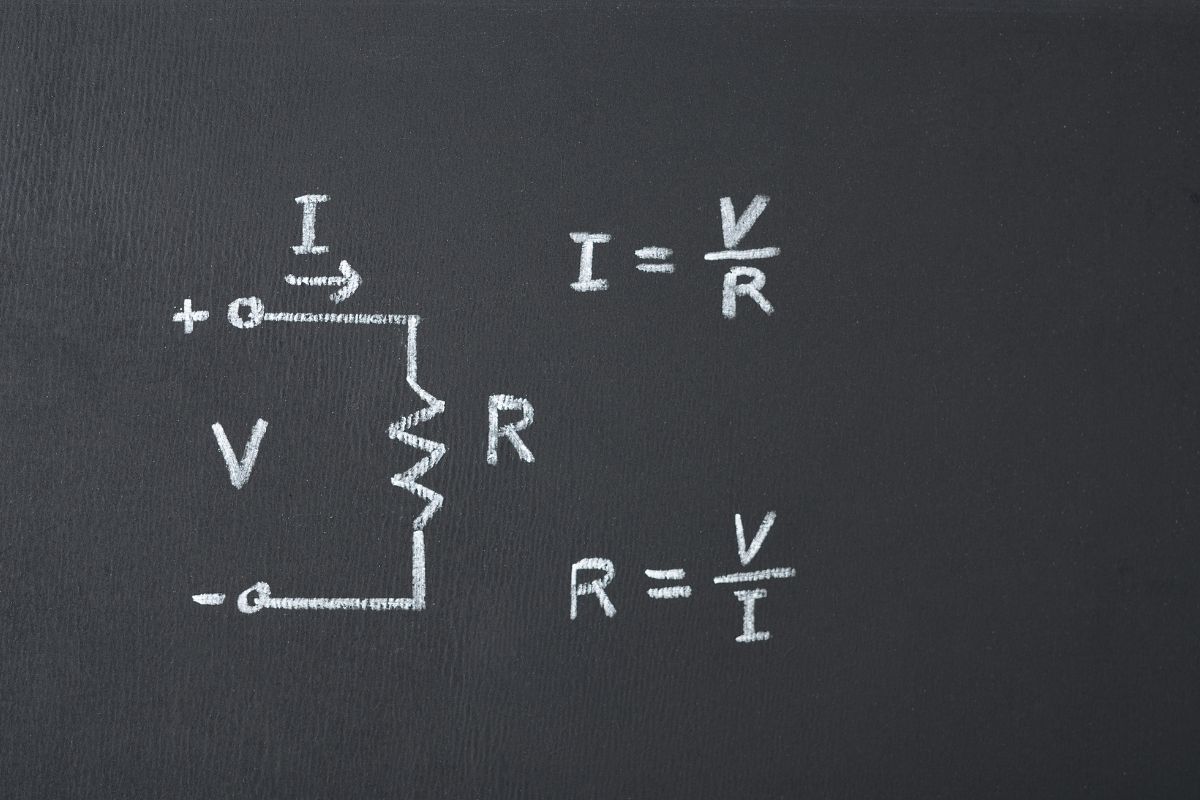 The One Rule That Unlocks Everything: Ohm’s Law
Memorize this and the rest clicks:
Ohm’s Law: V = I · R
Power: P = V · I = I² · R = V² / R
These short equations explain why a higher-wattage space heater warms a room faster, why thin cords get warm under heavy loads, and how to estimate if a circuit might be overloaded.
Everyday Examples (With Simple Math)
1) Classic Light Bulb
A bulb is rated 60 W for 120 V.
Current: I=P/V=60 W/120 V=0.5 AI = P / V = 60\,W / 120\,V = 0.5\,A.
So that bulb draws about half an amp on a 120-volt circuit.
2) Phone Charger vs. “Fast” Charger
Standard: 5 V · 1 A = 5 W
Faster: 5 V · 2 A = 10 W
The 10 W unit pushes twice the power, so it can charge faster (when the phone supports it) without increasing voltage—by allowing more current.
3) Small Space Heater
 3) Small Space Heater
A heater labeled 1500 W @ 120 V draws:
Current: I=1500 W/120 V=12.5 AI = 1500\,W / 120\,V = 12.5\,A.
On a 15 A household circuit, that’s most of the capacity. Add a vacuum or hair dryer on the same circuit, and you could trip the breaker.
4) Why Cable Thickness Matters
Suppose a long, thin extension cord has higher resistance (R). For the same current, P = I²R says that more power becomes heat in the cord, potentially causing it to warm up.
Using a thicker (lower-R) cable helps keep cords cooler and reduces voltage drop at the tool end.
How This Helps You at Home
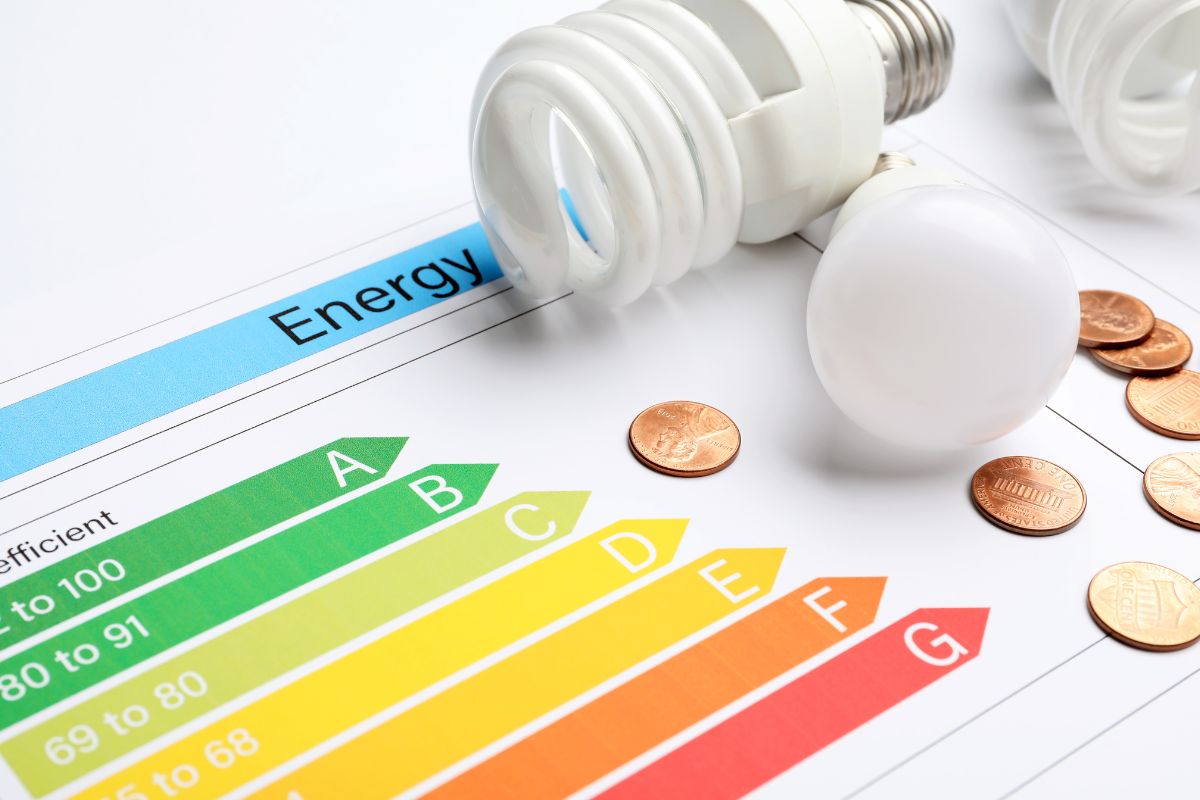 How This Helps You at Home
Read Nameplates With Confidence
Product labels often show voltage and current or wattage. If you see 120 V, 10 A, then P = 120 × 10 = 1200 W. That’s 1.2 kW—useful for judging how many devices your circuit can handle.
Don’t Overload a Circuit
Many home circuits are 15 A (some are 20 A). If you stack devices that together exceed that current, the breaker should trip.
Quick estimate: Total watts ÷ circuit volts ≈ amps. Keep the total under the breaker rating.
Pick the Right Extension Cord
Long run to the backyard? Choose a heavier-gauge cord to reduce resistance (and heat). Lower resistance means less voltage drop, better tool performance, and safer operation.
Match Devices to Voltage
 Match Devices to Voltage
Use appliances at their rated voltage only. A device marked for 230 V is not meant for a 120 V outlet without a proper transformer, and vice versa.
A Handy One-Minute Cheat Sheet
V (volts): electrical pressure.
I (amps): flow of electric charge.
R (ohms): resistance to the flow.
P (watts): rate of energy use (power).
Laws you need: V = I · R and P = V · I.
Also useful: P = I² · R, P = V² / R.
Rules of thumb:
Higher volts → stronger push.
Higher ohms → less current for the same volts.
Higher watts → more power (faster energy use).
Cable thickness and length matter: less resistance = cooler, safer, steadier voltage.
Home Safety—Short, Practical, Essential
 Home Safety—Short, Practical, Essential
Avoid daisy-chaining power strips and check the amp rating before loading them up.
Keep high-wattage devices (heaters, hair dryers) on separate circuits when possible.
Use the right gauge extension cord for long runs or heavy tools.
If a plug, cord, or strip feels unusually warm, unplug and reassess the load.
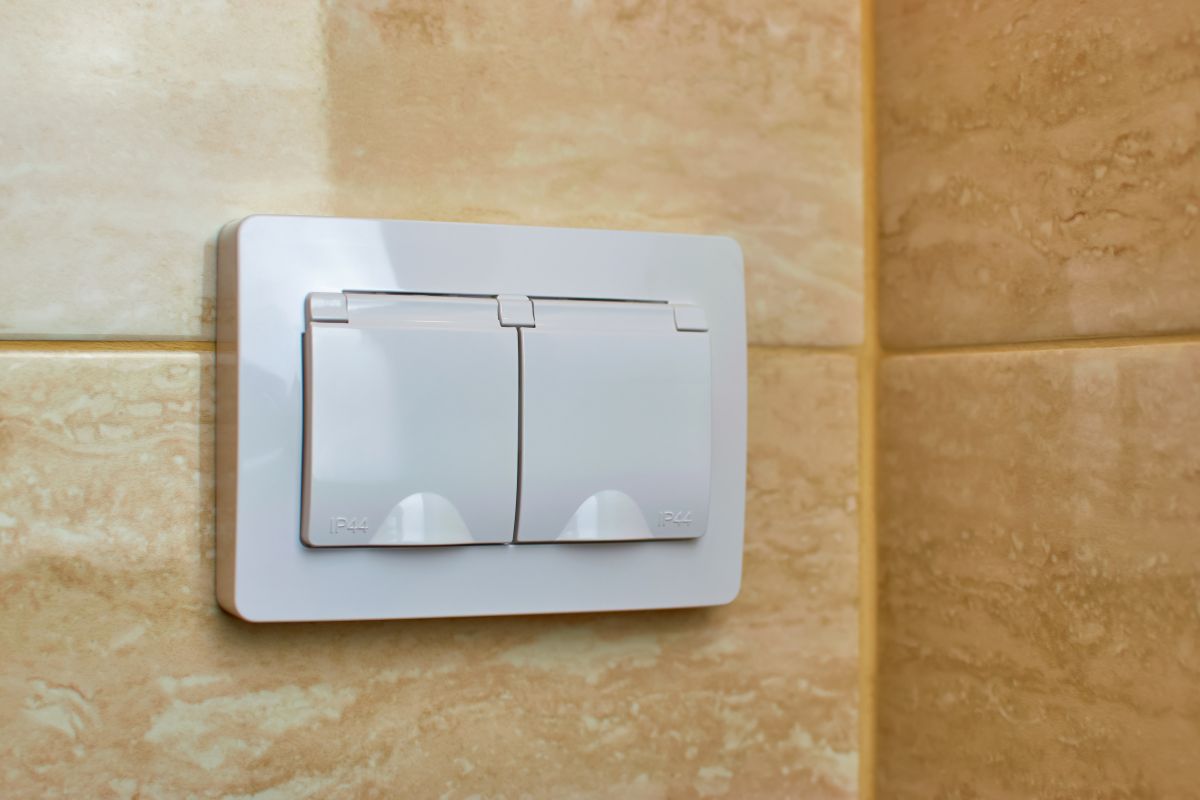
Bathrooms and outdoor outlets should be protected by GFCI devices as required by local codes.
Flip the Switch With Confidence: Power Made Simple
Once you know that volts push, amps flow, ohms resist, and watts measure how fast energy is used, the rest is just plug-and-play with common sense.
Keep Ohm’s Law (V = I · R) and Power (P = V · I) in your back pocket, read labels like a pro, choose cords that fit the job, and you’ll make smarter, safer decisions every time you plug something in.
We hope you enjoy watching this video about Volts and Watts
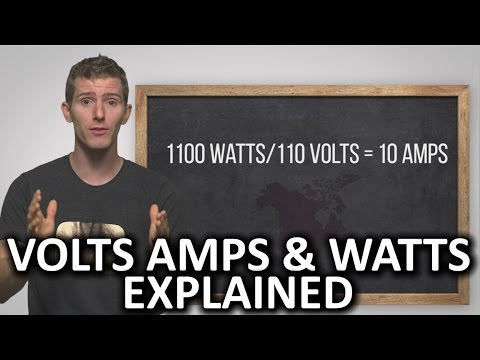
Source: Techquickie
Did you find this post useful or inspiring? Save THIS PIN to your HOME Board on Pinterest! 

Once again, thank you for visiting our website!
We hope you've enjoyed exploring the content we've created for you.
Give yourself the chance to learn, get inspired, and have even more fun, keep browsing...
More Home Tips 👇🏼👇🏼