
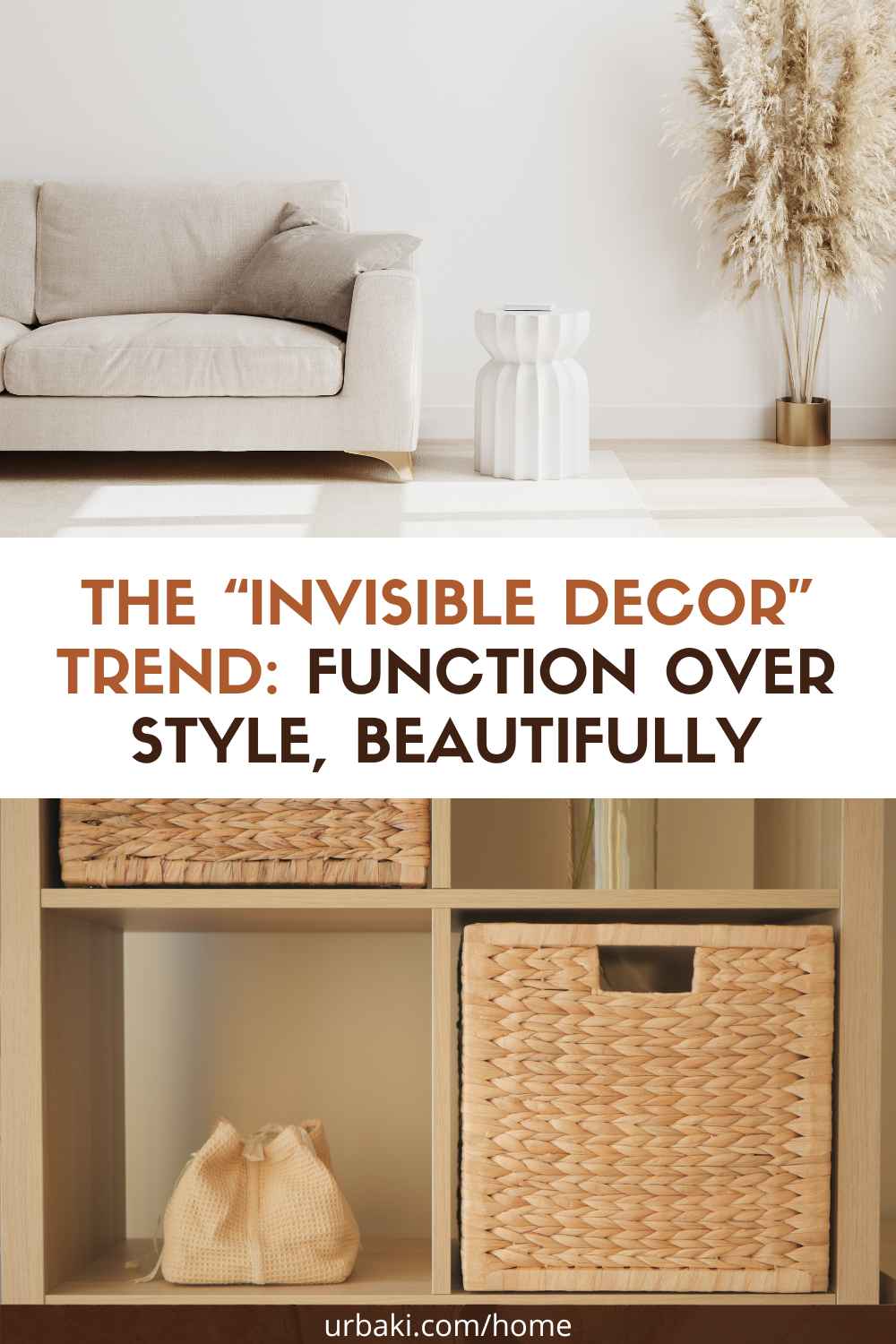
The “Invisible Decor” Trend: Function Over Style, Beautifully


In the world of interior design, trends constantly evolve, with some disappearing as quickly as they arrive. However, others leave a lasting impact, reshaping the way we think about decorating our spaces.
One such trend that is gaining momentum is the concept of "Invisible Decor." This idea focuses on blending functionality with minimalistic design, where the style isn't immediately obvious but is still beautifully integrated into the space.
Instead of being a focal point, these elements become seamlessly intertwined with their surroundings, offering both practicality and elegance without overtly drawing attention.
What Is Invisible Decor?
Invisible decor refers to design elements that serve a functional purpose but blend in so well with their environment that they don’t stand out.
It’s the art of making furniture, storage, and other necessary items appear as if they’re part of the architecture or the natural flow of the room.
The trend prioritizes clean lines, subtlety, and multi-functional items that maintain a high level of elegance without overwhelming the space. It’s about finding beauty in the unnoticed, where the space feels intentional yet effortless.
The Importance of Functionality
At the heart of invisible decor is functionality. Gone are the days when style meant sacrificing practicality. Now, homeowners are searching for solutions that not only look great but also serve a real purpose.
Functionality doesn’t have to be boring or utilitarian; it can still be beautiful when designed thoughtfully. For instance, hidden storage solutions such as built-in shelves or cleverly disguised cabinets allow for a clutter-free home.

This idea is especially appealing in smaller spaces where every inch of space counts.
With the rise of minimalism and decluttering, invisible decor helps create a harmonious living environment where everything has its place, and there’s no need to sacrifice beauty for function. It’s a practical approach that still allows for the room to feel open, airy, and organized.
Invisible Decor in Furniture
One of the most significant ways invisible decor manifests is in furniture design. Sleek, simple pieces with hidden compartments are becoming increasingly popular.
For example, couches with hidden storage or coffee tables that double as desks or workstations can transform a room without adding bulk or visual clutter. Furniture that “disappears” into the background can also make the room feel larger and more expansive.
Modular and multifunctional furniture is another key aspect of invisible decor.
Items such as foldable dining tables, retractable desks, or couches that can easily transform into beds not only maximize space but also serve multiple purposes, making them ideal for small living areas.
The Role of Color and Texture
While invisible decor might seem minimalist, it doesn't necessarily mean bland. One of the core principles is subtlety, and color plays a huge role in achieving this.
Neutral tones, such as whites, grays, and beiges, dominate invisible decor because they blend easily into any space. However, this doesn’t mean your room has to look dull.

Texture becomes key in this trend. Velvet cushions, linen curtains, and soft wool rugs offer tactile contrast, giving the room depth without relying on bold colors or patterns. The goal is to create an inviting, comfortable atmosphere that feels effortlessly put together.
Layering textures is a great way to add warmth and personality to the space while still maintaining the “invisible” aesthetic.
It’s the fine balance of using natural materials, like wood, stone, or metal, in ways that complement the overall design without drawing attention to themselves.
Hidden Lighting for Subtle Ambiance
Lighting is another critical element in invisible decor. The trend favors hidden lighting fixtures that provide ambient light without visible sources.
Think recessed lighting, hidden LED strips under cabinets, or floor lamps that tuck into the corner, barely noticeable yet highly effective in creating atmosphere.
Invisible lighting can highlight certain features of the room, like artwork or architectural elements, while also making the entire space feel cozy and inviting.
By removing the need for bulky, prominent light fixtures, you can maintain a clean, sophisticated look without sacrificing functionality.
Invisible Decor for Small Spaces
Invisible decor is especially beneficial for those living in smaller spaces where every inch counts. Using functional design pieces that blend into the background can make a room feel larger and less cluttered.
For example, built-in storage or low-profile furniture helps avoid overcrowding the room with bulky pieces that would otherwise dominate the space.
In small apartments or homes, integrating furniture with architectural elements (like a window seat with storage or a desk that doubles as a partition) can allow for a smoother flow of movement and a better use of space.
Invisible decor makes it easier to hide everyday items, which creates a more peaceful, organized environment that feels open and airy.

Aesthetic and Versatility
While invisible decor is about functionality, it’s also about beauty. By embracing this trend, you are creating a space that reflects your personality in a subtle yet sophisticated way.
The beauty of invisible decor lies in its versatility. It can work in any style, from modern minimalism to more traditional and rustic settings.
Invisible decor elements, like storage solutions or hidden technology, allow you to maintain a clean, uncluttered look while still ensuring that your home is fully functional.
These pieces don’t take center stage, but they enhance the overall aesthetic of the room by allowing other elements, like art pieces or plants, to stand out.
Invisible Decor for Tech-Savvy Homes
Incorporating technology into a home can sometimes clash with the decor, but with invisible decor, tech elements can blend seamlessly into the space.
This can include built-in sound systems, concealed televisions, or smart thermostats that don’t disrupt the overall flow of the room.

With the increasing need for smart technology in our homes, invisible decor allows for a tech-savvy living space without sacrificing style. Imagine a television that lifts out of the cabinet or speakers that are hidden behind the wall—functional and beautiful at the same time.
The Beauty of Subtlety
The “Invisible Decor” trend is an exciting step toward more practical, stylish, and functional design choices. It’s a reminder that beauty doesn’t always have to be loud; sometimes, the most beautiful designs are the ones that are quietly integrated into their surroundings.
By embracing minimalism, multi-functionality, and subtle elegance, invisible decor offers a refreshing and harmonious approach to modern home design.
It’s an invitation to focus on the essentials, streamline your space, and create a home that feels both stylish and effortless.
Whether you’re dealing with a small apartment, a busy family home, or simply prefer a more minimalist approach, invisible decor allows you to create a space that’s both practical and stunning.
By prioritizing function and style in a seamless way, you can enjoy a beautiful, clutter-free environment that’s a joy to live in.
Did you find this post Useful or Inspiring? Save THIS PIN to your HOME Board on Pinterest!
More Home Tips 👇🏼👇🏼