
The Role of “Third Spaces” at Home (not work, not bedroom)

When we think about home, we usually focus on the spaces where we rest and work—our bedrooms and offices. However, there's a unique and essential part of the home that often goes overlooked: the "third space."
This term, popularized by sociologist Ray Oldenburg, refers to areas within the home that aren’t specifically tied to work or sleep, but rather serve as spaces for relaxation, socialization, and personal development. These spaces are vital for mental well-being, creativity, and connection.
In this article, we’ll explore the role of third spaces at home and why they are crucial for creating a balanced and fulfilling living environment.
What Exactly is a Third Space?
A third space is any area in your home that doesn’t fall into the categories of work or sleep. It’s neither your office nor your bedroom but serves as a neutral ground for various activities. These spaces encourage social interaction, hobbies, or relaxation, and often become places where individuals or families unwind after the workday.
Examples of third spaces include:
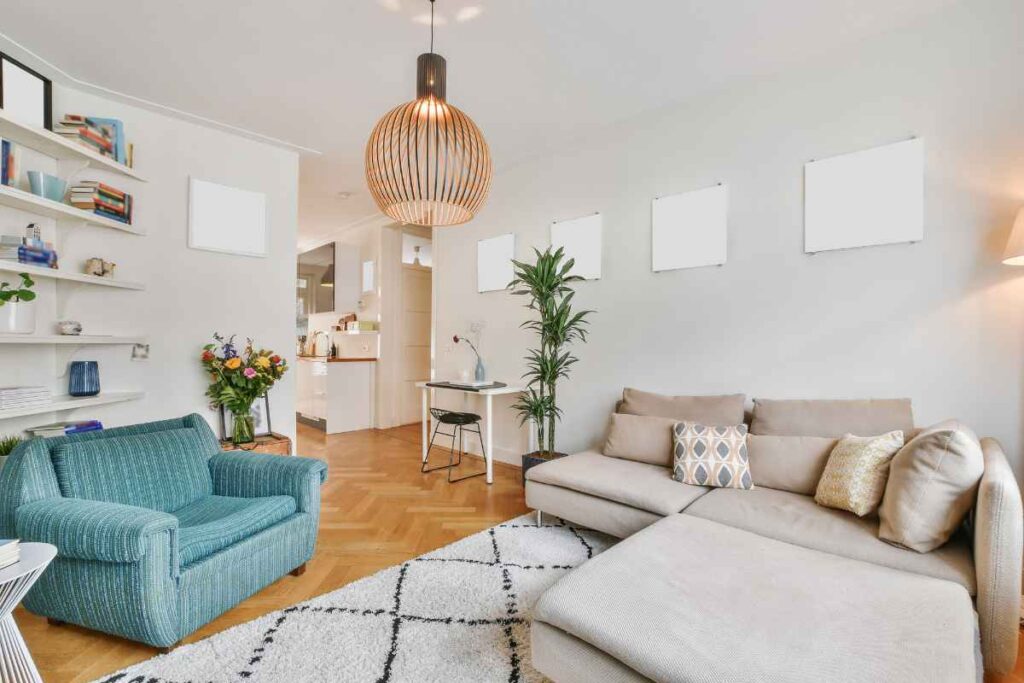
Living rooms: spaces designed for relaxation and entertainment.
Reading nooks: cozy spots where you can immerse yourself in a book or listen to music.
Kitchens and dining areas: these places can be used for family bonding over meals or preparing new recipes.
Outdoor spaces: gardens, patios, or balconies that provide a serene environment for spending time outdoors.
Hobby areas: such as crafting rooms, home gyms, or meditation zones where personal growth happens.
Why Third Spaces Matter
Third spaces are much more than just extra rooms or designated areas for specific activities. They serve as emotional sanctuaries, places that help us recharge and regenerate. Here are a few reasons why third spaces are important:
1. Creating Balance in Your Home Life
In today’s world, we often spend most of our time either working or sleeping, leaving little room for relaxation, creativity, or connection with others. Third spaces give us the opportunity to establish balance in our daily lives. Whether it's unwinding with a book in your cozy reading nook or engaging in a creative project, these spaces foster activities that are distinct from the pressures of work or the need for sleep. They help us refresh both physically and mentally, preventing burnout and improving overall well-being.
2. Strengthening Social Connections
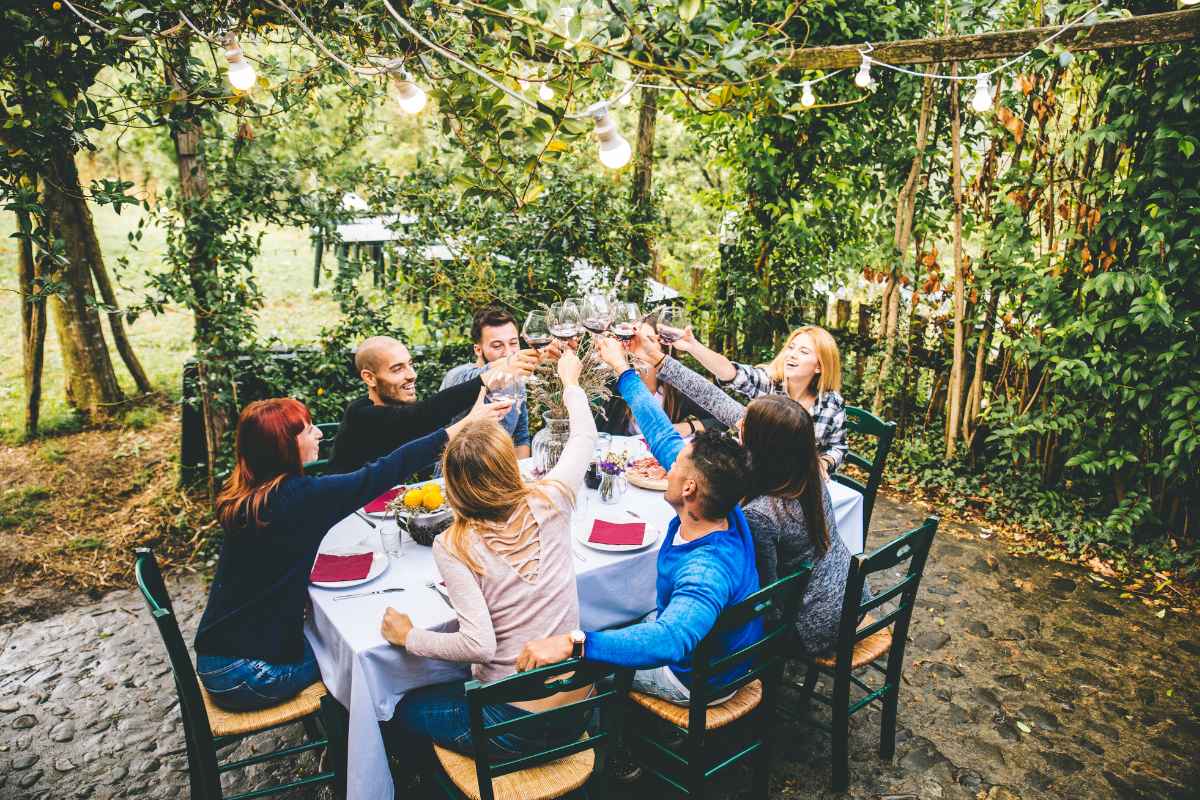
A third space can also function as a gathering point for family and friends. Unlike the workspace, which is typically more individualistic, or the bedroom, which is more private, a third space encourages shared experiences. For example, a living room or dining room may host gatherings, movie nights, or casual meals with loved ones. These spaces become vital for nurturing relationships, providing a space for conversation, bonding, and even celebrations. They are informal settings where social interactions happen naturally and freely.
3. Boosting Creativity and Productivity
A third space doesn’t just serve as a relaxation zone; it can also stimulate creativity. Many people find that stepping away from their desk or bedroom allows them to think more clearly and generate fresh ideas. Spaces designated for hobbies or personal interests, such as a crafting corner or an art studio, provide a dedicated area to pursue creative projects. These activities contribute not only to personal satisfaction but also to a sense of accomplishment, boosting overall productivity in other areas of life.
4. Offering a Break from the “Work-Home” Routine
For those who work remotely or have a busy schedule, the lines between work and home often blur. Having a designated third space provides a psychological barrier between work life and personal life. It offers a clear mental separation, helping you transition from "work mode" to "relaxation mode." After a long day of video calls or meetings, retreating to a third space can give you the mental space you need to unwind and disconnect from the stresses of your job.
How to Design Your Own Third Space
Designing an effective third space involves creating an environment that supports your specific needs and preferences. While the concept may differ from person to person, here are some tips on how to design your own ideal third space:
1. Prioritize Comfort
The most important aspect of any third space is comfort. Whether it's a reading nook with soft cushions or a cozy chair by the window, ensure that your third space feels inviting and relaxing. Add comfortable seating, soft lighting, and perhaps a few blankets or cushions to create a space where you can truly relax and disconnect from daily pressures.
2. Focus on Functionality
While comfort is key, functionality is equally important. Consider what activities you enjoy and tailor the space to those needs. If you love reading, a well-lit nook with shelves full of books would make for the perfect third space. If you enjoy hobbies like painting or crafting, dedicate an area with proper lighting and storage for materials. The goal is to create a space where you can engage in activities that recharge and inspire you.
3. Integrate Nature
Incorporating elements of nature into your third space can be incredibly beneficial for well-being. Plants, fresh flowers, and natural materials like wood and stone have been shown to improve mood and reduce stress. Whether you add a few potted plants to a corner or design an entire outdoor patio with greenery, natural elements can enhance the atmosphere of your third space and create a sense of tranquility.

4. Keep It Personal
Your third space should reflect your personality and tastes. Whether you prefer a minimalist style, a cozy bohemian vibe, or a modern aesthetic, personalize the space to make it feel like your own. Display meaningful objects like photos, art, or keepsakes that resonate with you. The more you personalize the space, the more it will feel like a sanctuary—a space where you can truly escape and recharge.
Common Examples of Third Spaces in the Home
Here are some common examples of third spaces that might inspire you to create your own:
The Cozy Living Room
The living room is perhaps the most common third space in a home. It serves as a multifunctional space where family members gather, entertain guests, or watch TV. It can be designed to feel relaxed and informal, with comfy seating, soft lighting, and plenty of cozy throw blankets.
Outdoor Retreats
An outdoor space like a garden, balcony, or patio can serve as a peaceful third space. These areas provide an opportunity to enjoy fresh air, bask in natural light, and experience a change of scenery. A hammock, a small table for tea, or a garden bench can transform your outdoor space into a calming sanctuary away from the indoor environment.
The Home Library or Reading Nook
For book lovers, a dedicated reading area is the perfect third space. A cozy chair, warm lighting, and shelves filled with books can turn a corner into a quiet retreat. This space not only encourages relaxation but also sparks creativity and personal growth.
The Meditation or Yoga Room
A space designed for mindfulness or physical well-being can act as a third space for personal reflection, relaxation, and rejuvenation. Simple décor, calming colors, and soft, comfortable surfaces create an environment conducive to yoga, meditation, or stretching.
Third Spaces as Essential for Well-being
Third spaces at home are far more than just extra rooms—they are integral to creating a balanced and healthy lifestyle.
These spaces foster personal growth, creativity, relaxation, and connection with loved ones, making them essential to our emotional and mental well-being.
Whether it's a cozy living room, a peaceful reading nook, or a vibrant outdoor garden, third spaces provide the necessary break from work and sleep, helping us recharge and lead a more fulfilling life.
Did you find this post Useful or Inspiring? Save THIS PIN to your HOME Board on Pinterest!
More Home Tips 👇🏼👇🏼