
This Is How To Do Scandinavian Interior Design


Scandinavian interior design is all about calm, functional beauty: clear lines, natural light, honest materials, and rooms that make everyday life easier.
In this guide, you’ll learn how to apply the style step by step—without turning your home into a showroom—so the result feels warm, livable, and wonderfully simple.
Scandinavian Interior Design Basics

Begin with a clean foundation. Pale, matte walls in white or soft greige bounce light around the room and let wood tones and textiles take the lead.
Floors are typically light oak or pine (or a laminate look-alike) to keep the palette airy. This neutral base makes it easier to swap accents as seasons change.
Next, edit. The style values function over excess, so every item should earn its space. Keep surfaces mostly clear, store small clutter in lidded baskets, and favor furniture with integrated storage.
The goal isn’t minimalism for its own sake; it’s to design a space where daily routines flow without friction.
Finally, layer natural textures. Wool throws, linen curtains, jute rugs, and ceramic or stone accessories add depth without visual noise.
A few organic shapes—vases, pebble-like stools, rounded lamps—soften the straight lines and make the room feel human and tactile.
Color, Light, and Warmth

Nordic homes combat long, dark winters with light on repeat. Use sheer window treatments, reflective paint finishes, and low-profile fixtures to distribute brightness evenly.
Add task lamps where you read, cook, and work; then finish with warm, dimmable accent lights to shift the mood after sunset.
Stick to a restrained palette: whites, grays, sand, and black accents. Wood adds warmth—don’t be afraid to combine light oak furniture with a darker walnut bowl or a black metal frame.
Greenery is key: a trailing pothos or an olive tree brings life to the quiet palette.
If you crave color, introduce it through art, cushions, or a single upholstered chair. Muted blues, forest green, rust, and dusty rose all play nicely with the neutrals and keep the scheme grounded.
Furniture and Layout That Work
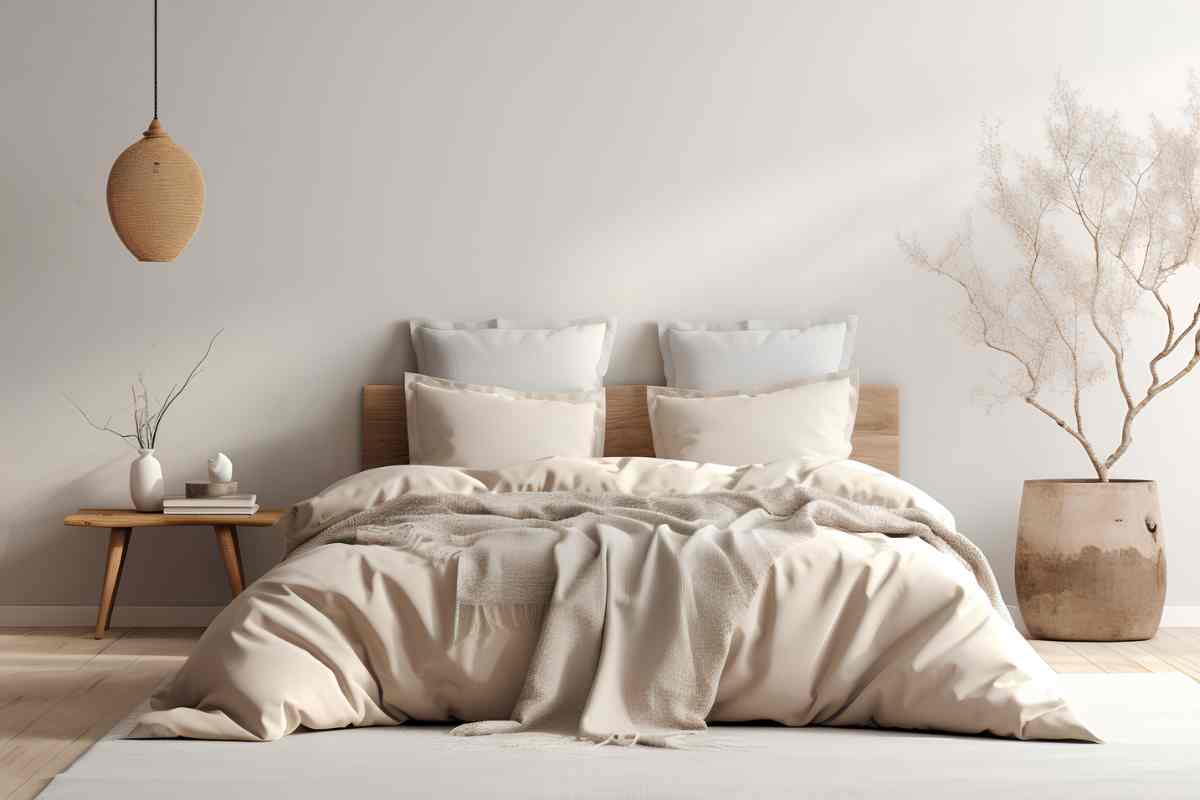
Choose pieces with clean silhouettes and comfort you can live in daily. A slim-armed sofa, wood coffee table with rounded corners, and a compact dining set are classic anchors. Avoid overly bulky items that block sight lines and shrink the perceived space.
Plan circulation first: leave 90 cm (≈36 in) walkways and group furniture for conversation. A rug—sized so front legs of chairs and sofa sit on it—unifies the seating zone. Wall-mounted shelves or peg rails keep floors clear and contribute to the airy feel.
Mix price points. Pair a timeless dining table with budget-friendly chairs, or vice versa. The style is about restraint and utility, not labels. Durable, easy-to-clean fabrics extend the life of what you buy.
Materials, Patterns, and the “Hygge” Layer

Natural materials carry the look: oiled wood, wool, linen, leather, stone, clay. If you choose synthetics, prioritize a matte finish and simple textures. Metals should be quiet—brushed steel, black, or brass in small doses.
Patterns are sparing: subtle stripes, checks, or small geometrics. Keep scale modest so the room stays calm. Balance crisp forms with tactile pieces—knit throws, ribbed glass, hand-thrown mugs—so the space invites slow moments.
For that hygge feeling, design mini-ritual zones: a reading nook with a floor lamp and blanket, or a breakfast corner with a bench, cushion, and warm wood tray. These details turn a beautiful room into a beloved one.
Room-by-Room Scandinavian Interior Design Ideas
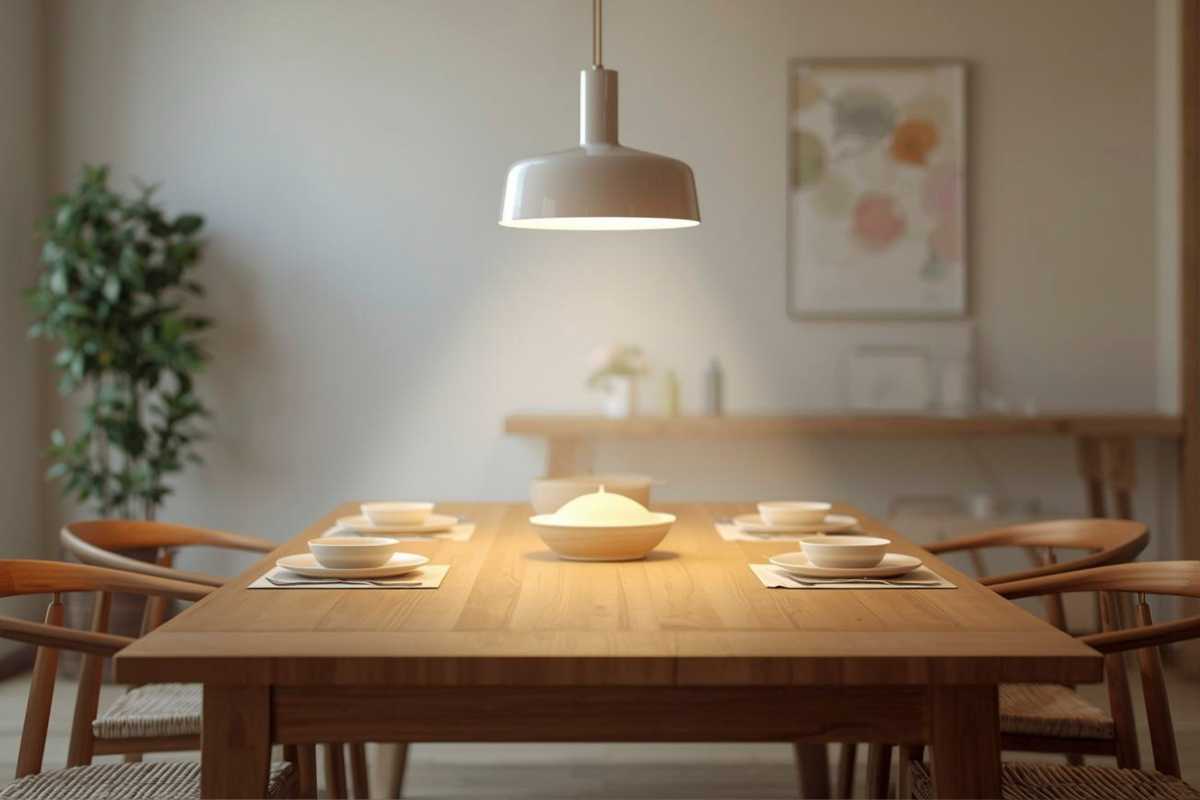
Living Room: Light sofa, layered rugs (flatweave plus sheepskin), and a simple gallery wall with generous white matting. Hide remotes and cords in a lidded box on the media console.
Kitchen: Flat-front cabinets, open shelves for everyday ceramics, and a single statement pendant. Choose wood cutting boards and linen towels to soften the hard surfaces.
Bedroom: Low platform bed, linen duvet, blackout curtains behind sheers, and two identical lamps for symmetry. Keep the nightstands clear except for a book and carafe.
Entry: Wall hooks, a shallow bench, and a tray for keys. A washable runner collects grit without stealing attention.
Common Mistakes (and Simple Fixes)

Too cold? Add warmth with layered textiles and wood. Even a single oak side table or walnut frame can shift the mood from stark to serene.
Looks flat? Combine three textures in any vignette—smooth ceramic, nubby linen, soft wood grain—to create depth without clutter.
Storage overwhelm? Use closed storage for messy items and open shelves for the beautiful, useful few. Editing monthly keeps the look effortless.
Inspiration and Personal Touch
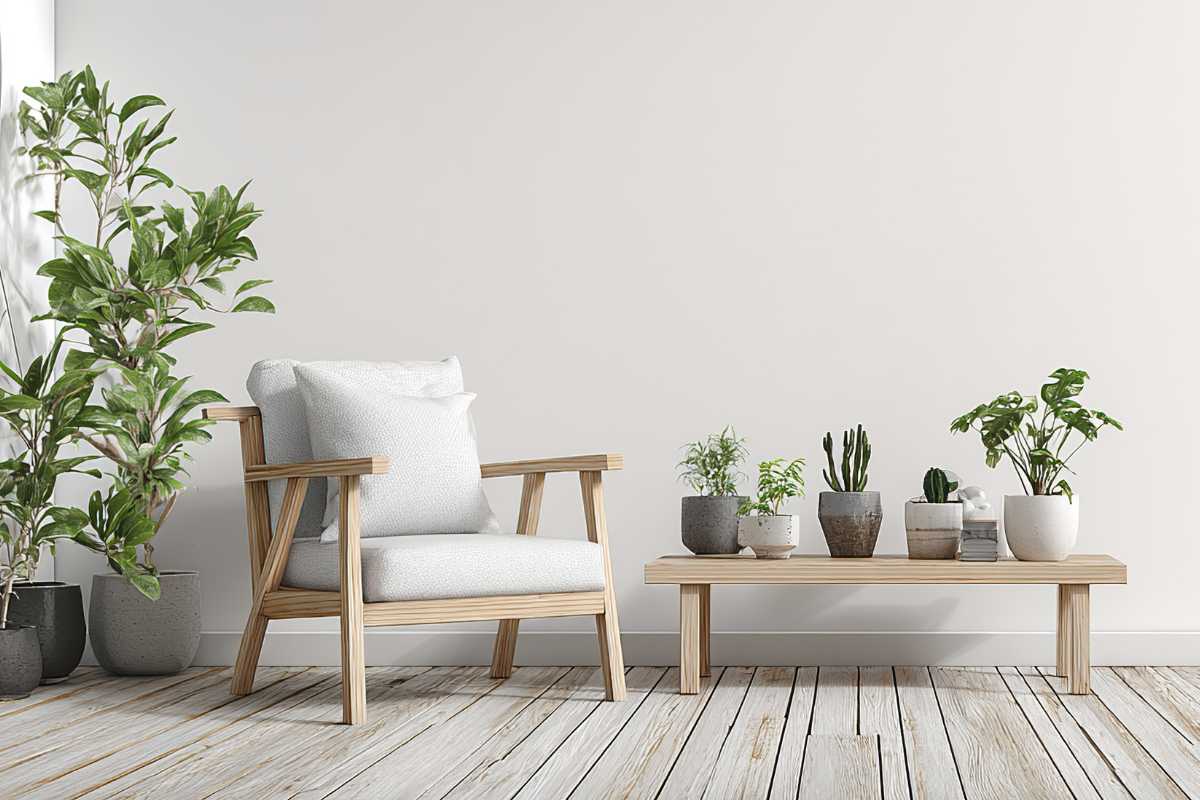
Collect references and identify patterns you love: a certain wood tone, lamp silhouette, or rug weave. A mood board clarifies choices and prevents impulse buys that fight your scheme. This is where scandinavian interior design inspiration becomes a practical shopping list.
Blend the aesthetic with your routines—coffee gear on a shallow shelf, a wall rail for everyday bags, a reading chair that truly fits your posture. The most successful homes express their owners with quiet confidence.
When searching online, you’ll see terms like “interior design scandinavian” and “scandinavian design interior.” They all point to the same core: light, function, and warmth. Use them to broaden your sources and find makers whose work resonates with you.
Scandinavian Style Interior Design: A Quick Checklist
Start with a light base, edit relentlessly, and layer natural textures. Choose comfortable, practical furniture with slender silhouettes, plan clear walking paths, and add warm, dimmable lighting for evenings.
Finish with a few artful accents and plants, keep maintenance simple, and refresh seasonally with textiles rather than big purchases. Small, consistent tweaks keep the look timeless and the home easy to love.
Enjoy this Video Tutorial

Source: Posh Pennies
More Home Tips 👇🏼👇🏼