
- Urbaki Home
- Decor
- Interior Decorating
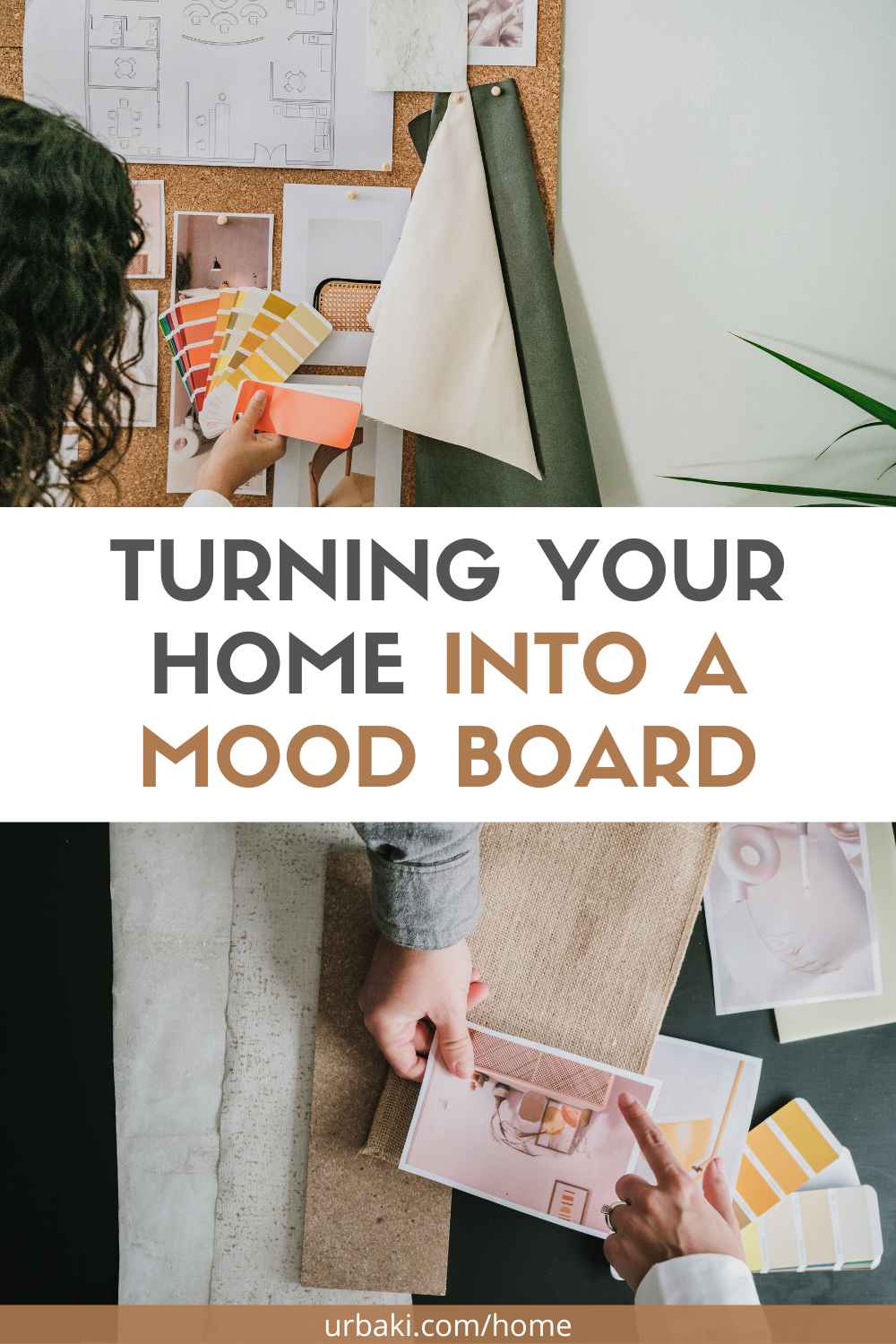
- Turning Your Home into a Mood Board
Turning Your Home into a Mood Board

01/07/2025 · Updated on: 09/02/2026

Your home is more than just a place to live—it reflects who you are, your personality, and your style. By transforming your living space into a mood board, you can create an environment that inspires and motivates you every day.
A mood board visually represents your ideas, aspirations, and emotions. It's a collage of images, colors, and textures that evoke a particular feeling or theme.
When applied to home decor, it helps curate a space that speaks to your tastes and reflects your vibe. Here's how you can turn your home into your personal mood board.
Understanding the Concept of a Mood Board
Before you dive into decorating, it's essential to understand what a mood board is and why it's effective. A mood board serves as a visual tool to organize and capture ideas for a specific project or feeling.
Whether you're starting a new design project or simply want to refresh the vibe of your home, a mood board can guide you in making design choices that feel harmonious.
Think of it as a visual compass that helps you stay on track with your style, ensuring everything in your home feels cohesive.
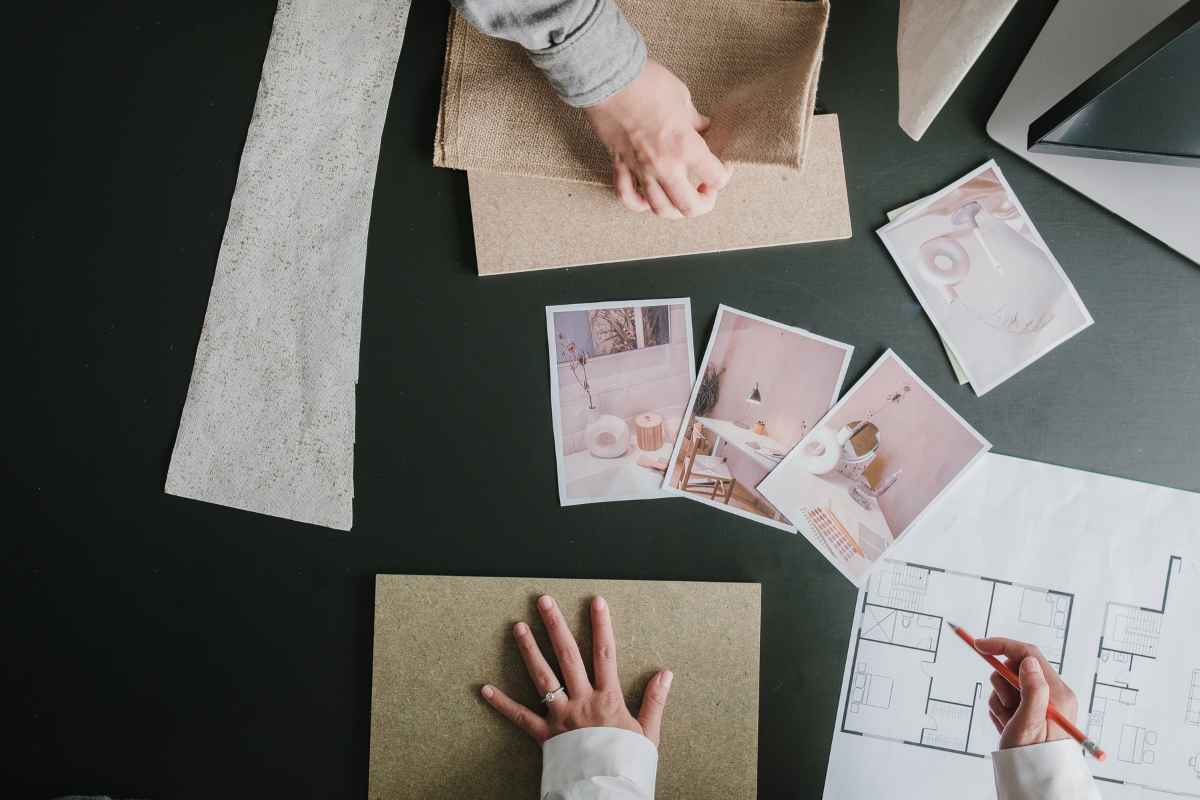
Start with a Vision
The first step in turning your home into a mood board is to define your vision. What do you want your space to feel like? Are you drawn to cozy neutrals and soft textures, or do you prefer bold, dramatic colors and sleek lines? It’s important to start with a clear idea of what you want to achieve.
If you’re not sure where to begin, try browsing through magazines, Pinterest, or even Instagram to gather ideas. Focus on the emotions you want the space to evoke—whether that’s calm, energy, or creativity.
Collect Inspiration
Once you have a vision in mind, start gathering inspirational images. These can be anything from magazine clippings to photos of spaces that resonate with you.
Don’t limit yourself to just interiors—art, fashion, nature, and photography can all inspire. Over time, you’ll start to see patterns emerge in the colors, textures, and themes that appeal to you. These patterns will serve as the foundation of your mood board.
Create Your Color Palette
Colors have a significant impact on the mood of a room. A well-chosen color palette can set the tone for your entire space. When curating a mood board for your home, choose colors that resonate with you emotionally.
For example, soft blues and greens may evoke feelings of serenity, while vibrant reds and oranges can add energy and warmth to a space.
To create a balanced color scheme, stick to two or three primary colors and use complementary shades or neutrals to ground the palette.
This will help keep your space from feeling too chaotic or overwhelming. Once you’ve narrowed down your color choices, incorporate them into your home in various ways, including walls, furniture, and decor accents.
Play with Textures and Materials
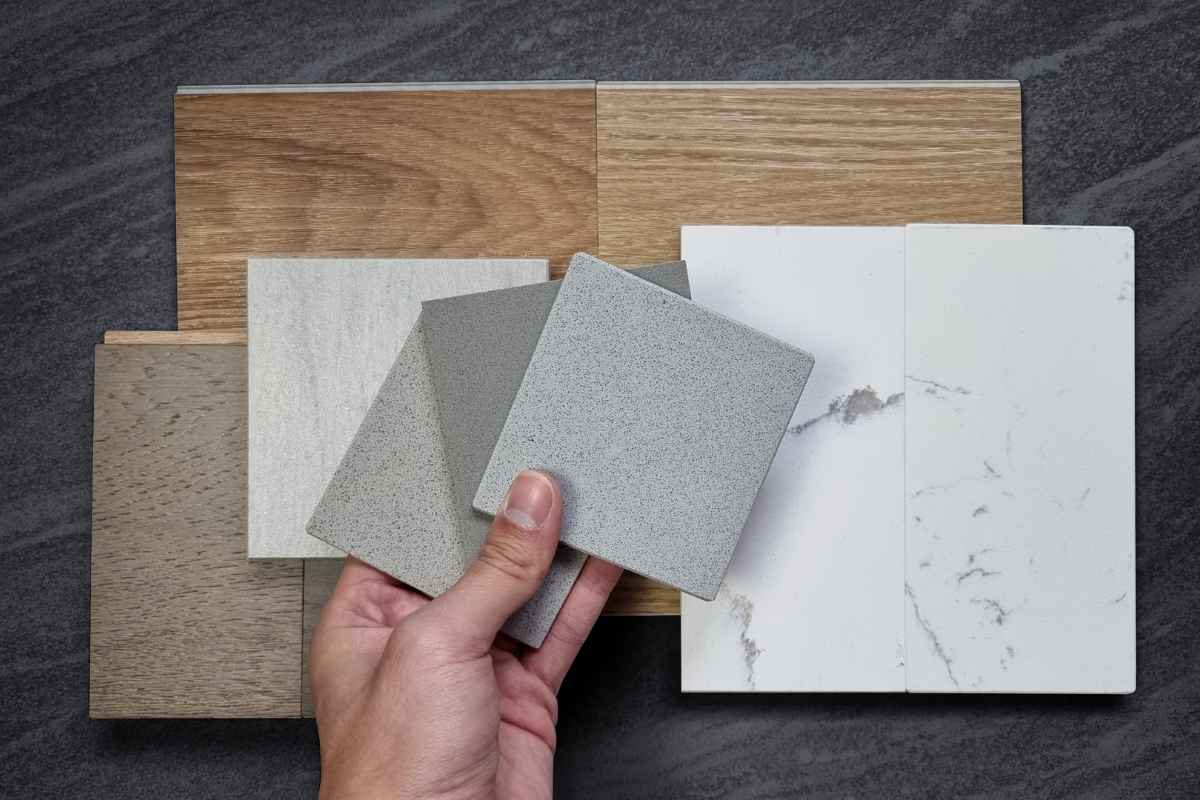
Texture plays a critical role in the atmosphere of a room. Different materials can create diverse feelings and add layers of depth to your home.
If you’re aiming for a cozy, inviting atmosphere, opt for soft fabrics like velvet, linen, and wool. For a more industrial or minimalist look, consider incorporating metal and wood elements.
Mixing and matching textures can also enhance the mood board effect in your home. For instance, pairing a smooth leather sofa with fluffy wool throws and woven rattan baskets creates a beautiful contrast that feels both modern and tactile. Layering textures helps bring a sense of richness and comfort to your space.
Incorporate Meaningful Decor
To truly make your home reflect your personality, incorporate decor items that hold personal meaning. These can be artworks, photographs, or family heirlooms. Items with sentimental value add a layer of authenticity to your space, making it feel even more connected to your story.
Consider displaying objects that tell a story, such as travel souvenirs, vintage finds, or handmade crafts. These pieces not only add character but also create conversation starters. Personalizing your home in this way is a great way to create a space that feels genuinely yours.
Curate Your Furniture
Your furniture choices should also align with the vibe you want to create in your home. If your mood board reflects a cozy, rustic aesthetic, opt for vintage wooden furniture and soft, upholstered seating.
If you prefer a modern, sleek look, consider choosing minimalist furniture with clean lines and functional designs.
Your furniture should serve both form and function, ensuring comfort while also complementing your chosen theme. Be mindful of how the furniture pieces fit together in the space. They should feel cohesive and support the overall atmosphere you're aiming for.
Embrace Art and Wall Decor
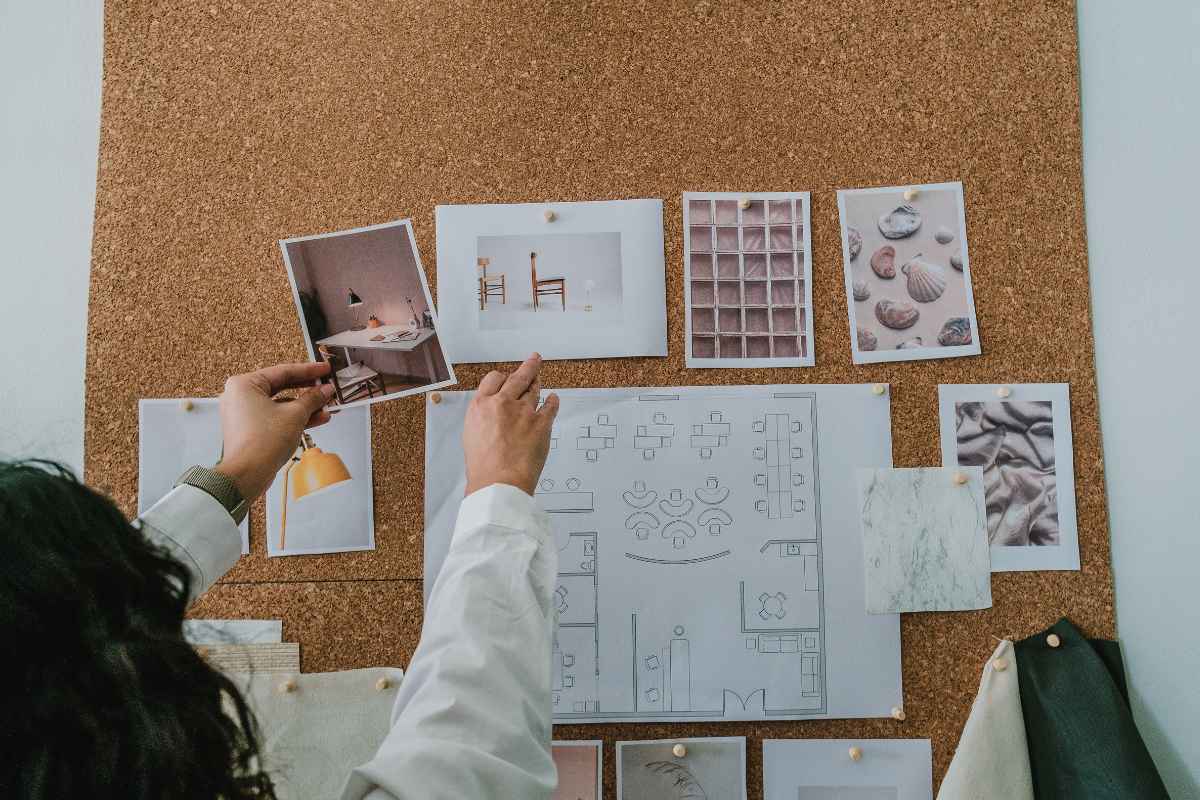
Art is a powerful way to add character to a room and enhance the mood board effect. Whether it’s a large abstract painting or a collection of photographs, wall art can tie your space together and give it a personal touch.
Choose pieces that not only reflect your style but also invoke the emotions you want your space to evoke.
In addition to traditional art, consider incorporating wallpapers, shelving units, or even textured wall panels that add depth and personality to your space. A well-placed piece of art can serve as a statement and draw attention to a specific area, becoming a focal point in the room.
Lighting: Set the Mood
Lighting is another critical element when creating your home’s mood board. The right lighting can completely change the atmosphere of a room.
For a cozy, relaxed feel, use soft, warm lights such as table lamps, floor lamps, or fairy lights. If you prefer a more energized vibe, bright overhead lights or task lighting may work better.
Consider using a mix of lighting sources—overhead lights, task lights, and ambient lighting—at different levels to create a balanced environment.
Light can also be used creatively to highlight specific areas or features in your space, enhancing the overall mood.
Curate the Final Look
After gathering inspiration, choosing your colors, textures, and decor, and curating your furniture, it’s time to bring everything together.
Take a step back and assess how the different elements in your space work together. Does the lighting complement the furniture? Does the color palette tie everything together? Does each piece in your home tell a part of your story?
It’s important to keep in mind that a home that mirrors a mood board doesn’t have to be perfect. Embrace the imperfections and let your personality shine through.
A home is an evolving project—just like a mood board, it can change over time as your tastes evolve.
Turning your home into a mood board allows you to create a space that’s a true reflection of your personality and style.
By carefully curating the elements of color, texture, decor, and furniture, you can design a home that’s not only functional but also inspiring. Let your home be a space that sparks creativity, comfort, and joy every time you step through the door.
The process may take time, but the result will be worth it—an environment that feels as unique and inspiring as you are.
Did you find this post Useful or Inspiring? Save THIS PIN to your HOME Board on Pinterest!
I’m Olivia, a firm believer that a happy home is built on the perfect balance of style and function. From DIY weekend projects and deep-cleaning hacks to finding the best decor trends on a budget, I love sharing practical ways to make your living space truly yours. My goal is to help you turn your house into a sanctuary, one organized corner at a time.
The potter's wheel is a machine used to mold round ceramic pieces. Occasionally referred to as a "potter's wheel," it’s actually a different mechanism used for a modeling process. While this tool is invaluable for pottery, what can you do when you don’t have one? You might be surprised to learn that with intermediate pottery skills, you can still create a variety of ceramic crafts. Today, we’re excited to show you how to make a basic ceramic mug without using a wheel. Crafting a Ceramic Mug by Hand This project will only require a few hours of work and about a week of drying time before you can fire the mug. (Keep in mind, if you’re in a humid environment, it may take a bit longer to dry.) Once dried and fired, you can decorate the mug to your personal taste. Not only does this allow you to create custom pottery for yourself, but these handmade mugs also make wonderful personalized gifts.
5 Budget Home Gym Setups For $100
Keys to Reach the Perfect Minimalistic Home Decor
More Home Tips 👇🏼👇🏼