
Types of Kitchen Track Lights


Thinking about track lights in kitchen spaces? Smart move. Track systems deliver flexible, focused illumination for prep zones, peninsulas, and open-plan layouts—without a full remodel.
Below you’ll find clear, practical guidance on types, layout rules, and style picks so you can choose the right Light For Kitchen tasks and ambiance.
Why Track Lighting Works So Well in Kitchens

Kitchens need layered light: bright for chopping, soft for dining, and directional for display shelves. Tracks make this easy because you can slide, rotate, and swap heads as your needs change—perfect when islands move or you refresh cabinetry.
They’re also renter- and reno-friendly. A single electrical junction can feed a long run, covering multiple zones without opening extra ceilings.
Compared with fixed cans, tracks offer more flexibility and less drywall disruption while still delivering crisp, clean Light In Kitchen work areas.
If you’ve been scrolling “track lights kitchen” inspiration, you’ve seen everything from sleek black rails over quartz islands to white, low-profile bars that disappear into the ceiling. The look ranges from minimal to industrial—your call.
Track System Types: The Rail That Holds It All

Linear (straight) track: The classic option for galley kitchens and long islands. Run it parallel to the counter to aim beams exactly where you prep and plate.
Monorail (curved or bendable): Great for L-shaped kitchens or to snake around a peninsula. The gentle curves soften lines and help you “steer” light around corners.
Low-profile bar track: Slim housings blend into white ceilings—ideal if you want the focus on tile and hardware rather than fixtures. This is a favorite in modern Kitchen Light Design Ideas.
Head/Fixture Types: What Creates the Beam

Spot/heads: Compact, highly adjustable, and the workhorse for task lighting. Aim them at the countertop edge for glare-free cutting and reading recipes.
Pendant adapters: Click a decorative pendant into the track above the island for sparkle and downlight. Mix 2–3 small pendants with two spots to balance looks and utility.
Wash heads: Wider beams for uniform light on open shelving, stone backsplashes, or art. These keep walls bright so the room feels bigger.
Planning Track Lights in Kitchen: Layout Basics
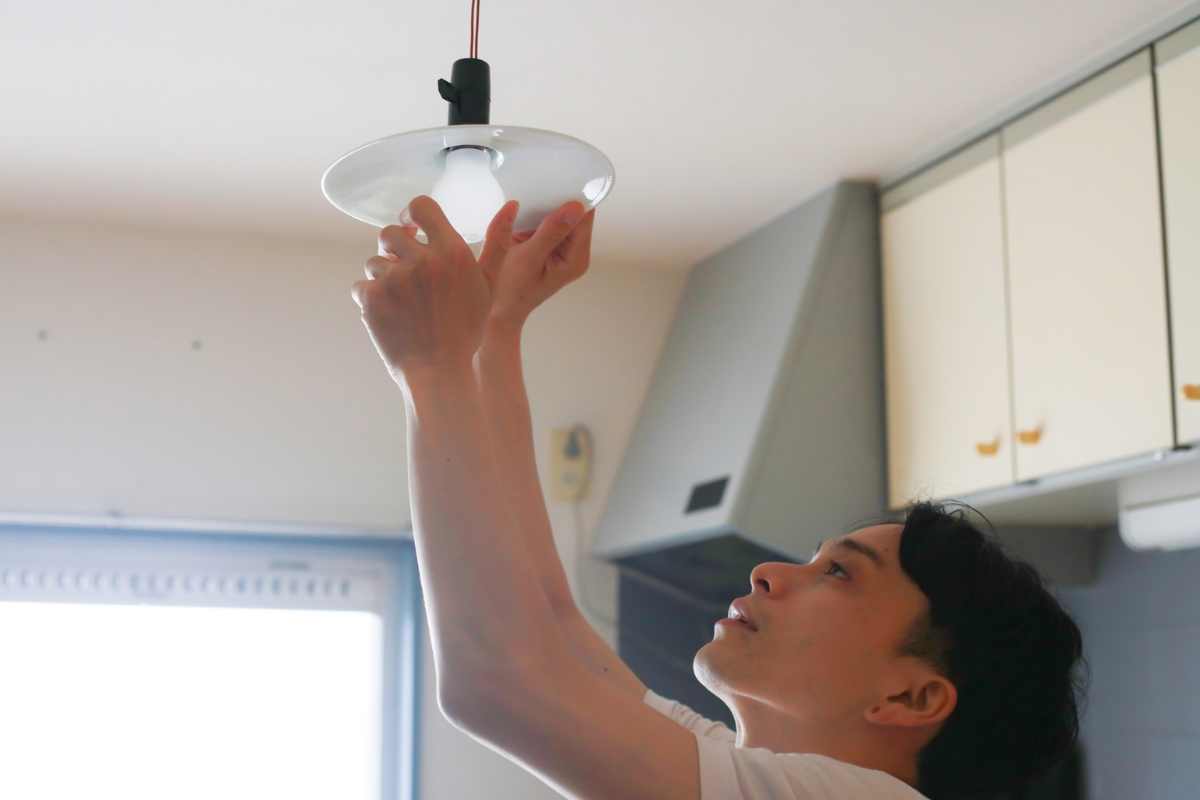
Spacing: Start with fixtures roughly every 60–90 cm (24–36 in) along the rail, then adjust by testing beams at night. Keep the first head ~30–45 cm (12–18 in) from the wall to create a pleasing scallop on vertical surfaces.
Aiming: For tasks, angle beams so they strike the counter’s front third—this lights the work zone without throwing shadows from your body. For displays, aim slightly past the item to avoid hot spots.
Height & glare: Standard 2.4–2.7 m (8–9 ft) ceilings work well with compact heads and 25–40° beams. If your ceiling is higher, choose narrower beams (15–25°) or add more heads.
Light Quality: Color, Brightness, and CRI
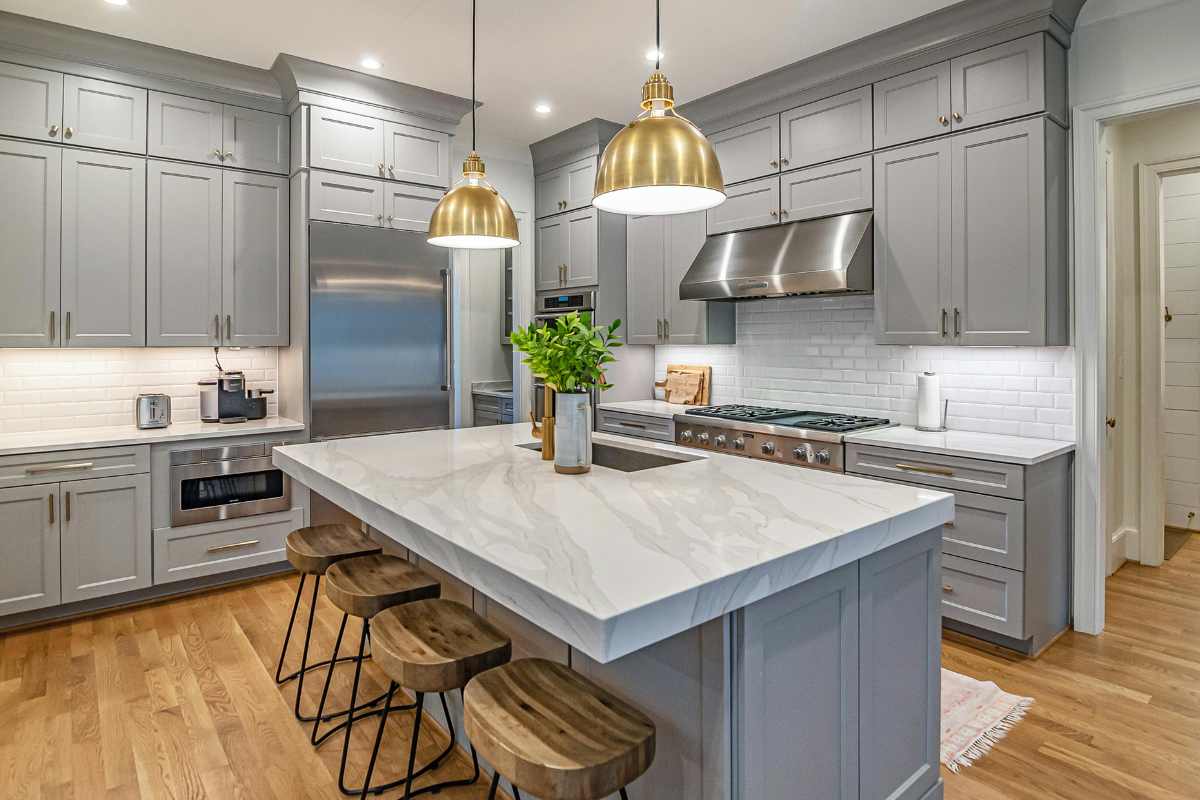
Color temperature (CCT): 2700–3000K feels cozy and is flattering to wood tones; 3000–3500K looks crisp on marble and stainless. Use warmer light over dining nooks and slightly cooler over hard-working prep areas.
CRI (color rendering index): Aim for 90+ so ingredients look true to life. High CRI improves knife work and plating—greens look green, not gray.
Brightness: For task beams, target 500–800 lumens per head; for wall-wash or accent, 300–500 lumens is usually enough.
LED, Dimming, and Controls
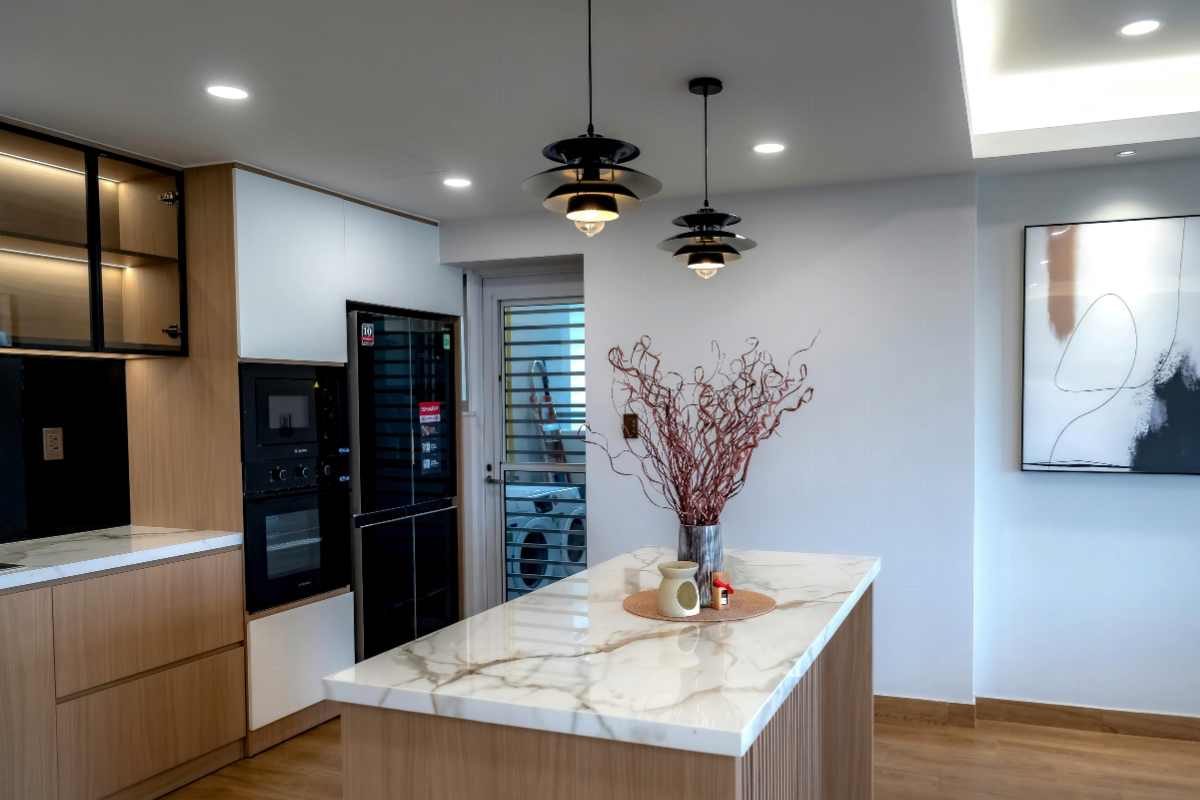
Choose integrated LED or LED PAR/MR lamps for efficiency and long life. LED heads run cooler, which matters under low ceilings and over cooktops. If your track uses replaceable lamps, buy the same model and CCT to keep the look consistent.
Use trailing-edge or ELV dimmers rated for your drivers/bulbs. Split the rail into two zones—prep and ambient—so you can crank up one while keeping the other cozy. Smart switches or connected lamps let you save scenes for “cook,” “clean,” and “late snack.”
These control strategies top the list of Track Lighting Ideas For Home, because they make lighting feel custom without complex wiring.
Style Playbook: Make It Match Your Kitchen
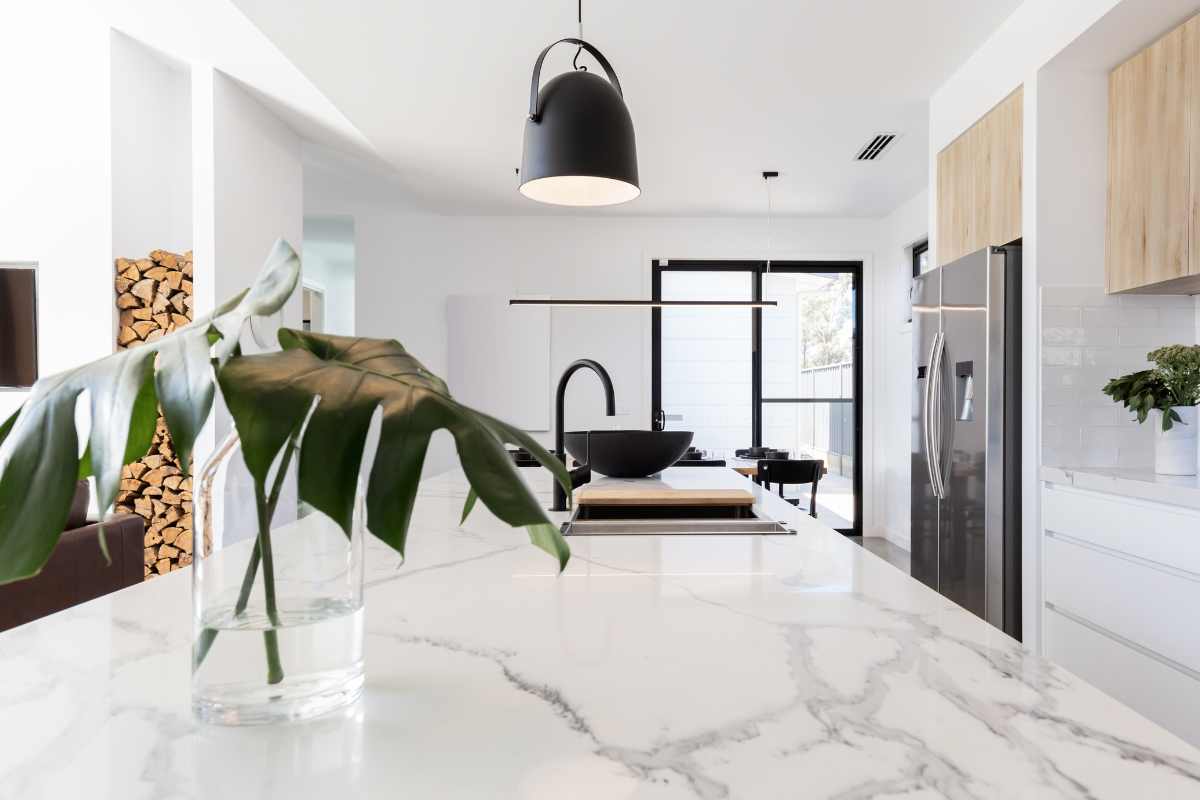
Minimal & modern: Matte black heads on a slim black rail over a pale island = graphic, gallery-like lines. Add two small glass pendants for sparkle.
Bright & airy: White rail + white heads disappear into painted ceilings. Use brass pendants on adapters for a subtle warm accent.
Industrial & cozy: Brushed nickel or gunmetal finishes pair with shaker cabinets and butcher block. Aim a couple of wash heads at the backsplash to pull texture forward—an instant, high-impact trick within Kitchen Light Design Ideas.
Small Kitchens: Big Results With a Short Rail

In studio apartments, a 1.2–1.8 m (4–6 ft) rail with three heads can illuminate sink, cooktop, and prep space at once. Keep beams tight to avoid spill onto upper cabinets, and dim to 20% after dinner for calm, flattering ambiance.
When ceilings are low, choose cylindrical micro-heads and 3000K light for a soft, welcoming tone. A single pendant adapter centered on the island or bistro table adds visual punctuation without clutter.
These compact setups are proof that track lights in kitchen spaces scale beautifully—no giant chandelier required.
Common Mistakes to Avoid
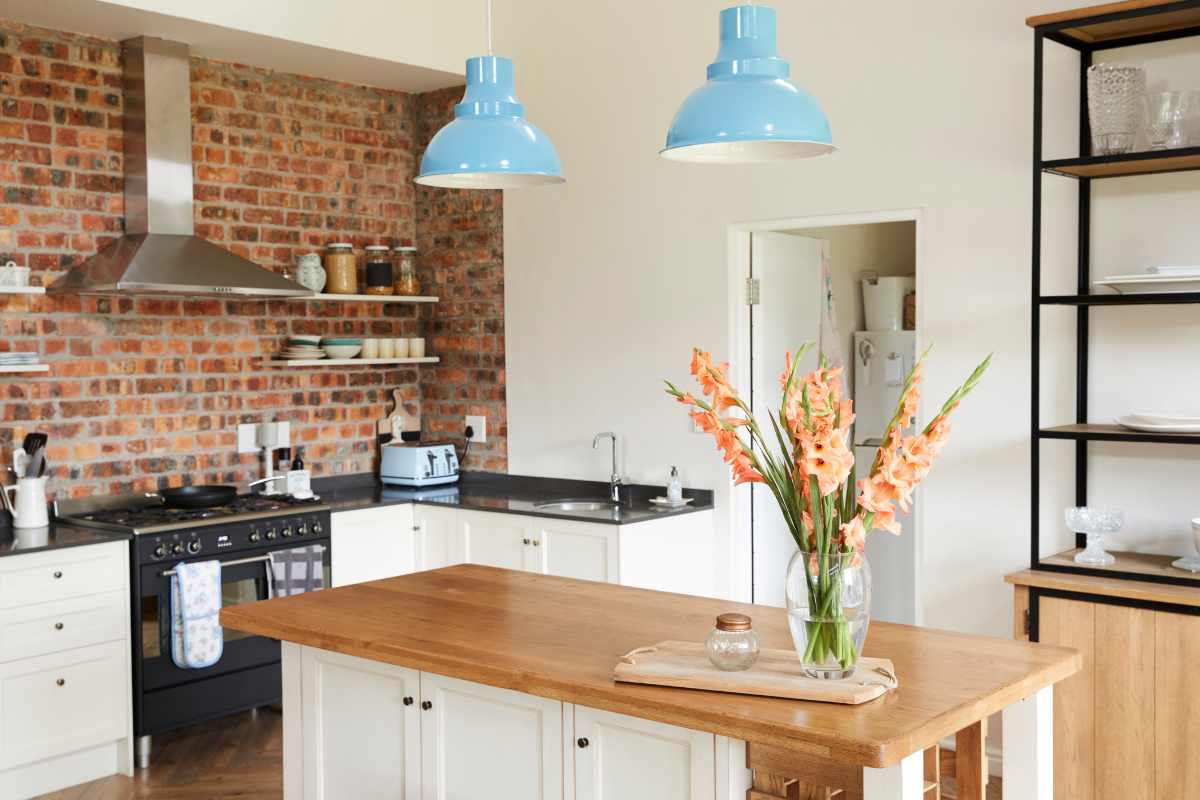
Too few heads: Long shadows and hot spots. Start with more fixtures at lower brightness; it’s easier to dim than to stretch a beam that’s too wide or far.
Mismatched bulbs: Mixing 2700K and 4000K makes surfaces look uneven. Buy lamps in sets and label the box with CCT and CRI so replacements match.
Glare bombs: Heads aimed at glossy counters can bounce light into eyes. Shift the aim to the front third of the counter or choose a softer beam spread.
Buying Guide: What to Look For
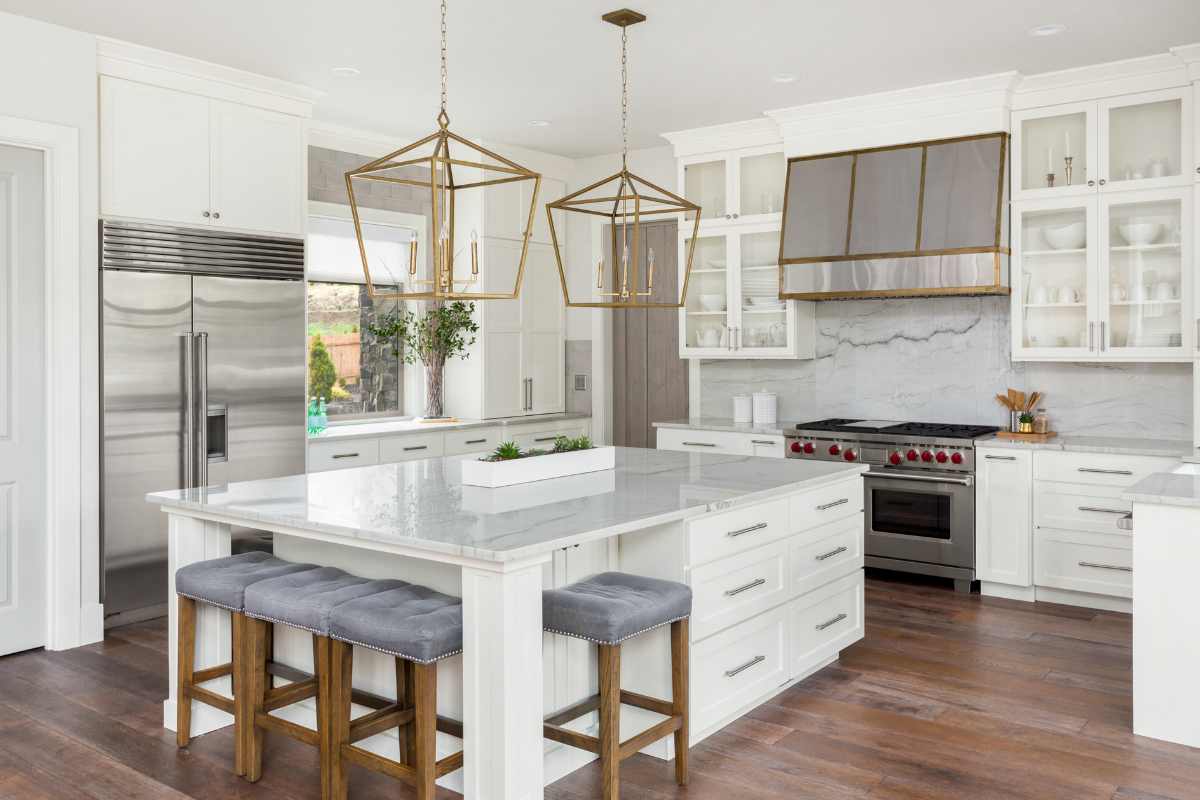
Compatibility: Stick to one system family so heads, rails, and adapters play nicely. Verify wattage limits per run and dimmer compatibility.
Adjustability: Look for 90° tilt and 350° rotation. Pendants on adapters should have adjustable cords or rods for perfect height over islands.
Finish & maintenance: Matte finishes hide fingerprints. Choose sealed LED heads in kitchens to simplify cleaning.
Putting It All Together
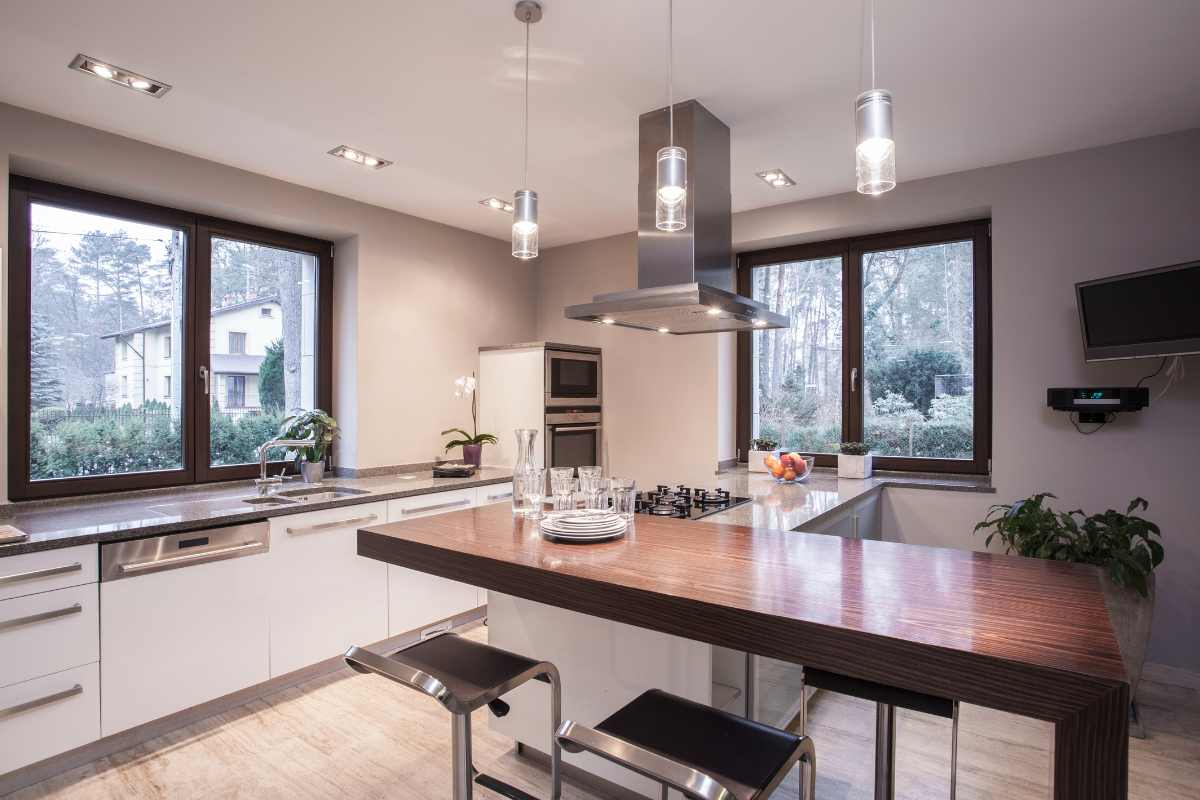
Start with a straight or monorail run where you work most, add two to four spot heads for tasks, and layer pendants for mood.
With the right choices, track lights in kitchen designs deliver professional results on a DIY-friendly budget—and they’re easy to tweak later.
Ready for more ideas? Explore our latest Track Lighting Ideas For Home and practical Kitchen Light Design Ideas to pick the perfect Light For Kitchen cooking, dining, and everyday life.
Browse more guides on Urbaki and build a plan that fits your style and space.
Enjoy Watching This Video

Source: This Old House
More Home Tips 👇🏼👇🏼