
3 Chic Upgrades for Wall-mounted Plant Decor

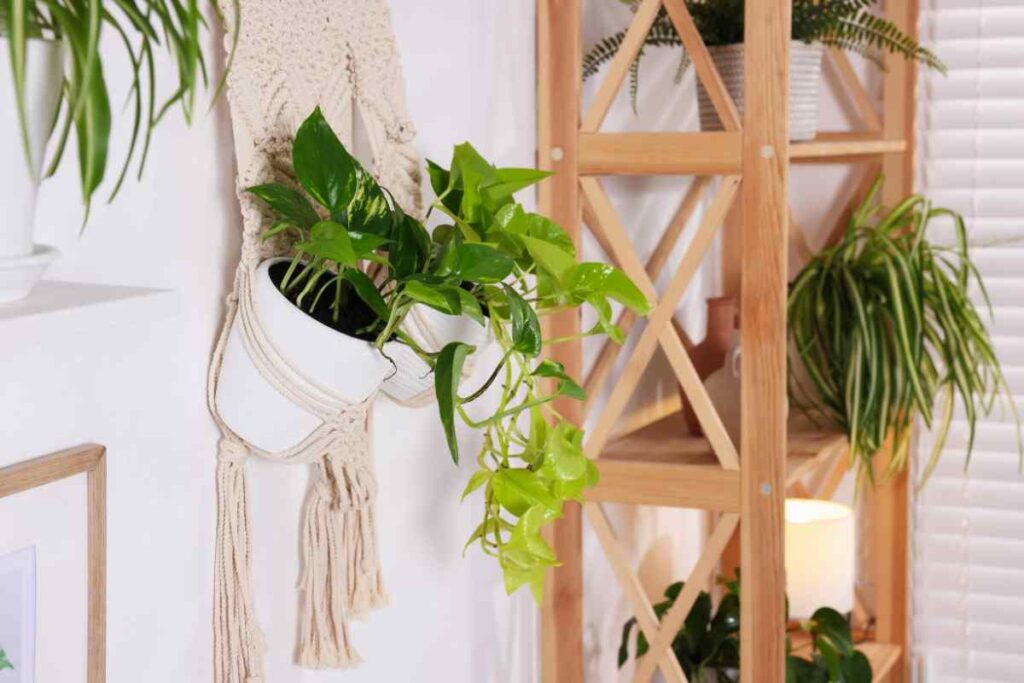
Wall-mounted plant decor instantly adds life, height, and texture to blank walls without stealing precious floor space. If you’re craving a little green but your apartment, rental, or small home feels tight, these ideas will help you build vertical vignettes that look curated—not cluttered.
Below you’ll find three practical tips you can use today, each with a short how-to so you can get results in an afternoon.
We’ll also show you how these ideas flex across styles—from a Hippie Kitchen full of color to a Vintage French Kitchen with timeless charm, an Old Cottage Kitchen with soulful patina, and even Minimalist Small Bathrooms where every inch matters.
Why Wall-mounted Plant Decor Works in Small Spaces
Plants naturally draw the eye upward, which makes rooms feel taller and airier. Vertical displays also keep traffic paths clear and protect delicate leaves from pets or busy countertops.
Whether you’re building a Hanging Flower Wall, trying a quick Diy Wall Planter Indoor project, or mixing trailing greenery with framed art, the wall becomes a living backdrop that softens hard surfaces and adds movement throughout the day.
Tip 1: Build a Simple Grid With Hanging Wall Planters
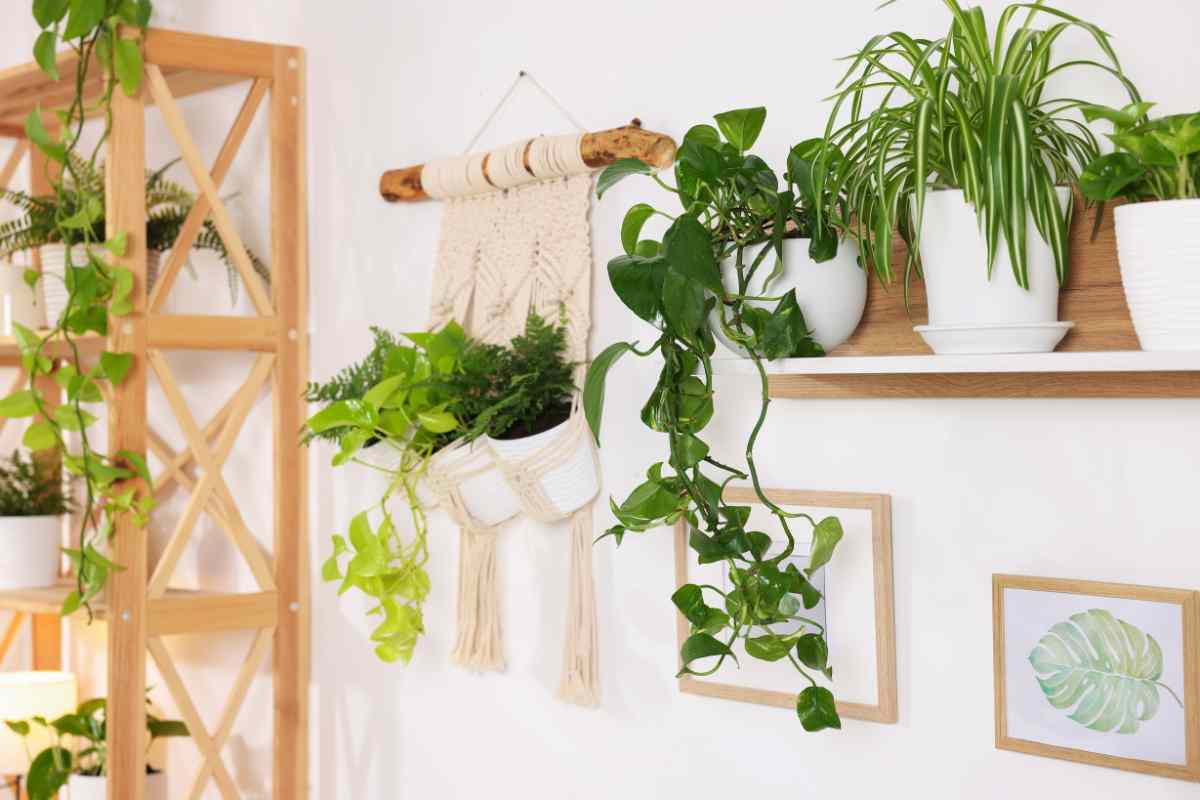
Grids are the easiest way to get a high-impact look with minimal guesswork. Choose 3–6 identical Hanging Wall Planters and arrange them in a clean rectangle.
Use painter’s tape to map the layout first; then mark your anchor points. A level and a tape measure are your best friends here—equal spacing instantly reads as “intentional.”
How to do it: For drywall, use appropriate anchors so each planter can handle damp soil. Pre-drill, install screws, then hang the planters and step back to check alignment.
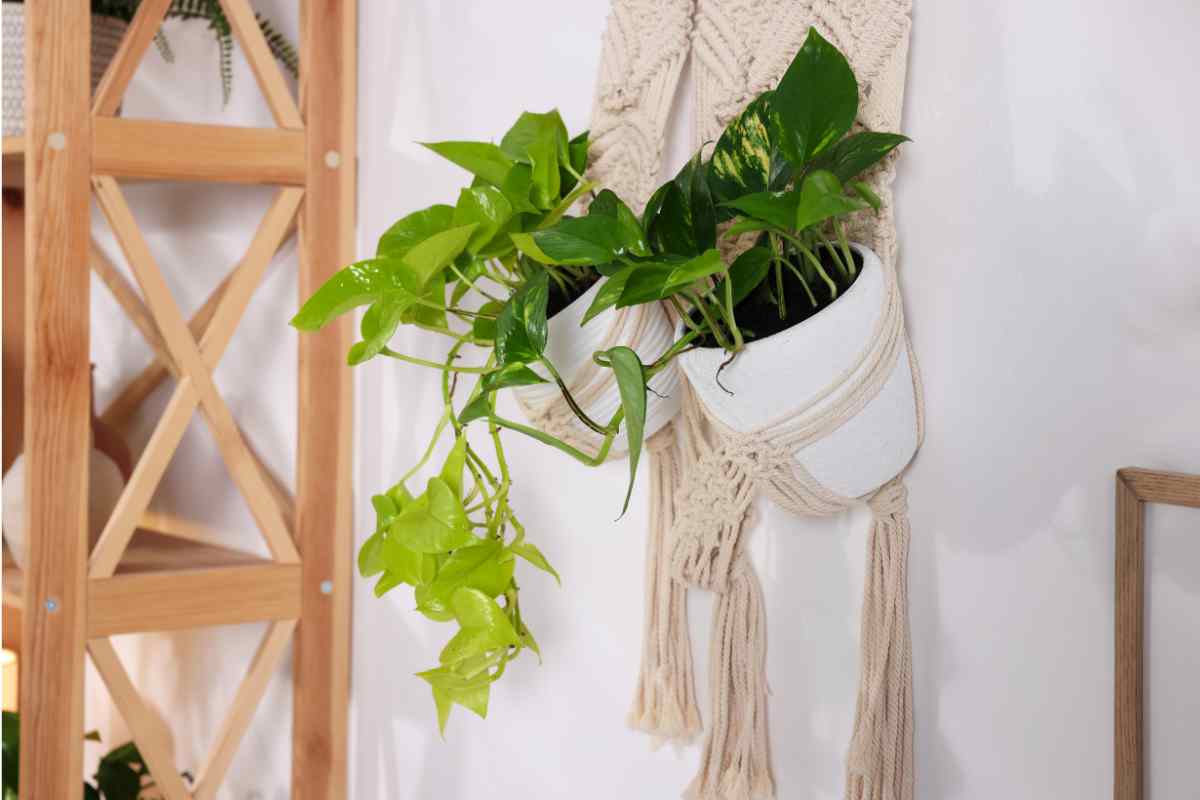
Start with easy, resilient plants like pothos, heart-leaf philodendron, or peperomia. Watering is simpler if you nest nursery pots inside decorative sleeves—slide them out to the sink, then return. This makes weekly care clean and quick.
Style it: In a Vintage French Kitchen, choose aged brass or matte black metal pots and pair with herbs (thyme, rosemary) for a café feel.
In a Hippie Kitchen, mix bright ceramic planters and trailing ivy for a playful, boho vibe. For Minimalist Small Bathrooms, pick slim white planters and a single species—like string of pearls—to keep the look calm and cohesive.
Tip 2: Create a Living Gallery Wall With Frames and Teacups
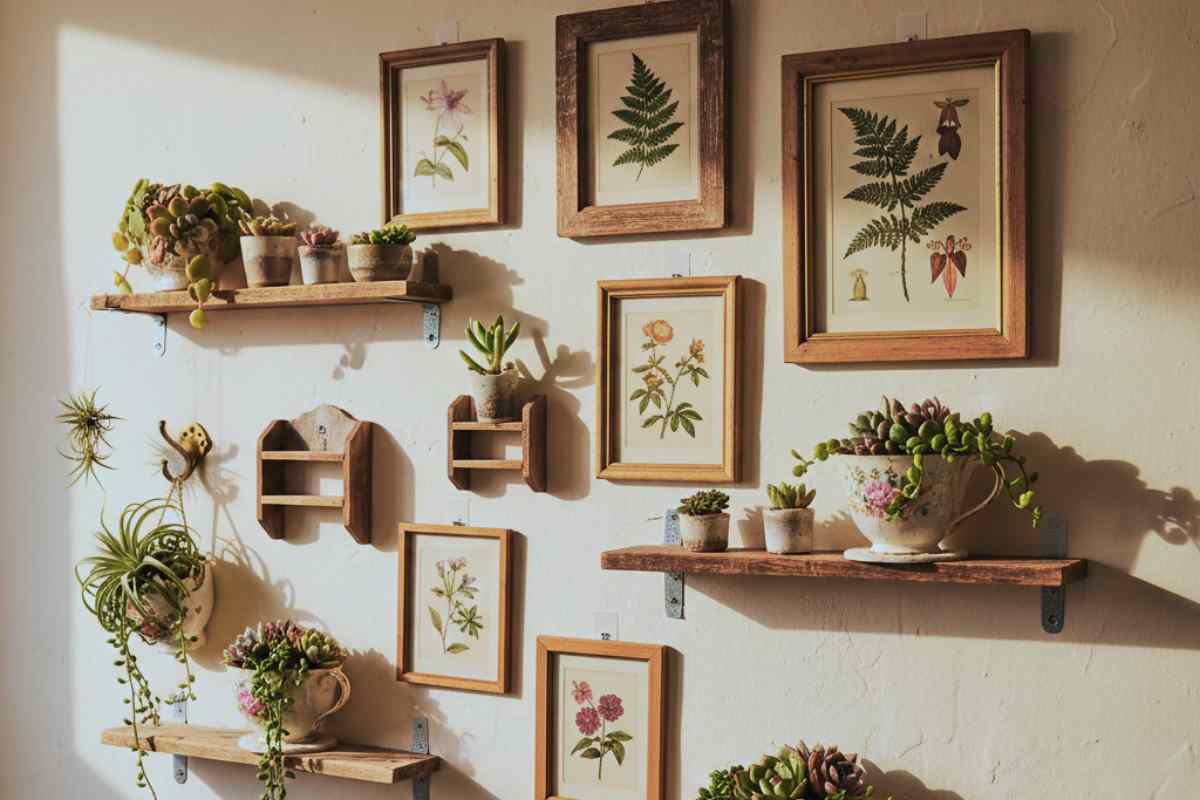
If you love eclectic charm, blend plants with art. Alternate framed prints and small planters to form a gallery that feels collected over time. Add quirky accents—mini shelves, hooks, even repurposed teacups—to make the composition feel personal.
How to do it: Mount two or three narrow ledge shelves. On the shelves, place petite planters and a couple of Teacup Gardens (succulents in thrifted cups look adorable). Between shelves, hang frames in mixed sizes. Keep a loose diagonal rhythm so the eye flows.
Use removable picture-hanging strips for frames and screw-in anchors for anything that holds soil or water. To avoid water spots, water succulents sparingly and place a felt pad under each cup.
Style it: For an Old Cottage Kitchen, embrace crackled glaze cups and botanical prints. In a city flat, swap teacups for matte stoneware and monochrome artwork for a gallery that feels refined. Pair with soft lighting so leaves cast gentle shadows at night—instant ambiance.
Tip 3: Grow a Soft “Natural Fence” Indoors With Climbers
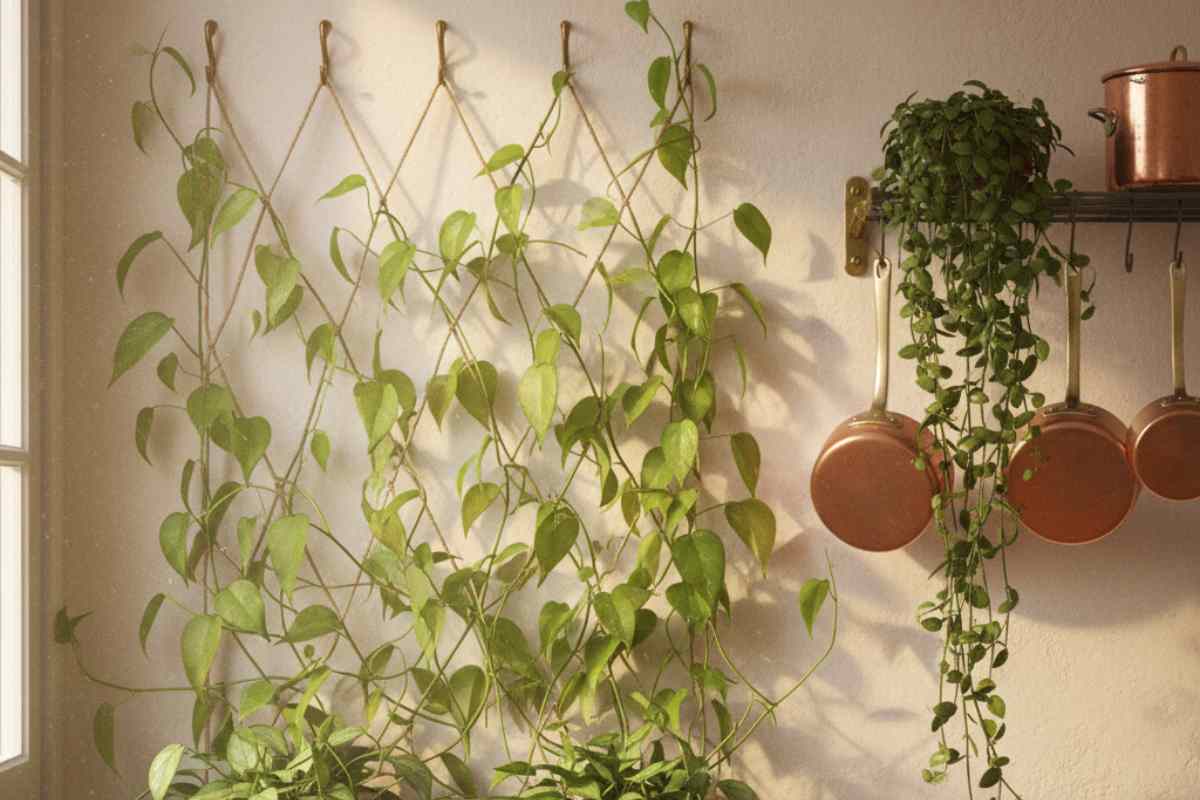
Trailing plants can act like a lightweight “room divider.” By training philodendron, pothos, or hoya along minimalist wall wires, you’ll get a soft, leafy screen that filters views without closing a space.
Think of it as a Natural Fence for interiors—perfect for blank hallways or to frame a reading nook.
How to do it: Install small screw-in hooks along a subtle zigzag path and string stainless micro-cable or jute twine. Place two or three trailing plants at the base in wall planters or slim shelves. As vines grow, guide them along the line with plant clips.
Prune tips lightly to encourage branching; the fuller the vine, the better the “fence” effect. Mist weekly if your air is dry.
Style it: Want a spa feel in Minimalist Small Bathrooms? Use polished chrome hardware that matches your fixtures. For a Hippie Kitchen, try macramé accents and warm-toned hooks. In a Vintage French Kitchen, select antique brass hooks and let delicate tendrils frame copper pans on an adjacent rail.
Where Wall-mounted Plant Decor Meets Curb Appeal
Vertical styling doesn’t stop at the door. Many of the same principles translate to porches and entryways. If you’re dreaming up Front Landscaping that supports pollinators and looks great year-round, consider edible perennials, espaliered fruit, or climbers on trellises.
For deeper ideas on integrating herbs, berries, and veggies into the front yard while keeping it design-forward, explore this guide: 5 Ways to Incorporate Edible Plants into Your Front Yard Landscaping
Plant Pairings by Room and Style
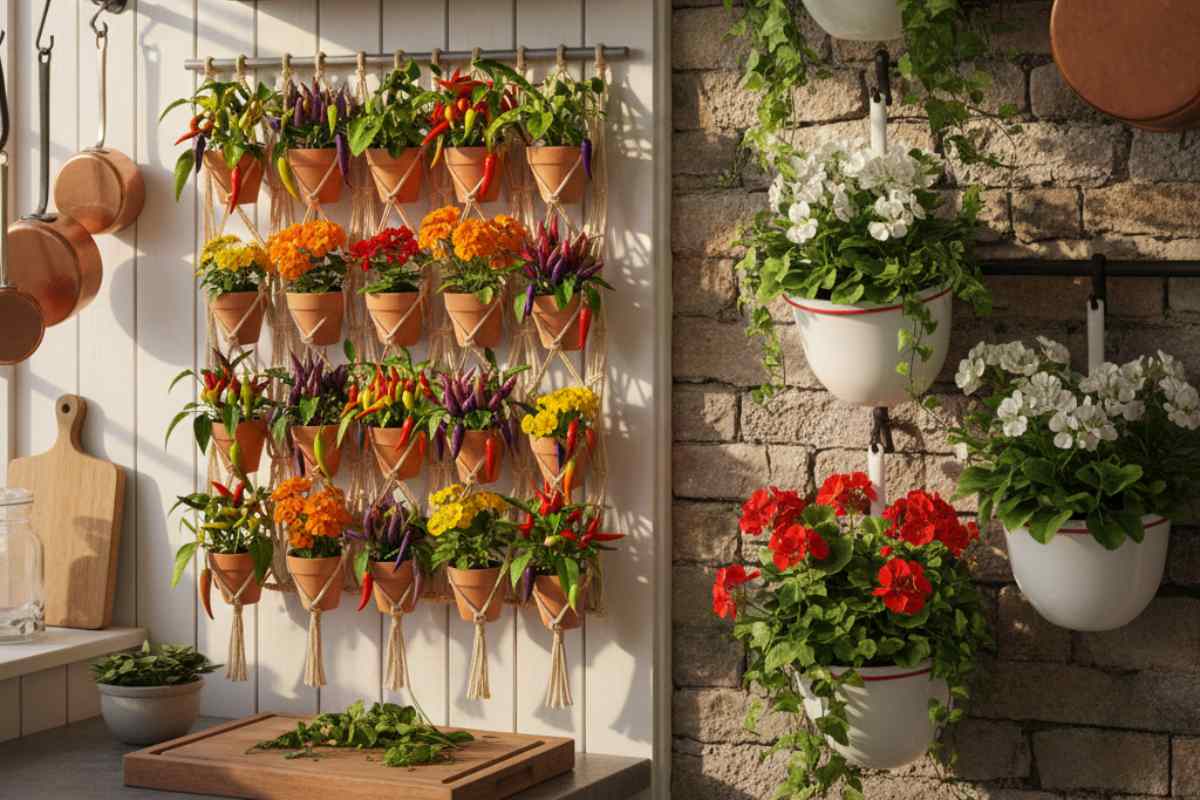
Kitchen: Mix function with fragrance. In a Vintage French Kitchen, plant thyme, chives, and lavender in wall-mounted herb boxes. In a Hippie Kitchen, play with rainbow chilis and marigolds on a Hanging Flower Wall. An Old Cottage Kitchen sings with cascading ivy and pelargoniums in enamel pots.
Bathroom: Steam-lovers like ferns, monstera adansonii, and tradescantia thrive when mounted off the counter. Keep palettes quiet in Minimalist Small Bathrooms and repeat one planter finish for calm continuity.
Bedrooms & Halls: Use wall-safe hooks to float lightweight shelves, then add trailing plants to guide the eye. A slim Diy Wall Planter Indoor project—like a cedar board with test-tube bud vases—adds an airy touch without visual bulk.
Care and Maintenance Essentials
Watering: Wall planters dry out a bit faster. Bottom-water by removing inner nursery pots and soaking for 10–15 minutes, then drain thoroughly before rehanging. This keeps walls clean and prevents drips. Self-watering inserts are great if you travel.
Light: South and west walls get the strongest light—ideal for succulents or herbs. East walls suit pothos and philodendron. If your space is dim, add a discreet grow bar above the display; modern fixtures are slim and nearly invisible.
Weight & Safety: When in doubt, find a stud or use heavy-duty anchors. For rentals, keep weights light and favor removable hardware. Pets in the house? Choose non-toxic plants (e.g., peperomia, calathea) and mount high enough to avoid nibbling.
Quick Styling Recipes You Can Copy
Modern Grid: Three matte black planters in a vertical line with trailing philodendron. Add one framed print to break symmetry.
Botanical Café: A rail of herbs over a backsplash in an Old Cottage Kitchen, paired with linen towels and copper utensils.
Serene Spa: Two white wall planters with bird’s nest ferns and a small eucalyptus bundle to scent Minimalist Small Bathrooms.
Boho Gallery: A mix of prints, a sunburst mirror, and Teacup Gardens with echeveria for a whimsical Hippie Kitchen.
Common Mistakes (and Easy Fixes)
Too many species: If your wall feels busy, repeat plants and planters for visual rhythm. Aim for two pot colors and three plant types max.
Overwatering: Wall planters often have less soil volume. Use your finger: water only when the top inch is dry. Catch trays or inner pots prevent drips.
Ignoring scale: Tiny planters on a huge wall get lost. Either cluster them tightly or go bigger—your Hanging Flower Wall will look intentional and lush.
Final Touches and Seasonal Switches
Rotate plants seasonally to keep displays fresh. In spring, swap in flowering kalanchoe or mini orchids. In summer, let herbs star in the kitchen.
Fall is perfect for trailing philodendron micans; winter loves hardy snake plants that shrug off dry air. Keep a small stash of empty frames and shelf decor so you can change the mood in minutes.
Watch the Full Inspiration Video
Credit to the original creator on YouTube for the techniques and inspiration featured. Watch the source video here for more ideas and visual guidance:

More Home Tips 👇🏼👇🏼