
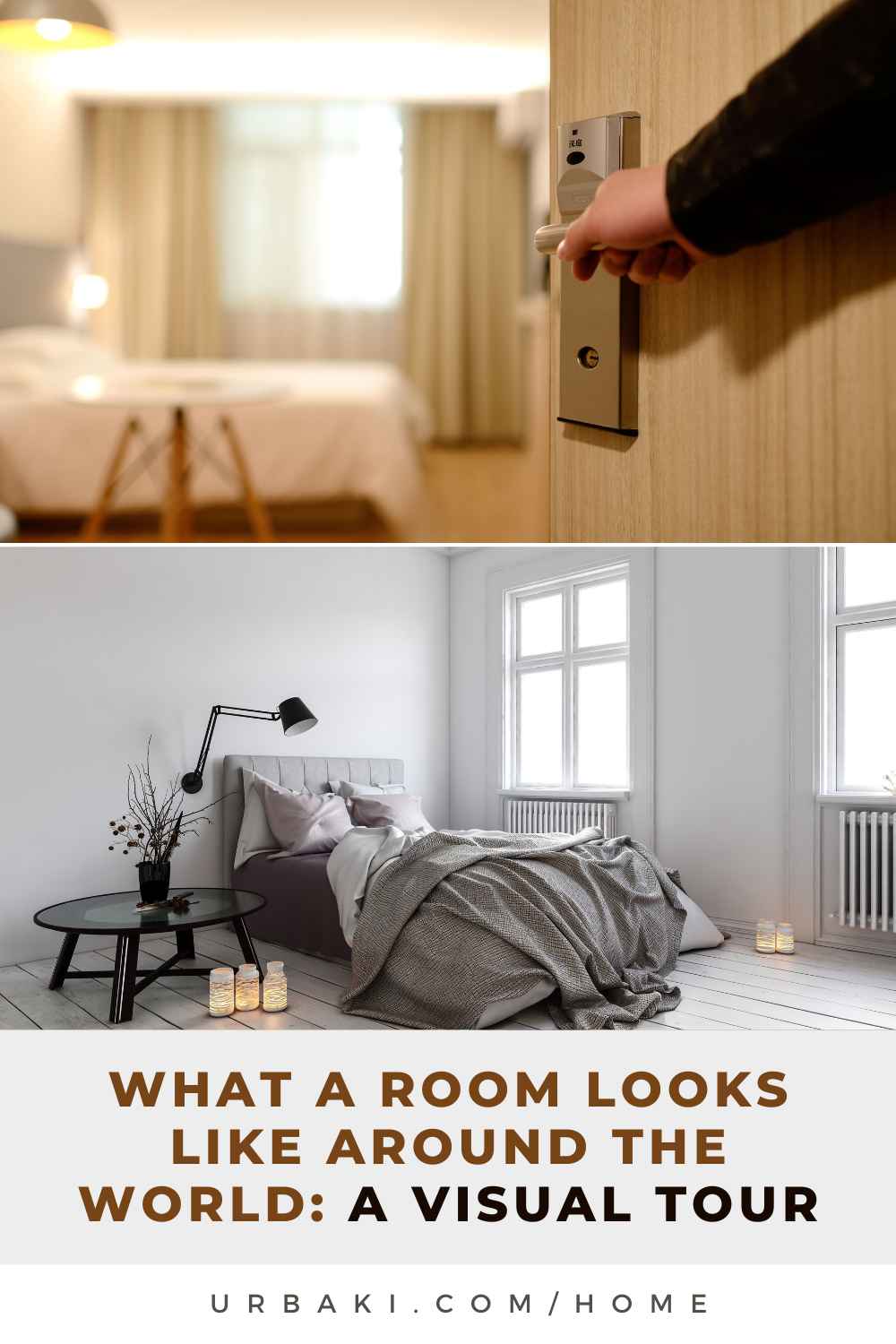
What a Room Looks Like Around the World: A Visual Tour


When we step into any room, we are immediately enveloped by the unique culture, style, and functionality that shape its design.
Whether it’s the cozy atmosphere of a living room or the minimalist elegance of a bedroom, the choices made in interior design often reflect the values, traditions, and preferences of the people who inhabit the space.
Join us as we take a visual tour around the world, exploring the diversity of rooms and the fascinating ways they vary across cultures.
International Design Inspiration
The Cozy and Functional Charm of Scandinavian Rooms
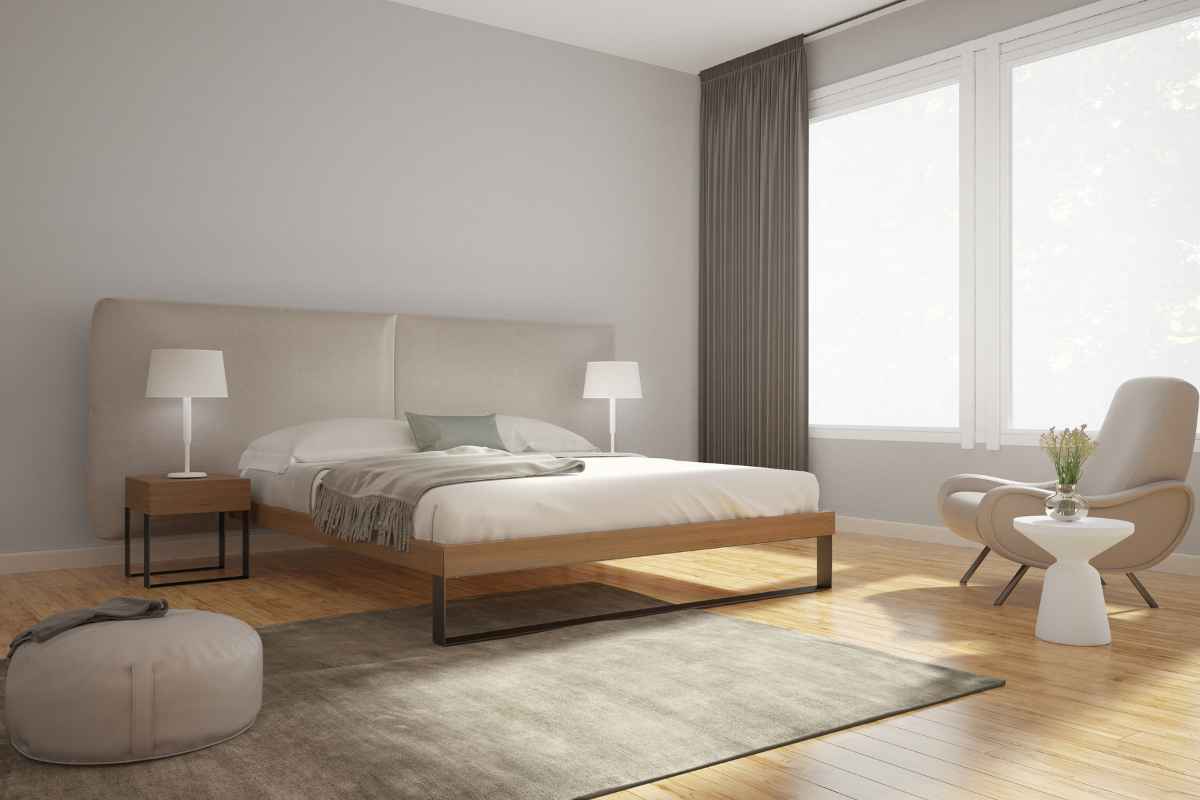
Scandinavian design is known for its simplicity, functionality, and a connection to nature. In countries like Sweden, Denmark, and Norway, the interiors often feature clean lines, neutral colors, and an abundance of natural light.
The use of wooden furniture, often light-toned, is common, creating an airy, inviting atmosphere.
A typical living room might include a large, soft sofa, perfect for lounging, paired with minimalist furniture. The focus on comfort is balanced with practicality, seen in the multi-functional furniture pieces that are designed to optimize space.
These rooms embrace simplicity, often adorned with light curtains, subtle artworks, and indoor plants that bring nature inside. The overall vibe is one of warmth and tranquility, aiming to create a sense of calm and order in the home.
Japanese Rooms: A Blend of Tradition and Modernity
In Japan, the room designs showcase a beautiful blend of tradition and modernity. Traditional Japanese rooms, like the tatami rooms, feature low furniture, such as futons for sleeping and low tables for dining.
Sliding doors, called shoji, are made of rice paper and wood, which allow for privacy and light diffusion, creating a serene and peaceful environment.
However, modern Japanese interiors often feature a more minimalist approach. Clean lines and open spaces are emphasized, with a neutral color palette of whites, grays, and earthy tones.
Natural materials like bamboo, wood, and stone are common, keeping the connection to nature. Many modern Japanese homes also include the latest technology, with sleek, space-saving appliances that blend into the design.
Whether traditional or contemporary, Japanese rooms are characterized by their balance, harmony, and simplicity.
Moroccan Rooms: A Feast for the Senses
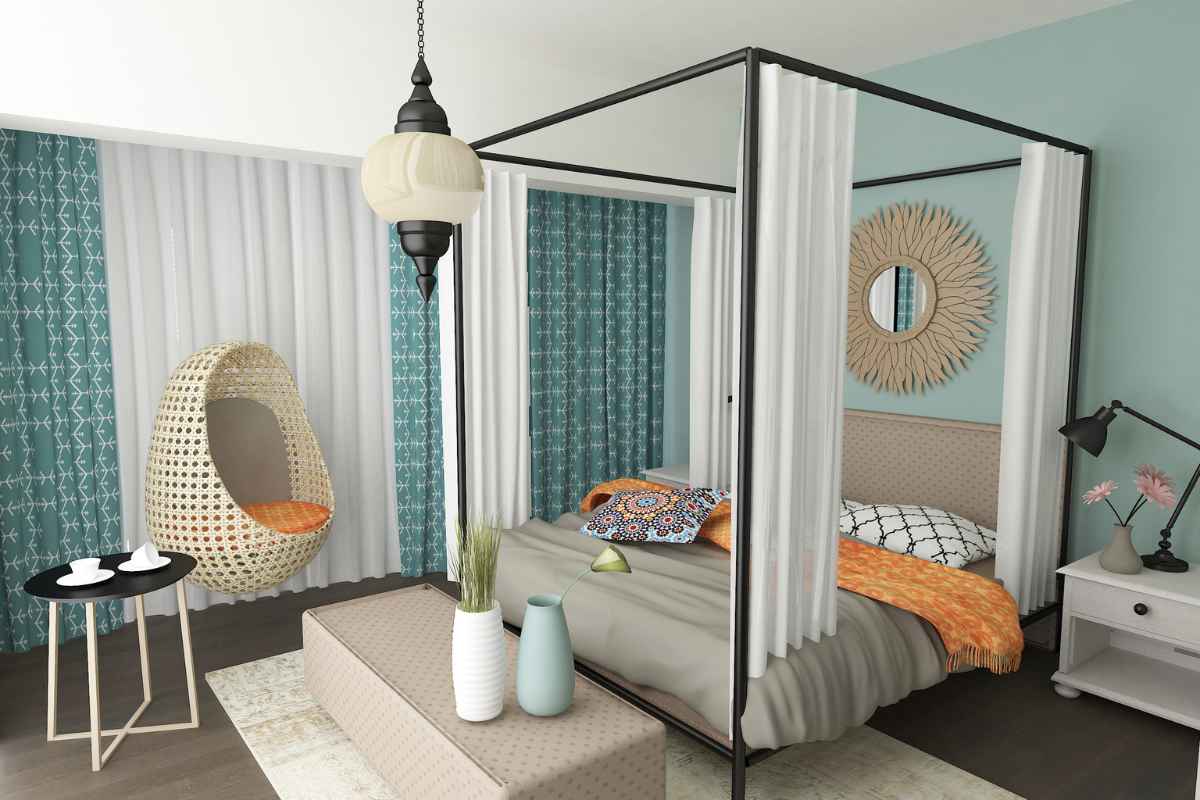
In contrast to the minimalist spaces we've seen so far, Moroccan rooms are vibrant, colorful, and full of texture. Influenced by the rich cultural history of Morocco, these rooms are often adorned with intricate patterns, bright textiles, and luxurious materials.
Rugs, pillows, and throws in bold colors like deep reds, oranges, and blues create a dynamic and welcoming atmosphere.
The walls are often decorated with mosaic tiles or adorned with wooden carvings, and the use of fabrics is abundant. A Moroccan living room might feature low seating arrangements with floor cushions and large woven baskets for storage.
Lanterns and decorative lamps add to the mystique of the room, casting soft, atmospheric light that further enhances the exotic feel. These rooms are designed to be social spaces, reflecting the Moroccan culture of hospitality and communal living.
Indian Rooms: A Celebration of Color and Detail
Indian interiors are a rich blend of historical significance and vibrant aesthetics. Rooms in India are often full of life, with a focus on bold colors, intricate carvings, and beautiful textiles.
Traditional Indian homes often feature wooden furniture, carved with detailed motifs, and heavy fabrics like silk and velvet for cushions and curtains.
The walls of Indian rooms are frequently painted with bright shades of yellow, red, and green, sometimes adorned with artwork or murals that reflect the local culture and heritage.
One common element in many Indian rooms is the use of low seating, such as cushions and low sofas, making the space feel more intimate and relaxed.
The atmosphere is warm and welcoming, designed for large families and gatherings. Decorative lamps and candles create a cozy, inviting ambiance, and plants add to the vibrancy of the room. Indian rooms are a celebration of life, color, and tradition.
French Rooms: Elegant and Timeless Style
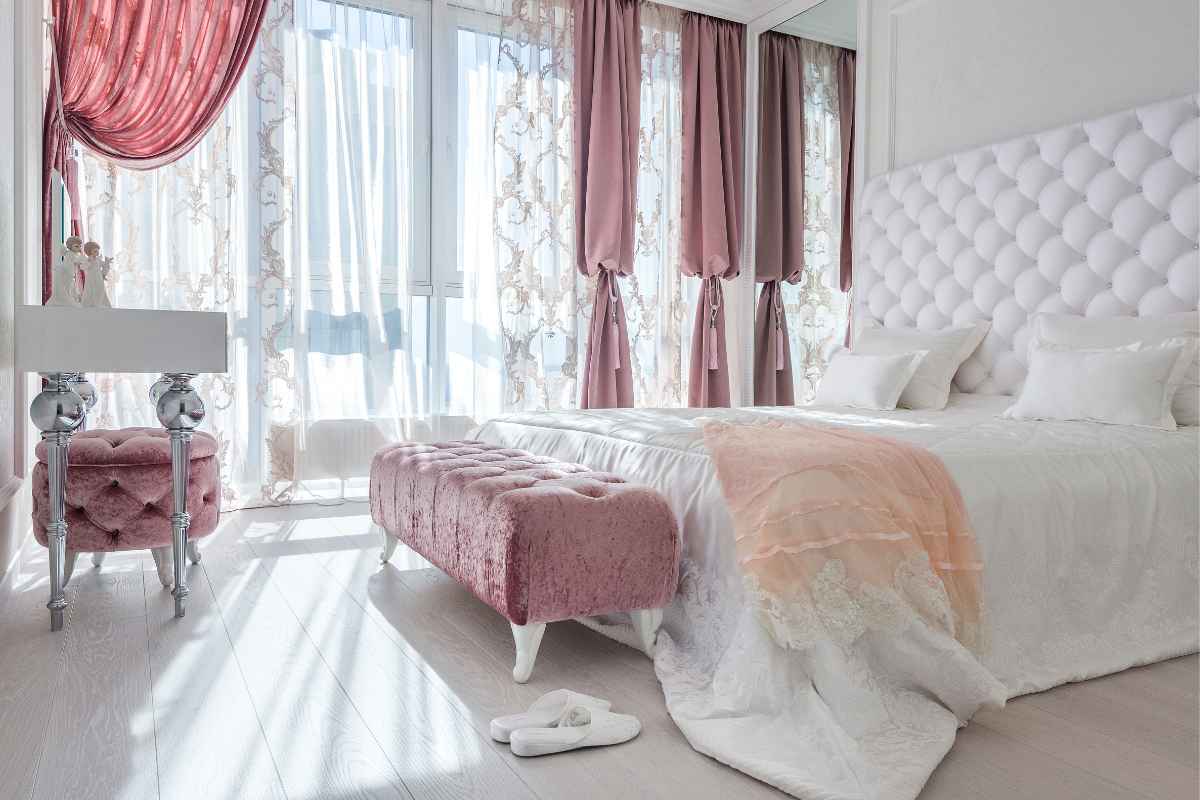
In France, especially in cities like Paris, the design of a room reflects an elegance that combines old-world charm with modern influences. French rooms are often characterized by luxurious fabrics, ornate furniture, and a touch of romance.
The walls might be adorned with elegant wallpaper or decorated with vintage mirrors and framed artwork.
The furniture is usually antique or vintage, with carved wooden chairs, velvet sofas, and gold-trimmed accents.
Neutral tones like ivory, gray, and beige dominate the color palette, but the space is often elevated with pops of deep jewel tones, such as emerald green or royal blue.
The overall effect is one of timeless beauty and refined taste, creating an atmosphere of comfort and luxury. French rooms often blend traditional elegance with modern flair, making them as stylish as they are functional.
Mexican Rooms: Warmth and Vibrancy
Mexican interiors are known for their warmth, vibrancy, and energy. Traditional Mexican rooms are full of bold colors, earthy tones, and textured surfaces.
The walls are often painted in rich hues of orange, yellow, or terracotta, reflecting the warmth of the Mexican climate. Hand-painted tiles are commonly used in kitchens and bathrooms, adding an artistic touch.
The furniture in Mexican homes is typically wooden, often with a rustic, handcrafted look. The use of brightly colored fabrics for cushions, throws, and rugs adds to the lively atmosphere.
Wrought iron accents, such as on chairs and light fixtures, are also common, giving the room a touch of rustic charm. Mexican rooms often feature large windows that let in plenty of natural light, bringing a sense of openness to the space.
Indoor plants, such as cacti and succulents, are frequently seen, contributing to the room’s natural and grounded feel.
Brazilian Rooms: Fresh and Tropical
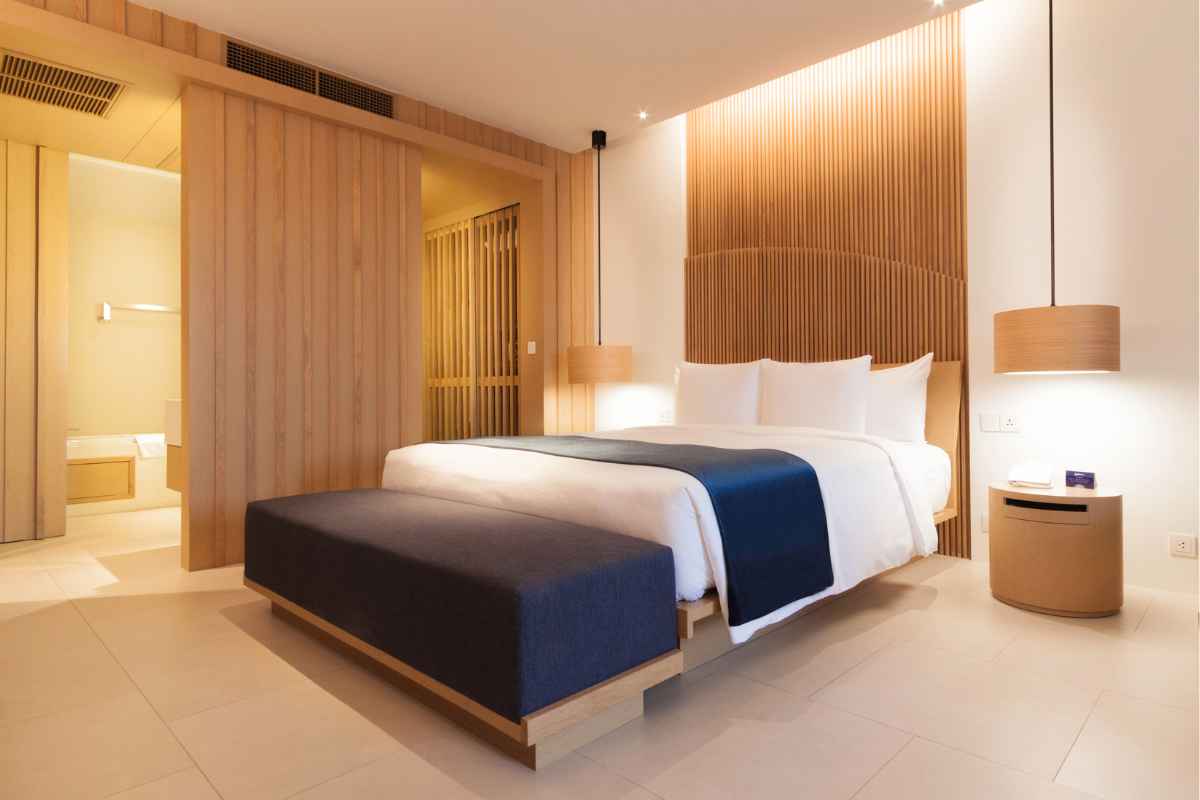
In Brazil, the design of a room often incorporates elements of tropical charm, with an emphasis on natural materials and outdoor living. Brazilian rooms are designed to be open, bright, and filled with light.
The use of wood, stone, and woven materials like rattan and bamboo is common, bringing a touch of nature into the home.
The color palette is often bright and lively, with shades of green, yellow, and blue reflecting the country’s vibrant culture and connection to the natural world.
Brazilian interiors often have open-plan layouts that flow straight into outdoor spaces like balconies or patios. Large windows and sliding glass doors give clear views of nature.
Brazilian rooms are made for easy living, where comfort and a connection to the outdoors are key elements of the design.
A World of Diverse Styles
As we’ve seen, the design of a room can vary dramatically from one part of the world to another.
From the minimalist charm of Scandinavian interiors to the vibrant, lively atmosphere of Moroccan or Indian rooms, each culture offers a unique perspective on how to design living spaces.
Whether influenced by climate, tradition, or lifestyle, each room tells a story about the people who inhabit it, their history, and their values.
As we continue to explore the world’s diverse cultures, one thing becomes clear: the room you inhabit is much more than just a physical space—it’s a reflection of your identity, your creativity, and your way of life.
Did you find this post Useful or Inspiring? Save THIS PIN to your HOME Board on Pinterest!
More Home Tips 👇🏼👇🏼