
What to Know Before You Buy Recessed Lights


Thinking about upgrading your ceiling with sleek, modern fixtures? This Recessed Lighting Buying Guide explains the essentials—so you can choose the right products, plan the layout, and install with confidence.
Whether you’re refreshing one room or a whole home, the tips below will help you buy and place recessed lights that look great and perform even better.
What Are Recessed Lights (And Why Choose Them)?

Recessed ceiling lights—sometimes called can lights or downlights—sit flush with the surface, delivering clean lines and focused illumination.
They’re ideal when you want generous light without the visual bulk of pendants or floor lamps, and they work across living rooms, kitchens, baths, and hallways.
Each fixture typically includes a housing (or a low-profile canless body), a trim, and the light source. The housing sits above the ceiling plane; the trim is the visible finish below. Together they control the beam, glare, and overall style of your room.
Because they blend into the architecture, these fixtures are a favorite for minimalist and contemporary interiors, but they also complement traditional spaces when you choose the right trim and color temperature.
Sizes, Trims, and Recessed Lighting Styles
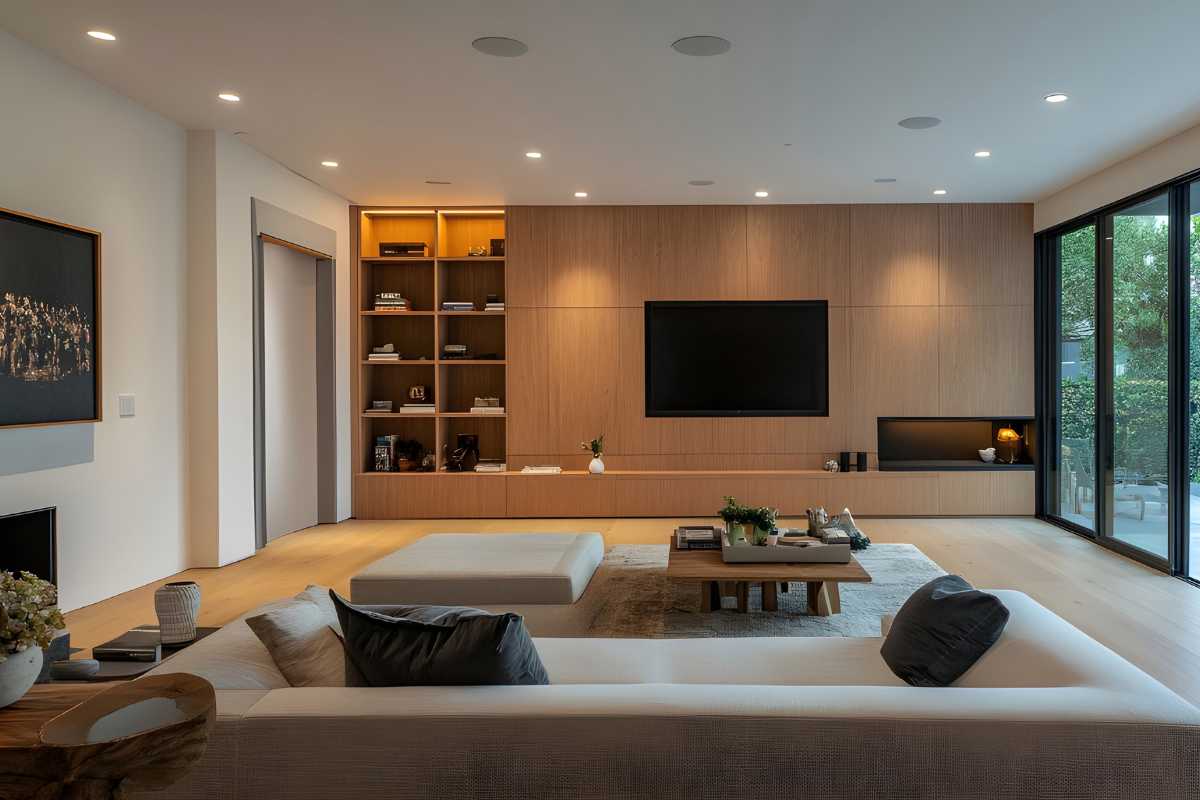
Common diameters are 2", 3", 4", 5", and 6". Smaller apertures (2"–4") feel more discrete and are popular in modern kitchens and galleries. Larger sizes (5"–6") push more lumens and suit general lighting or taller ceilings.
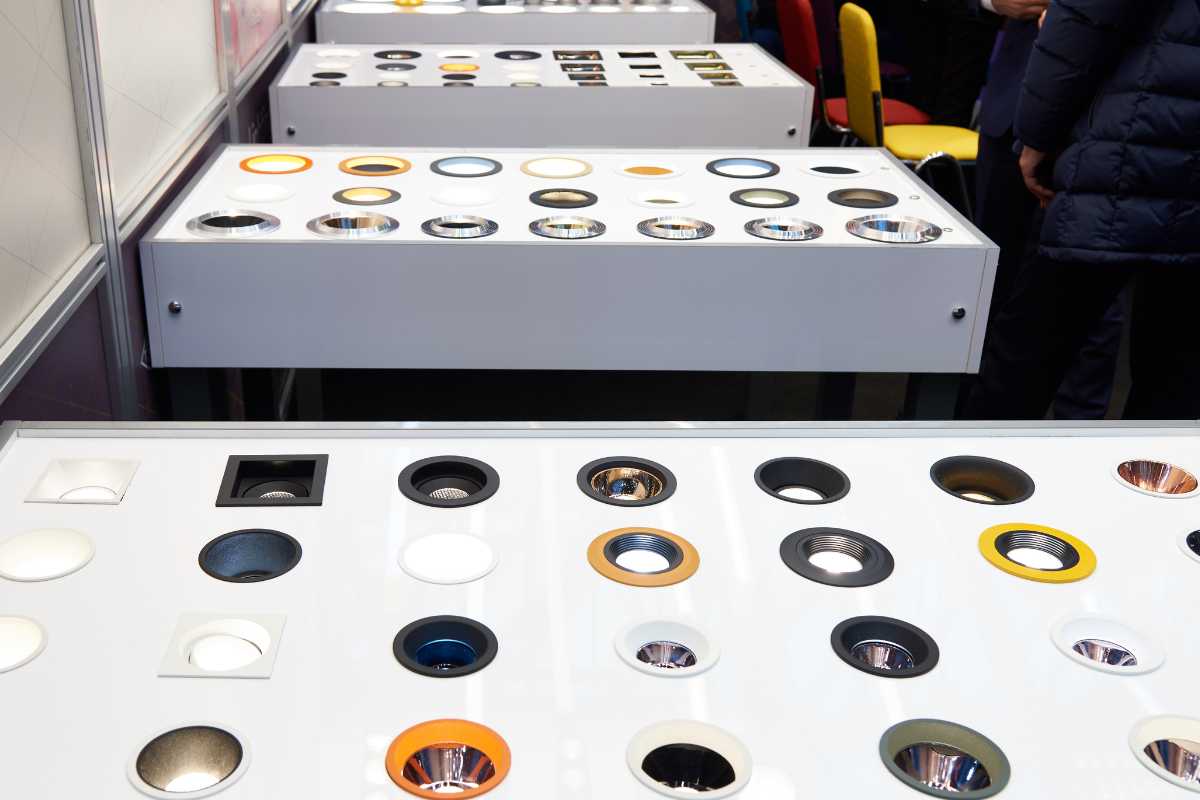
Recessed Lighting Styles range from baffle trims that soften glare, to reflector trims that maximize punch, to gimbals and eyeballs that tilt for accenting art or sloped ceilings.
Wet-rated trims with glass lenses are designed for showers and covered exteriors.
Finish matters too. White blends in for a seamless look, black reduces perceived glare, and metallic trims can echo your hardware for a coordinated scheme.
Light Source: LED Wins on Efficiency and Control
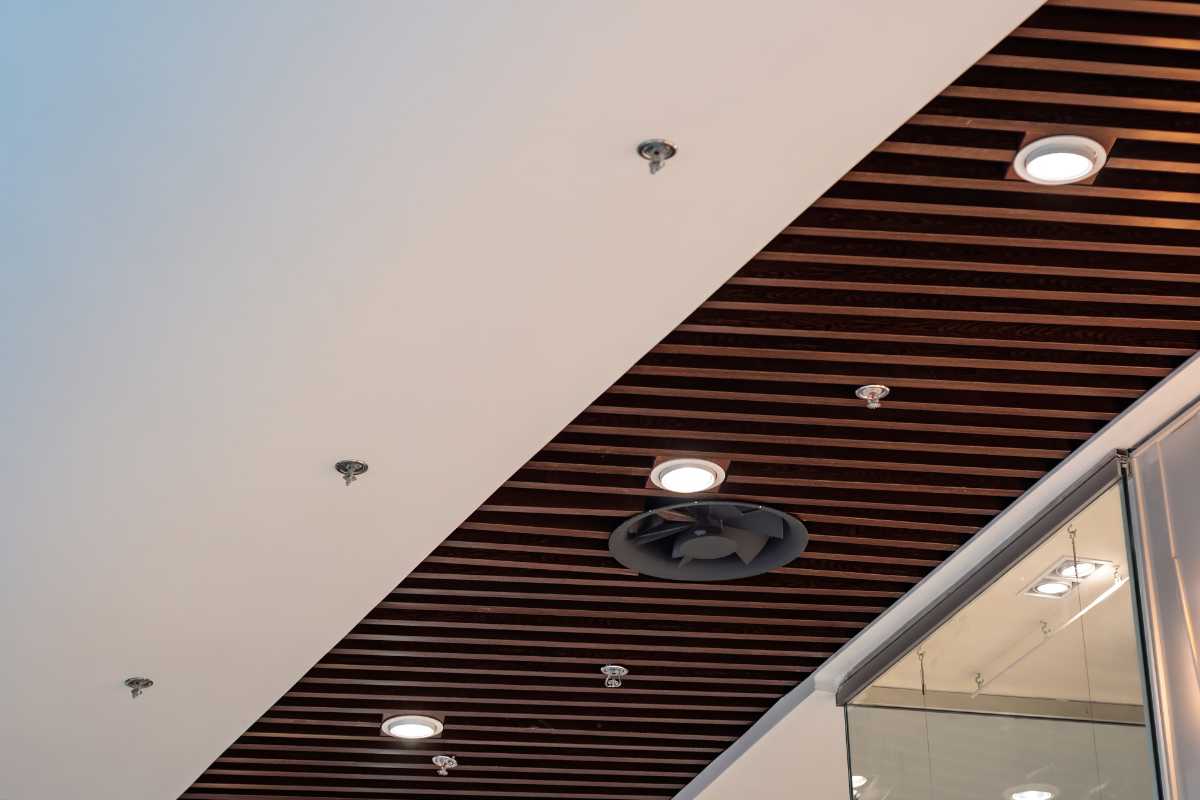
Modern kits use integrated LEDs or retrofit LED modules. LEDs offer high efficiency, long life, and excellent dimming. Look for a high Color Rendering Index (CRI 90+) so colors—especially food, fabrics, and skin tones—appear natural.
Choose color temperature to match the room’s mood: 2700K–3000K for warm, cozy spaces; 3500K–4000K for kitchens and work zones. If you’re unsure, pick a selectable-CCT model so you can fine-tune after installation.
Beam angle shapes how light spreads. Narrow beams (15°–30°) accent objects; medium (40°–60°) suit task areas; wide (80°+) wash a room. In open plans, mixing beams creates depth without hot spots.
Layout & Spacing: How Many Recessed Lights Do I Need?
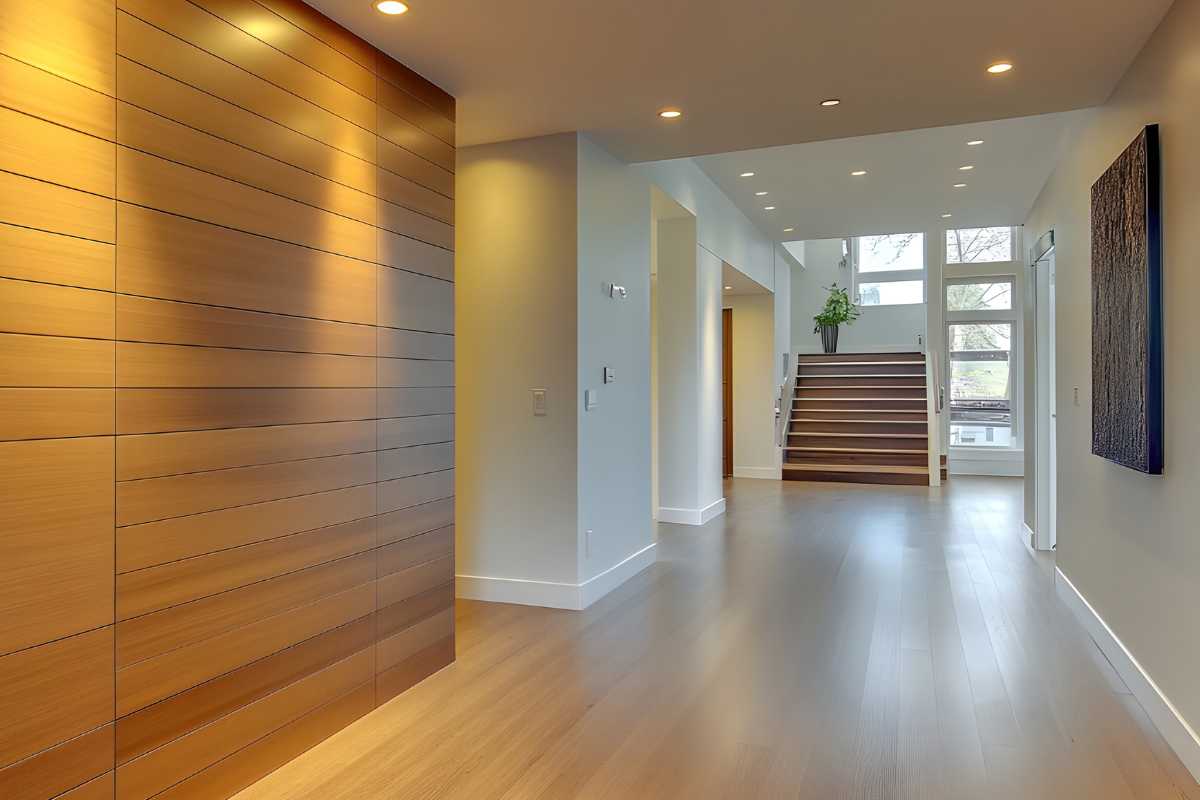
The classic starting point is the “spacing = 1.0–1.5 × ceiling height” guideline. For an 8-foot ceiling, place fixtures roughly 8–12 feet apart, then adjust based on beam angle and room reflectance. Over counters or islands, tighten spacing for brighter, shadow-free task lighting.
Ask yourself, “how many recessed lights do i need for this room’s size and purpose?” For living rooms, aim for even ambient coverage and add accent lights to highlight art or bookshelves.
For kitchens, prioritize task zones first—sinks, cooktops, prep areas—then fill in ambient light.
Avoid placing cans too close to walls (generally keep 18"–24" off) to prevent scalloping unless you deliberately want a grazing effect to accent texture or tile.
Ceiling Types, Ratings, and Safety Basics
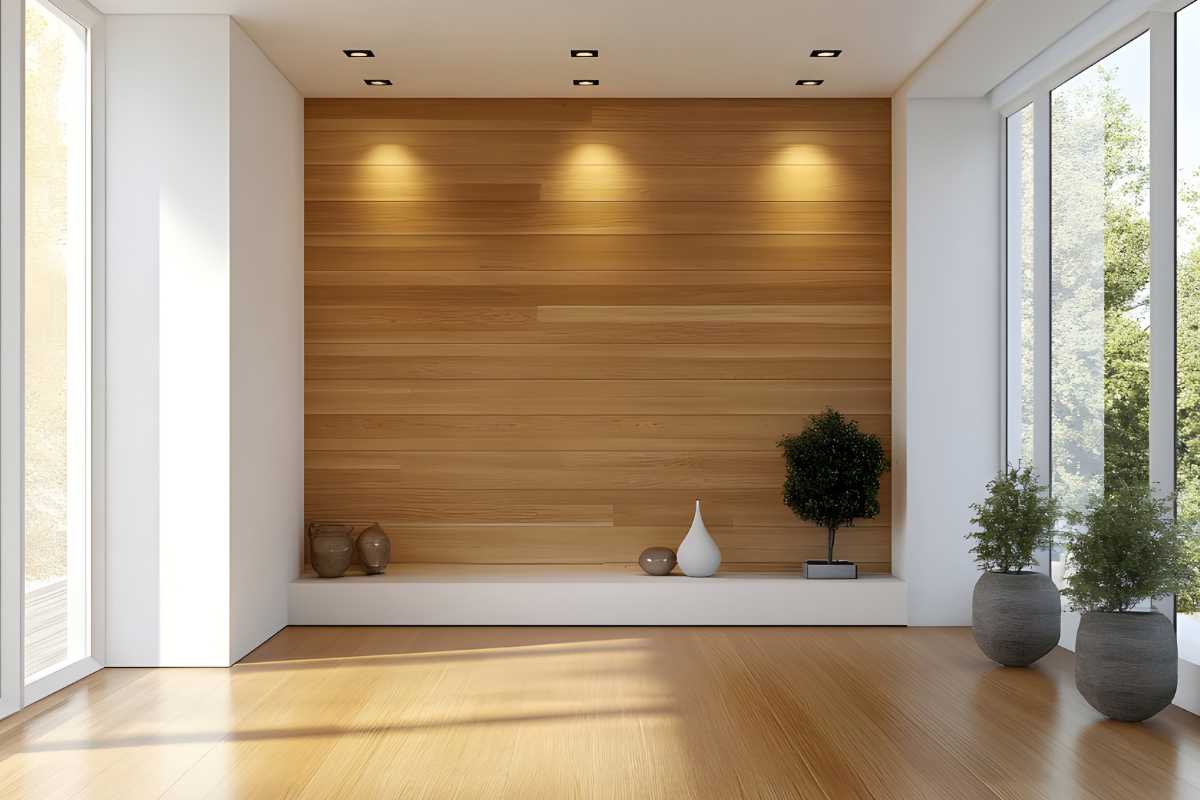
In insulated ceilings, choose IC-rated housings (Insulation Contact) so the fixture can safely touch insulation without overheating. Airtight (AT) housings help reduce energy loss by sealing air leaks into the attic or plenum.
For remodels where you can’t access the joist bay from above, look for remodel housings or canless wafer lights that clamp from below. New-construction housings are best when the ceiling is open and you can secure bars to joists.
Bathrooms and showers require wet- or damp-location ratings depending on proximity to water. Always follow local code for wiring, junction boxes, and GFCI/AFCI requirements.
Dimming, Switching, and Smart Control
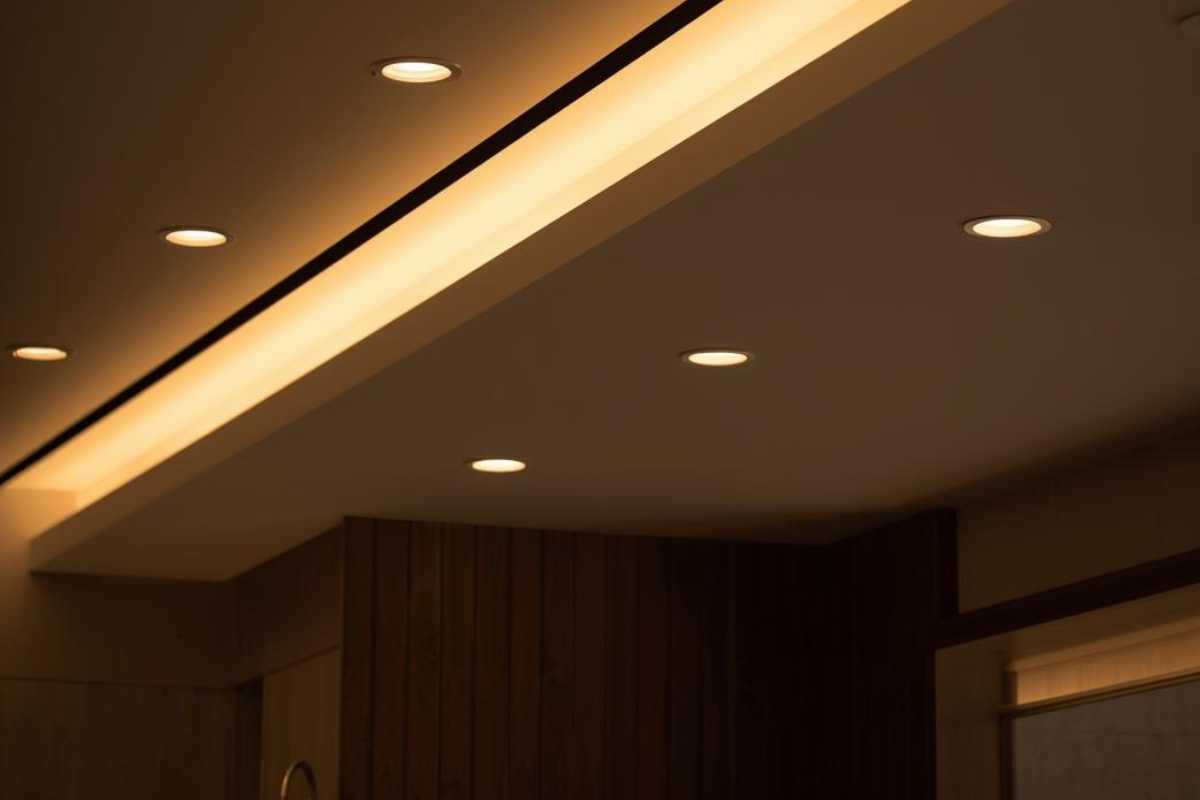
Pair your fixtures with compatible dimmers to avoid flicker and low-level dropout. Many LED kits list specific dimmers they’ve been tested with—check that sheet before buying.
Smart options let you create scenes, automate schedules, or sync color temperature with daylight. If you already use a smart platform, select lights or modules that integrate natively to keep controls simple.
For multi-room projects, group fixtures by function (ambient vs task) on separate switches so you can dial in the exact feel at any time of day.
Choosing Quality: What Makes the Best Recessed Lights?
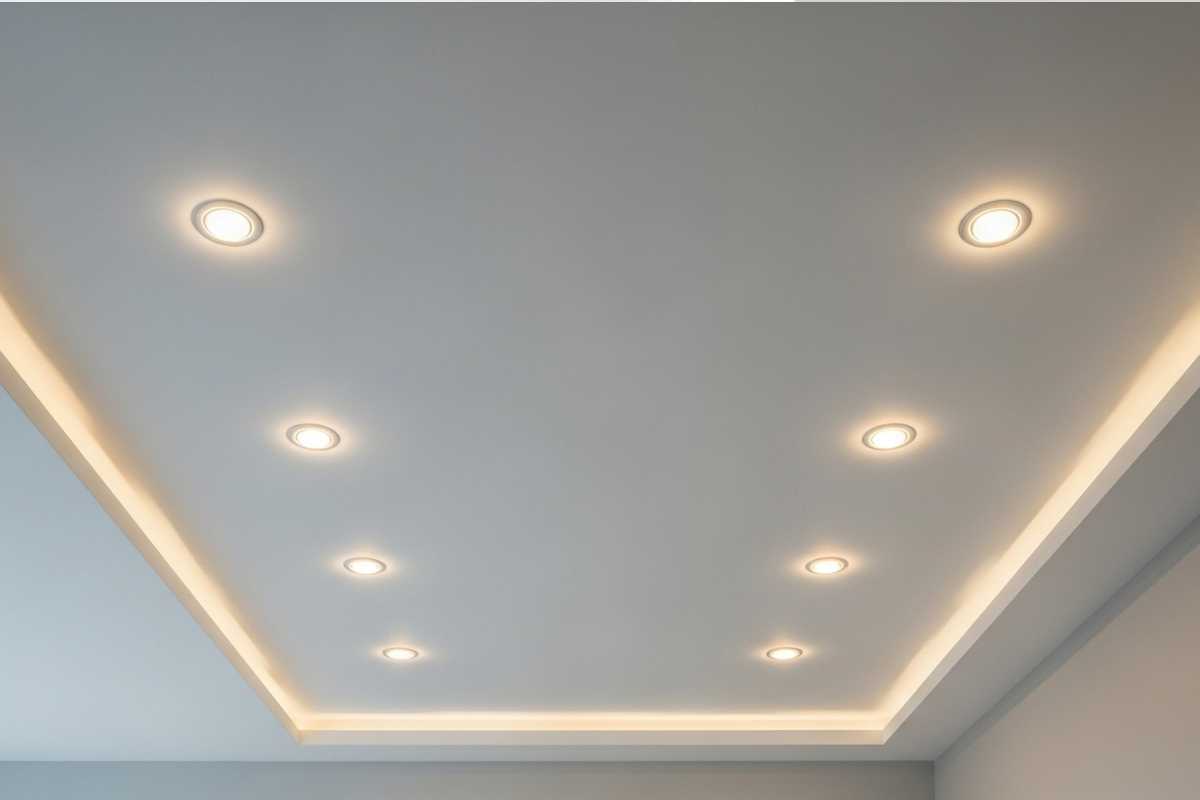
Look for consistent color (tight binning), smooth dimming, solid warranties, and robust thermal management. Trim springs should feel firm, gimbal mechanisms should pivot smoothly, and lenses should be clear with minimal artifacts.
Efficiency matters, but so does optical design. Two fixtures with the same lumens can look very different if one wastes light outside the useful beam. Read specs for beam angle and candela distribution to understand real-world performance.
When people search for the best recessed lights, they’re usually balancing price, output, and aesthetics. Shortlist two or three models, order a sample, and test them on-site before committing to a full house.
Buying & Installation Checklist
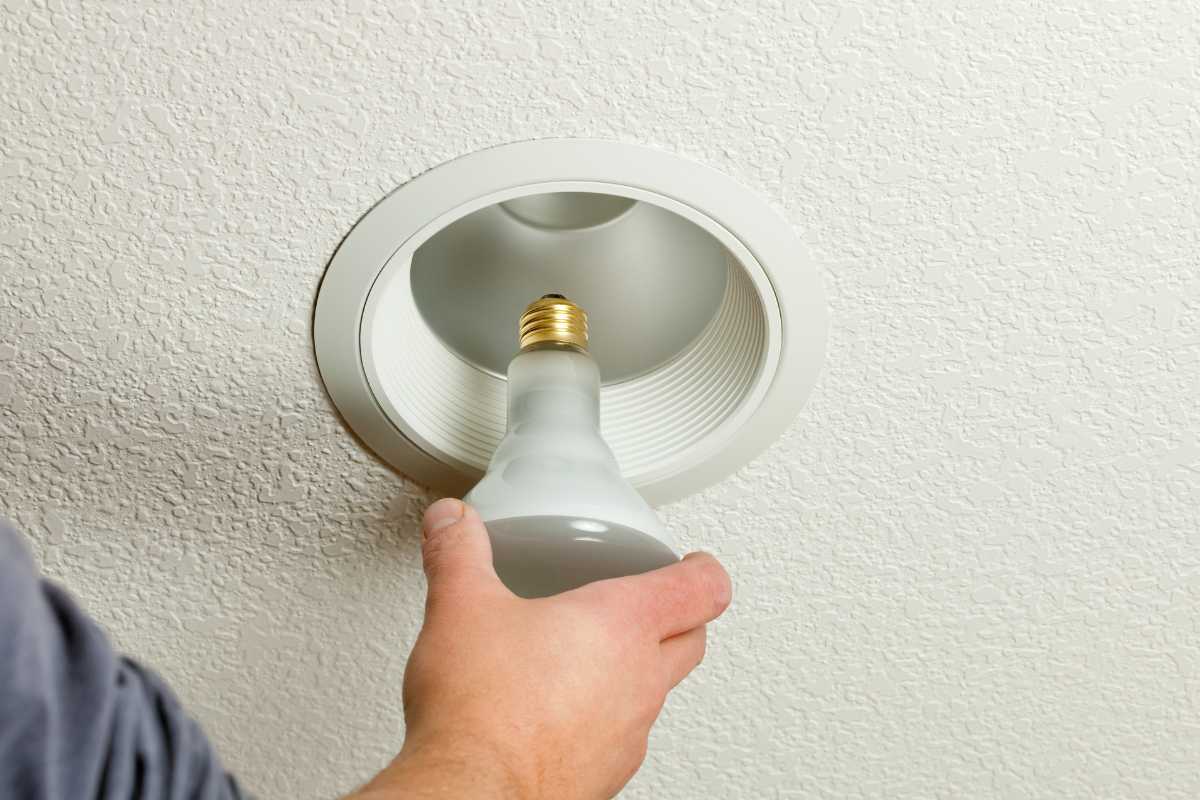
Match the application: pick IC/AT ratings for insulated ceilings, wet-rated trims for showers, and adjustable gimbals for sloped or accent tasks.
Confirm electricals: verify voltage, driver compatibility, and dimmer support. For retrofits, ensure your existing cans accept the module or use canless kits with junction boxes.
Finalize aesthetics: choose aperture size, trim finish, and beam angle to fit your design plan. Keep a consistent look across open spaces for cohesion.
Budget, Timeline, and Maintenance
Set a per-fixture budget that accounts for housings, trims or integrated kits, wiring, dimmers, and labor. Integrated LED wafers often reduce labor in tight or finished ceilings.
Plan the work in phases: rough-in (if applicable), drywall, paint, then final trims and aiming. Label circuits and keep spec sheets for future reference.
Maintenance is minimal with LEDs. Dust the trims, check that drivers stay cool and unobstructed, and periodically test dimming for smooth performance after firmware or switch upgrades.
Recessed Lighting Styles in Real Rooms
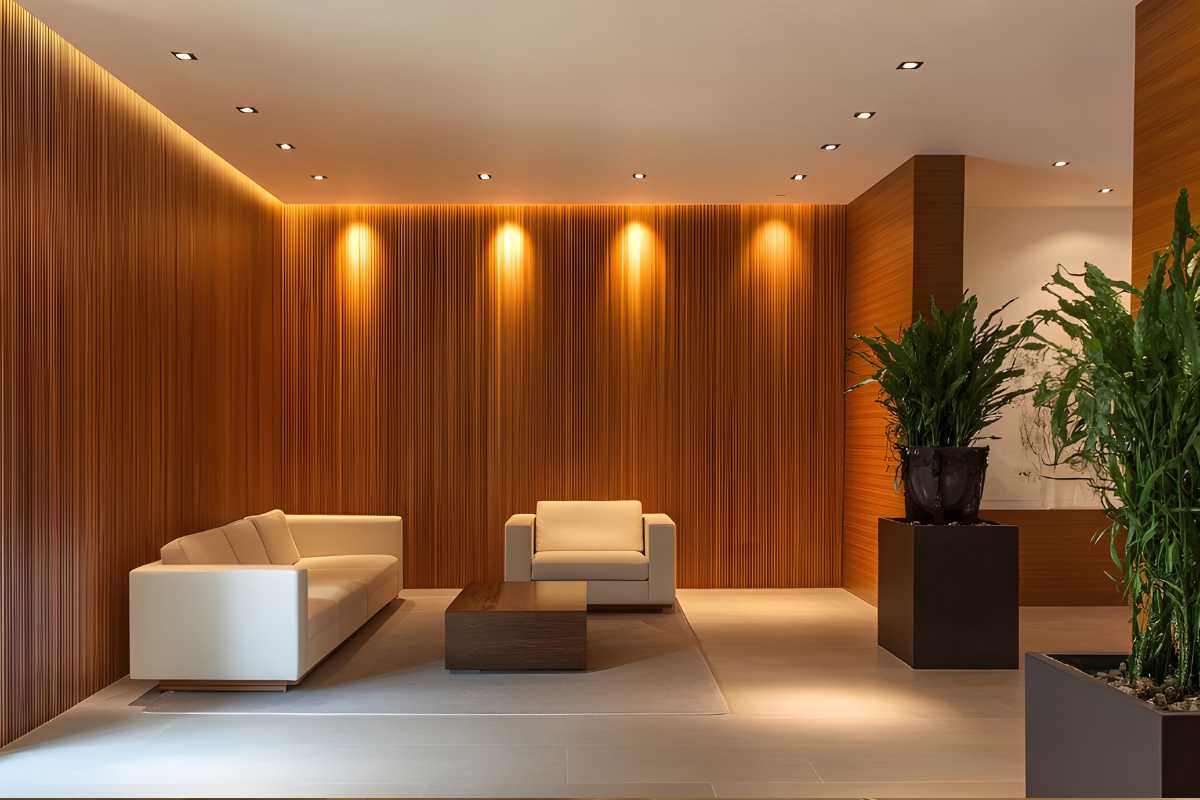
In a living room, blend 4" wide-beam downlights for ambient glow with a few adjustable gimbals for art and shelving. Warm 2700K light keeps evenings cozy.
In a kitchen, use medium beams over aisles and tighter beams over the island to punch through task shadows. Pair with under-cabinet lights for layered illumination.
For bathrooms, combine a wet-rated shower light with softer ambient cans outside the wet zone, and mirror sconces for flattering vertical illumination.
Wrap-Up: Buy Once, Place Right
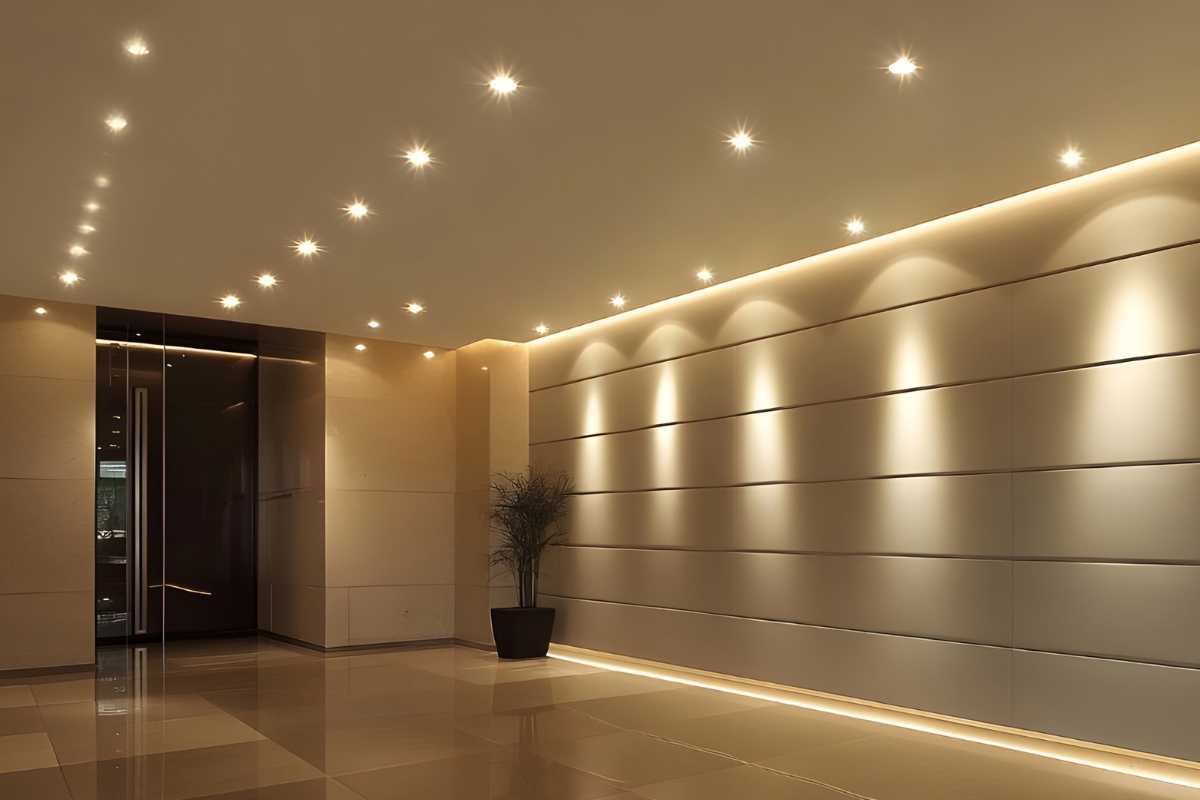
With a clear plan and the right specs, recessed ceiling lights can elevate any space. Use the sizing, spacing, and control tips above to pick confidently from today’s options, and bookmark this Recessed Lighting Buying Guide for your next project.
Want more lighting ideas and how-tos from Urbaki? Explore our latest guides and start mapping your layout today—your ceiling will thank you.
Enjoy the Video Tutorial

Source: The Honest Carpenter
More Home Tips 👇🏼👇🏼