
Continental vs English Knitting: Exploring the Differences


When it comes to knitting, there are various techniques to choose from, and one common dilemma is the choice between Continental and English knitting styles.
At Knit and Crochet Ever After, we understand the importance of finding the right method for you.
Let's delve into the differences between Continental and English knitting, weigh the pros and cons, and help you decide which technique suits you best.
What are the differences?
Continental knitting involves holding the yarn in the left hand, while English knitting requires holding the yarn in the right hand.
The primary distinction lies in how the yarn is manipulated to create stitches. Both techniques achieve the same result, but the journey to get there varies.
One significant advantage of Continental knitting is its efficiency. Many knitters find that this method allows for quicker stitch execution, making it an attractive option for those who prefer a faster pace.
The fluid motion of the yarn in the left hand often leads to a smoother knitting experience.
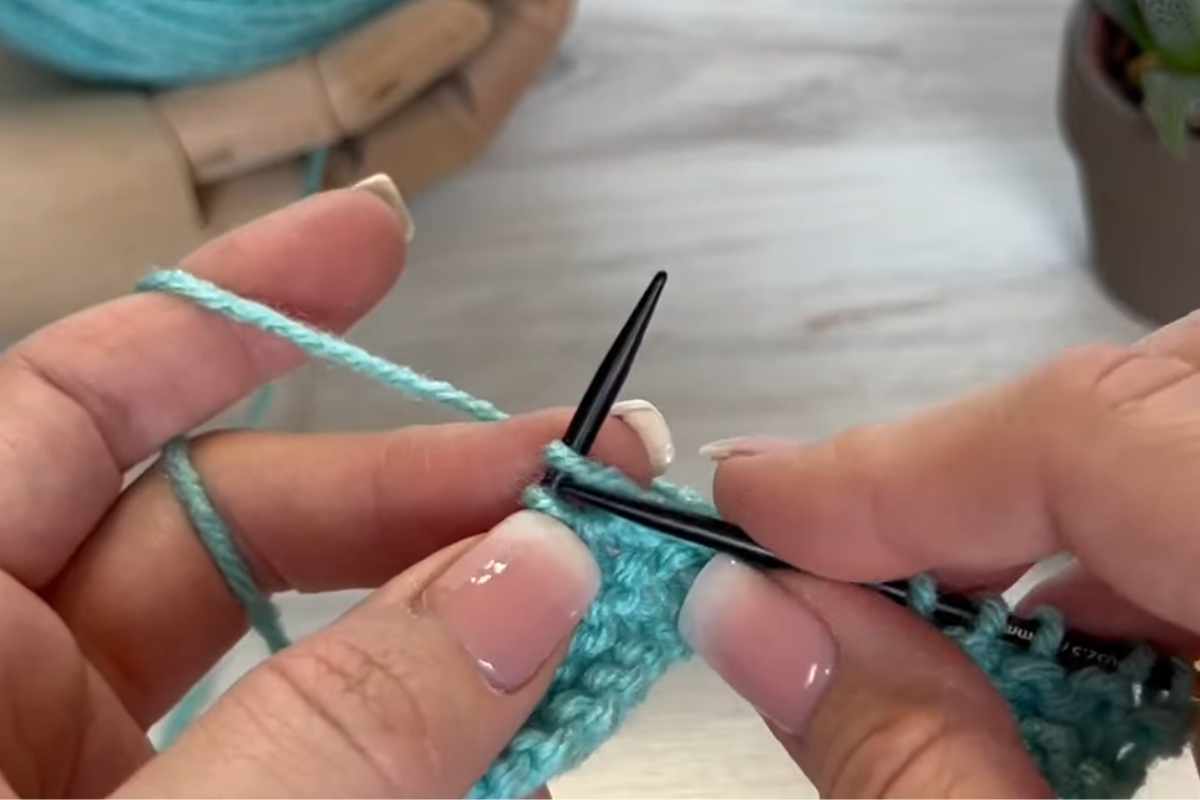
On the other hand, English knitting is praised for its simplicity and ease of learning, especially for beginners.
The yarn is held in the right hand, and the movements may feel more natural for those transitioning from other crafts or even for individuals who are right-hand dominant.
Now, let's explore some of the pros and cons of each technique. In Continental knitting, the pros include speed and efficiency, while some may find the learning curve a bit steep.
English knitting's strengths lie in its simplicity, making it accessible for beginners, but it may feel slower for those accustomed to Continental knitting.
To make your decision easier, we've found an excellent video tutorial by Knit and Crochet Ever After that provides a visual guide to both Continental and English knitting.
This tutorial is a valuable resource for anyone seeking hands-on guidance. The clear instructions and close-ups of the techniques make it easy to follow along, whether you're a seasoned knitter or just starting your knitting journey.
You will learn to differentiate them very easily
The video not only breaks down the differences but also offers practical insights that can aid your decision-making process.
Make an informed choice and enhance your knitting skills with this comprehensive tutorial.
In conclusion, the choice between Continental and English knitting ultimately depends on your personal preferences and goals.
Experiment with both techniques, and don't hesitate to explore the tutorial by Knit and Crochet Ever After for valuable insights. Happy knitting!
Images and pattern courtesy of Knit and Crochet Ever After
Enjoy The Video Tutorial

Source: Knit and Crochet Ever After
Did you find this post useful or inspiring? Save THIS PIN to your Knitting Board on Pinterest! 😊

You may also like