
How to Knit a Flat Panel on a Knitting Machine: Easy 10-Step Guide

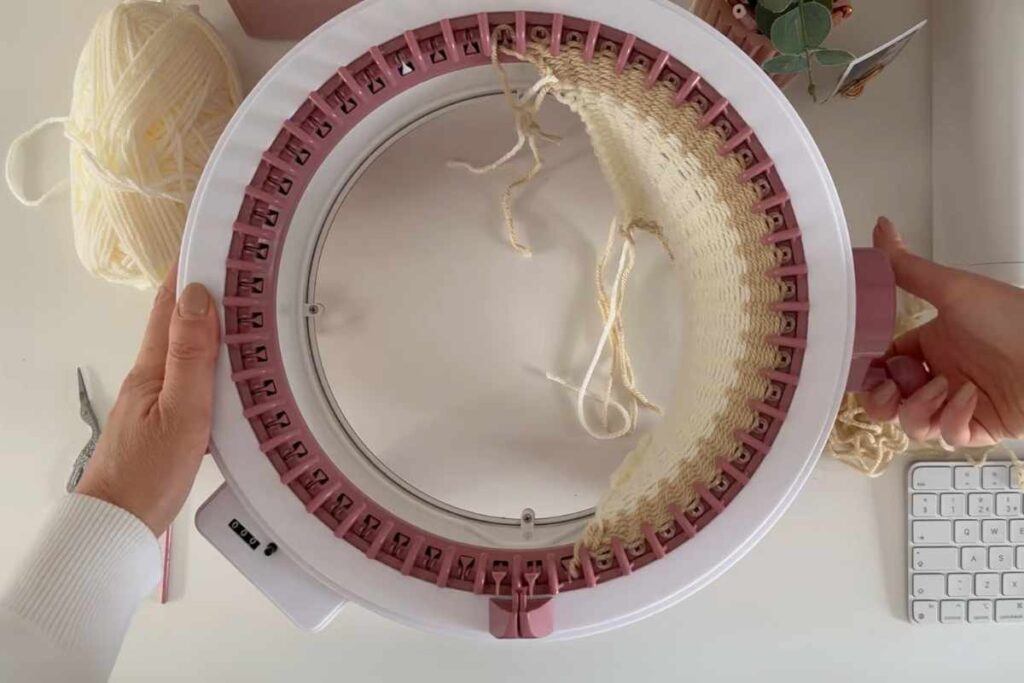
Learning how to make a flat panel on a knitting machine can open up a world of possibilities for your knitting projects.
Whether you want to create scarves, cardigans, sweaters, or other items, mastering the panel setting is an essential skill.
This video tutorial demonstrates how to use the panel setting on your knitting loom in ten straightforward steps. It provides clear instructions that are easy to follow, even if you're new to using a knitting machine.
Why Make Flat Panels on a Knitting Machine?
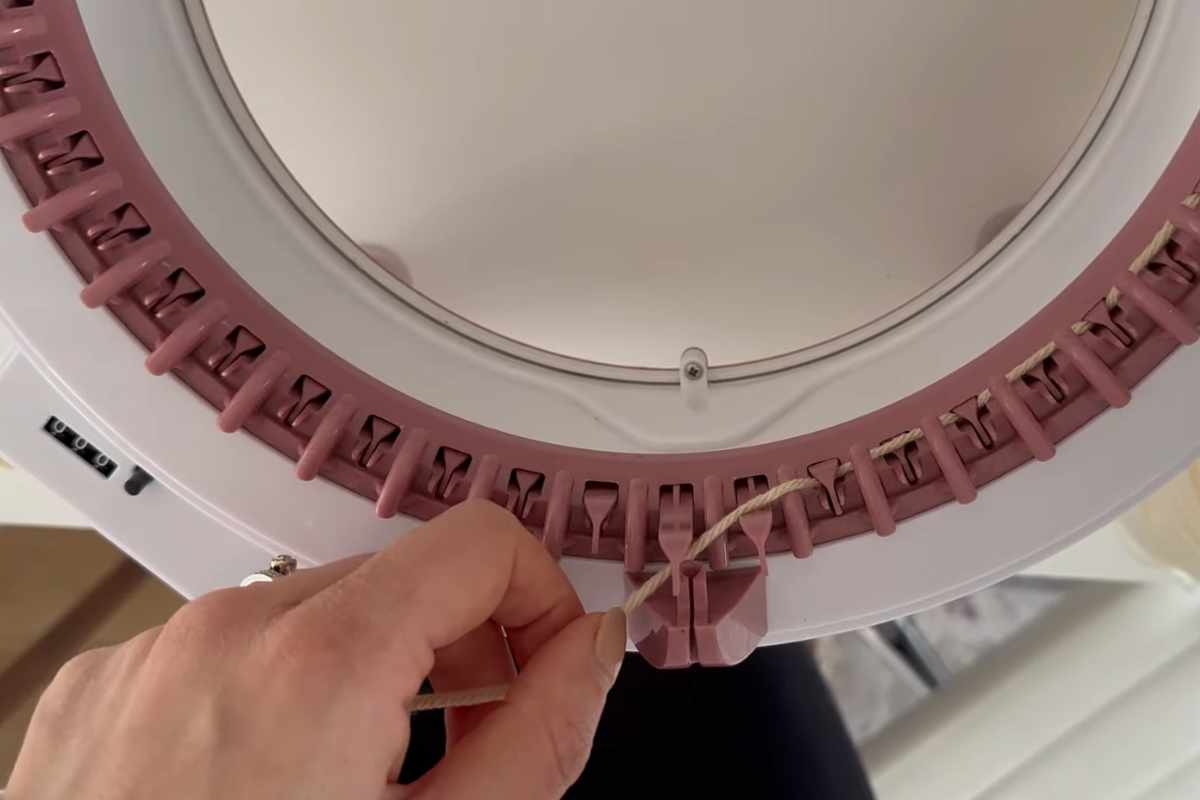
Creating flat panels is a versatile technique that can be applied to many different projects. Unlike circular knitting, which produces tubes, flat panels allow you to create wide, rectangular pieces of fabric. This flexibility makes it possible to design items like:
- Scarves that lay flat and drape nicely.
- Cardigans with open fronts.
- Sweater parts that can be stitched together later.
- Patchwork blankets composed of multiple panels.
Using the panel setting on the knitting machine allows for greater control over the fabric’s width and texture.
It’s also a great way to practice tension control and stitch consistency, both of which are crucial for achieving polished, professional-looking results.
Understanding the Panel Setting
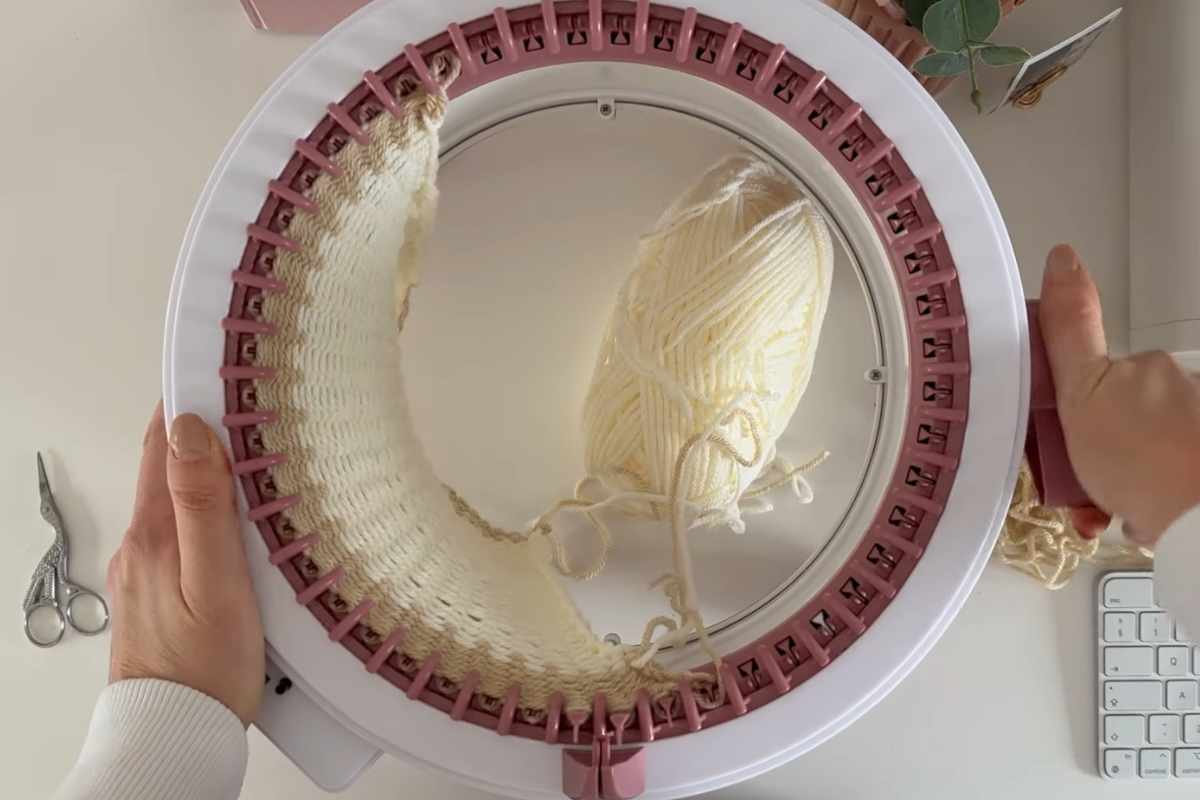
The panel setting on a knitting machine works by knitting rows back and forth, rather than in a continuous circle. This method creates a flat piece of fabric, ideal for projects that require rectangular or square shapes.
The video tutorial explains how to adjust your machine to the panel setting, providing helpful visual cues to ensure you’re on the right track.
Taking the time to understand this setting will make a significant difference in your ability to create various knitted items.
Tips for Successful Panel Knitting
While the tutorial covers the steps in detail, here are some general tips to enhance your panel knitting experience:
- Maintain Consistent Tension: Keeping your tension even is essential for producing smooth, uniform panels.
- Use Stitch Markers: They can help you keep track of row counts or specific areas where you want to make changes.
- Experiment with Yarn Types: The type of yarn you choose can affect the texture and appearance of your panel. Trying different yarns can produce interesting results.
Applying Flat Panels to Various Projects
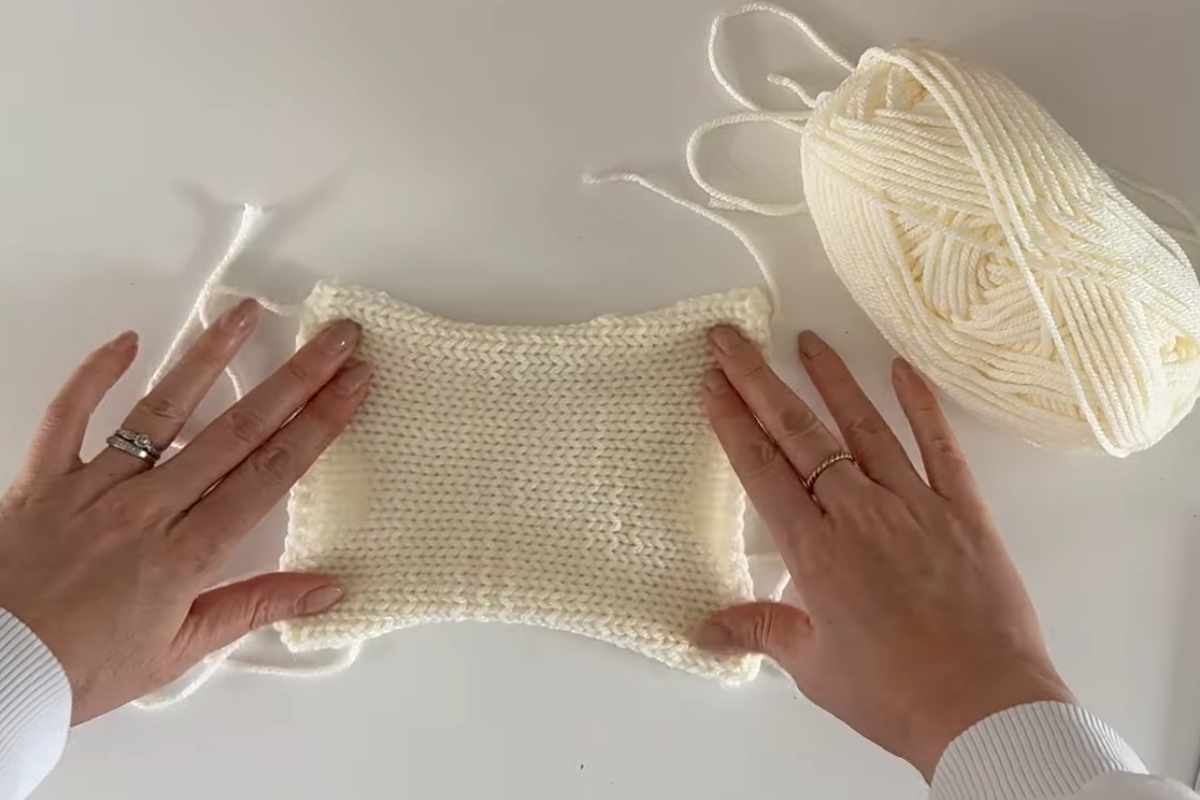
Once you’ve mastered the technique, you can apply flat panels to a range of knitting projects. For example, a scarf made from a single panel will have a clean, sleek appearance.
For more complex pieces like cardigans or sweaters, multiple panels can be sewn together to create a cohesive garment.
The flexibility of the panel setting also makes it suitable for making decorative pieces like pillow covers or table runners. The possibilities are endless, and your creativity is the only limit.
Conclusion
Learning how to make a flat panel on a knitting machine is a valuable skill for any knitting enthusiast. The video tutorial provides a straightforward, step-by-step approach to mastering the panel setting.
With practice and experimentation, you’ll be able to create a wide variety of projects, from scarves and cardigans to blankets and decorative pieces.
Take advantage of the guidance provided in the tutorial and enjoy the process of creating something unique and beautiful. Happy knitting!
Images and pattern courtesy of Cat Kemble
Enjoy The Video Tutorial

Source: Cat Kemble
You may also like