
How To Weave In Ends As You Knit (Easy Guide)


How To Weave In Ends As You Knit is a smart finishing habit that keeps your fabric tidy while you work—no giant tangle of tails at the end.
In this curated guide, we highlight what you’ll learn from the featured YouTube tutorial, why it matters, and a few complementary knitting tips to make the method feel natural even if you’re new.
How To Weave In Ends As You Knit: What You’ll Learn
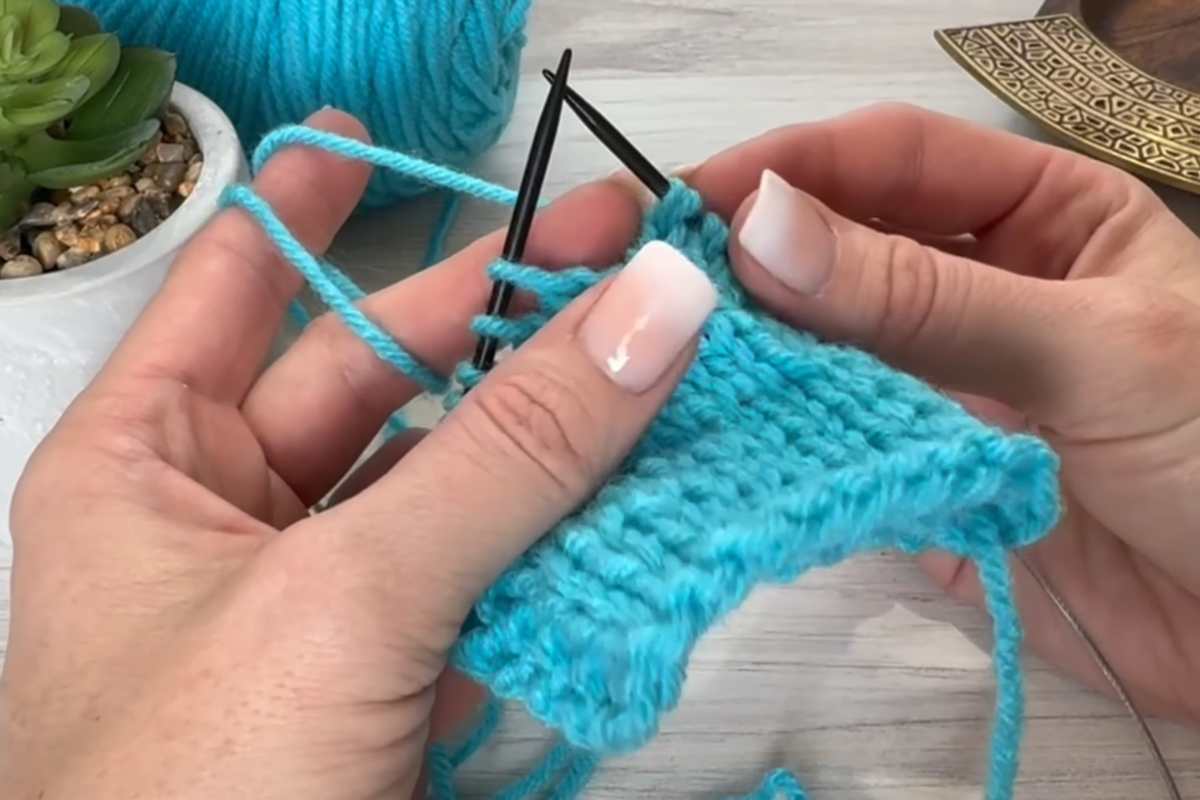
The video demonstrates how to anchor yarn tails on the wrong side as you create new stitches, so stripes and color changes look clean on the front. You’ll see when to trap the tail and when to let it rest, helping you avoid bulky spots.
It also explains when this approach is the best way to weave in ends in knitting—for example, during frequent color changes or when you prefer a needle-free finish while you go. You’ll come away with a repeatable rhythm you can apply to many projects.
Because the tails are secured in short increments, you can check tension as you knit. That immediate feedback reduces the chance of puckering and helps maintain an even gauge throughout the fabric.
Who This Method Helps (Beginners Included)

If you’re just starting out and searching for how to knit for beginners step by step, this technique pairs well with simple swatches and scarf patterns. You’re not learning a new stitch—just adding a light touch to the movements you already use.
Intermediate and advanced knitters benefit when tackling stripes, intarsia blocks, or scrap-yarn projects.
Weaving as you go keeps momentum high, which is especially satisfying on long rows where you’d rather keep knitting than stop to thread a tapestry needle.
Designers and gift-knitters will appreciate the professional, secure finish—tails stay put through wear and washing when they’re nested into the fabric correctly.
Practical Knitting Tips Before You Try It

First, keep the tail relaxed. Trapping it too tightly can compress the fabric and show on the right side. Aim for the same tension as your working yarn so the structure remains invisible from the front.
Second, test on a small swatch in the same yarn. Different fibers behave differently—cotton and linen don’t “grip” like wool, so you may want a few extra traps or a short, traditional weave at the end for extra security.
Third, glance at the right side every few rows. If any shadowing appears, adjust how often you catch the tail. A quick visual check prevents surprises later.
When To Use “Knitting In Ends As You Go” (and When Not To)

Knitting in ends as you go shines for stripe sequences, small color pops, and modular pieces where stopping to finish many tails would break your flow. It lets you keep needles in your hands and maintain creative momentum.
However, for delicate lace or extremely open textures, consider a traditional finish after blocking. With open fabrics, a hidden duplicate-stitch weave can be less noticeable and preserves the airy look.
For hard-wear areas like cuffs or sock heels, you might combine methods: weave while you knit for neatness, then secure the final centimeter with a needle on the wrong side.
Attribution & What We’re Curating Here
This is a curated overview of a YouTube tutorial by its original creator. All technique visuals, demonstrations, and specific maneuver details belong to the video’s author.
Our goal is to help you decide if this approach fits your project and to provide context so you can watch with confidence.
We intentionally avoid reproducing a step-by-step script or the creator’s proprietary tips. Instead, we summarize learning outcomes, ideal use cases, and ways to practice so you get the most from the source material.
Images and patterns courtesy of Knit and Crochet Ever After
Ready To Watch The Tutorial?

Source: Knit and Crochet Ever After
You may also like