
7 How to Read Knitting Charts for Beginners Steps


Knitting charts can look like a tiny grid of mystery symbols—until they suddenly click.
In this beginner-friendly walkthrough, you’ll learn how to read common chart symbols step-by-step, so you can follow patterns with more confidence and fewer “wait… what row am I on?” moments.
Knit Stitch (k)

The knit stitch is usually one of the first symbols you’ll spot in a knitting chart, and it’s the backbone of countless patterns. Once you know what “k” looks like on a chart (and how it lines up with your rows), chart-reading starts to feel much more predictable.
This step helps you connect the symbol to the action on your needles, so you can move smoothly from chart to fabric without second-guessing every square.
👉 Click here to see the full tutorial.
Purl Stitch (p)

Purl symbols are the other half of the “knit + purl” duo, and they show up everywhere—especially in textures, ribbing, and patterns that pop. Learning how “p” is represented helps you read a chart like a map, spotting where the fabric will dip, ridge, or reverse.
If you’ve ever looked at a chart and wondered why the pattern doesn’t match your fabric, this is often the moment where things become clearer—especially when you see how purls shape the look.
👉 Read the full guide and see all the chart examples.
Yarn Over (YO)

A yarn over is one of the most important chart symbols for lace and airy details. On charts, YO usually signals an intentional hole (and it often pairs with decreases to balance stitch counts).
This step makes it easier to recognize where lace “opens up,” so you can anticipate the effect instead of being surprised mid-row. It’s a great way to start reading charts more visually—almost like you can preview the finished fabric.
👉 Tap to get the full step-by-step explanation.
Knit 2 Together (k2tog)

When you see k2tog in a chart, you’re looking at a decrease that leans in a specific direction. Charts help you see shaping before you knit it, which is a big win for garments, hats, and clean-looking lace.
This step is all about connecting the symbol to the result: fewer stitches and a tidy line that angles one way. Once you can identify decreases quickly, you’ll read charts faster and catch mistakes sooner.
👉 Get the full tutorial and see how it looks in charts.
Cast On (CO)

Cast on instructions can appear in patterns in different ways—especially when a chart includes setup notes, edging, or sections that begin separately. Knowing how CO is referenced helps you start confidently without hunting through the pattern.
This step keeps things beginner-friendly by focusing on what you need to recognize and where to look, so you can begin the chart with a clear plan and avoid confusing “starting points.”
👉 Click to see the full cast-on chart guide.
Slip, Slip, Knit (ssk)

SSK is another key decrease, and it usually leans the opposite direction from k2tog. On a chart, recognizing ssk helps you understand symmetry—especially in lace panels or shaping that mirrors on both sides.
Once you can spot this symbol quickly, you’ll be able to “read” the direction of your decreases just by scanning the chart. It’s a small skill that makes your knitting look more polished.
👉 See the complete instructions and chart examples here.
Stockinette Stitch (St st)
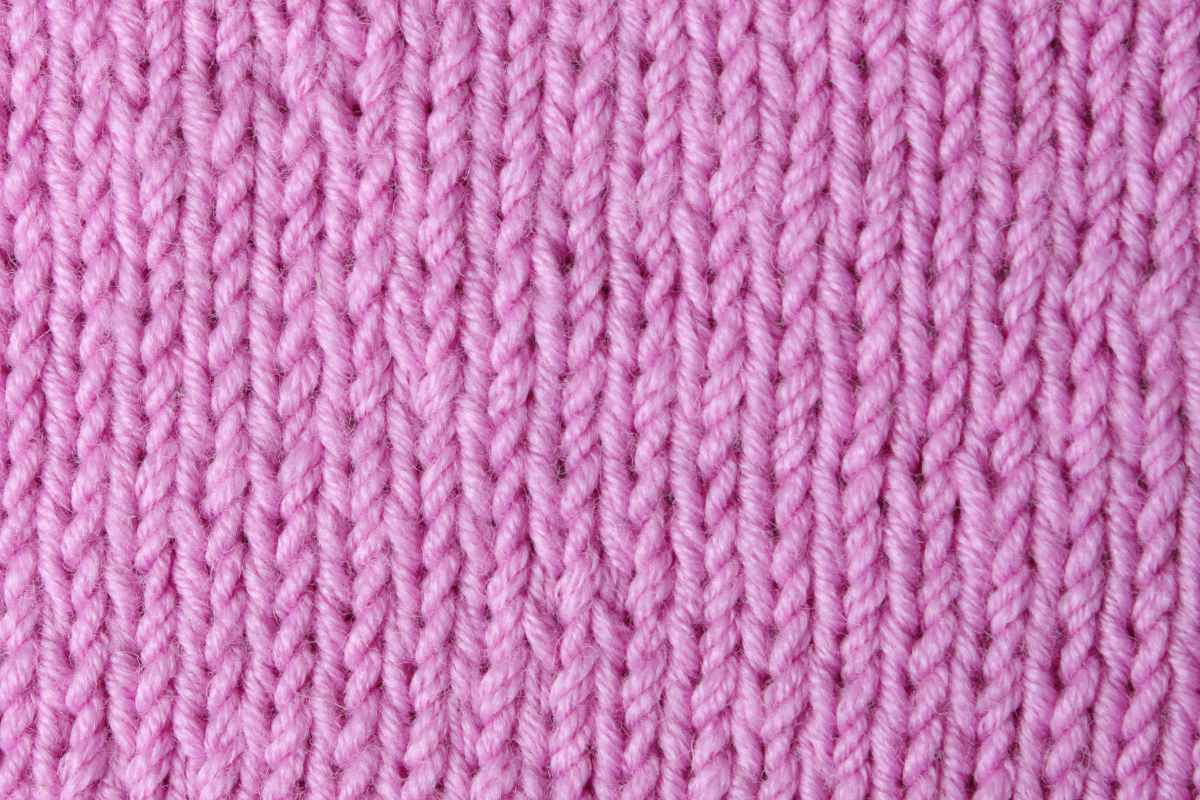
Stockinette stitch is the smooth, classic fabric many knitters picture first—and charts often use it as the “background” of a design. Understanding how St st is represented helps you know what’s happening in the spaces between textures, lace, or colorwork.
This step is especially helpful because it ties chart symbols back to something you already know: how stockinette is formed and what it should look like on the right and wrong sides.
👉 Read the full walkthrough and follow along with the chart.
Once you understand what the most common symbols mean, knitting charts become less like code and more like a helpful visual guide. Keep this list handy the next time a pattern includes a chart—you’ll be surprised how quickly it starts to feel natural.
—Hannah
You may also like