
7 Knitting Needle Size Chart Mistakes That Throw Off Gauge (And Quick Fixes)

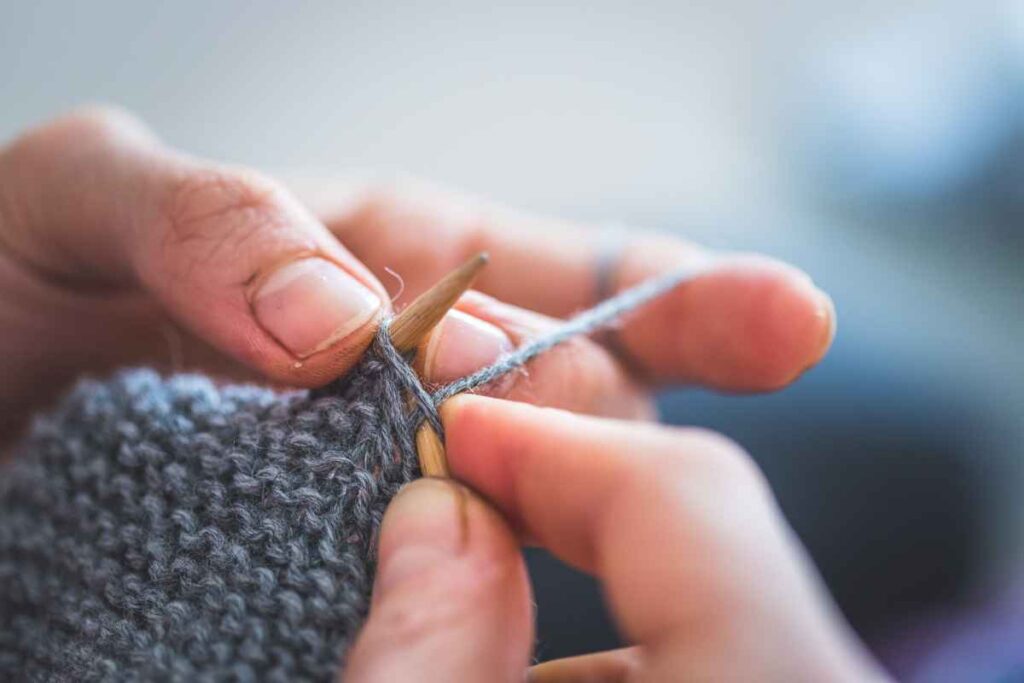
Ever feel like you matched the “right” needle size… and your gauge still came out totally wrong? You’re not alone—needle size charts are helpful, but they don’t guarantee gauge.
Below are seven common needle-and-gauge mistakes that can quietly change your fabric (and your sizing), plus quick fixes to get you back on track fast.
Not Swatching at All
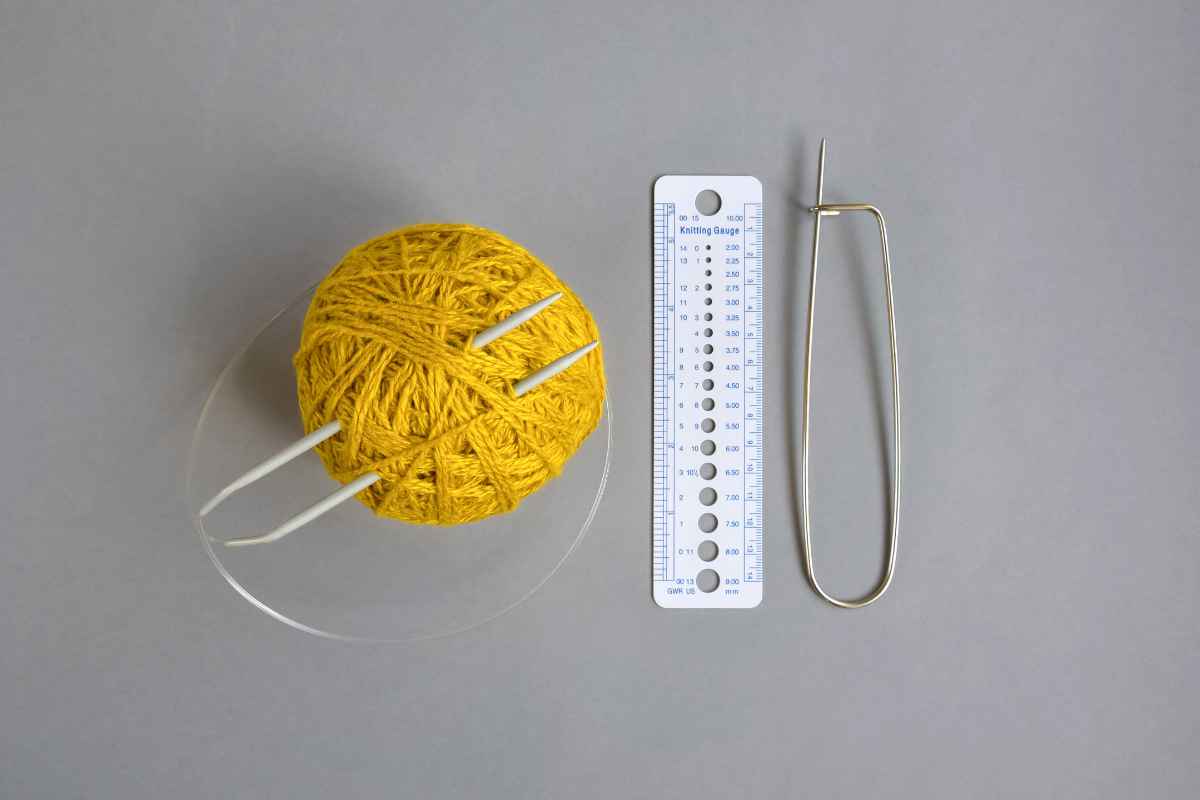
Needle charts are a starting point, but gauge is personal—so skipping the swatch is one of the quickest ways to end up with a sweater that doesn’t fit or a hat that surprises you. Even projects that “seem forgiving” can change with yarn type, needle material, and your mood that day.
If you hate swatching, keep it simple: a small, purposeful swatch that you actually measure. You’ll save time later by avoiding ripping back, and you’ll feel more confident casting on.
👉 Get the full step-by-step swatching tips here.
Swatching in The Round
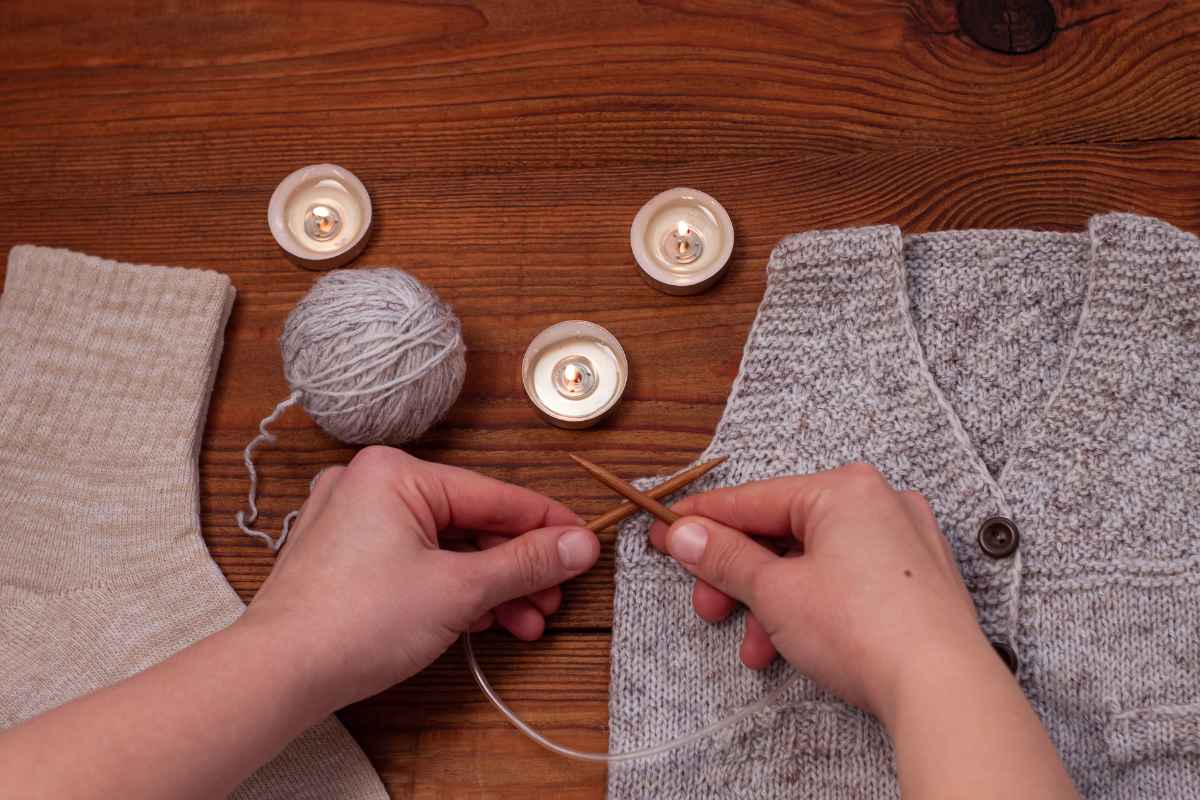
A flat swatch doesn’t always match your in-the-round gauge, especially if your knit and purl tension differ. Many knitters purl looser (or tighter) than they knit—so a flat stockinette swatch can mislead you for hats, sleeves, and seamless yokes.
The fix: swatch the same way you’ll knit the project. That could mean a true round swatch or a method that mimics knitting in the round so your gauge reflects real conditions.
👉 Click to see how to swatch in the round properly.
Not Blocking the Swatch
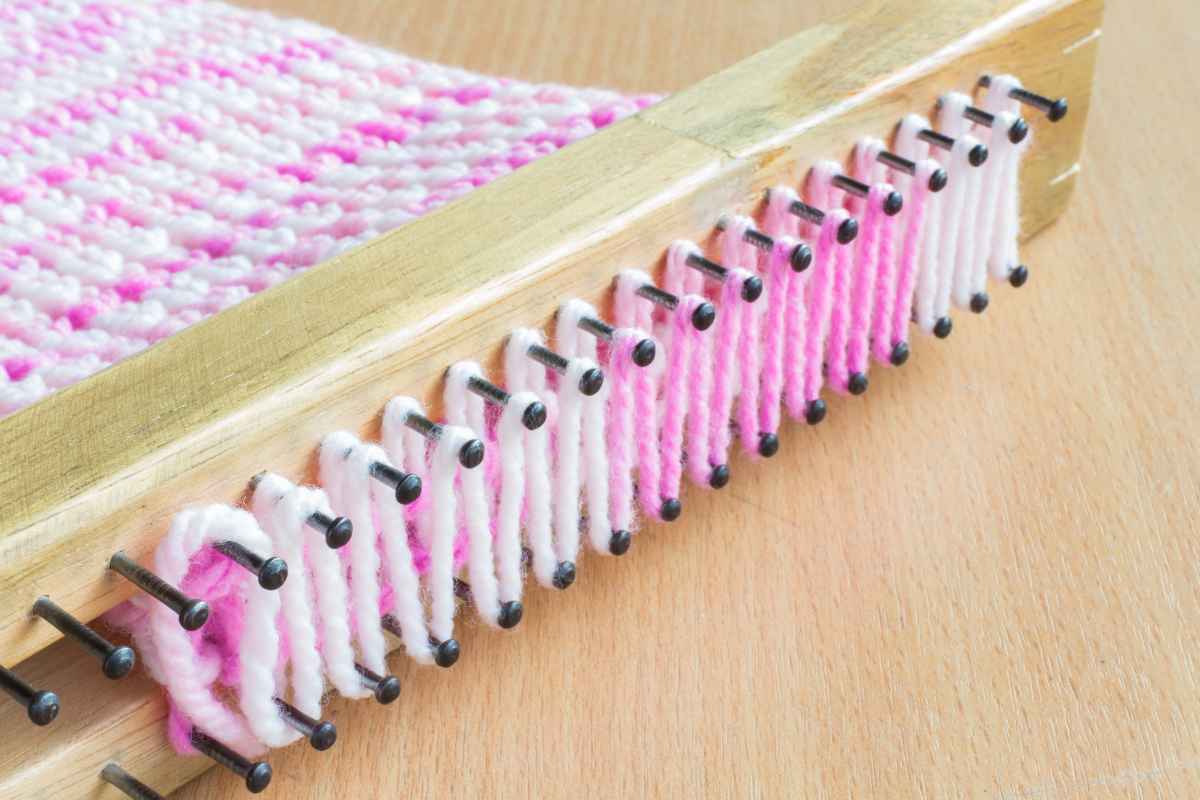
Yarn can relax, bloom, stretch, or tighten after washing—so measuring an unblocked swatch can give you a gauge that disappears the moment your project gets wet. This matters a lot for fibers that change shape, and for garments where fit is everything.
Block your swatch the same way you’ll care for the finished item, then measure once it’s dry. Blocked gauge is the gauge that counts for how your project will actually wear.
👉 See the full blocking-and-measuring walkthrough here.
The Type of Needles
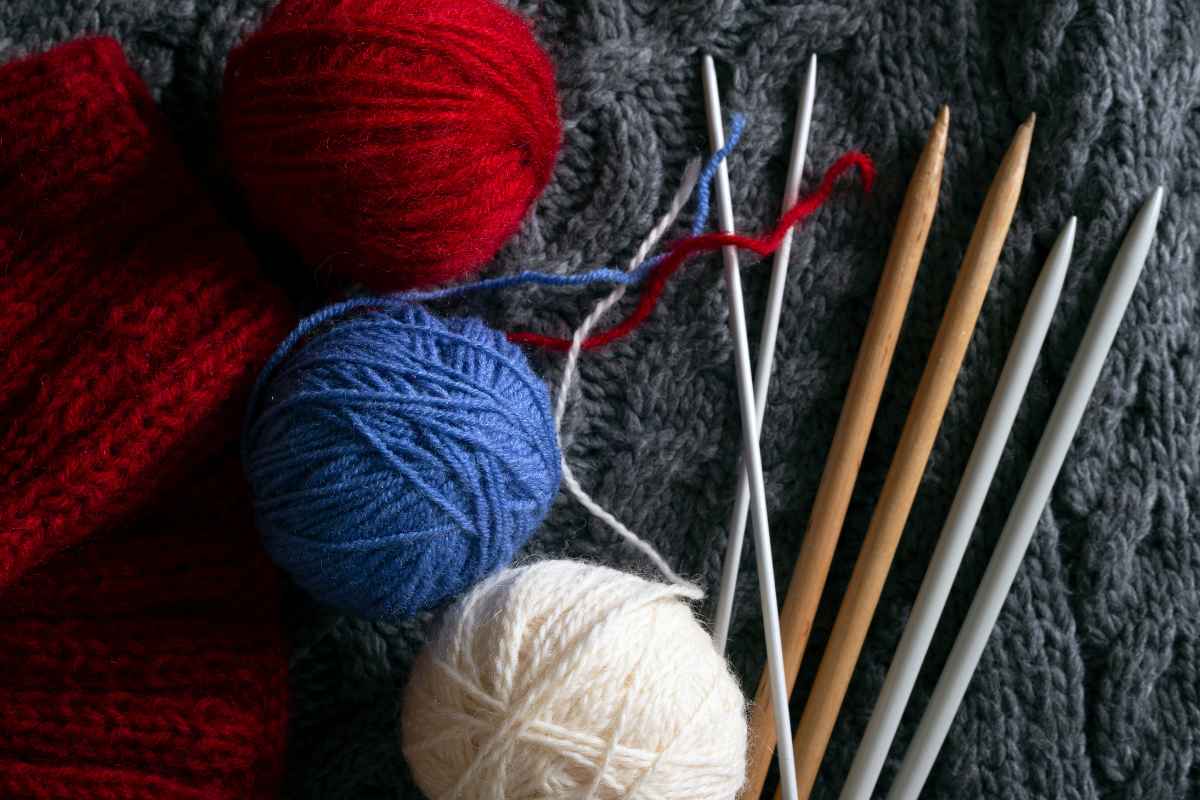
Not all needles knit the same—even at the same labeled size. Materials (metal vs bamboo), tip sharpness, and cable flexibility can subtly change your tension and stitch formation, which means your gauge may shift without you realizing why.
If you’re chasing gauge, consider testing the same size in a different needle material, or switching to a needle type that feels more stable in your hands. It’s a simple change that can make your stitches instantly more consistent.
👉 Explore the full needle guide and troubleshooting tips here.
Stitches are Too Tight
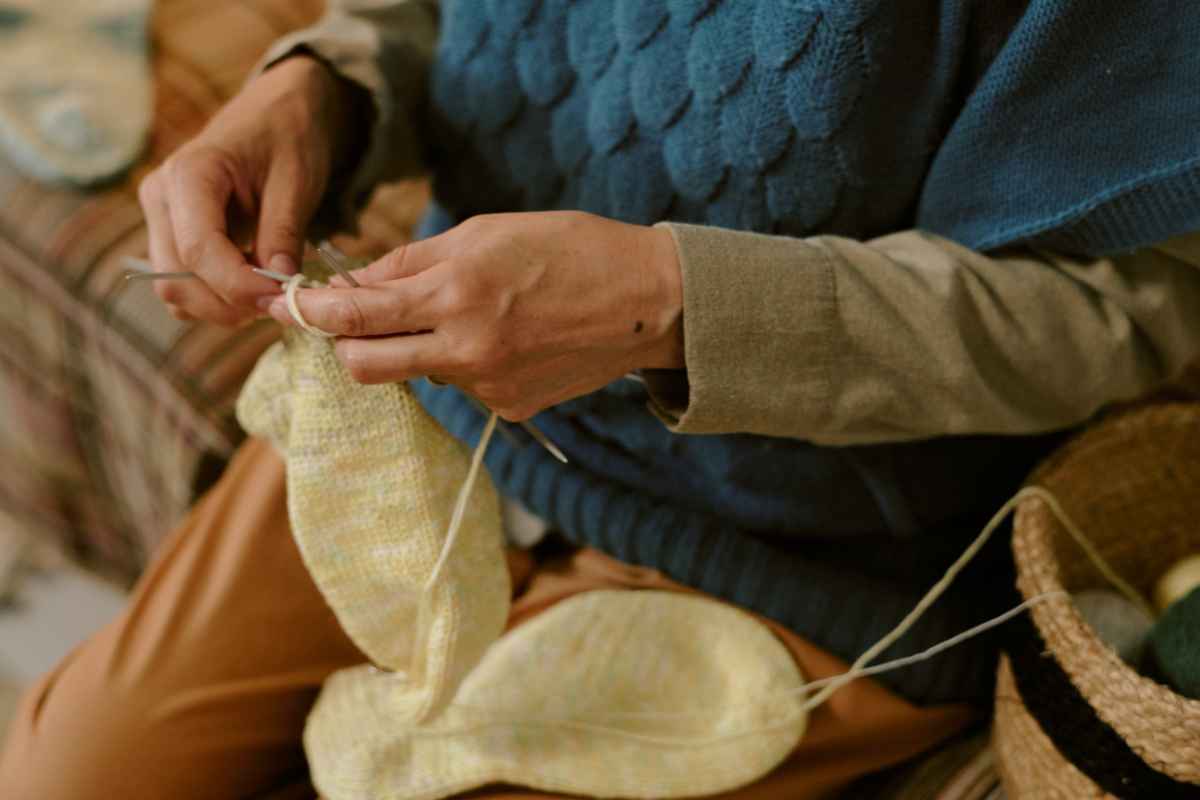
If your stitches feel like they’re fighting you, gauge often ends up smaller than expected—and your fabric can look stiff or dense. Tight knitting can happen even when you’re using the “correct” size on a needle chart, because your personal tension is doing more of the work than the needle number.
A quick fix is to focus on letting the needle tips do the shaping (not your hands), and to check whether going up a needle size gives you a fabric you actually like. Gauge isn’t just math—it’s the fabric feel, too.
👉 Click here to see the full tutorial.
Stitches are Too Loose
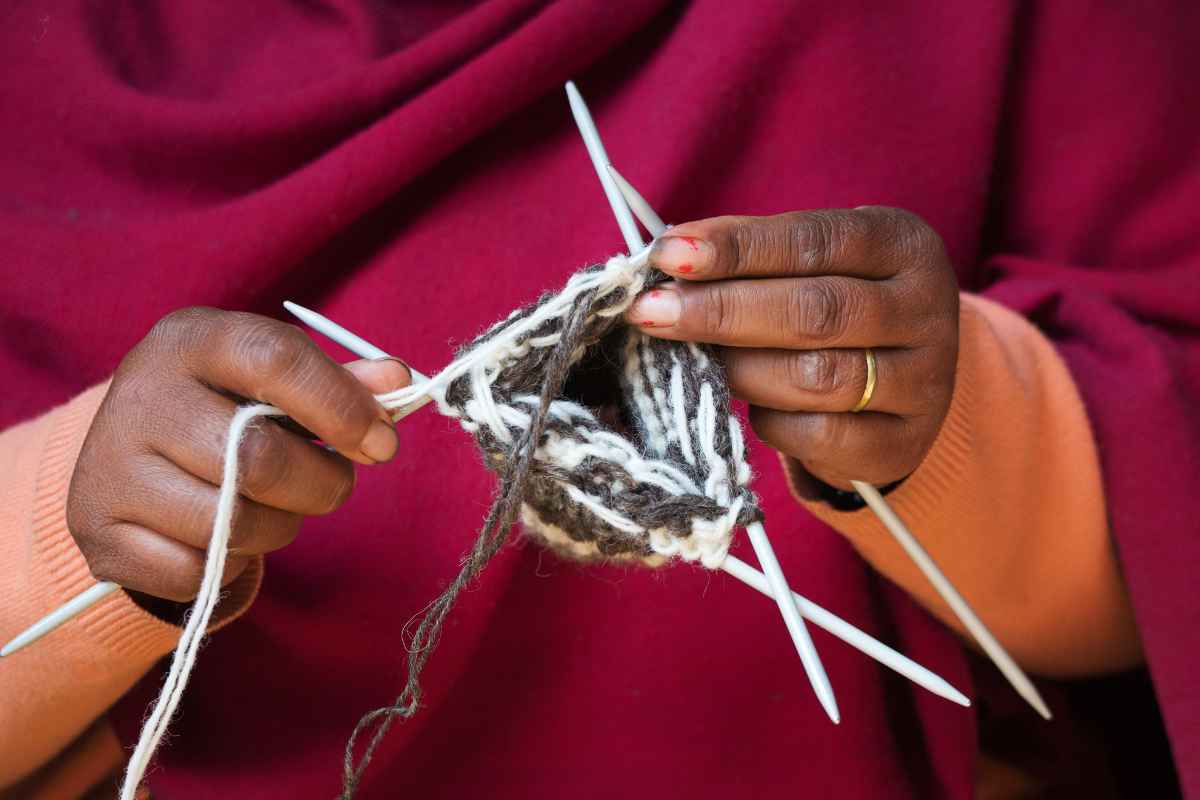
Loose stitches usually create a larger gauge (more width and length) and a drapier fabric—sometimes too drapey, with gaps that weren’t meant to be there. Even if you chose the right size from a chart, your yarn and your hands can combine to make the fabric grow.
Try tightening your control of the working yarn (without straining), and test going down one needle size if needed. It’s also worth checking your stitch mounting and how you wrap your yarn—small habits can make a big difference.
👉 Read the full guide and see all the photos here.
Uneven Tension
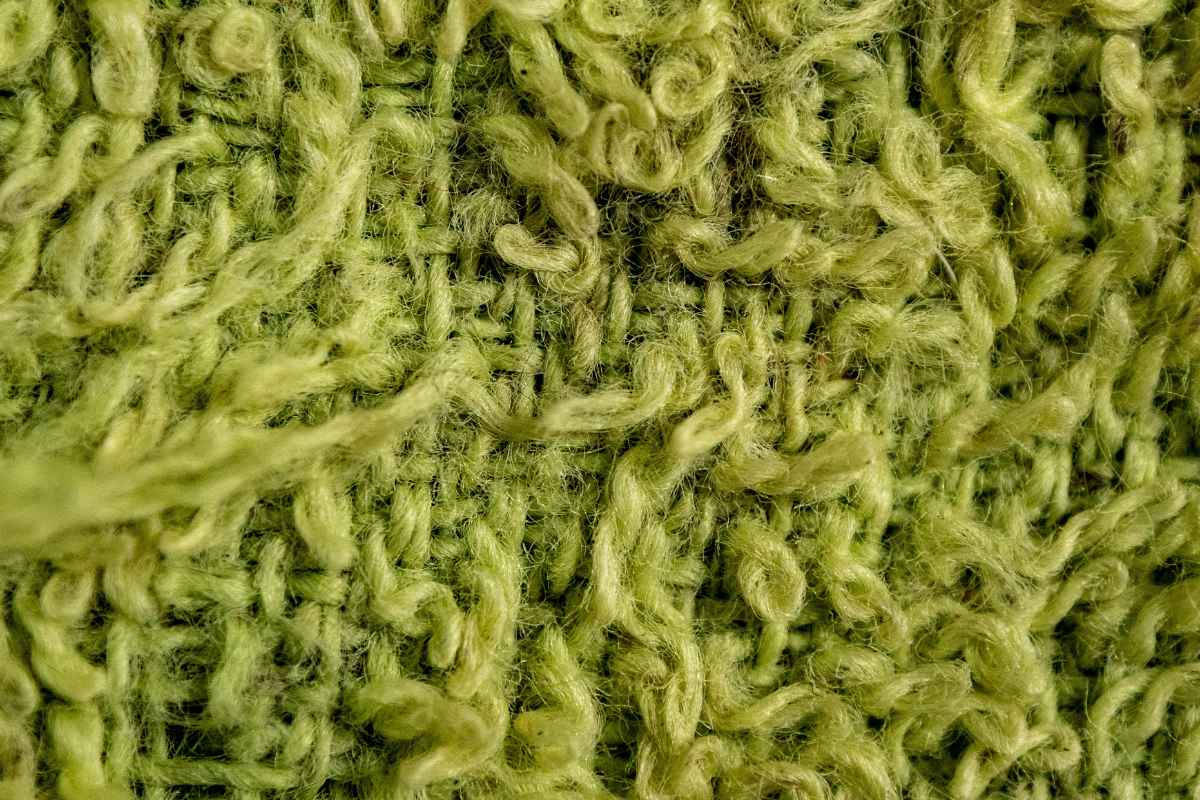
When your tension varies, your gauge can “average out” in weird ways—and the fabric can look wavy, patchy, or inconsistent. This often shows up when you switch between knit and purl, change speeds, or knit in different lighting/positions (yes, really!).
The fastest fix is to identify when it happens (purl rows, new needles, after breaks) and then swatch with intention. A consistent routine beats chasing needle sizes—same seat, same posture, same knitting style while testing gauge.
👉 Tap to see the complete instructions.
Gauge problems can feel mysterious, but most of the time it’s one small habit—or one small needle change—making the biggest difference.
Use this checklist to troubleshoot quickly, then swatch with confidence so your finished project turns out the size (and fabric) you actually want.
— Hannah
You may also like