
10 Tips for Reducing Seasickness on Your Next Sailing Trip
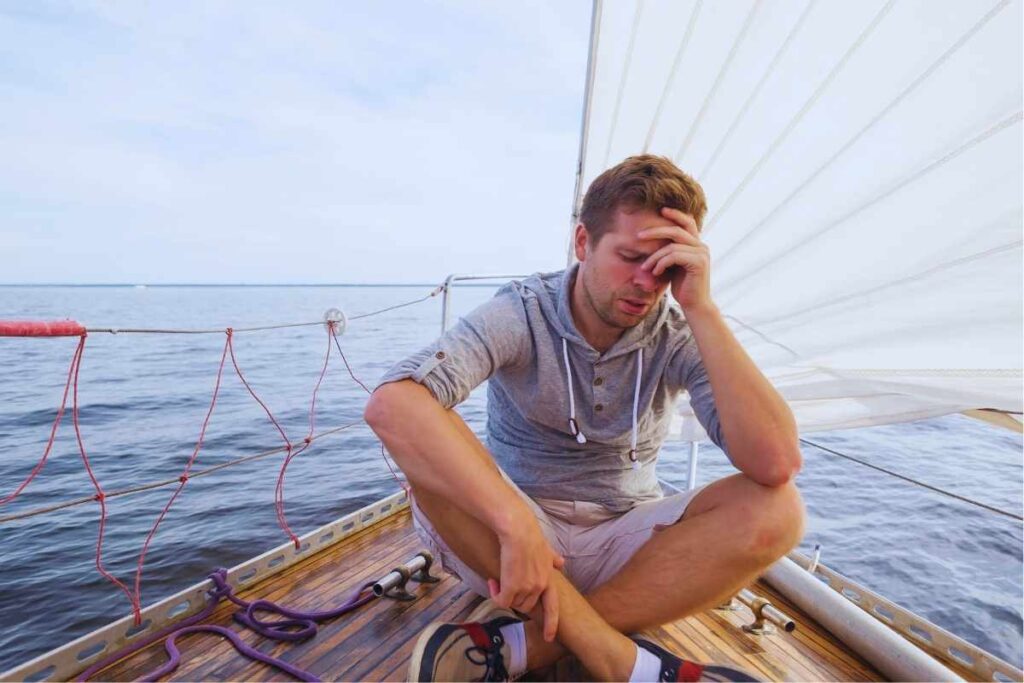
There's nothing quite like the thrill of sailing on the open sea, feeling the wind in your hair and the spray of saltwater on your skin.
However, for many, this experience can be marred by seasickness. Understanding how to effectively manage and reduce seasickness can make all the difference in reducing seasickness on your next sailing trip.
By taking the right precautions and being prepared, you can enjoy your time on the water without the discomfort of nausea.
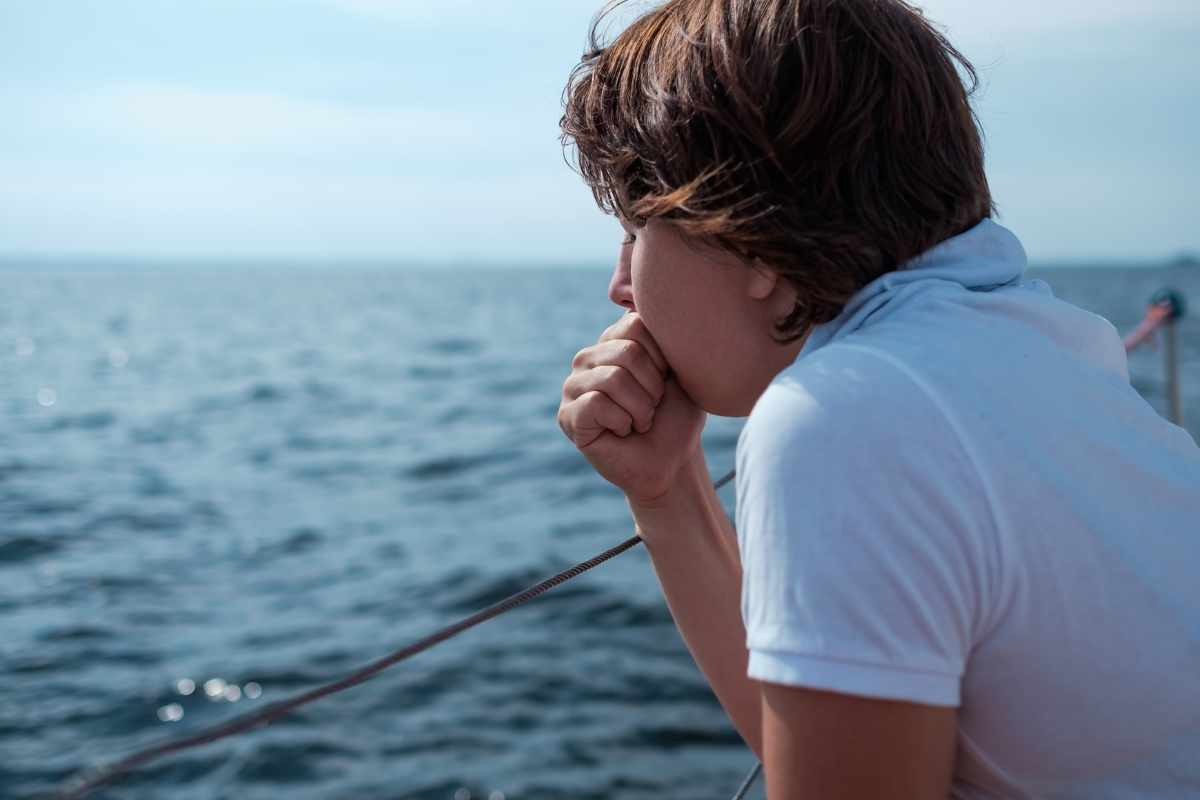
Reducing Seasickness on Your Next Sailing Trip: Key Strategies
Seasickness is a form of motion sickness caused by the brain receiving conflicting signals from the inner ear, eyes, and sensory nerves.
The rocking motion of a boat can disrupt the inner ear's sense of balance, leading to symptoms like dizziness, nausea, and vomiting.
Reducing seasickness on your next sailing trip involves a combination of preventative measures, remedies, and behavior adjustments. Here are some tips to help you minimize seasickness and enjoy your voyage.
1. Choose the Right Spot on the Boat
Where you position yourself on the boat can significantly affect your experience of seasickness.
Staying in the center of the boat, particularly on the lower deck, can reduce the feeling of motion because this area moves the least. The front and back of the boat experience more movement, which can exacerbate symptoms.
2. Keep Your Eyes on the Horizon
Focusing on the horizon can help stabilize your inner ear by providing a fixed point in the distance.
Keeping your eyes on the horizon allows your brain to reconcile the conflicting signals it receives from the inner ear and visual cues, which can help alleviate the symptoms of seasickness.
3. Avoid Reading or Looking at Screens
While it might be tempting to distract yourself with a book or your phone, reading or looking at screens can worsen seasickness.
This activity forces your eyes to focus on a close-up object that moves differently from the motion sensed by your inner ear, creating a disconnect that can trigger nausea.
4. Stay Hydrated and Eat Lightly
Dehydration can make you more susceptible to seasickness, so it’s important to stay hydrated before and during your trip.
Drink plenty of water and avoid alcohol, which can contribute to dehydration. Eating a light, non-greasy meal before boarding can also help prevent nausea. Foods like crackers, bread, and bananas are gentle on the stomach.
5. Use Over-the-Counter Medications
There are several over-the-counter medications available that can help prevent and treat seasickness.
Antihistamines like dimenhydrinate (Dramamine) or meclizine (Bonine) are commonly used and can be effective if taken at least an hour before departure.
Be aware that these medications can cause drowsiness, so it's important to know how they affect you before taking them on a trip.

6. Try Natural Remedies
For those who prefer natural alternatives, several remedies can help with seasickness. Ginger, in the form of ginger tea, capsules, or candy, has been shown to reduce nausea for some people.
Peppermint oil and acupressure bands, which apply pressure to a specific point on the wrist believed to alleviate nausea, are also popular choices.
7. Get Fresh Air
If you start to feel queasy, getting some fresh air can help. Staying outside on the deck, where you can breathe in fresh air and see the horizon, can provide relief from the stuffy, enclosed spaces below deck that can worsen symptoms. If it's safe to do so, try to stay on the deck as much as possible during your trip.
8. Avoid Strong Odors
Strong smells, like those from diesel fuel, certain foods, or even perfume, can trigger or worsen seasickness.
Avoiding strong odors can help keep nausea at bay. If possible, stay away from the galley, engine room, or any areas where these odors are prevalent.
9. Get Plenty of Rest
Lack of sleep can lower your body’s resistance to seasickness, so it’s important to get plenty of rest before your sailing trip.
A good night’s sleep will help keep your immune system strong and your body more resilient to the physical stresses of being on the water.
10. Focus on Breathing and Relaxation Techniques
Sometimes, the anxiety of feeling seasick can make symptoms worse. Practicing deep breathing and relaxation techniques can help calm your nervous system.
Focus on taking slow, deep breaths, and try to remain as relaxed as possible. Engaging in calming activities like listening to music or meditating can also help distract your mind from the motion.
Bonus Tip: Know When to Seek Medical Help
While most cases of seasickness are mild and manageable, severe symptoms can sometimes require medical attention.
If you or someone in your party experiences persistent vomiting, dehydration, or confusion, it may be time to seek help from a medical professional. Always err on the side of caution and ensure that there is a plan in place for accessing medical care if needed.

Enjoy the Waves Without the Woes
By following these tips for reducing seasickness on your next sailing trip, you can better prepare yourself to handle the motion of the sea.
Whether you choose to use medications, natural remedies, or simply focus on your breathing and positioning, being proactive can help ensure a smoother, more enjoyable experience.
Remember, the key is to understand your body’s responses and be prepared with a variety of strategies. With the right approach, you can conquer seasickness and fully embrace the adventure of sailing on the open ocean.
Did you find this post useful or inspiring? Save THIS PIN for later in your Outdoor Board on Pinterest! 😊


Explore these outdoor tips too