
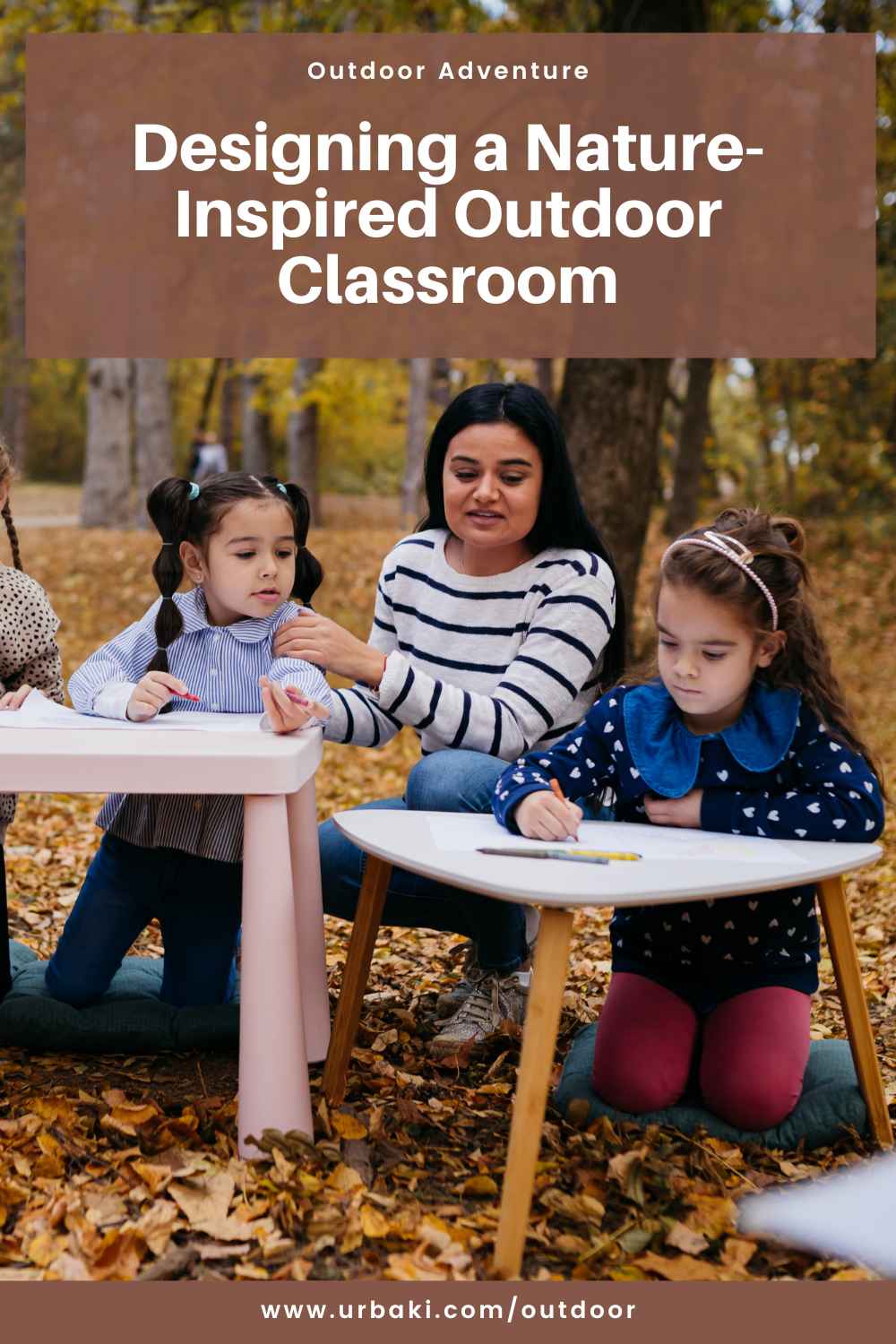
Designing a Nature-Inspired Outdoor Classroom
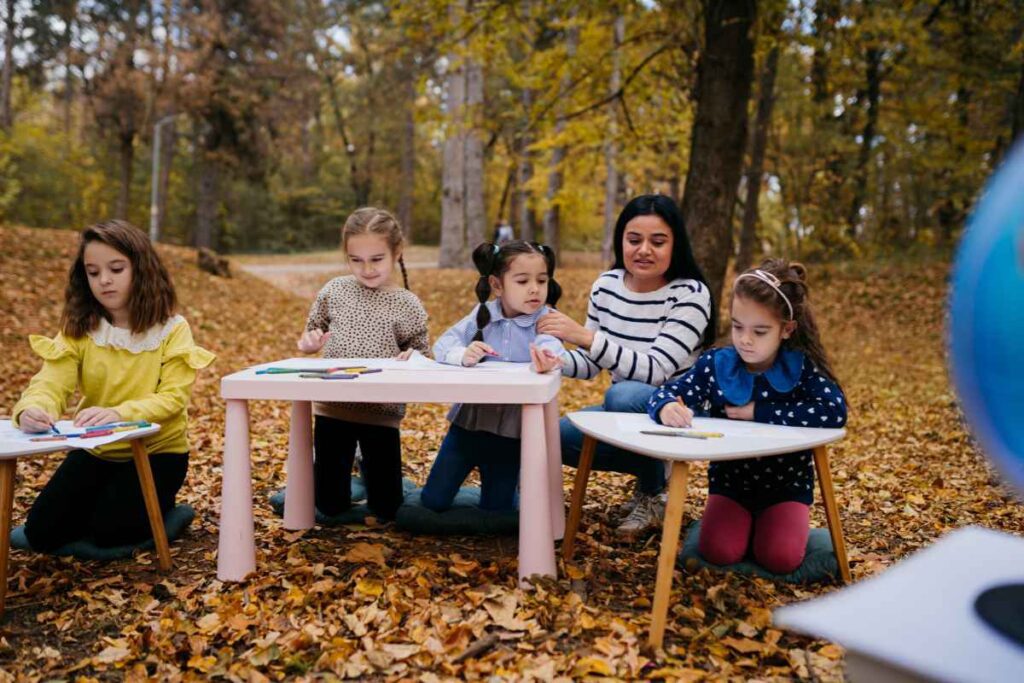
A nature-inspired outdoor classroom is a creative and effective way to combine learning with the beauty of the natural world. It provides students with a dynamic environment to explore, engage, and connect with nature while promoting hands-on learning and creativity.
Whether it’s for a school, community center, or home, designing such a space can transform education into an enriching, multi-sensory experience.
This guide will walk you through the steps to design an outdoor classroom that is functional, engaging and well suited to its natural surroundings.
Why Choose a Nature-Inspired Outdoor Classroom?
Integrating nature into education offers a wide range of benefits, including:
- Enhanced Learning: Nature-based settings improve focus, creativity, and problem-solving skills.
- Physical Health: Outdoor classrooms encourage physical activity and exposure to fresh air.
- Environmental Awareness: Students develop a deeper appreciation for nature, fostering sustainable behaviors.
- Engagement: The hands-on, interactive nature of outdoor classrooms captures students’ attention and makes learning enjoyable.
Planning Your Outdoor Classroom
Step 1: Assess the Space
Begin by evaluating the available outdoor area to determine how best to use it:
- Size: Measure the space to decide on features and layout.
- Natural Features: Identify existing trees, plants, or rocks that can be incorporated into the design.
- Sunlight and Shade: Consider how the sun moves across the area to position seating and workstations effectively.
Step 2: Define Your Goals
Think about how the classroom will be used:
- Subjects: Will it focus on science, art, or multiple subjects?
- Activities: Plan for group discussions, experiments, or creative projects.
- Audience: Consider the age group and number of students.
Key Elements of a Nature-Inspired Outdoor Classroom
1. Seating Areas
Create comfortable and functional seating arrangements:
- Logs and Stumps: Use natural materials like tree stumps or logs for seating.
- Benches and Picnic Tables: Provide sturdy, weather-resistant options for group activities.
- Amphitheater Style: Arrange seats in a semicircle for presentations or group discussions.
2. Teaching Space
Designate a focal point for teaching:
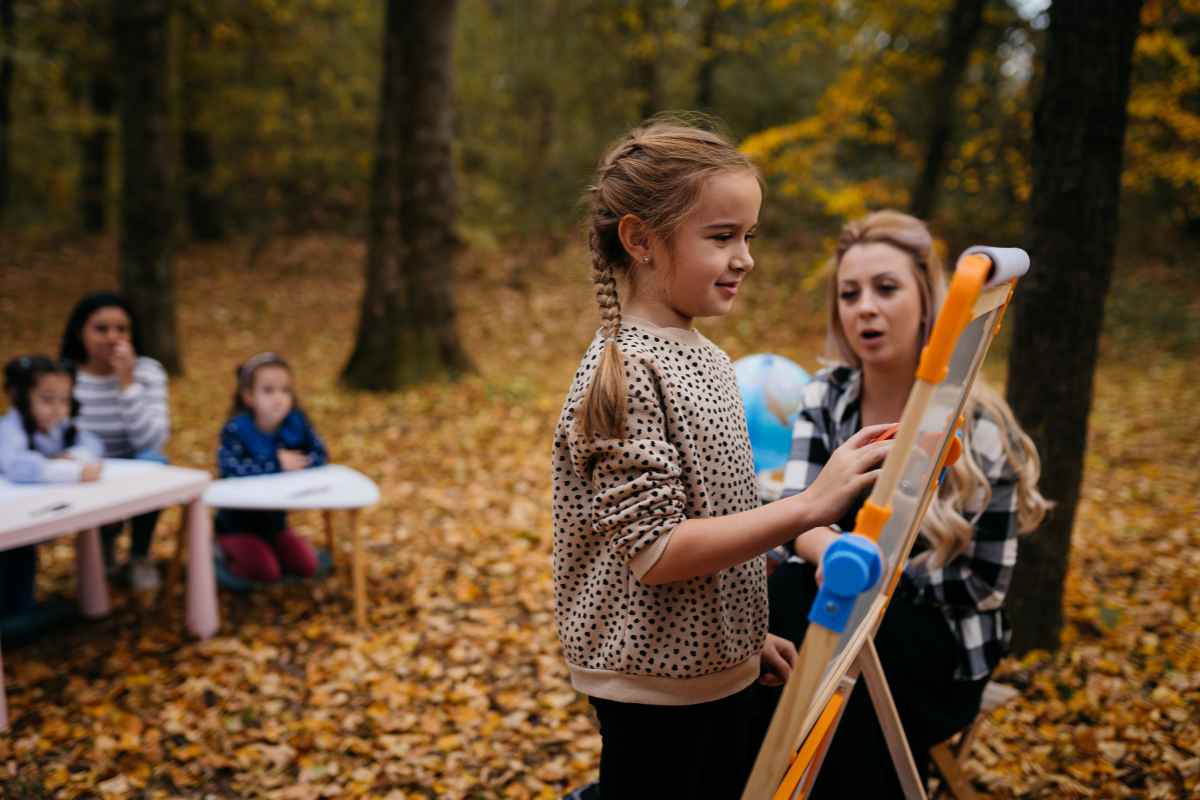
- Blackboard or Whiteboard: Install a weatherproof board for lessons.
- Presentation Area: Use a flat surface or platform as the central teaching spot.
- Natural Backdrops: Position the teaching area near trees or a garden to enhance the setting.
3. Interactive Learning Zones
Incorporate hands-on learning opportunities:
- Gardens: Include vegetable, herb, or flower gardens for lessons on botany and sustainability.
- Water Features: Add small ponds, fountains, or rainwater collection systems to teach about ecosystems and water cycles.
- Rock and Soil Stations: Use areas with diverse rocks and soil types for geology experiments.
4. Creative Spaces
Encourage artistic and imaginative activities:
- Art Stations: Provide easels, paints, and natural materials like leaves and sticks for creative projects.
- Music Areas: Include outdoor instruments, such as drums or chimes, made from natural or recycled materials.
- Story Circles: Arrange seating in a circle for storytelling and discussions.
5. Shelter and Shade
Ensure comfort and usability in various weather conditions:
- Canopies or Pergolas: Install structures with vines or canvas covers for shade.
- Natural Shade: Use large trees to provide cooling shade during hot days.
- Rain Shelters: Add a gazebo or tarp-covered area for rainy weather.
Steps to Design Your Outdoor Classroom
Step 1: Map the Layout
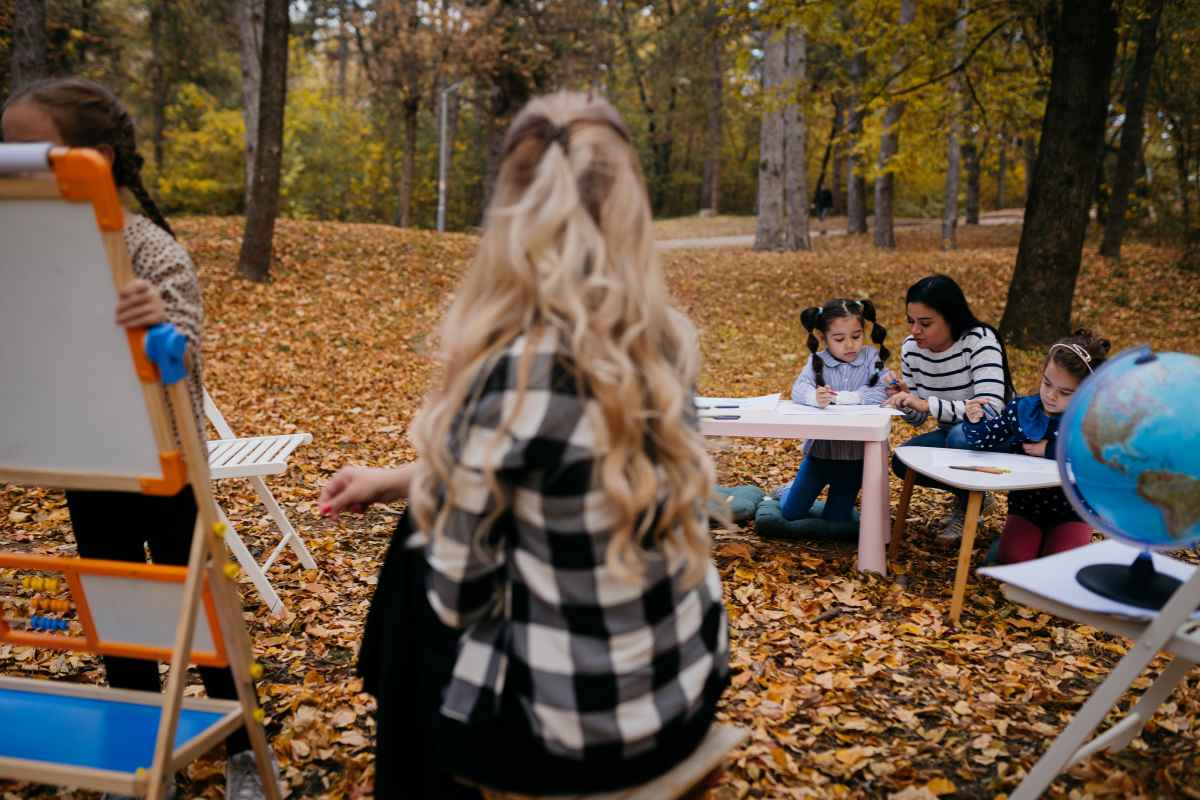
Sketch a layout that incorporates seating, teaching spaces, and learning zones. Balance open areas with defined spaces for activities.
Step 2: Choose Sustainable Materials
Use eco-friendly and durable materials, such as:
- Reclaimed Wood: For benches, tables, or art stations.
- Natural Stones: For pathways, seating, or landscaping.
- Recycled Materials: For building structures or creating play areas.
Step 3: Incorporate Plants and Landscaping
Enhance the classroom’s natural feel with thoughtful landscaping:
- Native Plants: Choose plants that thrive in the local climate and attract pollinators like bees and butterflies.
- Edible Gardens: Plant fruits, vegetables, and herbs for educational and practical use.
- Trees and Shrubs: Use greenery to define boundaries and create shaded areas.
Step 4: Add Storage Solutions
Keep supplies organized and protected:
- Outdoor Cabinets: Weatherproof cabinets or lockers for tools and materials.
- Tool Racks: Hooks or stands for gardening tools.
- Mobile Carts: Easily transport supplies between indoor and outdoor spaces.
Enhancing the Learning Experience
Use Natural Materials for Lessons
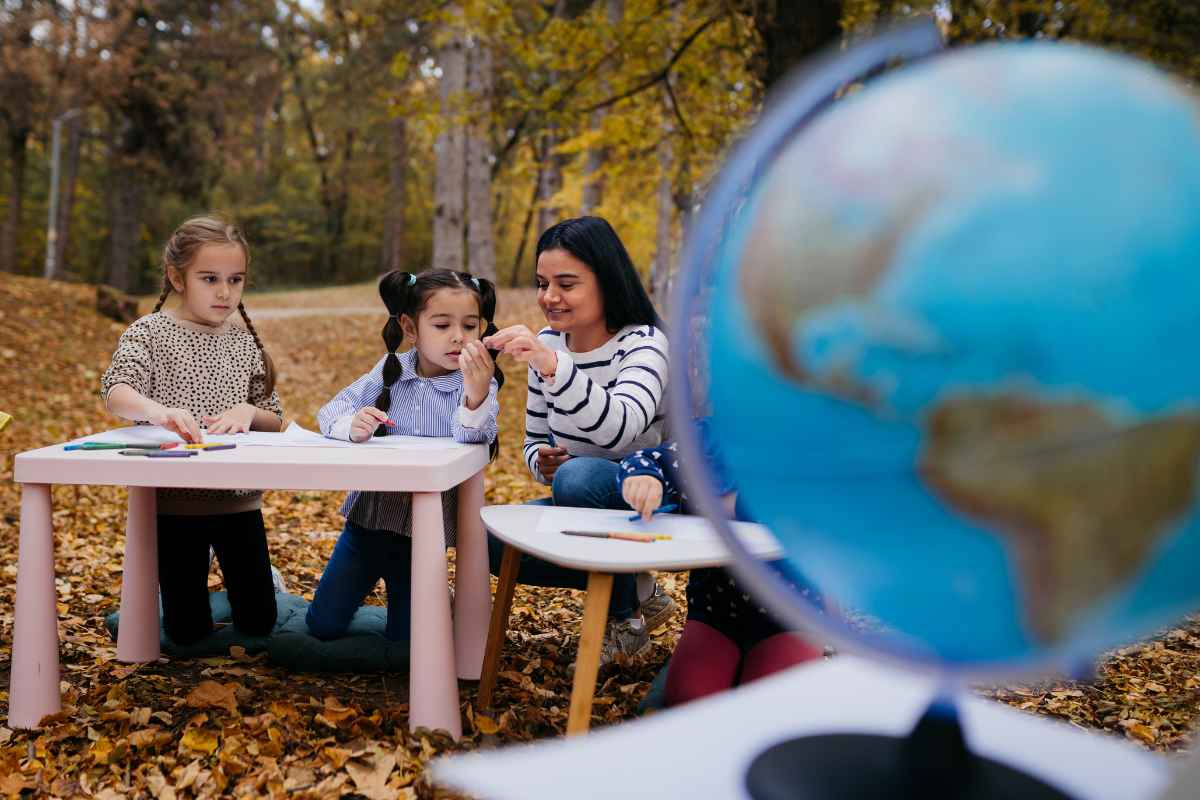
- Science: Study plants, insects, or weather patterns directly in their natural habitat.
- Art: Collect leaves, flowers, or stones for creative projects.
- Math: Incorporate measuring and counting into gardening or building activities.
Encourage Group Collaboration
Design activities that promote teamwork and communication:
- Build birdhouses or insect hotels.
- Plan and maintain a shared garden.
- Conduct group experiments or scavenger hunts.
Integrate Technology Thoughtfully
While the focus is on nature, technology can enhance learning:
- Use tablets to identify plants or track the weather.
- Install solar-powered charging stations.
- Incorporate weatherproof speakers for presentations or music.
Benefits of a Nature-Inspired Outdoor Classroom
Educational Benefits
- Improved Focus: Natural settings reduce stress and boost concentration.
- Hands-On Learning: Students retain information better through direct interaction with their environment.
Social Benefits
- Teamwork: Collaborative activities build communication and leadership skills.
- Empathy: Exposure to nature fosters a sense of care and responsibility for the environment.
Environmental Benefits
- Sustainability: Teaching in a nature-inspired setting encourages eco-friendly habits.
- Biodiversity: Native plants and features attract wildlife, creating a living lab for exploration.
Maintenance Tips
To keep your outdoor classroom functional and inviting:
- Inspect Regularly: Check for wear and tear on structures and materials.
- Seasonal Cleanup: Prune plants, clear fallen leaves, and refresh pathways.
- Encourage Participation: Involve students in maintaining gardens and cleaning the space.
A nature-inspired outdoor classroom is more than just a learning space—it’s a gateway to curiosity, creativity, and a lifelong connection with the environment. By thoughtfully designing this space, you can foster a love for learning and nature that will benefit students for years to come.
Start planning your outdoor classroom today and watch as it transforms education into a vibrant, engaging, and inspiring experience! It’s a project that combines the beauty of nature with the joy of discovery.
Did you find this post useful or inspiring? Save THIS PIN for later in your Outdoor Board on Pinterest! 😊

Explore these outdoor tips too