
Snow Day Activities for Kids: 8 Fun Ideas and Safety Tips
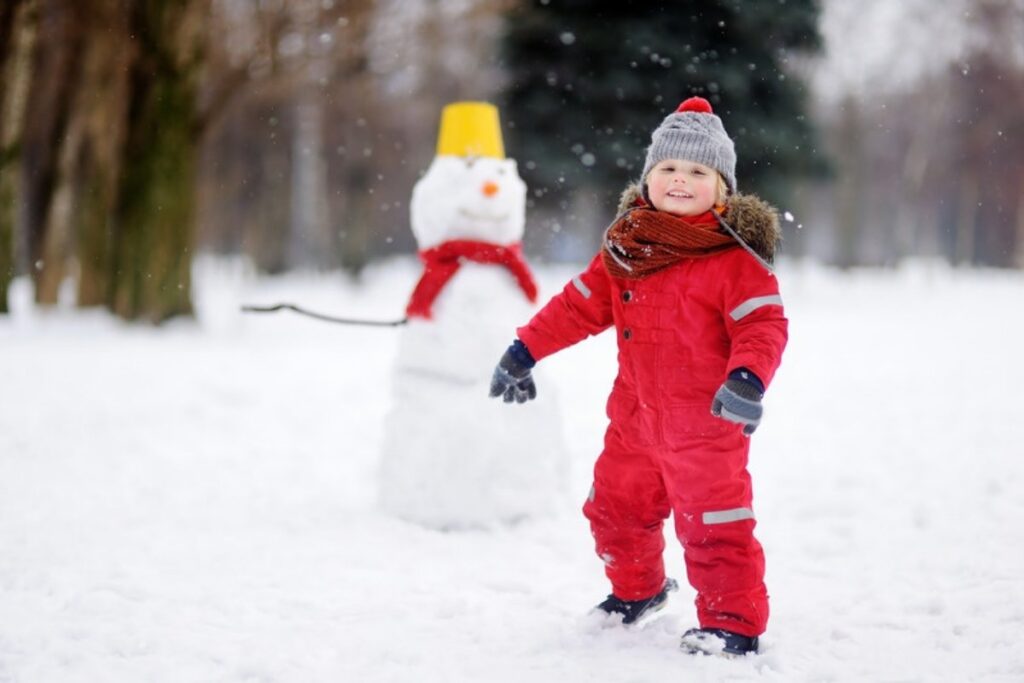
A fresh snowfall turns any backyard, park or trail into a giant playground. The trick is having a few good ideas ready before the kids get restless, plus a plan for keeping them warm and safe once they're out there. Here are eight snow day activities that work for toddlers through tweens, along with the cold-weather safety basics every parent should know.
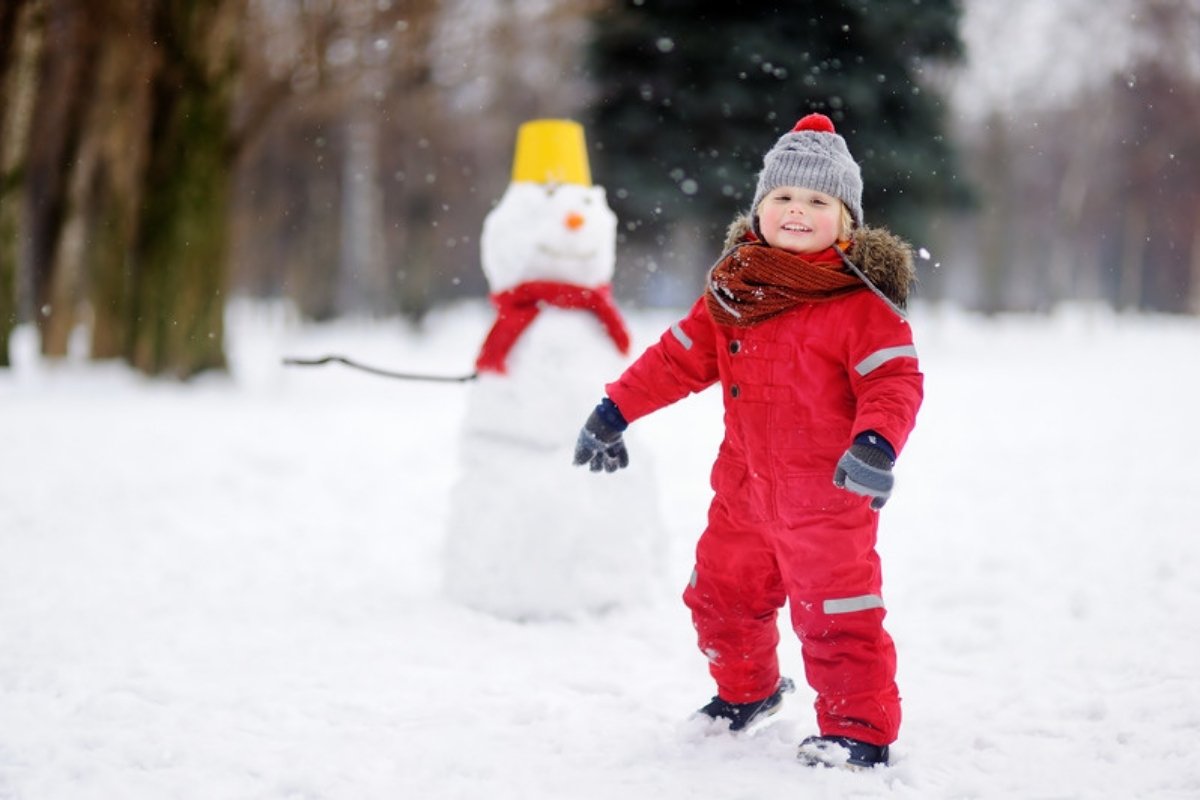
1. Build a Snowman (or a Whole Snow Family)
It's the classic for a reason. Wet, packable snow works best, so the day after a snowfall, when temperatures sit near freezing, is often better than the morning of a dry, powdery storm. Start with a small snowball, pack it tight with mittens, then roll it across the yard so it picks up layers as it grows.
Turn it into a project: have each child build a member of the family, or make a snow version of the family dog. Bring out a small bag of "decorations" from the house, like old scarves, buttons, pinecones and sticks, so nobody has to go back inside halfway through.
Younger kids tire quickly when rolling big snowballs, so let them handle the head and the details while older siblings or adults do the heavy lifting.
2. Go Sledding the Safer Way
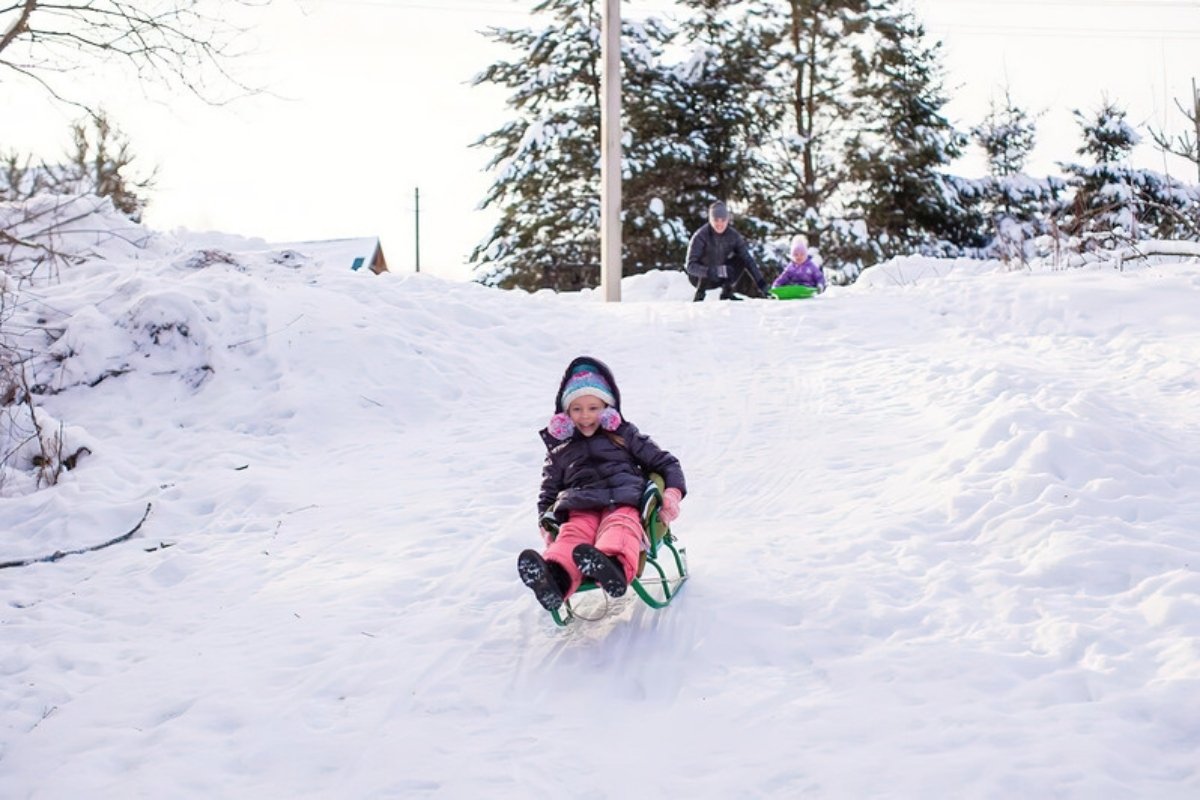
Sledding is the highlight of most snow days, and a few simple rules make it a lot safer. The American Academy of Pediatrics recommends that adults supervise children under 12 on the hill and keep young children separate from older kids, who tend to go faster.
Have kids ride sitting up or lying on their backs with feet pointed downhill, never head first. Steerable sleds are a better choice than snow discs or inner tubes, which spin and can't be controlled. A helmet is worth considering, especially for younger riders.
Pick the hill carefully. Look for a gentle slope covered in snow rather than ice, free of trees, fences and rocks, with a long flat area at the bottom to slow down, and well away from streets and parking lots. Teach kids to walk back up along the side of the run, not straight up the middle.
3. Become Snow Detectives and Follow Animal Tracks
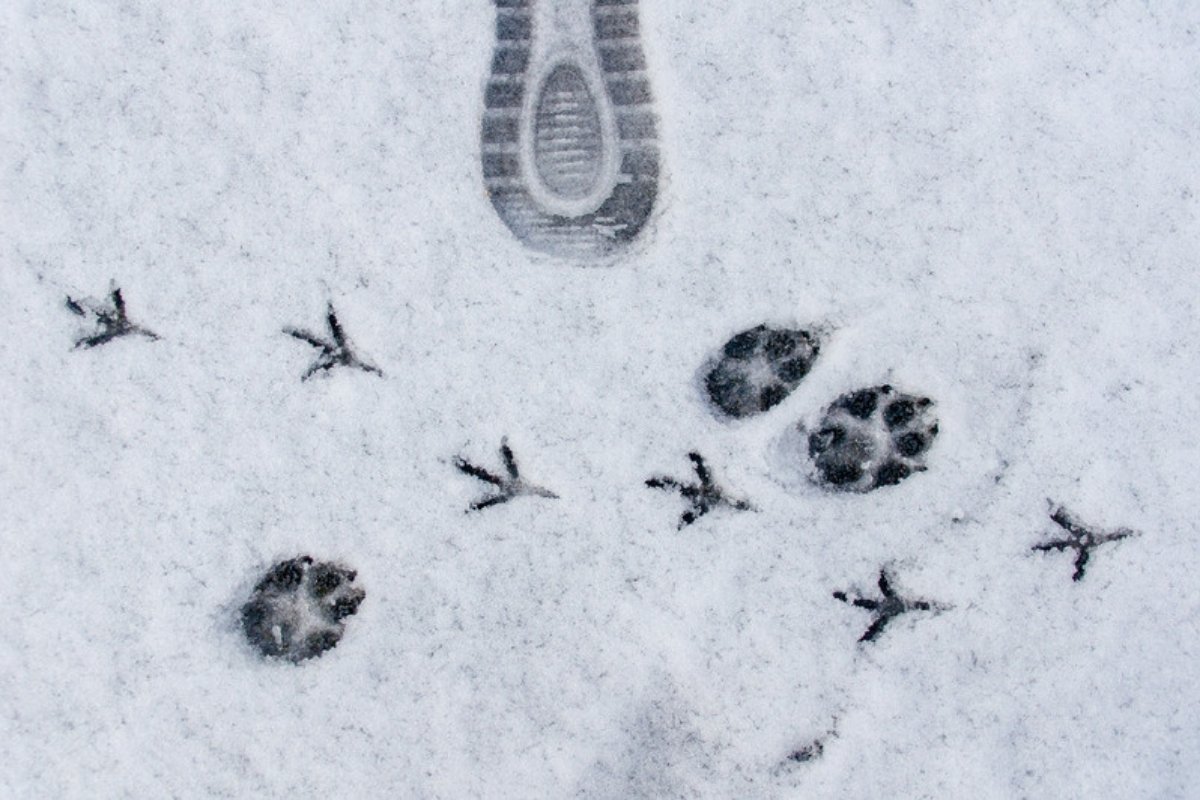
Fresh snow records everything that passed through overnight. Walk the edges of your yard, a park or a quiet trail and look for prints. Birds leave small three-toed marks, squirrels and rabbits leave groups of four, and dogs and cats leave rounded paw pads.
Ask questions as you go: Which way was it heading? Was it walking or running? Where did the tracks stop? Kids love following a trail to a bush or a tree and guessing what happened there. Take photos so you can compare them with a field guide back home.
Keep the "look, don't follow too far" rule. Watch wildlife from a distance and never approach an animal you find at the end of the trail.
4. Build a Snow Fort With an Escape Route
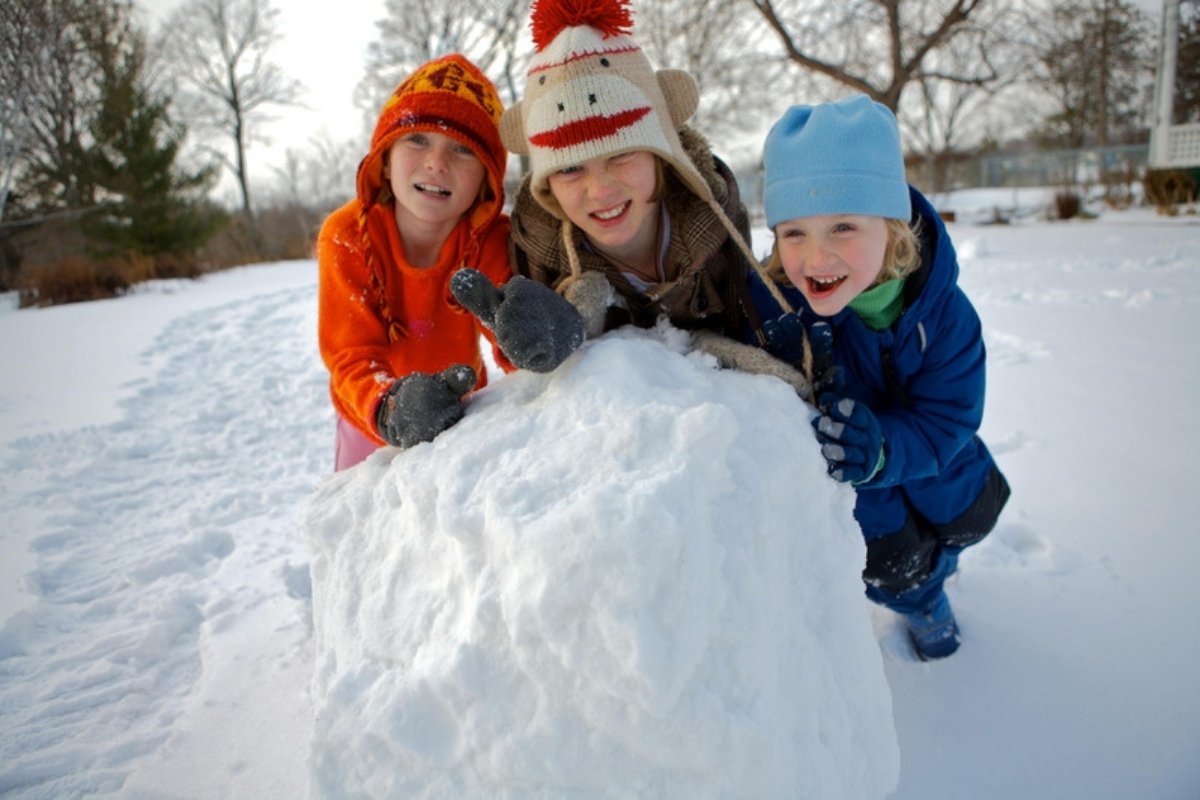
Snow forts keep kids busy for hours. Pack snow into a bucket or a plastic storage bin, flip it over to make bricks, and stack them into low walls. Pour a little water between the bricks if you want the walls to firm up as they freeze.
Low, open forts are the safest kind. The AAP advises adults to supervise children while they build snow forts and tunnels and to always leave an exit so kids can get out if the structure collapses. Skip deep tunnels into snowbanks, especially the piles left by plows along roads, and keep sharp tools out of the build.
Once the walls are up, the fort becomes a base for everything else: a snack stop, a reading spot for a short story, or the "castle" in a game of capture the flag.
5. Paint the Snow
Fill a few squeeze bottles or spray bottles with water and add a few drops of food coloring to each one. Kids can paint pictures, write their names, draw a target for snowball tossing, or mark a hopscotch grid in the yard.
It's a great activity for toddlers who are too small for sledding, and it works even with a thin layer of snow. Use old mittens or gloves, since food coloring can stain.
6. Blow Frozen Bubbles
On a very cold, calm morning, regular bubble solution can freeze before the bubble pops. Blow gently so the bubble lands on the snow or a mitten, then watch frost patterns spread across the surface.
The colder and stiller the air, the better it works, so save this one for a clear morning. It's a quick, quiet activity that turns into a mini science lesson about freezing, and a good way to wind down before heading back inside.
7. Try Snowshoeing on a Short Loop
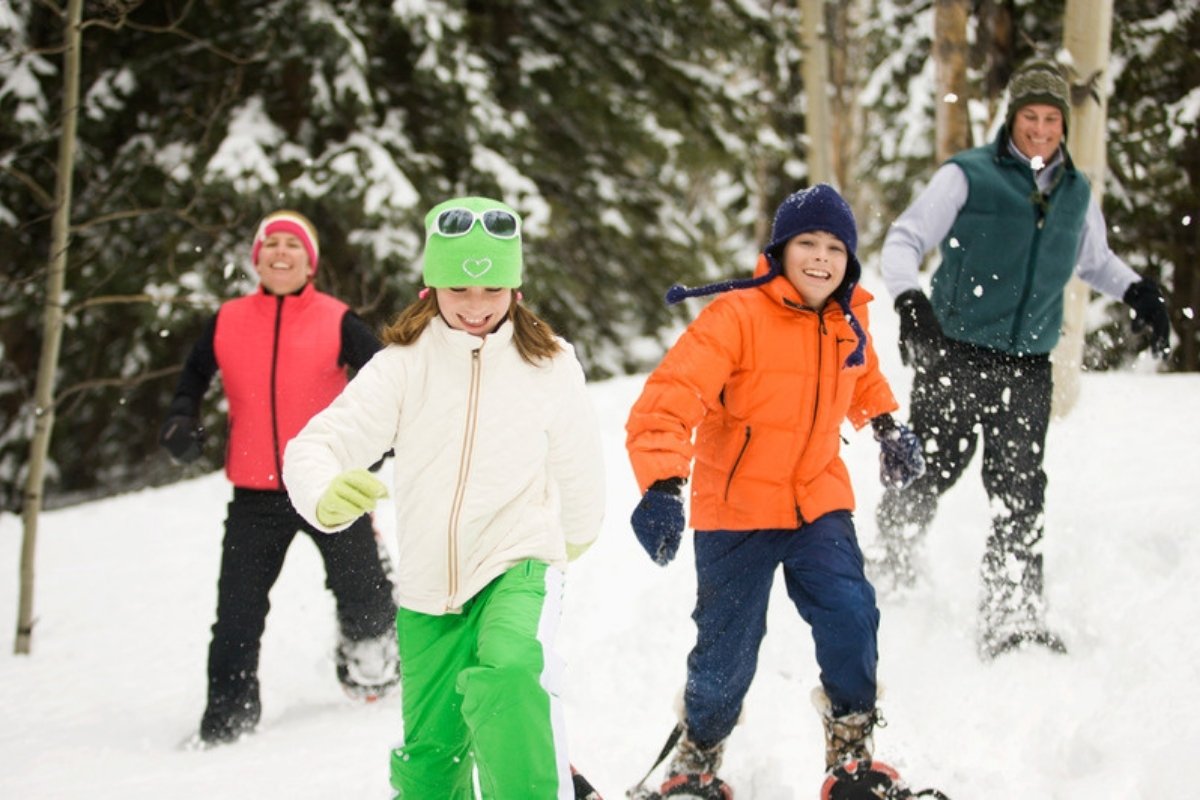
If your kids can walk, they can snowshoe. Many ski areas, nature centers and outdoor shops rent kids' snowshoes, and walking on top of deep snow feels like a superpower to a six-year-old.
Keep the first outing short, around 30 to 60 minutes on a flat, marked loop, and turn around while everyone still has energy. Snowshoeing is harder work than it looks, and kids warm up quickly, so dress them in layers they can unzip and bring water and snacks.
Stay on groomed or well-used trails, check the forecast before you go, and stay off frozen lakes and ponds unless the ice has been checked and the area is approved for use.
8. Set Up a Winter Scavenger Hunt
Make a simple list before heading out: a pinecone, an icicle, red berries, a bird, a track, a stick shaped like a letter, something that sparkles. Non-readers can use a picture list.
Scavenger hunts keep kids moving, which helps them stay warm, and they work just as well on a neighborhood walk as on a trail. Let kids take photos of what they find instead of collecting everything.
Dress Them in Layers and Watch the Clock
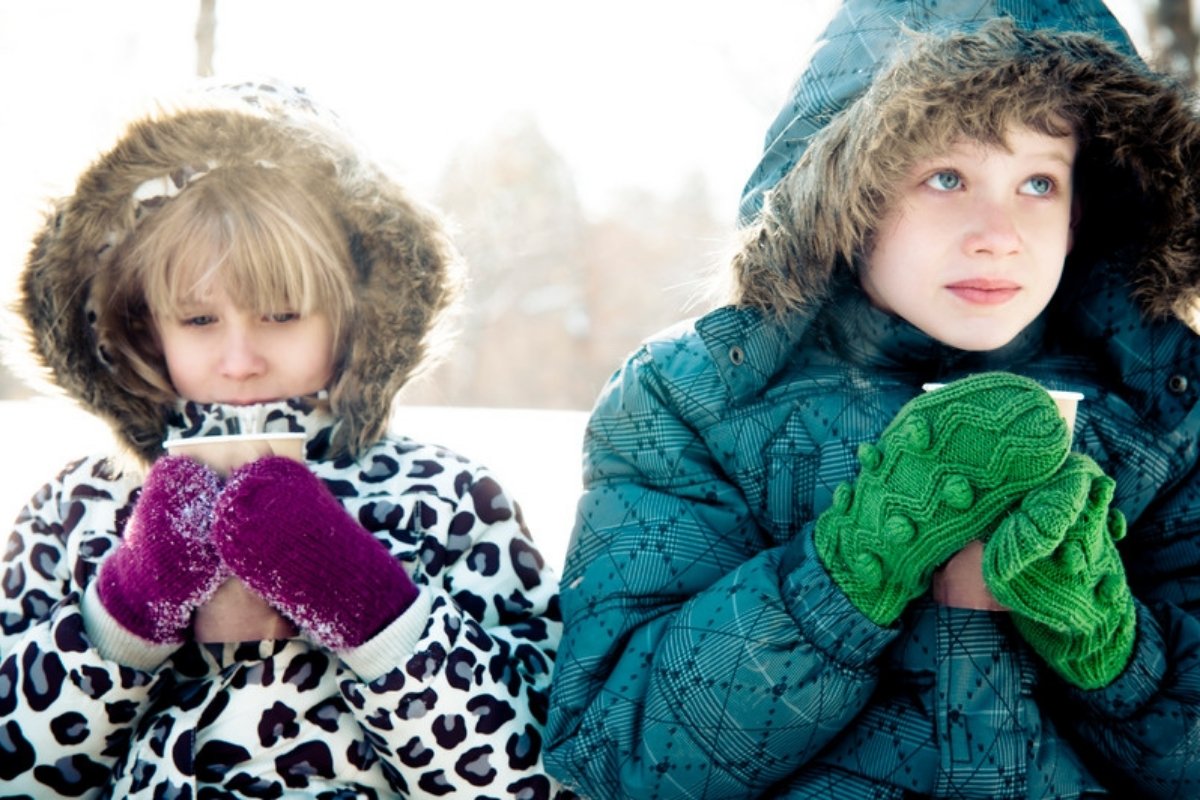
Warm, dry kids play longer. The AAP recommends dressing children in several thin layers, plus insulated boots, mittens or gloves, and a hat. Pack a spare pair, because wet mittens are the fastest way to end a snow day.
Change kids out of wet clothes right away. Set time limits on outdoor play and plan regular warm-up breaks indoors or in a warm car. The AAP also advises against outdoor play when the temperature or wind chill drops below -15°F.
Frostbite and Hypothermia: Signs Every Parent Should Know
Frostbite most often affects fingers, toes, ears, noses and cheeks. Skin may hurt or burn, then go numb, and can turn white or pale gray. According to the AAP, bring the child inside, don't rub the area, and soak it in warm, not hot, water for 20 to 30 minutes. Call your pediatrician if numbness or pain lasts more than a few minutes.
Hypothermia starts with shivering and can lead to clumsiness, drowsiness, confusion or slurred speech. It's a medical emergency: call 911, get the child indoors, remove wet clothing, and wrap them in blankets while you wait for help. The American Red Cross gives the same advice for both conditions: get out of the cold immediately and seek medical care.
Frequently Asked Questions
How long can kids play outside in the snow?
There's no single number. It depends on age, temperature, wind and how wet they get. Plan regular warm-up breaks, check fingers, toes and faces each time, and head in right away if clothes are wet or a child is shivering. Skip outdoor play entirely when the temperature or wind chill is below -15°F.
What age can kids start sledding?
Toddlers can ride on gentle slopes with an adult close by. The AAP recommends supervising all children under 12 and keeping little kids on separate, slower runs from older children.
What are the best snow activities for toddlers?
Snow painting, building small snowmen, short track-hunting walks and frozen bubbles are all good choices. Keep sessions short and stay close, since toddlers can't always tell you when they're uncomfortable.
More outdoor ideas
- Outdoor Games for Kids That Boost Creativity and Teamwork
- Top Tips for Hiking with Kids: Making the Trail Fun and Safe
- How to Prepare for a Winter Hike
- Hiking Outfit Winter: Incredible Cold-Weather Guides
Snow days don't last long, so pick two or three ideas, keep everyone warm and dry, and let the kids lead. The best snow day memories usually come from the simplest plans.

Explore these outdoor tips too