
Snowshoeing for Beginners: 8 Tips for Your First Trail
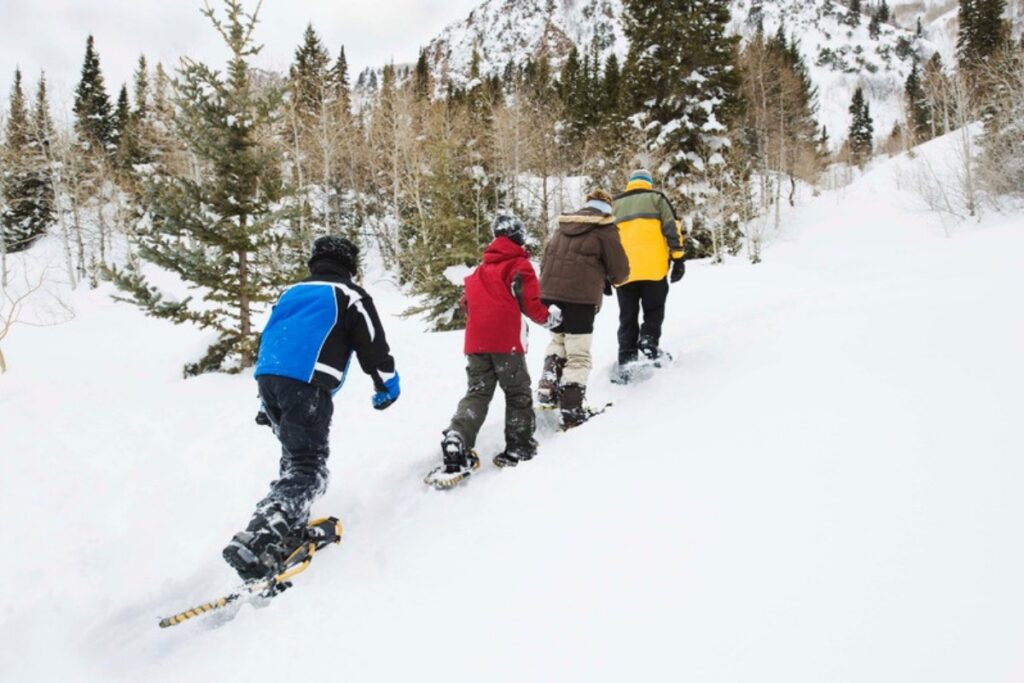
If you can walk, you can snowshoe. That's what makes it one of the easiest ways to keep getting outside once the trails fill with snow. There's no lift ticket, no steep learning curve, and a beginner can have a good first outing in an afternoon. A few things do make a big difference, though: the right gear, a slightly different way of walking, and some cold-weather safety habits. Here are eight tips to get your first snowshoe trip right.
1. Rent Before You Buy (and Size for Your Weight)
For a first trip, renting is the smart move. Many outdoor shops and some park visitor areas rent snowshoes for the day, and the staff will match a pair to your weight and the kind of snow you'll be walking on. You'll learn what you like before you spend money on your own pair.
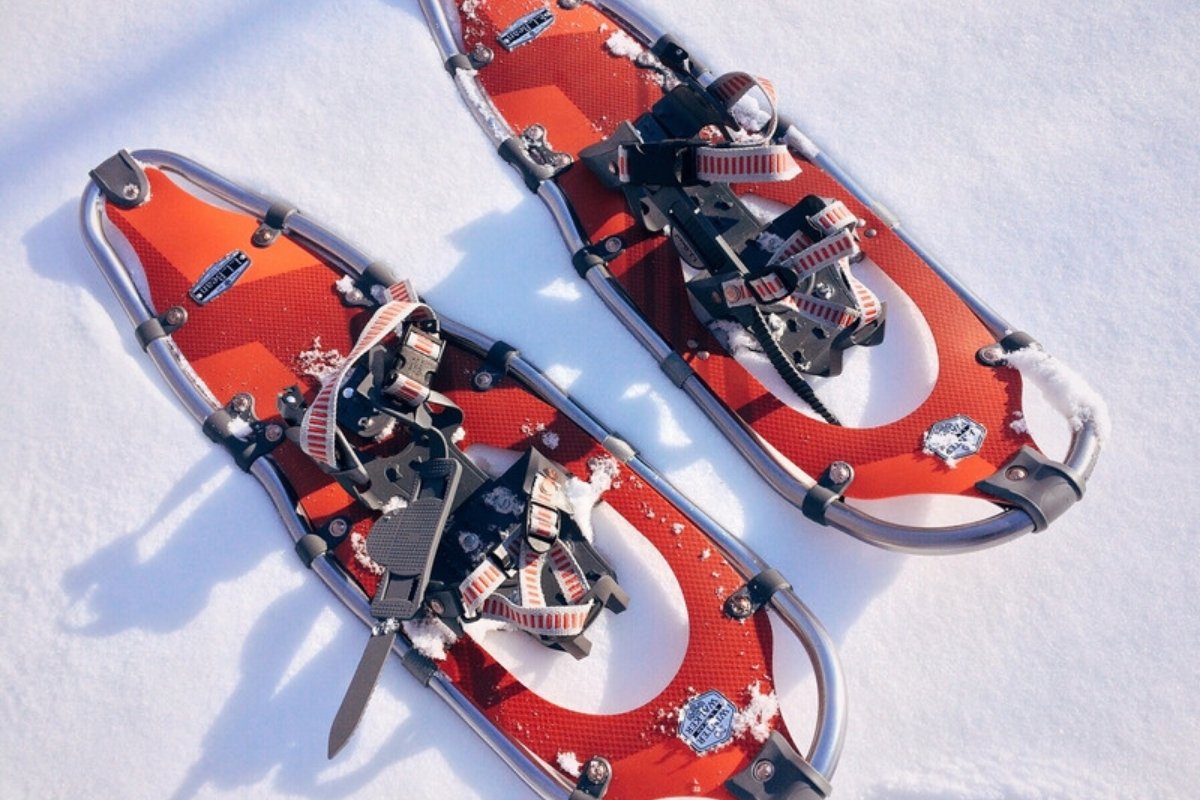
Size matters more than brand. Every snowshoe has a maximum recommended load, and that number has to cover your body weight plus your loaded pack. Bigger snowshoes give you more float in deep, fresh powder; smaller ones are lighter and easier to handle on packed trails. Beginners on flat or gently rolling ground do well with simple flat-terrain models.
The good news is that snowshoe bindings fit almost any winter boot, so you don't need special footwear to get started.
2. Wear Waterproof Boots and Wool Socks
Even with snowshoes, you'll sink into the snow, so your feet will be in it all day. Insulated, waterproof winter boots with thick soles are ideal. Sturdy waterproof hiking boots also work on milder days.
Pair them with wool or synthetic socks that pull sweat away from your skin, and pack a dry spare pair in a zip bag. Wet socks are one of the fastest ways to get cold feet on a winter trail.
Gaiters are worth adding if you'll be breaking trail in deep snow. They wrap around your lower leg and keep snow from sliding into the top of your boots.
3. Dress in Layers and Skip Cotton
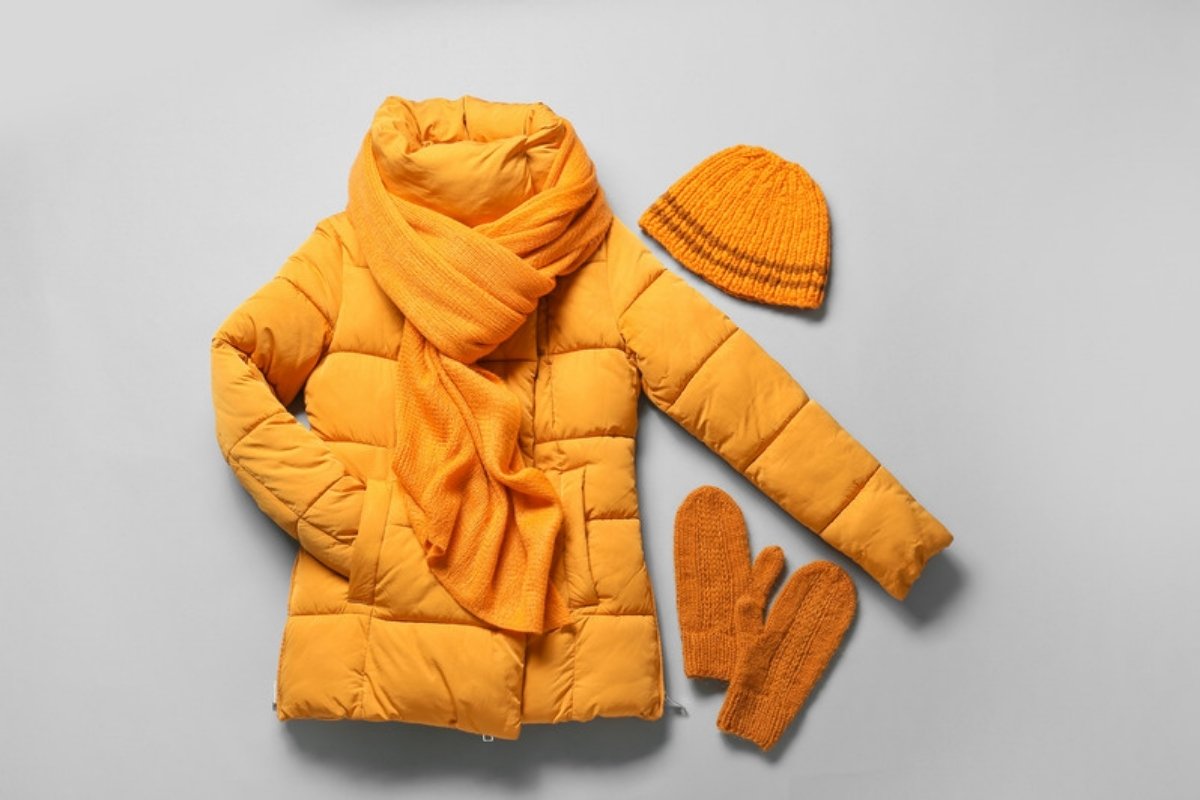
Snowshoeing is hard work, so you'll warm up quickly on the move and cool down just as fast when you stop. Layers let you adjust. Start with a lightweight or midweight base layer made of wool or synthetic fabric, add a fleece or softshell as your middle layer, and top it with a waterproof, breathable shell. Zippers at the neck or underarms help you vent heat before you start sweating.
Leave cotton at home. Cotton holds moisture and dries slowly, and once it's damp it pulls heat away from your body. Keep a warm puffy jacket in your pack for breaks.
Don't forget the small stuff: a warm hat, waterproof gloves or mittens (plus a backup pair), sunglasses and sunscreen. Snow reflects sunlight, so you can get sunburned on a cold, bright day.
4. Bring Poles With Snow Baskets
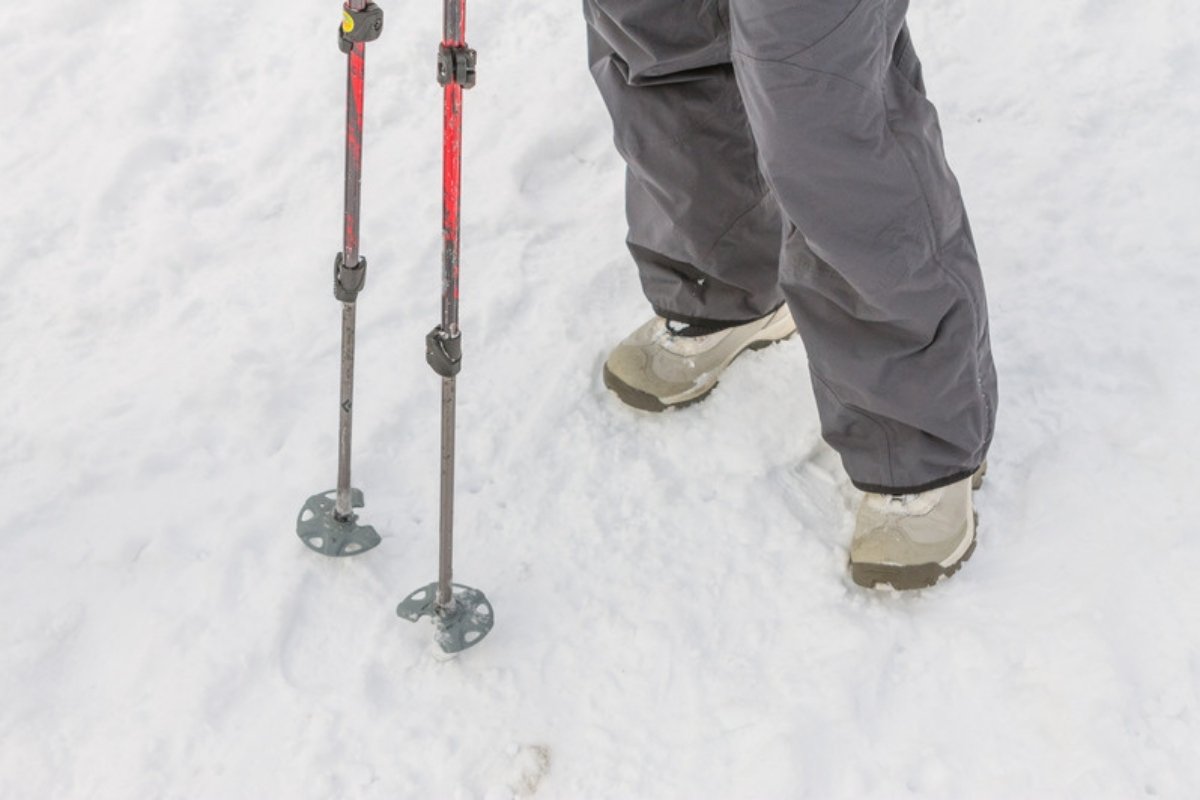
Poles aren't required, but they help a lot with balance, especially on hills and uneven snow. Look for adjustable trekking or ski poles with wide snow baskets near the tip so they don't sink straight down.
On flat ground, set the length so your elbow bends at about a right angle when you hold the grip. Shorten them a bit for climbs and lengthen them for descents. Poles are also handy for knocking clumps of snow off the bottom of your snowshoes.
5. Walk With a Slightly Wider Stride
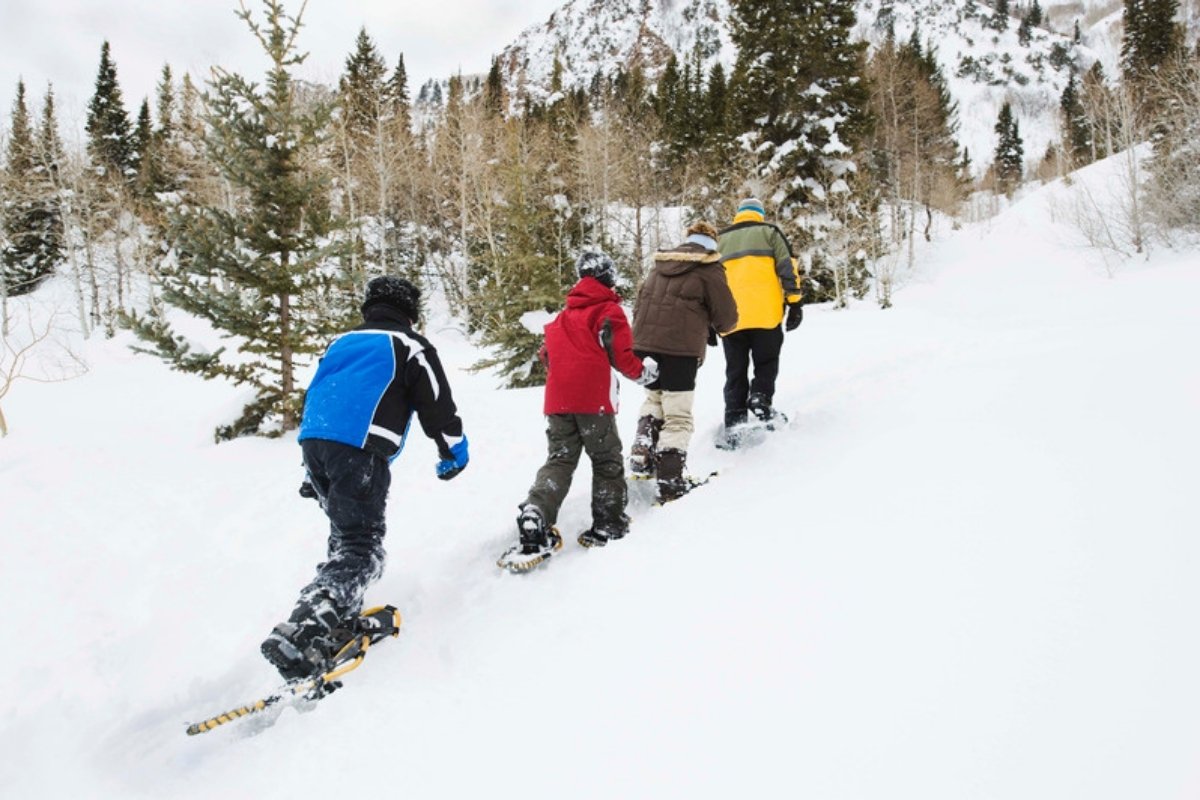
On flat terrain, snowshoeing feels like normal walking with one change: your feet need to be a little farther apart so you don't step on the frame of the other snowshoe. Lift your feet a bit higher than usual and keep a steady, relaxed rhythm.
That wider stance uses muscles you don't use much on a regular walk, so it's normal to feel it in your hips and groin after your first outing. Snowshoeing is also more tiring than hiking the same trail without snow. Plan a shorter, flatter route than you'd pick in summer, and you'll finish wanting more instead of feeling wiped out.
6. Learn Simple Uphill and Downhill Moves
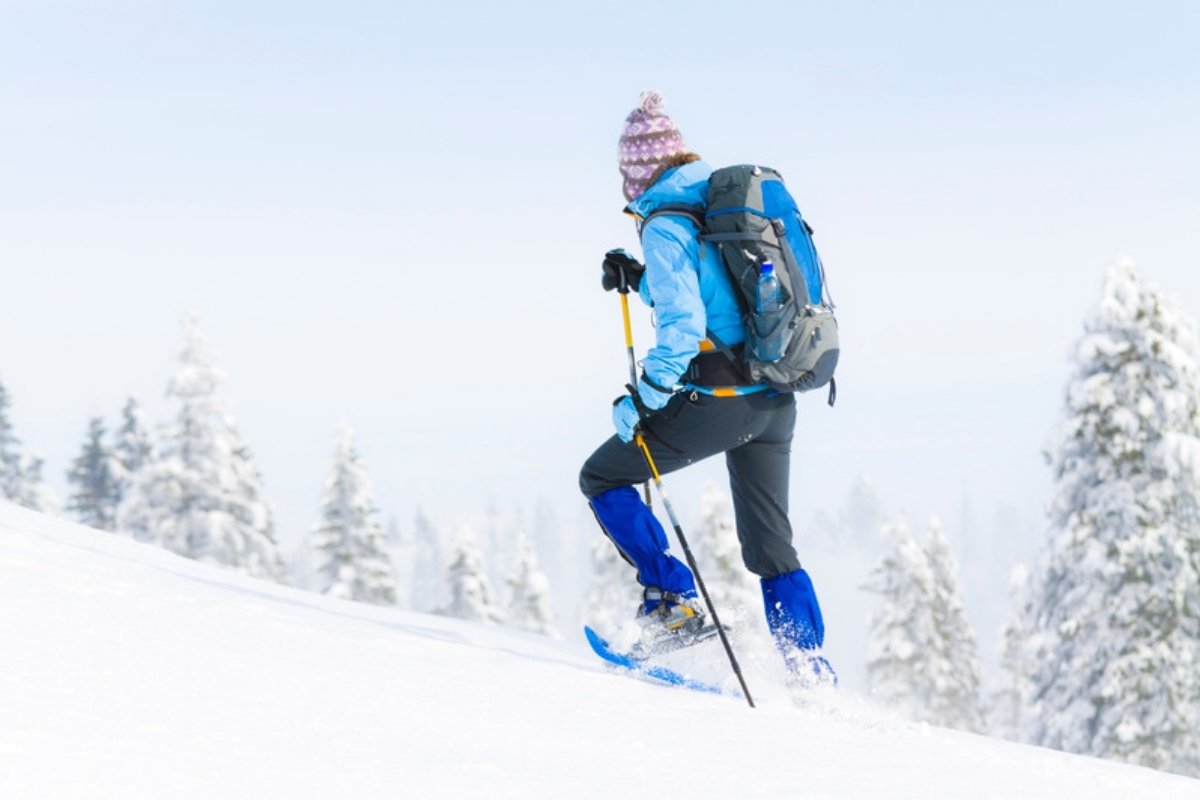
Going up: In soft snow, kick the toe of your boot into the slope to press out a step. Lean slightly forward and let the crampons under your feet grip. Many snowshoes have a heel lift, a small bar you flip up on moderate and steep hills to take strain off your calves. If a slope feels too steep, zigzag across it instead of going straight up.
Going down: Keep your knees bent and relaxed, your weight slightly back, and your poles planted ahead of you. Step heel first and don't swing your legs too far forward. If you start to slide, sit down. It's the easiest way to stop.
If you fall: It happens to everyone. Take your hands out of the pole straps, roll so your head is uphill, get onto your knees, and push up. On flat, deep snow, cross your poles in an X and use them as a platform to push against.
7. Respect Ski Tracks and Trail Etiquette
Many winter trails are shared with cross-country skiers, and the grooves they ski in take work to set. Walking in them leaves holes that ruin the track for everyone. Stay off ski tracks, walk single file along the edge of the trail, and let skiers pass.
If a trail allows snowmobiles or grooming machines, step well off the trail to let them by. Watch the trail markers so you don't wander onto snowmobile routes. And as in any season, pack out your trash and leave only snowshoe prints behind.
8. Plan for Short Days, Snacks and a Hot Drink
Winter daylight goes fast, and it gets colder quickly once the sun drops. Start early, know what time sunset is, and pick a turnaround time before you leave the car.
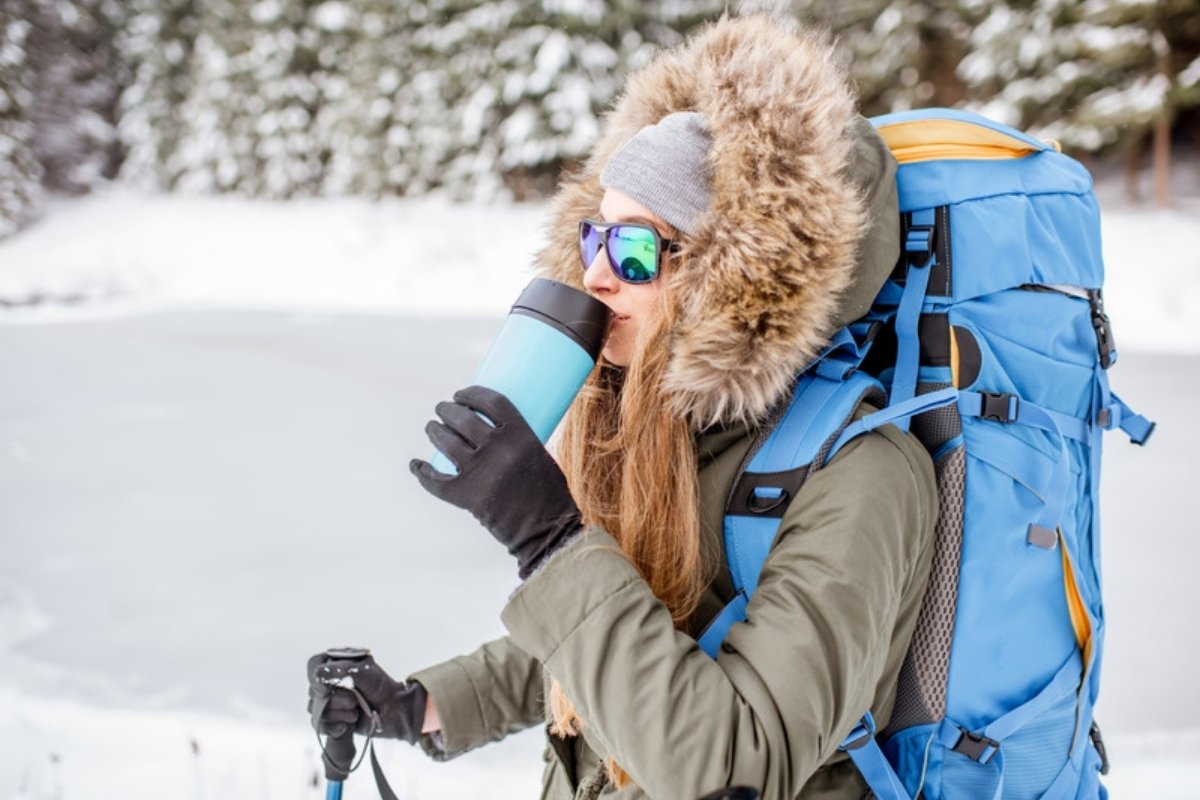
Your body burns more fuel to stay warm in the cold, so bring more food and water than you would on a summer hike. Water bottles can freeze, so use an insulated bottle cover or carry your water inside your pack. A thermos of hot tea or cocoa makes a break much more pleasant.
Round it out with the Ten Essentials: navigation (map, compass or GPS, and the skills to use them), a headlamp, sun protection, first aid, a knife, fire starter, emergency shelter, and extra food, water and clothing.
Safety Basics and Common Beginner Mistakes
Going alone without a plan. Snowshoe with a friend when you can, and always tell someone where you're going and when you'll be back.
Ignoring the early signs of cold stress. According to the CDC, warning signs of hypothermia include shivering, exhaustion, confusion, fumbling hands, memory loss, slurred speech and drowsiness. Hypothermia can happen even above 40°F if you get chilled from rain, sweat or cold water, so change out of wet layers quickly. With frostbite, redness or pain in the skin may come first, followed by white or grayish-yellow skin that feels firm or waxy, or numbness. Keep your face, ears, fingers and toes covered. If someone shows these signs, get them somewhere warm and get medical help.
Heading into avalanche terrain. Beginners should stick to established, marked trails away from steep, open slopes. Anyone going into the backcountry needs an avalanche beacon, probe and shovel, the training to use them, and a current avalanche forecast. When in doubt, take a guided snowshoe tour or class first. Many national parks offer ranger-led snowshoe walks in winter.
Walking over hidden water. Melting snow can hide streams and holes underneath. Stay on marked routes, avoid drainages, and listen for running water.
Snowshoeing FAQs
Is snowshoeing hard for beginners?
No. Most people get the hang of it within a few minutes on flat ground. It is more tiring than regular hiking, though, so start with a short, easy trail.
Do I need special boots for snowshoeing?
No. Snowshoe bindings fit nearly any boot. Insulated, waterproof winter boots are the most comfortable choice, and waterproof hiking boots work well too.
How much snow do you need to go snowshoeing?
Pennsylvania's Department of Conservation and Natural Resources recommends snowshoeing only on trails with at least 4 inches of snow. With less than that, regular boots or traction devices usually work better.
More Outdoor Ideas
- How to Prepare for a Winter Hike
- Hiking Outfit Winter: Incredible Cold-Weather Guides
- Snow Day Activities for Kids: 8 Fun Ideas and Safety Tips
- How to Stay Warm During a Winter Camping Trip
Pick an easy trail, rent a pair, and go. A quiet forest after a fresh snowfall is one of the best places to be in winter, and snowshoes are the simplest way to get there.

Explore these outdoor tips too