
Hiking Outfit Winter: Incredible Cold-Weather Guides

Ready to master your hiking outfit winter strategy? This guide shows you exactly how to layer for warmth, move freely on snowy trails, and stay dry when temps drop.
You’ll find practical fits, fabric picks, and comfort tweaks—plus styling ideas so your trail kit looks sharp without sacrificing performance.
Build The Base: Warmth Starts Next To Skin
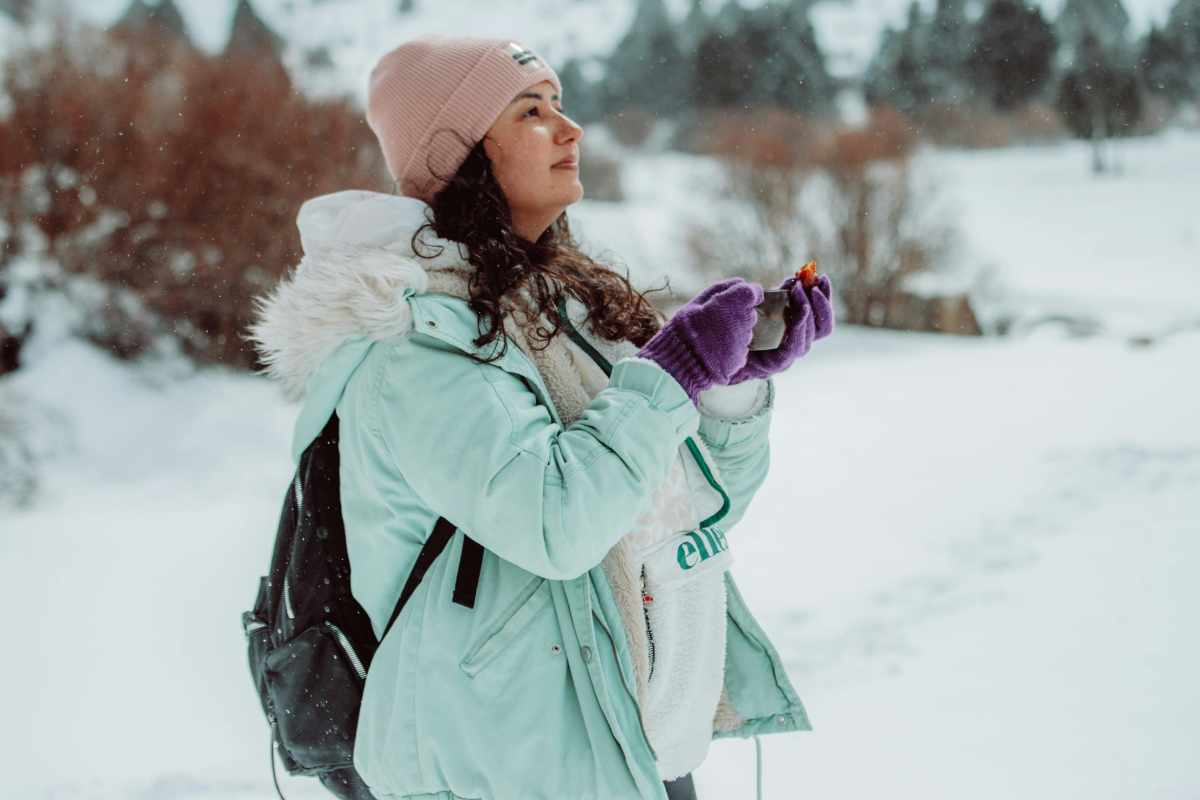
Your base layer should manage moisture first, warmth second. Choose a lightweight merino or a high-quality polyester blend to pull sweat off your skin.
Cotton stays wet and chills you—skip it. A fitted crew or half-zip gives coverage without bulk so your hiking winter outfit feels streamlined under midlayers and shells.
Bottoms matter just as much. Thermal leggings or fleece-lined tights slide under hiking pants without bunching. If wind is fierce, step up to a wind-resistant tight.
The goal is a dry microclimate, which is the secret to any Cold Weather Hiking Outfit that actually works on the trail.
Tip: prioritize seams that won’t chafe under a hip belt. Flatlock stitching and soft waistbands keep you comfortable over long climbs.
Midlayer Magic: Trap Heat, Avoid Bulk

Think of your midlayer as adjustable insulation. A grid-fleece hoodie or active insulation jacket traps heat while dumping excess warmth during steep pushes.
If you run cold, pair a light fleece with a synthetic puffy vest—this combo keeps your core warm without restricting arm movement.
For a more relaxed vibe, a knit fleece cardigan with thumb loops delivers cozy comfort for a casual hiking outfit winter look that still performs. Keep silhouettes slim enough to fit under your shell but roomy enough for airflow when you unzip.
Remember: you should feel slightly cool at the trailhead. If you’re toasty before moving, you’ll overheat and sweat once you start hiking.
Outer Shells: Snow, Wind, And Surprise Flurries

A breathable waterproof shell is your do-it-all protector in a Snow Hiking Outfit. Look for pit zips, an adjustable hood, and a drop-tail hem. If conditions are cold and dry, a windproof softshell may breathe better while blocking gusts on ridgelines.
In freezing rain or wet snow, prioritize a true hardshell with sealed seams. Keep a lightweight packable shell in your bag even when skies look clear—weather flips fast, and your comfort (and safety) depends on staying dry.
Bright colors or reflective details can help visibility in low light, perfect for short winter days and dawn patrol starts.
Legs & Feet: Traction, Warmth, And Comfort

Insulated, water-resistant hiking pants are the backbone of a Warm Hiking Outfit. On deep-freeze days, add thermal tights underneath. For slush or powder, consider softshell pants with DWR (durable water repellent) that shed flakes and drizzle.
Feet deserve a system: midweight merino socks plus waterproof boots with grippy lugs (or add microspikes when trails ice over). Gaiters keep snow out and warmth in—an underrated upgrade to any hiking outfit inspo winter checklist.
Lace snug from the forefoot, then lock at the ankle to stop heel slip on descents. Small fit tweaks prevent blisters and keep you moving longer.
Hands, Head, And Neck: Small Items, Big Payoff

Carry a two-glove system—liner gloves for dexterity and an insulated waterproof shell glove for stormy sections. Swap as weather shifts so your hands stay warm but not sweaty.
A merino beanie or fleece headband locks in heat where it escapes fastest. Add a buff or neck gaiter to seal gaps at the collar, then pull it over your nose on windy ridges. These micro-adjustments turn a good Cold Weather Hiking Outfit into a great one.
For extra face protection in spindrift, pack a light balaclava that layers under your helmet-compatible hood.
Dial The Fit: Style Meets Function
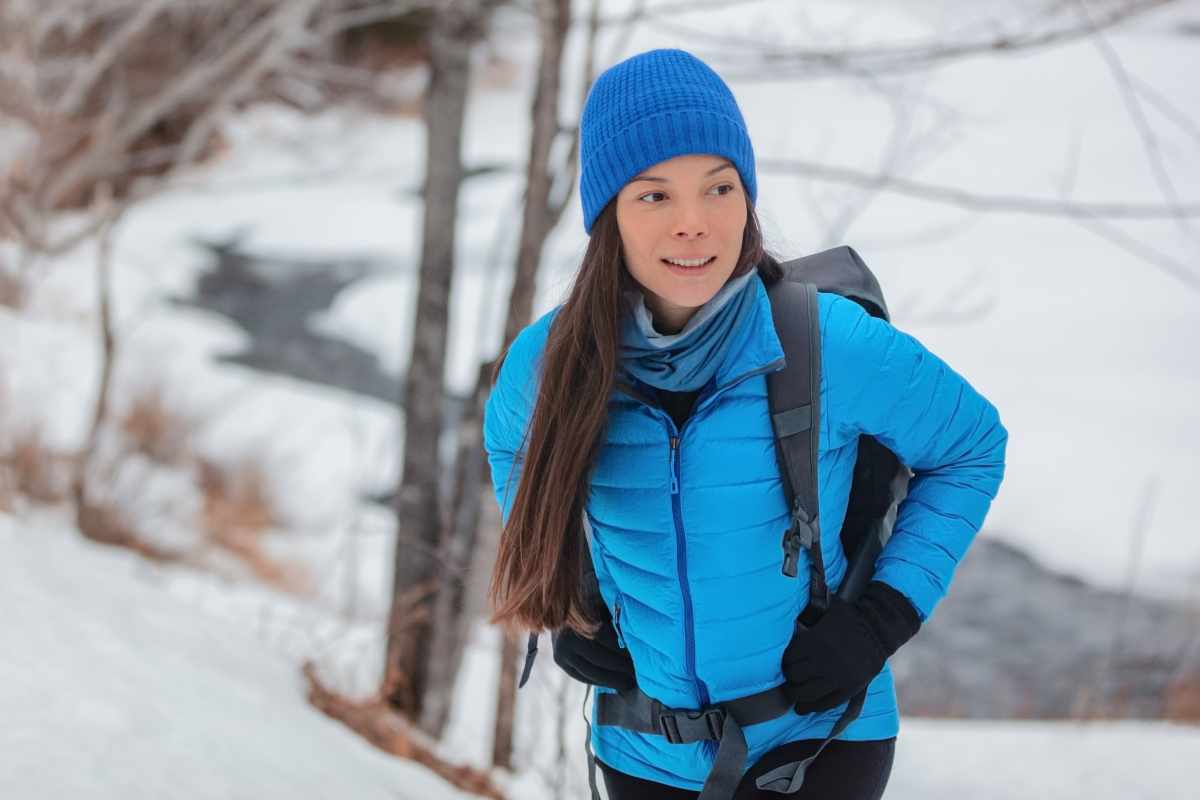
Winter trail style doesn’t have to be boxy. Choose tapered hiking pants and a trim midlayer to create a clean line from hip to boot. Contrast textures—matte softshell with a glossy puffy—for depth that photographs well while staying practical.
If you enjoy a fashion-forward trail look, a monochrome set with a color-pop beanie is on-trend and functional. It’s an easy way to craft a Wander Outfit that transitions from summit selfies to coffee in town without a wardrobe change.
Finish with a simple watch and low-profile belt to avoid pressure points under your pack.
Weather Playbook: From Bluebird To Blizzard

Bluebird, below freezing: pair a light base with an active-insulation hoodie and a windproof softshell. This setup is breathable for steady climbs and warm on stops.
Wet snow and wind: step up to a sealed hardshell over a synthetic puffy. Swap to waterproof gloves and add gaiters. Your hiking outfit winter should prioritize dryness first, warmth second—wet layers mean rapid heat loss.
Arctic chill: double base layers (thin + midweight), high-loft puffy, and a full-coverage shell. Keep snacks handy; fueling frequently helps your body heat the system from within.
Women’s Fit Notes: Shape, Support, And Warmth

For a tailored winter hiking outfit women will love, seek high-rise pants with stretch panels for stride length, plus articulated knees for scrambling. Jackets with adjustable waist drawcords create shape while blocking drafts.
Sports bras with light compression and brushed liners add warmth without bulk. Women-specific boots often offer a narrower heel cup—great for stability on icy traverses.
Choose mitts over gloves on frigid days; they’re warmer, and hand warmers fit easily inside.
Example Kits: From Trailhead To Town
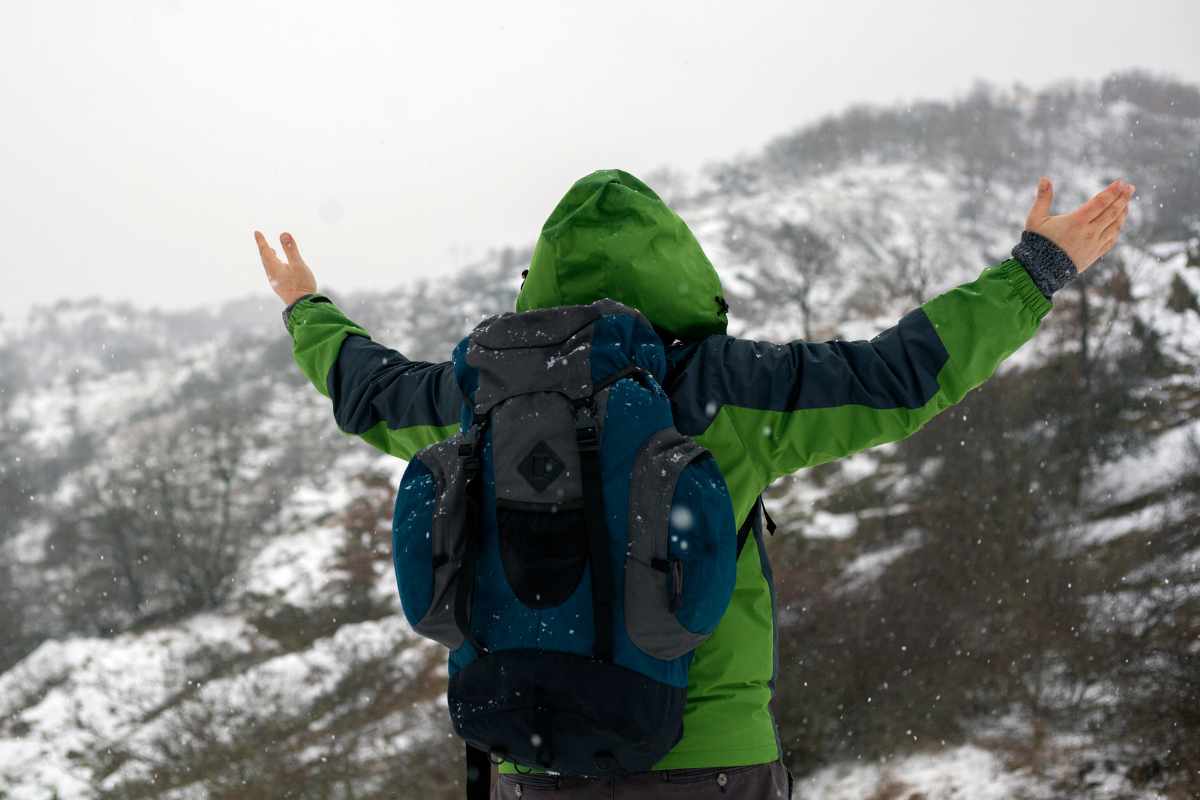
Performance Kit: merino base, grid-fleece hoodie, synthetic vest, hardshell, softshell pants, waterproof boots, gaiters. This is a classic, resilient hiking winter outfit for mixed conditions.
Relaxed Kit: thermal base, knit fleece, softshell jacket, insulated jogger-style pant, chunky beanie. A polished, casual hiking outfit winter that still layers smartly when temps drop.
Snow Day Kit: heavier base, high-loft puffy, storm shell, insulated pants, spikes. The go-to Snow Hiking Outfit when the trail turns to powder.
Care & Maintenance: Make Gear Last Longer
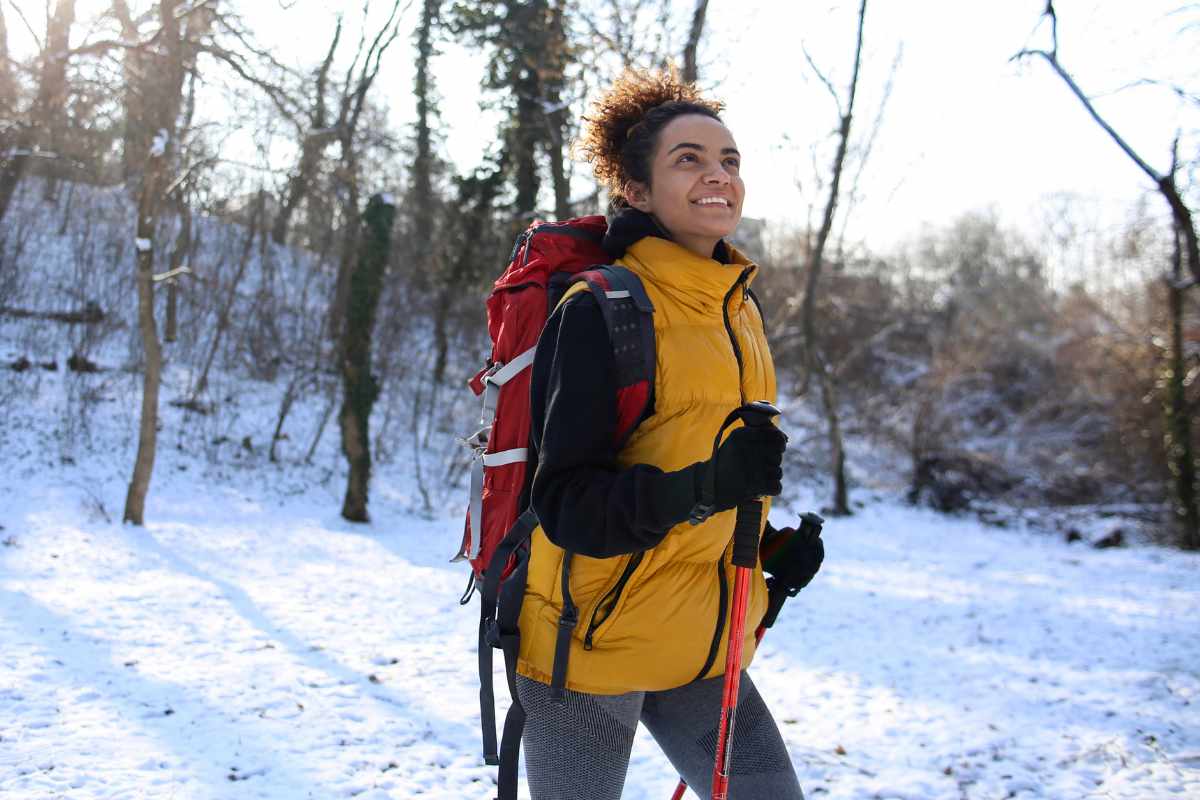
Reproof shells with DWR spray or wash-in treatments so snow beads up instead of soaking in. Dry boots away from direct heat to protect adhesives, then condition leather if applicable.
Wash merino and technical synthetics in cold water with a sport detergent to preserve wicking. Good care keeps your Cold Weather Hiking Outfit performing season after season.
Store gloves and socks fully dry, and refresh insoles to reduce odor and improve heat retention.
Make Your Next Winter Hike Your Best Yet
You’ve got the formulas, fits, and fabric know-how to craft a confident hiking outfit winter lineup. Screenshot the kit ideas, test layers on a short loop, and refine what feels best in motion.
Want more route ideas, safety tips, and style-forward trail guides? Explore the latest articles on Urbaki Outdoor to level up every cold-weather adventure.

Explore these outdoor tips too