
First Day Hikes: 8 Tips for a Great New Year's Day Hike
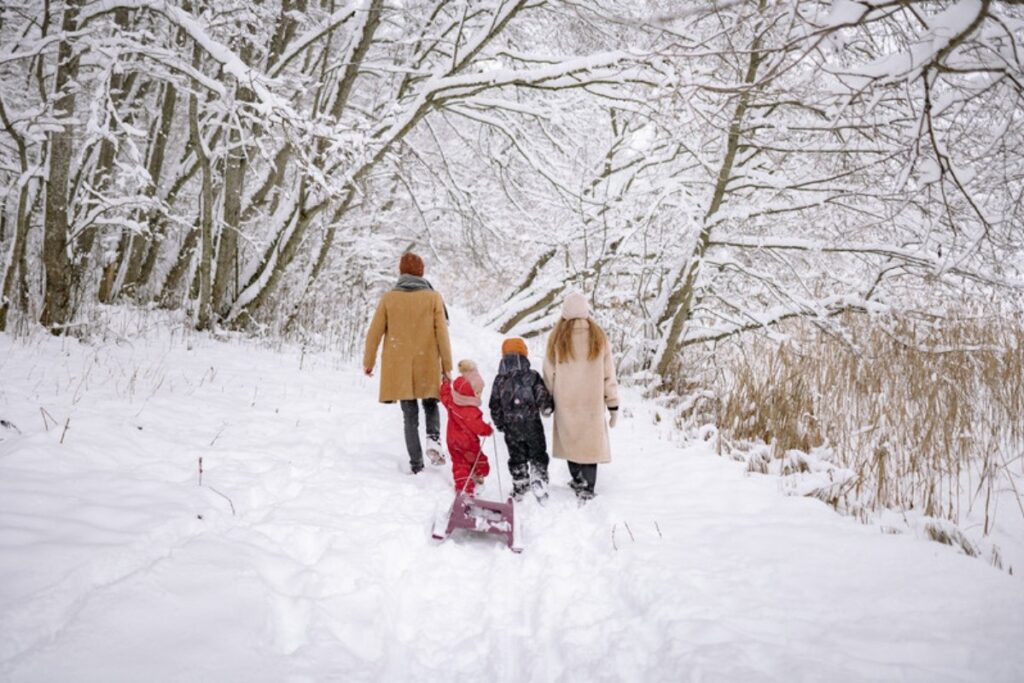
New Year's Day doesn't have to start on the couch. Every January 1, state parks across the country host First Day Hikes, a simple tradition that gets families, friends and solo walkers outside to greet the new year on a trail. Some are ranger-led strolls of a mile or less, others are longer winter treks with snowshoes.
If you've never done one, a little planning goes a long way. Winter trails are colder, darker and slicker than the summer version, so here are eight practical tips to help you pick the right hike, dress for it and come home warm and happy.
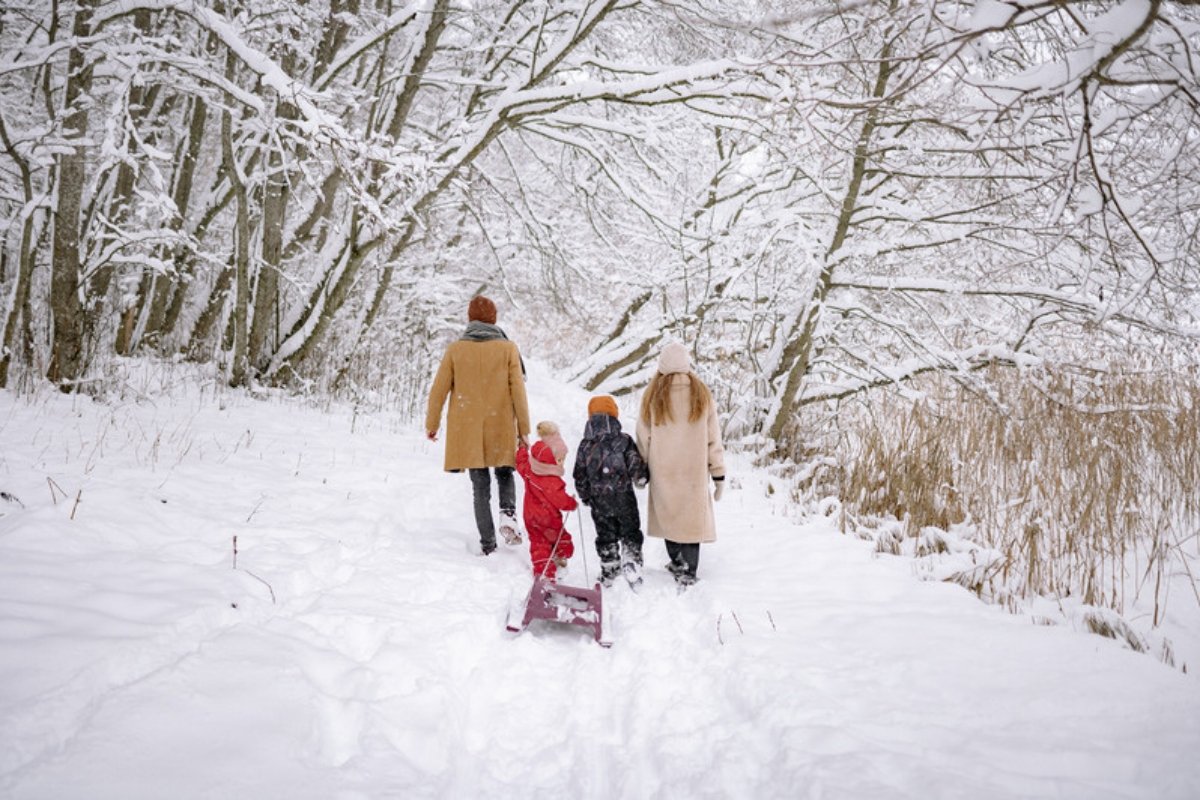
1. Find an Official First Day Hike Near You
First Day Hikes are part of a nationwide program led by America's State Parks, with hikes offered in state parks in all 50 states. The tradition started at a state park in Massachusetts and has grown into hundreds of events every New Year's Day.
The easiest way to find one is to check your state park system's website in December. Most states post a list or calendar of First Day Hikes with the park, start time, distance and difficulty. You'll usually see a mix of guided hikes with a ranger or naturalist and self-guided options you can do on your own schedule that day.
Guided hikes are a great choice for a first time. The leader sets the pace, knows the trail and often shares a bit of local history or wildlife along the way.
2. Register Early and Read the Fine Print
Many guided hikes are drop-in, but popular parks with limited parking often ask you to sign up in advance. Registration is usually free, but spots on popular hikes can fill up, so don't leave it to the last minute.
Read the event details before you go. Things to look for:
- Entry fees or permits. The hike itself is often free, but some parks still require a day pass or vehicle permit to enter.
- Pet rules. Some hikes welcome leashed dogs, others don't.
- Age rules. Certain hikes ask that younger kids come with a parent or guardian.
- Meeting point and start time. Sunrise hikes start early, and parking areas can be a walk from the trailhead.
3. Pick a Distance That Fits the Whole Group
Snow and ice make every mile harder. The National Park Service points out that icy or snow-covered trails are much more difficult than the same route in summer, so plan for a slower pace than usual.
If you're bringing kids, older relatives or friends who don't hike much, choose the shortest or easiest option on the list. A one- or two-mile loop that ends with everyone smiling beats a long trek that ends in tears and cold toes. You can always do a second short walk later in the day if the group wants more.
Keep the short winter days in mind too. Reduced daylight is one of the things the NPS lists as affecting winter trips, so plan to be back at the car well before dark and pack a headlamp anyway.
4. Dress in Layers and Skip the Cotton
Layers let you adjust as you warm up on the climbs and cool down at the viewpoints. A simple system works for most First Day Hikes:
- Base layer: wool or synthetic top and bottoms that move sweat away from your skin.
- Middle layer: a fleece or light puffy jacket for warmth.
- Outer layer: a windproof, waterproof shell.
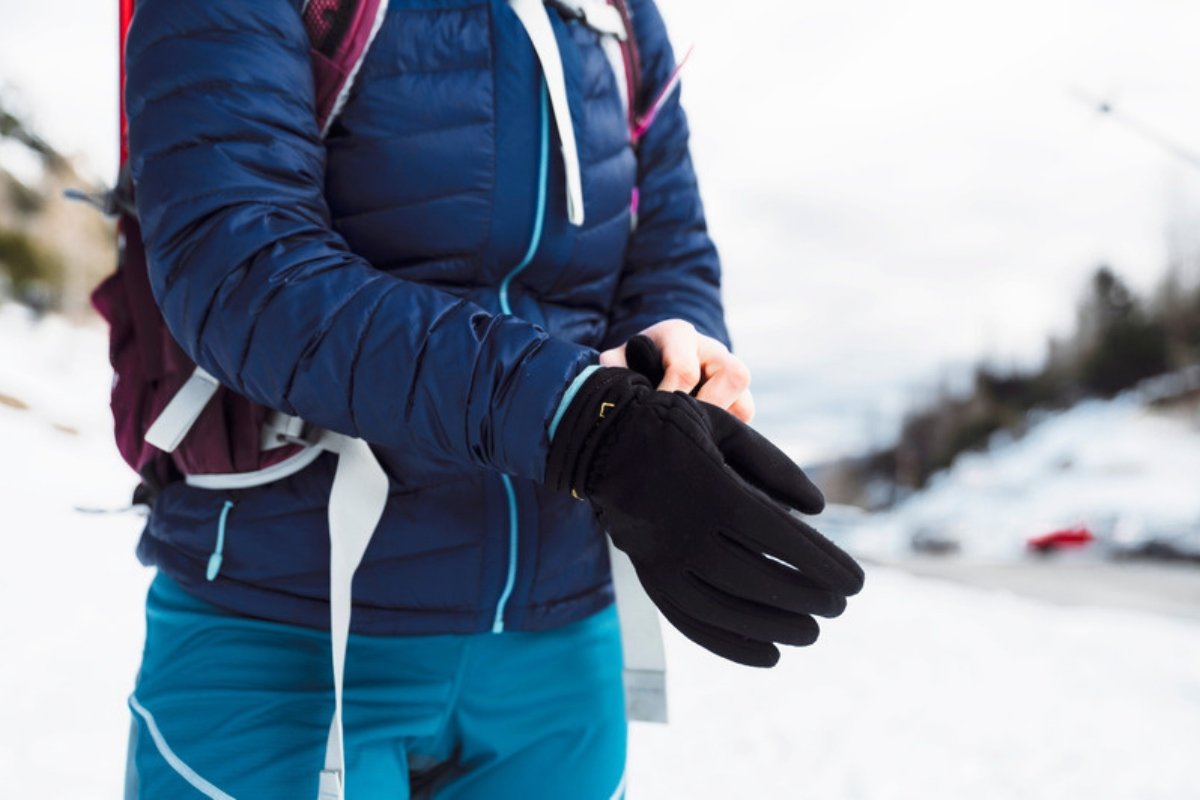
Avoid cotton, including jeans and cotton hoodies. As the NPS puts it, cotton won't keep you warm once it gets wet, and sweat counts. Add a warm hat, gloves or mittens, wool socks and waterproof boots. It's also smart to keep a set of dry clothes in a sealed bag, either in your pack or waiting in the car.
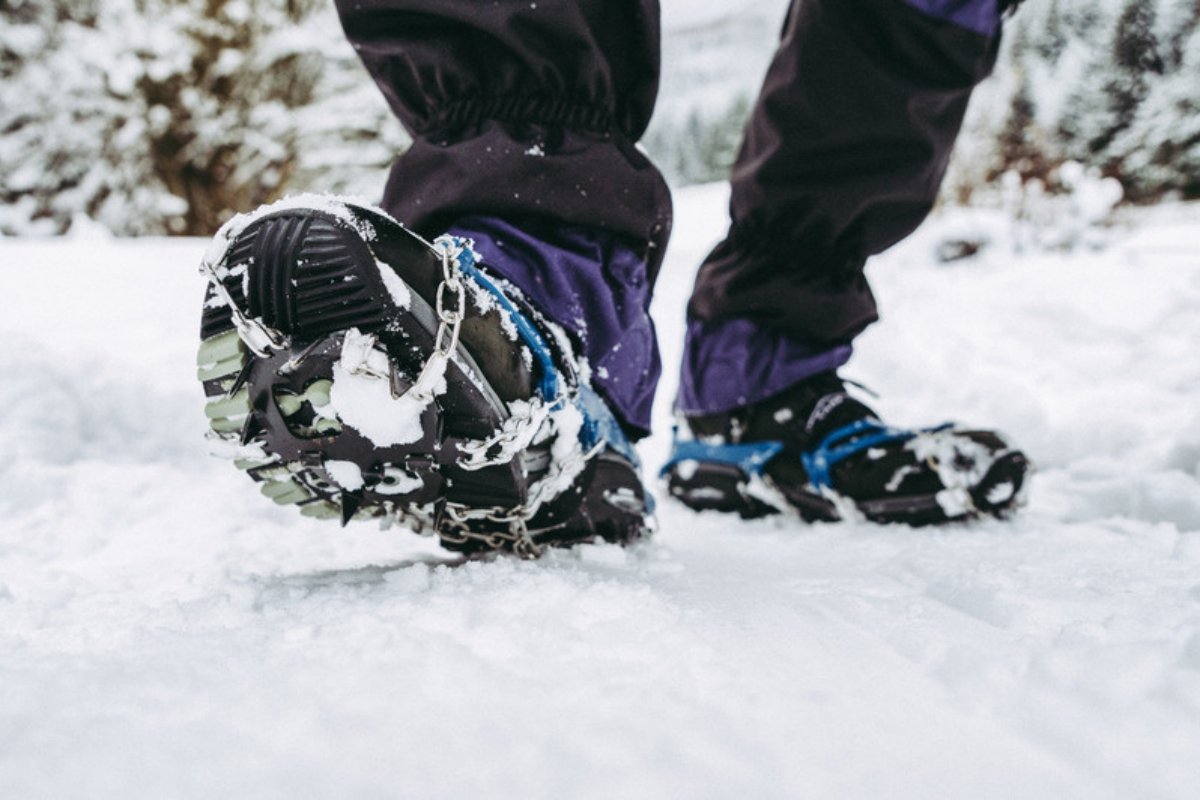
5. Add Traction for Snow and Ice
Packed snow on a busy trail can quickly turn slick and icy. Over-the-shoe traction devices, such as microspikes or similar slip-on cleats, make a huge difference on slick ground. The NPS includes them in its list of extra winter gear.
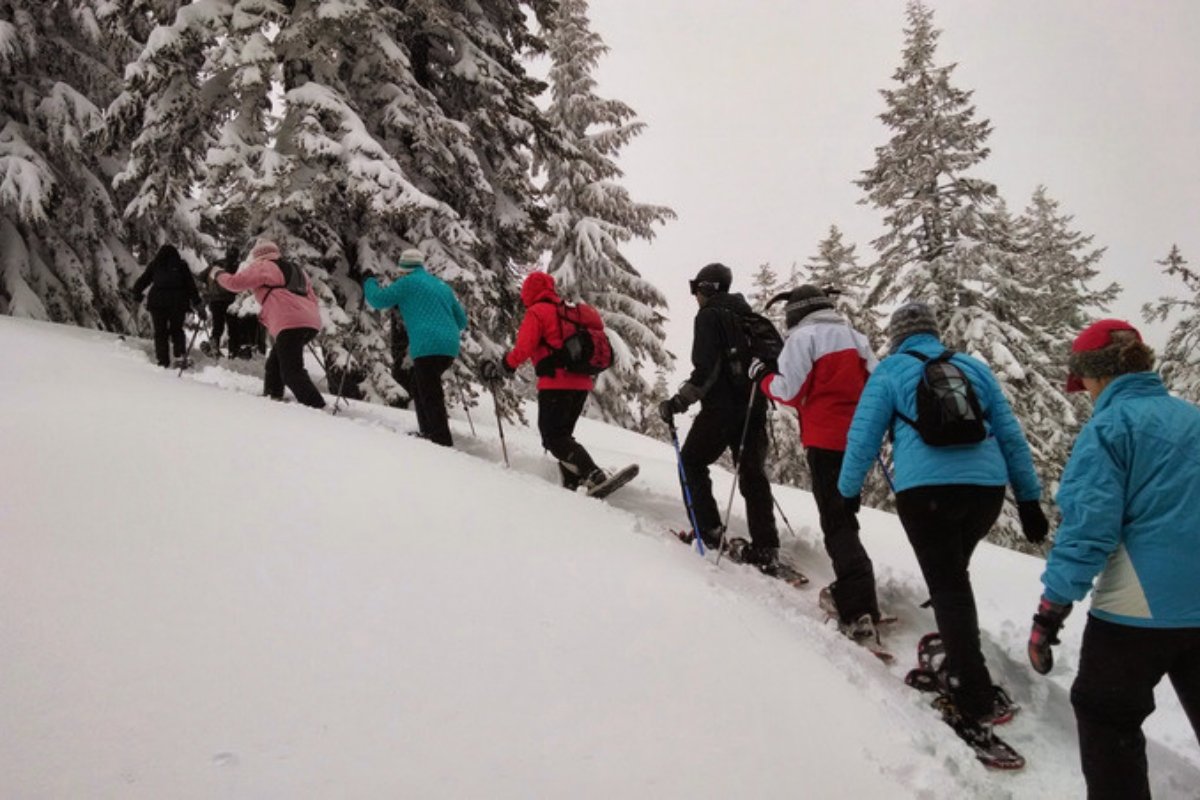
Try them on at home before the hike so you know how they fit over your boots. If the trail has deep snow, your park may suggest snowshoes instead. And if the trail turns out to be icier than your footwear can handle, the NPS advice is simple: turn around.
6. Pack the Ten Essentials, Winter Version
Even a short holiday hike deserves a small, well-packed bag. The NPS Ten Essentials are a good checklist:
- Navigation (map, compass, GPS)
- Sun protection (sunglasses, sunscreen, hat)
- Extra clothing
- Illumination (headlamp or flashlight)
- First-aid supplies
- Fire (matches or lighter and fire starter)
- Repair kit and tools
- Extra food
- Water and water treatment
- Emergency shelter (space blanket, tarp or bivy)
In winter, sunglasses matter more than you might think, since glare off the snow is strong. Don't count on your phone for directions or calls, either. Reception can be poor in parks, and cold drains batteries fast, so keep it in an inside pocket.
7. Bring Warm Drinks and High-Energy Snacks
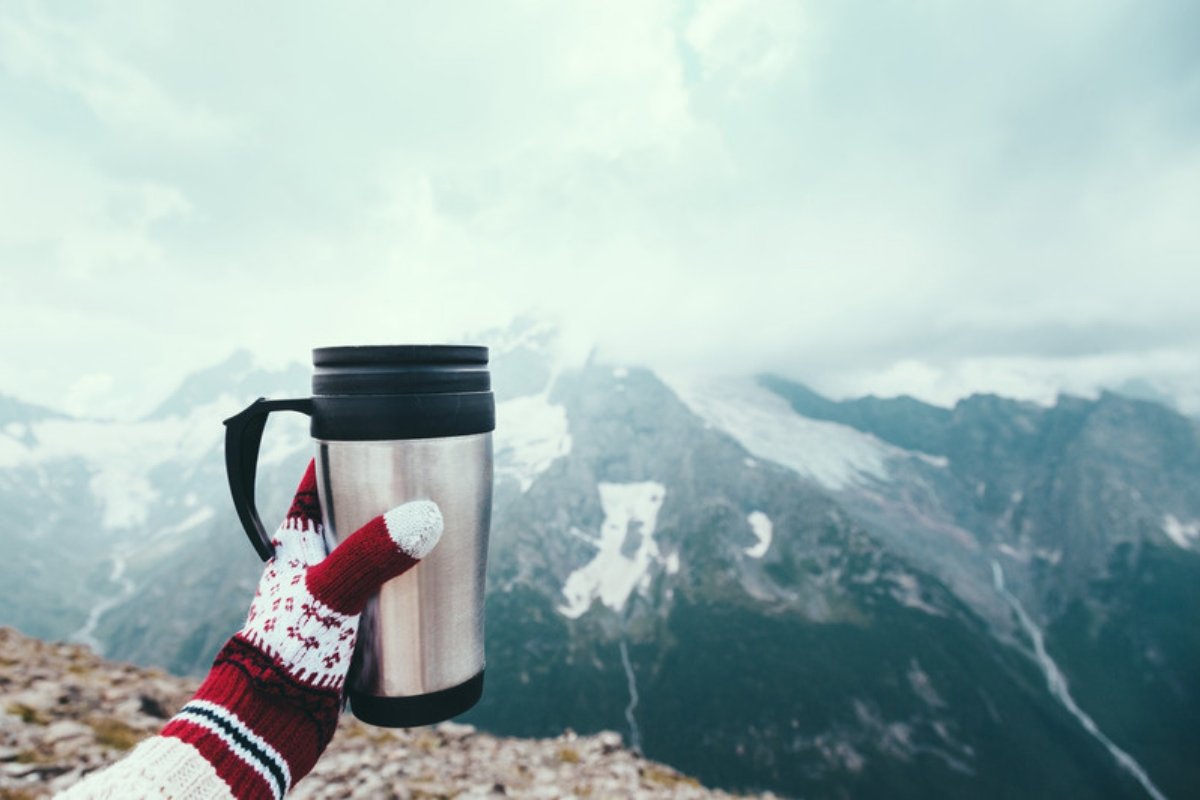
Your body burns extra energy staying warm, and the NPS notes that being hungry or dehydrated makes it harder to heat yourself. Eat a real breakfast before you leave and pack snacks that are easy to eat with gloves on: nuts, cheese, granola bars or a thermos of soup.
A thermos of hot tea or cocoa is a small luxury that makes a big difference at the halfway point. Insulate your water bottle too, or carry it upside down in an insulated sleeve so it doesn't freeze at the cap.
8. Check Conditions That Morning and Have a Plan B
Winter weather changes fast. Check the forecast the morning of the hike, along with your park's website or social media for closures, cancellations or a change of meeting place. Closures and restricted access are common in winter.
Leave a trip plan with someone who isn't going: which park, which trail and when you expect to be back. If the weather looks bad, it's fine to skip it. The NPS says it plainly: if it's too hazardous, it's okay to stay indoors. A walk around your neighborhood still counts as a great start to the year.
Winter Safety: Common Mistakes to Avoid
Most First Day Hikes go smoothly, but these are the mistakes that turn a fun morning into a rough one:
- Dressing for the parking lot, not the trail. Wind on an open ridge can feel much colder than the trailhead.
- Ignoring wet clothes. Damp socks and gloves pull heat from your body. Swap them out early.
- Missing the warning signs of cold stress. Frostbite can cause a loss of feeling and color, usually in fingers, toes, ears and nose. Hypothermia signs include uncontrolled shivering, slurred speech, confusion, fumbling hands, stumbling and drowsiness.
- Waiting too long to act. If someone shows signs of hypothermia, get them out of the wind, into dry clothes and off the cold ground, offer warm non-alcoholic drinks and get medical help right away.
First Day Hikes FAQ
Are First Day Hikes free?
The hikes themselves are usually free, and some parks also waive entry on New Year's Day. Others still require a day-use pass or vehicle permit, so check your park's event page.
Do I need to register?
It depends on the park. Many guided hikes are drop-in, while busy parks with limited parking often ask for free advance registration.
Can I bring my kids or my dog?
Many hikes are family-friendly, and some are short and easy on purpose. Pet rules vary by park and by hike, so read the listing before you go.
More Outdoor Ideas
- Hiking Outfit Winter: Incredible Cold-Weather Guides
- Snowshoeing for Beginners: 8 Tips for Your First Trail
- Hiking Trails with Kids: 9 Essential Tips
- Snow Day Activities for Kids: 8 Fun Ideas and Safety Tips
Pick a park, check the forecast and give yourself a fresh-air start to the year. Happy New Year, and happy trails.

Explore these outdoor tips too