
- Urbaki Outdoor
- Hiking and Trails
- How to Prepare for a Winter Hike
How to Prepare for a Winter Hike
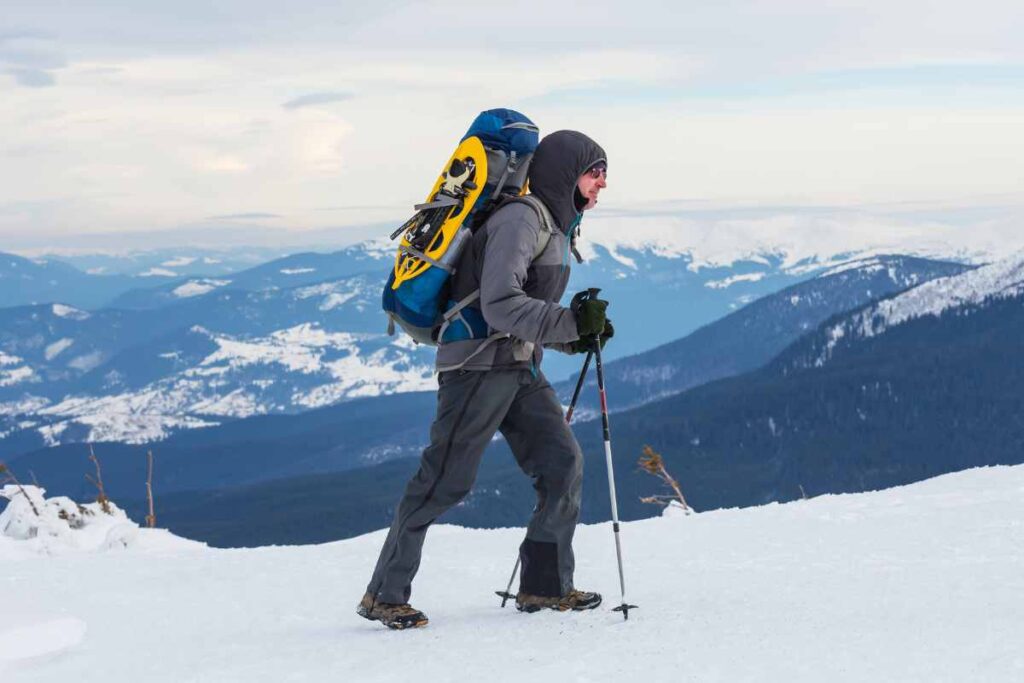
Winter hiking offers a unique and breathtaking experience, with snow-covered landscapes and crisp, fresh air.
However, the cold weather and challenging conditions also require careful preparation to ensure a safe and enjoyable adventure.
To make the most of your winter hike, it’s essential to plan ahead, choose the right gear, and be aware of the potential hazards. This guide will walk you through the key steps to prepare for a successful winter hiking trip.

Winter Hike Preparation: Planning and Research
Proper planning is the foundation of a successful winter hike. The cold and unpredictable conditions of winter demand thorough preparation and knowledge of the trail you plan to explore.
Choose the Right Trail
Not all trails are suitable for winter hiking. It's important to select a trail that matches your experience level and is safe for the conditions you’ll encounter.
- Research Trail Conditions: Before heading out, check the latest trail reports and weather forecasts. Look for information on snow depth, trail conditions, and any potential hazards like ice or avalanches.
- Know the Difficulty Level: Choose a trail that matches your fitness and experience. In winter, even easy trails can become more challenging due to snow and ice. If you’re new to winter hiking, start with shorter, well-marked trails.
- Consider Elevation: Higher elevation trails can have more snow and harsher weather conditions. Be prepared for colder temperatures and stronger winds as you gain altitude.
Understand Weather Patterns
Weather can change rapidly in the winter, so it’s crucial to monitor forecasts closely.
- Check the Weather Regularly: Look at the weather forecast several days before your hike and again on the morning of your departure. Be prepared to change your plans if severe weather is expected.
- Know the Signs of Changing Weather: Learn to recognize signs of incoming weather changes, such as cloud patterns or shifts in wind direction. This knowledge can help you make timely decisions while on the trail.
Plan Your Route and Schedule
Having a clear plan is essential for any winter hike. This includes knowing your route, estimating the time it will take, and setting checkpoints.
- Map Out Your Route: Study your trail map and mark important points such as trailheads, junctions, and landmarks. Consider bringing a GPS device or compass as backup.
- Set a Turnaround Time: Winter days are short, so plan to turn back well before sunset to avoid getting caught in the dark. Allow extra time for slower hiking in snow and for taking breaks to warm up.
- Inform Someone of Your Plans: Always let someone know your hiking plans, including your route and expected return time. This is crucial in case of emergencies.
Essential Gear for a Winter Hike
The right gear is critical for staying warm, dry, and safe during a winter hike. Your clothing, footwear, and equipment should all be carefully chosen to suit the cold and snowy conditions.
Layering Your Clothing
Dressing in layers is the best way to regulate your body temperature and stay comfortable throughout your hike.
- Base Layer: Start with a moisture-wicking base layer made from synthetic materials or merino wool. This layer keeps sweat away from your skin, preventing you from getting cold.
- Insulating Layer: The insulating layer traps heat and keeps you warm. Fleece or down jackets are excellent choices for this layer.
- Outer Layer: A waterproof and windproof outer shell is essential for protecting you from the elements. Look for jackets and pants made from breathable, waterproof materials like Gore-Tex.
- Accessories: Don’t forget a warm hat, gloves, and neck gaiter or scarf. Bring extra gloves and socks in case your primary pair gets wet.
Footwear
Your feet are especially vulnerable to the cold, so choosing the right footwear is crucial.
- Winter Hiking Boots: Invest in insulated, waterproof boots designed for winter conditions. These boots should provide warmth, support, and protection against snow and ice.
- Gaiters: Gaiters help keep snow out of your boots and provide extra insulation around your lower legs.
- Traction Devices: Ice and packed snow can be extremely slippery. Equip your boots with crampons, microspikes, or snowshoes depending on the trail conditions.
Essential Equipment
In addition to clothing, there are several key pieces of equipment that you should bring on your winter hike.
- Backpack: A good backpack with enough capacity to carry your gear, extra clothing, food, and emergency supplies is essential. Look for a pack with a hydration sleeve to keep your water from freezing.
- Navigation Tools: Always carry a map, compass, and GPS device. Winter landscapes can be disorienting, especially if the trail is covered in snow.
- Headlamp: Winter days are short, and darkness can fall quickly. Bring a headlamp with extra batteries in case you’re still on the trail after sunset.
- Trekking Poles: Trekking poles provide stability on uneven and slippery terrain. They can also help you maintain balance in deep snow or when crossing icy patches.
Safety and Emergency Gear
Safety should always be a priority on a winter hike. Prepare for the unexpected by packing the following items:
- First Aid Kit: A well-stocked first aid kit is essential for treating minor injuries or emergencies on the trail.
- Emergency Shelter: Carry a lightweight emergency shelter or bivy sack in case you need to spend an unexpected night outdoors.
- Firestarter: Bring waterproof matches, a lighter, or a firestarter. Being able to start a fire can be a lifesaver if you need warmth in an emergency.
- Extra Food and Water: Pack high-energy snacks and extra food in case your hike takes longer than planned. Ensure you have enough water, and consider bringing a thermos with a hot drink.

Physical and Mental Preparation for a Winter Hike
A winter hike can be physically demanding, especially in cold weather and challenging terrain. Preparing your body and mind is just as important as having the right gear.
Physical Conditioning
Winter hiking requires strength, endurance, and flexibility. Prepare your body by:
- Training: Engage in regular aerobic exercise, such as hiking, running, or cycling, to build endurance. Strength training, particularly for your legs and core, will help you manage the rigors of hiking in snow and over uneven terrain.
- Practice Hikes: Before embarking on a long winter hike, go on shorter hikes in cold weather to acclimate your body to the conditions and test your gear.
- Stretching: Stretch before and after your hike to maintain flexibility and prevent injury. Pay special attention to your legs, back, and shoulders.
Mental Preparation
Winter hiking can be mentally challenging, especially when conditions are harsh. Prepare yourself mentally by:
- Staying Positive: Cold weather and difficult conditions can be tough, but maintaining a positive attitude will help you stay focused and motivated.
- Being Flexible: Be prepared to change your plans if conditions deteriorate. Knowing when to turn back or adjust your route is crucial for safety.
- Staying Calm: If you encounter difficulties, such as getting lost or dealing with extreme cold, stay calm and think through your options. Panic can lead to poor decision-making.
Environmental Awareness and Leave No Trace Principles
Respecting the environment is a key aspect of any winter hike. Snow-covered landscapes are fragile, and it's important to minimize your impact.
Leave No Trace
Follow Leave No Trace principles to protect the environment:
- Stay on the Trail: Even in winter, stick to the trail to avoid damaging vegetation under the snow.
- Pack Out Trash: Bring all your trash back with you, including food wrappers and organic waste like banana peels.
- Respect Wildlife: Winter is a tough time for wildlife. Avoid disturbing animals and give them plenty of space.
Be Aware of Avalanche Risk
In some areas, avalanches are a serious risk during the winter. If you're hiking in avalanche-prone areas:
- Check Avalanche Forecasts: Before your hike, check the local avalanche forecast and avoid areas with high risk.
- Carry Avalanche Safety Gear: If you’re hiking in avalanche terrain, carry a beacon, probe, and shovel, and know how to use them.
- Know How to Read Terrain: Learn to recognize avalanche terrain and avoid slopes that are prone to slides.
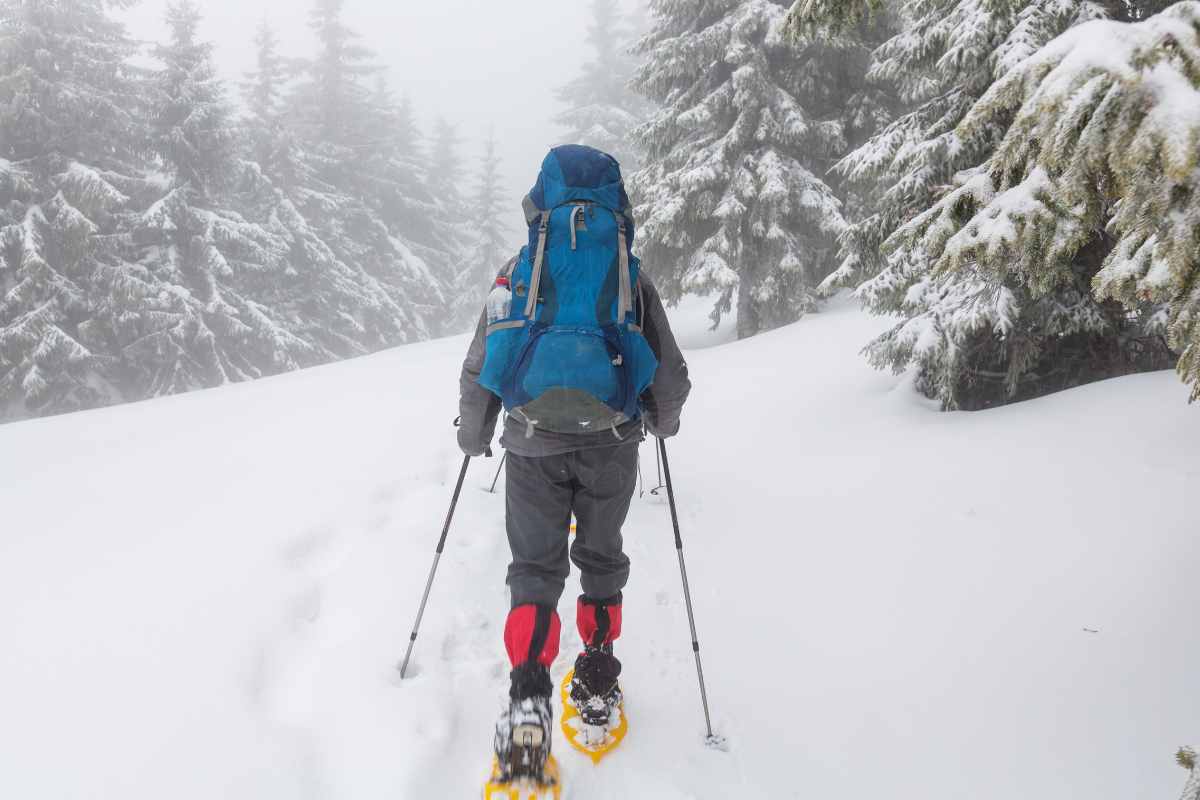
Preparing for a winter hike involves careful planning, the right gear, physical and mental preparation, and a commitment to environmental stewardship.
By taking the time to prepare thoroughly, you can enjoy the beauty and solitude of winter landscapes while staying safe and comfortable.
Whether you're an experienced hiker or new to winter hiking, following these guidelines will help you have a successful and memorable winter adventure.
Did you find this post useful or inspiring? Save THIS PIN for later in your Outdoor Board on Pinterest!
Explore these outdoor tips too