
How to Stay Warm During a Winter Camping Trip
Winter camping can be an exhilarating experience, offering the opportunity to enjoy the serenity of snow-covered landscapes and the crisp, cold air.
However, the cold can also be a significant challenge, making it crucial to know how to stay warm during a winter camping trip.
Proper preparation and the right gear can mean the difference between an enjoyable adventure and a miserable, cold experience.
In this article, we'll go over key tips and strategies to help you stay warm on a winter camping trip, so you stay comfortable and safe the whole time.
Essential Gear to Stay Warm During a Winter Camping Trip
The right gear is critical to staying warm during a winter camping trip. Here's what you need:
Sleeping Bag and Sleeping Pad
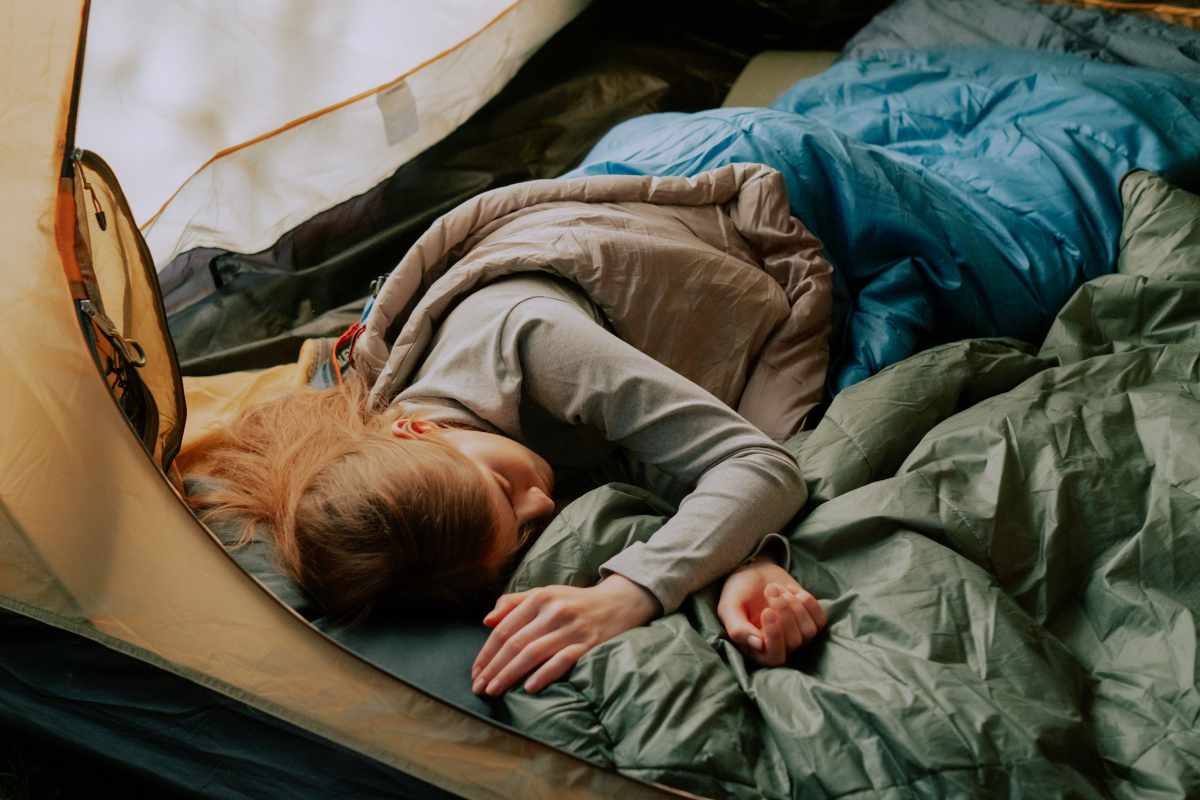
Your sleeping bag is your primary defense against the cold. For winter camping, you'll need a sleeping bag rated for temperatures lower than what you expect to encounter.
A bag rated for at least 10-20 degrees Fahrenheit lower than the forecasted temperatures will provide extra warmth.
Down-filled sleeping bags are excellent because they are lightweight and offer superior insulation, but they must be kept dry to maintain their insulating properties.
In addition to a high-quality sleeping bag, a sleeping pad is essential. The ground can draw heat away from your body, so using a sleeping pad with a high R-value (which measures insulation) will help keep you warm.
Consider using two pads—a closed-cell foam pad underneath an inflatable one—to create a barrier between you and the cold ground.
Clothing Layers
Layering your clothing is a key strategy to stay warm during a winter camping trip. The right combination of layers allows you to adjust your insulation based on your activity level and the outside temperature. Here's a breakdown of what you'll need:
- Base Layer: The base layer should be made of moisture-wicking materials like merino wool or synthetic fibers. This layer keeps sweat away from your skin, helping you stay dry and warm.
- Middle Layer: The middle layer provides insulation. A fleece jacket or a down sweater works well here. This layer traps body heat while still allowing moisture to escape.
- Outer Layer: The outer layer, or shell, should be windproof and waterproof to protect you from the elements. A Gore-Tex jacket or a similar product is ideal, as it will keep out wind and snow while still allowing moisture to escape from the inner layers.
- Accessories: Don't forget a warm hat, gloves, and socks. Your head, hands, and feet lose heat quickly, so it's essential to keep them well-insulated. Consider wearing a balaclava or a neck gaiter for extra warmth and protection against the wind.
Preparing Your Campsite to Stay Warm During a Winter Camping Trip
Setting up your campsite properly is another critical aspect of staying warm during a winter camping trip. Here are some tips to ensure your campsite keeps the cold at bay:
Choosing the Right Location
Select a campsite that offers natural protection from the wind, such as a spot behind a stand of trees or a hill. Avoid camping in low-lying areas where cold air tends to settle. If possible, choose a site that will receive morning sunlight to help warm up your camp.
Building a Shelter
In addition to your tent, you might consider building a windbreak using snow or natural materials like branches. A snow wall can be an effective barrier against the wind.
If there's enough snow, you can also create a quinzee (a type of snow shelter) or a snow cave for additional insulation.
Setting Up Your Tent
When setting up your tent, make sure to stake it down securely to prevent it from shifting or collapsing in the wind. Use a footprint or a ground tarp to add an extra layer of insulation between your tent and the snow.
Inside the tent, keep your sleeping bag and gear elevated on sleeping pads to avoid direct contact with the cold ground.
Insulating Your Shelter
Line the floor of your tent with extra layers, such as an emergency blanket or a foam mat, to prevent heat loss. You can also hang a tent liner or reflective tarp inside to help retain heat.
Staying Warm While Sleeping During a Winter Camping Trip
Getting a good night's sleep in cold conditions can be challenging, but with the right techniques, you can stay warm throughout the night.
Pre-Warm Your Sleeping Bag
Before getting into your sleeping bag, warm it up by placing a hot water bottle inside for a few minutes. Be sure the bottle is securely closed to prevent leaks. This will provide some initial warmth that can help you settle in more comfortably.
Dress Appropriately for Sleep
Avoid wearing too many layers inside your sleeping bag, as this can compress the insulation and reduce its effectiveness.
Wear a clean, dry base layer and a warm hat. It's also a good idea to have a separate pair of socks specifically for sleeping to ensure they are dry and warm.
Eat Before Bed
Your body generates heat as it digests food, so having a snack before bed can help keep you warm. Opt for a snack that provides sustained energy, such as nuts, cheese, or a peanut butter sandwich.
Ventilate Your Tent
It might seem counterintuitive, but ensuring proper ventilation in your tent is crucial. If moisture builds up inside the tent, it can freeze and make you colder. Crack open a vent or leave a small opening in the tent door to allow moist air to escape.
Staying Active to Stay Warm During a Winter Camping Trip
Physical activity generates body heat, so staying active is one of the best ways to maintain warmth.
Daytime Activity
During the day, keep moving to prevent your body from cooling down. Take short hikes, gather firewood, or engage in activities like snowshoeing or skiing.
Avoid sweating, as wet clothing can quickly make you cold once you stop moving. If you start to sweat, remove a layer to stay dry.
Nighttime Activity
Before settling into your sleeping bag, do some light exercises, like jumping jacks or a quick walk around the campsite, to warm up.
This will help raise your body temperature and make it easier to stay warm once you're in your sleeping bag.
Using Heat Sources to Stay Warm During a Winter Camping Trip
Sometimes, natural body heat and insulation aren't enough, and you'll need additional heat sources to stay warm during a winter camping trip.
Campfires
A campfire can provide much-needed warmth and boost morale on a cold night. However, it's essential to build and maintain it safely.
Choose a site for your fire that is sheltered from the wind, and use a fire ring or build a snow wall around the fire to help reflect heat.
Always follow Leave No Trace principles when building a fire, and make sure it's fully extinguished before leaving or going to bed.
Portable Heaters
If you're camping in an area where it's safe and allowed, a portable heater can be a lifesaver. Propane heaters, like those from Mr. Heater, are popular among winter campers.
However, never use these inside a tent unless it's specifically designed to be used with a heater, as they can produce carbon monoxide, which is extremely dangerous.
Hand and Foot Warmers
Chemical hand and foot warmers are compact and easy to use, making them a great option for quick warmth. Activate a few of these and slip them into your gloves, boots, or sleeping bag for added heat.
Emergency Tips to Stay Warm During a Winter Camping Trip
Even with the best preparations, emergencies can happen. Knowing how to respond can be crucial to staying warm and safe.
Cold Weather First Aid
Be familiar with the signs of hypothermia and frostbite, and know how to treat them. Hypothermia occurs when your body loses heat faster than it can produce it, leading to dangerously low body temperatures.
Frostbite affects extremities like fingers, toes, and the nose, and can result in permanent tissue damage if not treated promptly.
Emergency Shelter
If your tent or other shelter fails, having an emergency bivy sack or a space blanket can save your life. These items are lightweight and packable, making them easy to carry and deploy in a pinch.
Stay Dry
Wet clothing can lead to rapid heat loss. If your clothes become wet, change into dry gear as soon as possible. Carry extra base layers, socks, and gloves to ensure you always have dry clothing available.
Staying warm during a winter camping trip requires careful planning, the right gear, and an understanding of how to manage your body's heat.
By following these tips, you can enjoy the beauty and solitude of winter camping while staying safe and comfortable.
So, next time you venture out into the cold, remember these strategies to stay warm during a winter camping trip, and you'll be well-prepared for whatever Mother Nature throws your way.
Did you find this post useful or inspiring? Save THIS PIN for later in your Outdoor Board on Pinterest! 😊


Explore these outdoor tips too