
Outdoor Ice Skating: 8 Safety Tips for Frozen Ponds and Lakes
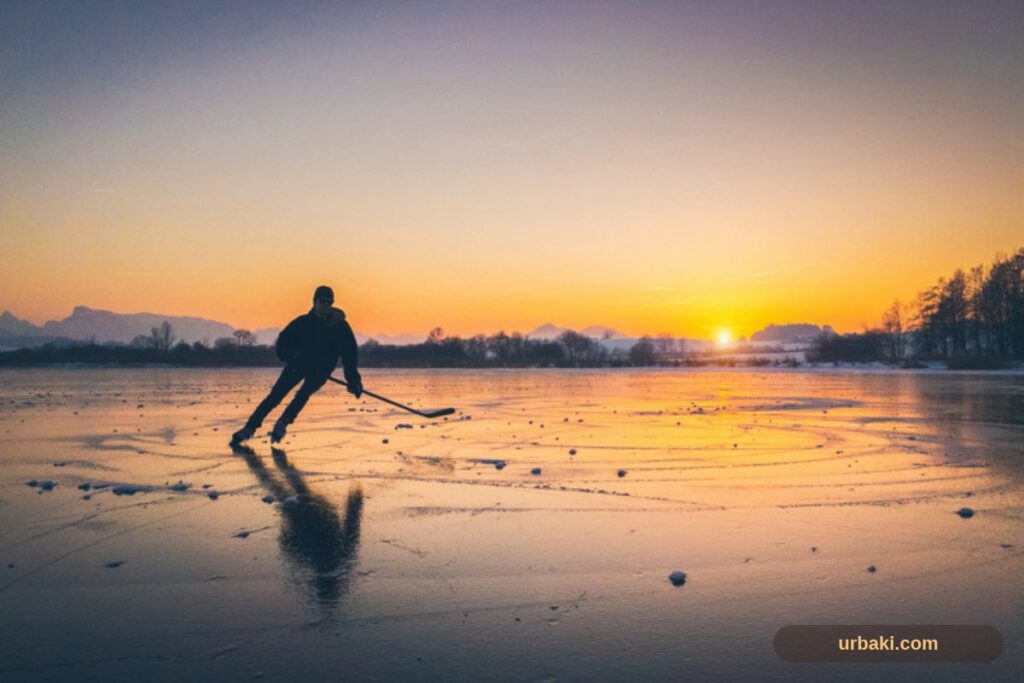
There is something special about lacing up your skates on a frozen pond, with snow on the banks and nobody telling you when the session ends. Natural ice is also unpredictable. The same pond can be solid in one spot and dangerously thin a few yards away. These eight tips cover how to pick a spot, how thick the ice needs to be, what to bring, and what to do if something goes wrong, so your winter skating stays fun.
1. Start Where the Ice Is Managed
If your town floods an outdoor rink or posts ice conditions for a local pond, that is the easiest place to begin, especially with beginners or kids. Someone else is watching the ice, and help is usually close by.
When you head to a wild pond or lake instead, choose a small, shallow body of water with no stream flowing in or out. Still water avoids the currents that keep ice thin (more on that in tip 5). Arrive in daylight so you can see the surface, the shoreline and any open water before you step out.
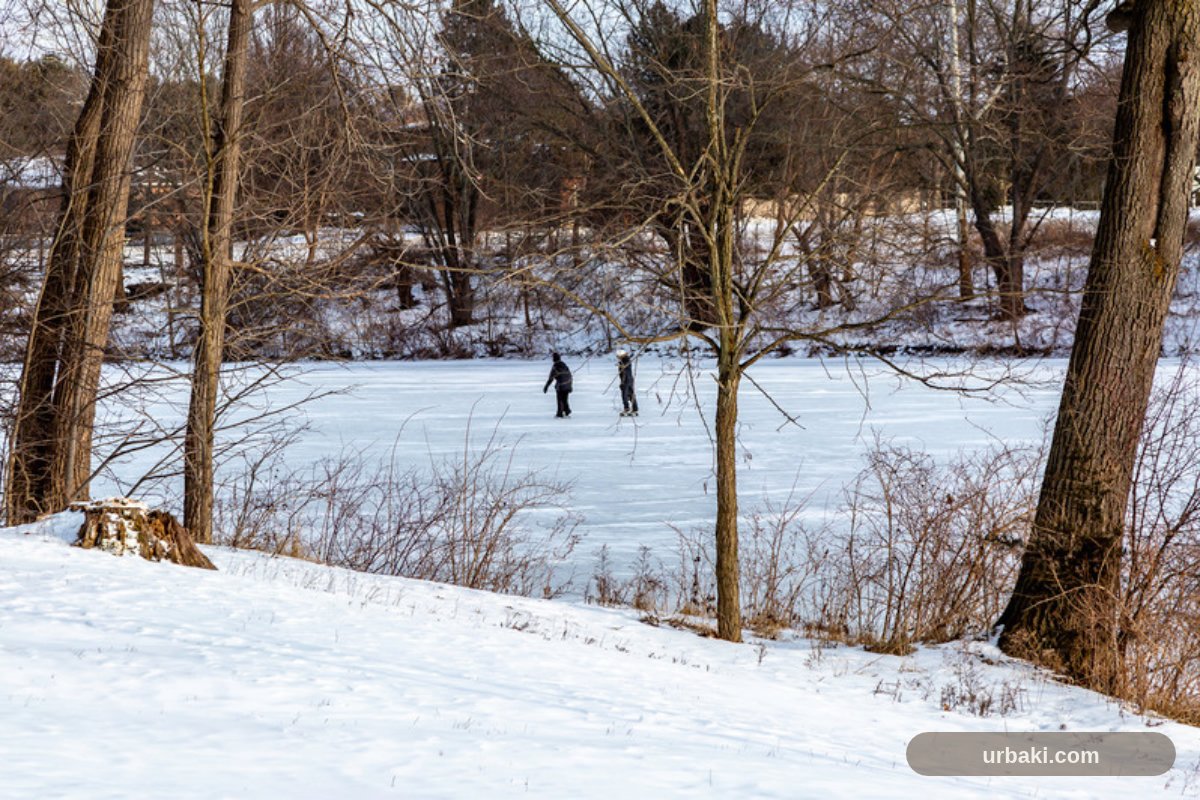
Remember that a frozen pond is never guaranteed safe. The Minnesota Department of Natural Resources puts it plainly: there is no such thing as 100 percent safe ice. Every trip starts with checking, not assuming.
2. Know How Thick the Ice Needs to Be
Thickness is the number that matters most. The Minnesota DNR says to stay off ice that is under 4 inches thick, and that 4 inches of new, clear ice is the minimum for activities on foot. The Canadian Red Cross recommends at least 15 centimeters (about 6 inches) for walking or skating alone, and 20 centimeters (about 8 inches) for skating in a group or playing a game of hockey.
Use the higher numbers whenever you can. Skating means speed, falls and people bunching together, and a family outing is a group. If your measurement comes in under the guideline, do not skate that day.
Those numbers apply to clear ice. White, cloudy ice is a different story, which is why color matters too (see tip 4).
3. Measure the Ice Yourself
You cannot judge ice by looking at it, by how cold it has been, or by whether there is snow on top. The Minnesota DNR notes that ice can be two feet thick in one place and one inch thick a few yards away.
To check it, the DNR suggests an ice chisel (spud bar), a hand or power auger, or a cordless drill with a 5/8-inch wood auger bit. Make a hole near shore, then measure the ice with a tape measure. Check again as you move out, and keep checking in different spots across the area where you plan to skate.
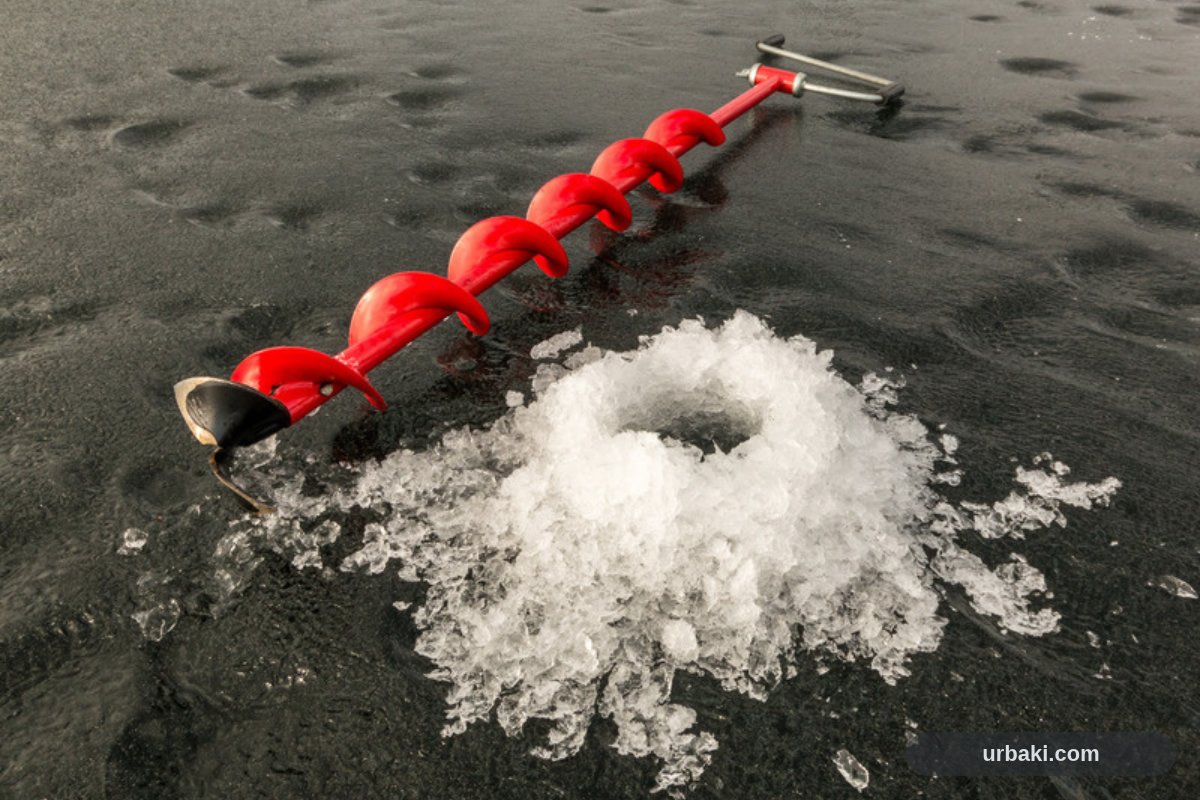
One detail people miss: how easily the drill or chisel breaks through tells you nothing. Only the measurement counts.
4. Read the Color of the Ice
Ice color gives you useful clues, as long as you still measure. According to the Canadian Red Cross:
- Clear blue or black ice is the strongest.
- White ice (snow ice) is only about half as strong as clear ice. The Minnesota DNR advises doubling the thickness guidelines for white ice.
- Grey or slushy ice is the weakest. It means water is present, so stay off it completely.
Weather matters as well. The Red Cross points out that ice needs a stretch of consistently below-freezing temperatures to build strength. A single cold night after a thaw does not make a pond safe, and a sunny warm afternoon can weaken ice that was fine in the morning.
5. Stay Away From the Danger Zones
Some areas stay thin even when the rest of the pond is thick. The Minnesota DNR warns that ice over flowing water and currents is often dangerous, especially near streams, bridges and culverts. Ice near the shore can also be weaker, and pressure ridges are worth avoiding.
The Red Cross lists other red flags: open water, cracks that change or spread, and air bubbles in the ice.
If you hear the ice boom or crack, do not panic. The DNR notes that booming and cracking ice isn't necessarily dangerous. Still, if anything about the ice makes you uneasy, head back the way you came.
6. Never Skate Alone, and Tell Someone Your Plan
"Don't skate alone" is one of the first rules the Canadian Red Cross gives for lake skating. A partner can call for help or reach you with a rope if something happens.
Before you leave, let someone at home know where you are going and when you expect to be back. The Minnesota DNR gives the same advice. If you skate somewhere without cell service, agree on a firm return time.
7. Pack a Small Safety Kit and Dress for It
Ice safety gear is small and light, so there is no reason to leave it in the car. The Red Cross and the Minnesota DNR both recommend:
- Ice picks worn where you can grab them fast, such as inside your sleeves. They help you pull yourself onto the ice.
- A life jacket or other buoyant gear. The DNR suggests a foam life jacket, which helps keep you afloat if you go through.
- A throw rope so someone can pull you out from a safe distance.
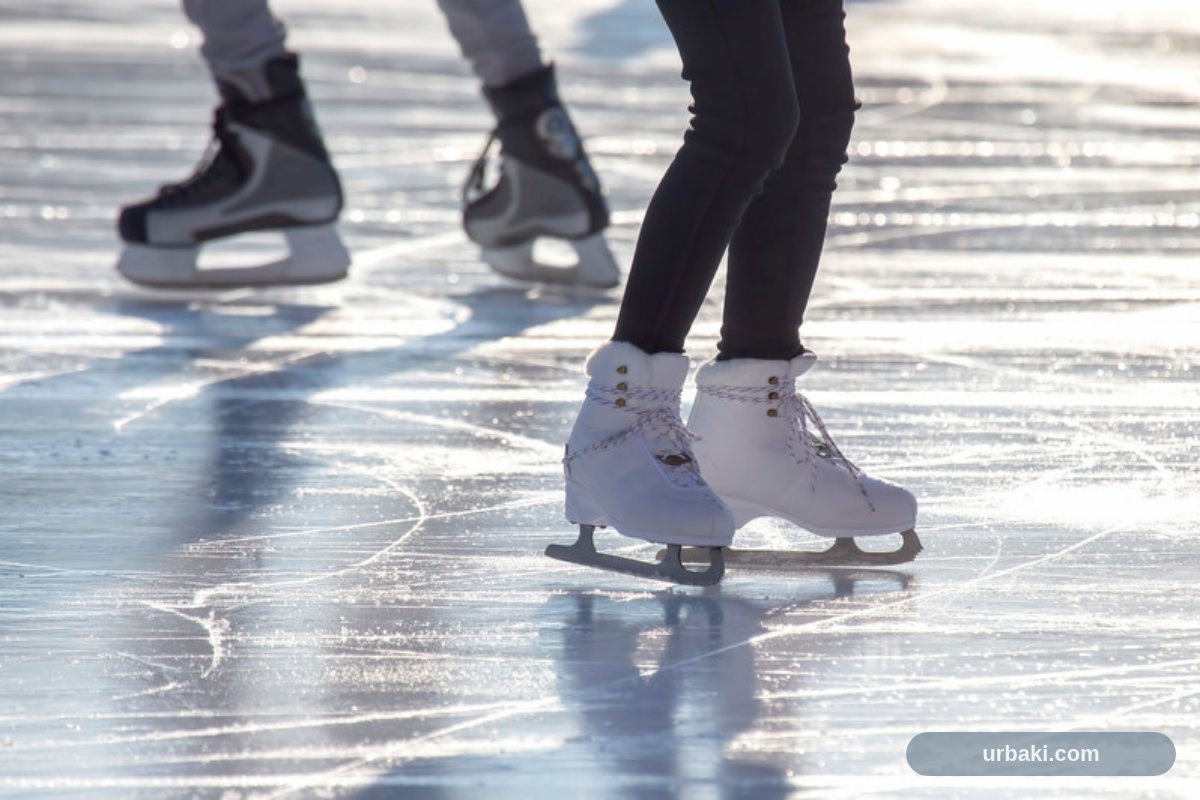
For clothing, use layers that you can open or remove as you warm up: a wicking base layer, a warm mid layer and a wind-resistant shell. Add a hat, gloves or mittens, and warm socks that do not cram your toes in your skates. Pack a dry set of clothes and a thermos of something warm for the ride home. A phone in a waterproof bag is worth carrying too.
8. Make It Fun and Safe for Kids
Pond skating can be a favorite family tradition. Keep young skaters within arm's reach, especially early in the season, and hold hands on the first laps. A helmet is a smart idea for small kids who are still learning to fall.
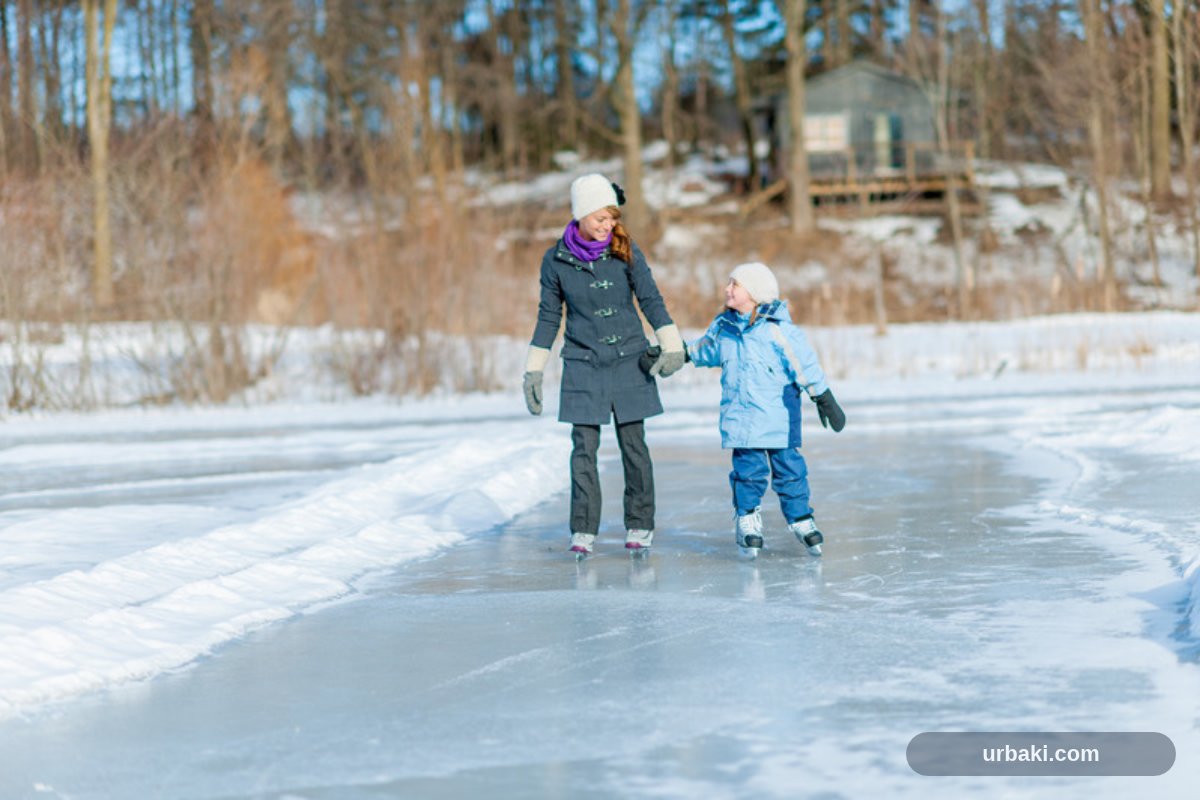
Set a clear boundary close to shore where you have measured the ice, and explain why nobody goes past it. Plan short sessions with warm-up breaks, since kids get cold faster than adults and may not tell you until they are miserable. Bring snacks and a hot drink to make the breaks something to look forward to.
What to Do If Someone Falls Through the Ice
Knowing the steps ahead of time makes a real difference. The Canadian Red Cross recommends this if you fall in:
- Call for help.
- Resist the urge to climb out where you fell in.
- Use the air trapped in your clothing to float on your stomach.
- Reach forward onto the solid ice without pushing down, kick your legs, and slide your body onto the ice. Use your ice picks if you have them.
- Once out, do not stand up. Crawl or roll away from the hole with your arms and legs spread to share your weight.
- Get to shore, get warm and get help.
If someone else falls in, do not run out to them. Call for help first. If you can reach them from shore, the Red Cross advises lying down and extending a pole, branch or rope. Going out onto the ice to help puts a second person at risk.
Common Mistakes to Avoid
- Trusting other people's tracks. Footprints or skate marks do not mean the ice is thick where you are standing.
- Checking once and calling it good. Ice thickness changes across a pond and from day to day.
- Leaving safety gear at home because "it's just a quick skate."
Frequently Asked Questions
How thick should ice be for skating?
The Minnesota DNR says to stay off ice under 4 inches and treats 4 inches of new, clear ice as the minimum for activities on foot. The Canadian Red Cross recommends at least 15 cm (about 6 inches) for skating alone and 20 cm (about 8 inches) for groups or hockey. Double those numbers for white ice.
Is it safe to skate on a river?
Rivers are much riskier than ponds. Moving water keeps ice thinner and less predictable, and the Minnesota DNR warns that ice over currents is often dangerous. Stick to managed rinks or still ponds that you can measure.
Does cracking mean the ice is about to break?
Not always. Booming or cracking isn't necessarily dangerous, according to the Minnesota DNR. Cracks that grow, water seeping through, or slushy patches are signs to leave.
More Outdoor Ideas
- Snow Day Activities for Kids: 8 Fun Ideas and Safety Tips
- Snowshoeing for Beginners: 8 Tips for Your First Trail
- Hiking Outfit Winter: Incredible Cold-Weather Guides
- Winter Wildlife Watching: 8 Tips for Spotting Animals in the Snow
A frozen pond on a clear winter day is hard to beat. Measure the ice, bring a buddy and your safety kit, and when in doubt, wait for another day. The pond will still be there next weekend.

Explore these outdoor tips too