
3 Pro Tips For Hiking Snacks That Actually Work
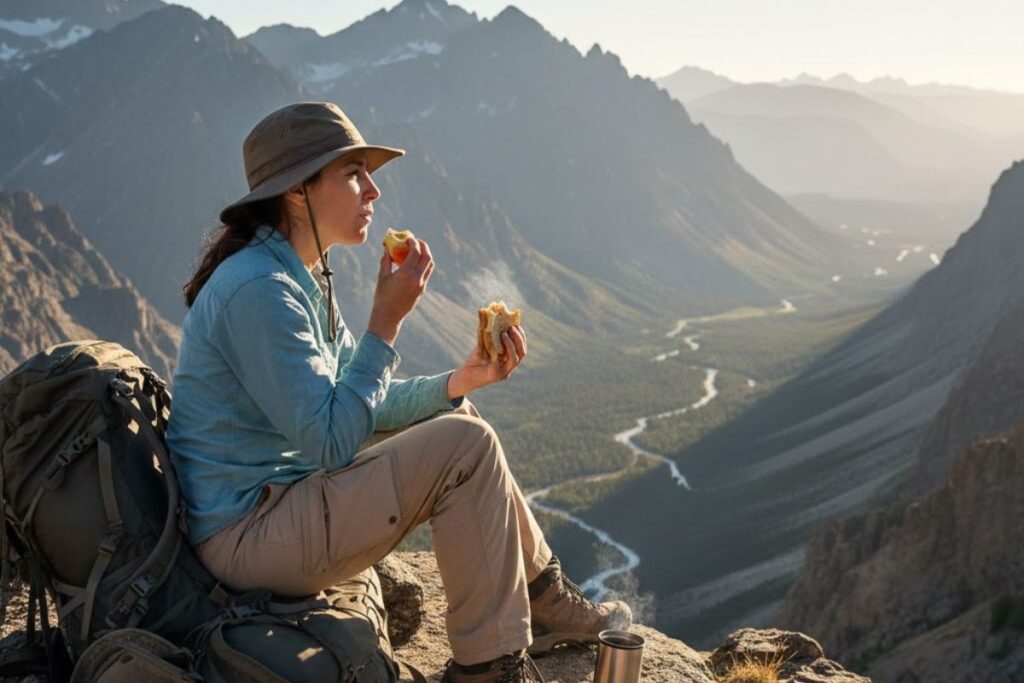
Hiking snacks can make or break your day on the trail. Pack the wrong mix and you’ll crash early; pick the right fuel and you’ll move farther, feel better, and actually enjoy the view.
Think of them as strategic trail food—a compact toolkit of energy, hydration, and comfort. In this guide, you’ll find three field-tested tips that work for short walks, summit pushes, and overnight missions.
Along the way, we’ll help you decide what to eat on a hike, what to pack for a hike, and how to transform everyday bites into healthy outdoor snacks that travel well, taste great, and support steady energy.
You’ll also see how these ideas scale to roadtrip snacks and even camping snacks for adults on longer weekends.
Tip 1: Build a Smart Mix (Carbs + Protein + Fat)
 The best hiking snacks keep your energy stable over hours, not minutes. Use a simple formula: a fast carb for quick fuel, a protein for satiety, and a healthy fat for staying power.
For example, pretzels (carb), jerky (protein), and almonds (fat) form a trio that’s easy to portion and share.
This balance helps prevent energy spikes and bonks, and it works equally well for day hikes or as backpacking food ideas when you’re counting weight and volume.
If you’re unsure where to start, think in “mini-meals” rather than single items. A small wrap with nut butter and banana, a handful of trail mix with dried fruit, or crackers with tuna packs are all easy trail snacks that check the boxes.
When weight matters, look for easy healthy snacks on the go high protein—individually packed Greek-yogurt bites (shelf-stable), roasted chickpeas, or shelf-stable cheese sticks.
These match most hiking food ideas lists without requiring cooking gear.
For longer days, aim for 150–250 calories per hour, and don’t wait until you’re starving. Pair your bites with small sips of water or electrolyte drink.
This approach scales to camping snacks make ahead too: pre-roll wraps, portion nut butters into mini cups, and freeze energy bars the night before so they stay firm in warm weather.
Want a quick visual breakdown of smart snack building? Check this helpful YouTube overview for more context: Balanced Snack Building For Hikers (credit: James Appleton). (External resource.)
Tip 2: Pack By Terrain, Temperature, And Time
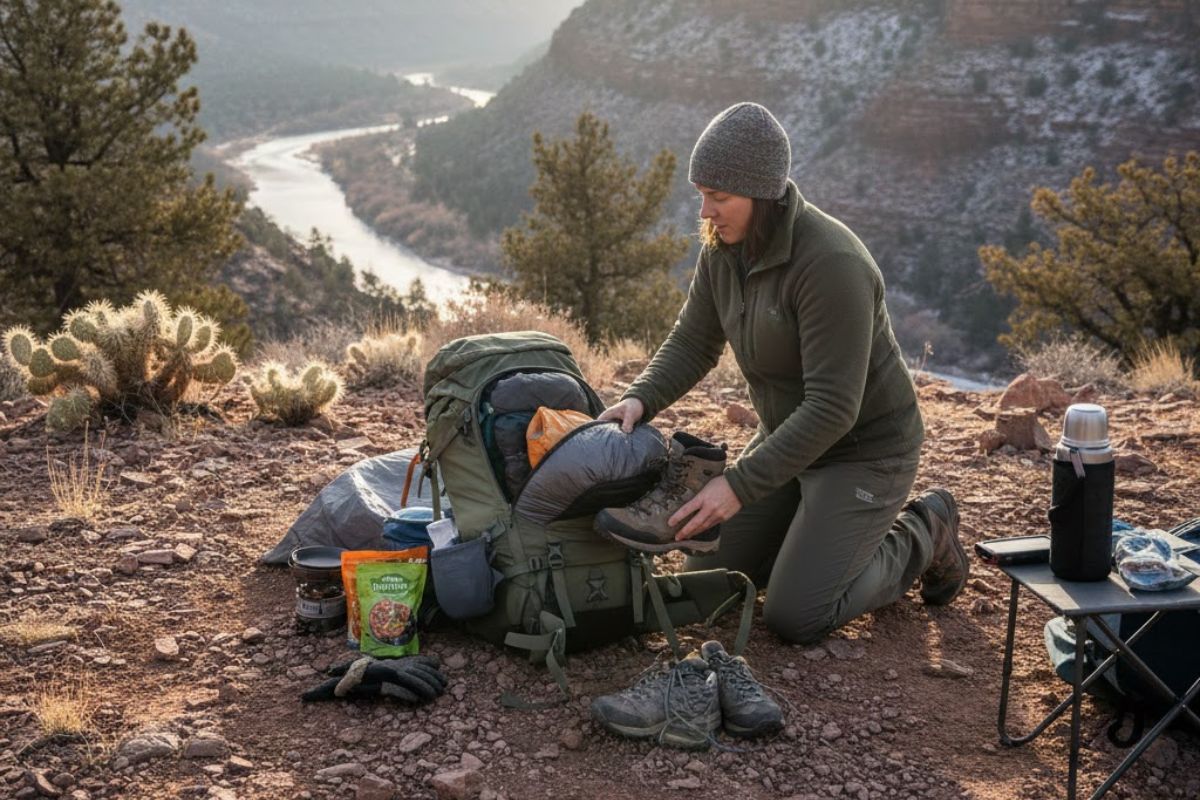 Great planning isn’t just about the food—it’s about matching your menu to the day. Hot, exposed routes call for saltier options such as salted nuts, crackers, and olives; cold days welcome denser items like nut-butter bars and chocolate.
If the route is steep or technical, choose snacks you can eat while moving—chews, bite-size bars, or squeezable applesauce. These are truly the best snacks for hiking trips where stopping often isn’t practical.
Consider packaging too. Soft flasks for smoothies, reusable silicone pouches for cut fruit, and small bento boxes keep food intact. Label each pouch with the hour you plan to eat it—simple and effective.
As you prep your kit, run through a quick checklist of what to pack for a hike: water and electrolytes, emergency carbs (gummies or dates), and at least one savory option to stave off flavor fatigue.
This mindset also generates excellent trip food ideas for multi-day adventures.
If you’re driving to the trailhead, stash a cooler in the car with post-hike roadtrip snacks like yogurt cups, cut veggies, and sparkling water. That way you’ll recover better and resist the gas-station sugar bomb.
For overnights, pre-portion camping snacks for adults—think dark chocolate, spiced nuts, and cured meats—so your backcountry happy hour is effortless.
For a fast planning demo—including packing order and temperature tips—see this short explainer: Pack Snacks By Conditions (credit: Amanda Outside). (External resource.)
Tip 3: Upgrade Flavor And Nutrition Without Extra Weight
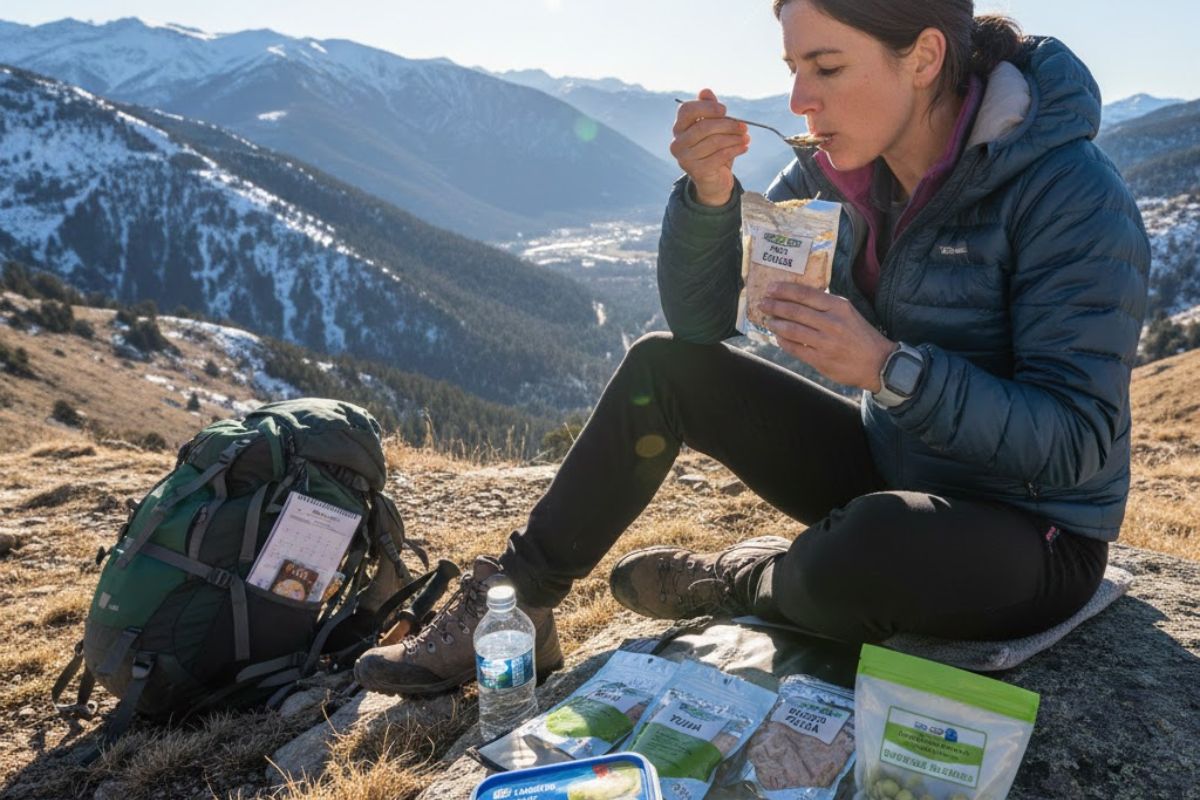 Small tweaks turn decent bites into the best hiking snacks. Add spice mixes (tajín, curry, cinnamon), citrus zest, or coconut flakes to keep flavors exciting.
Rotate textures too—crunchy nuts with chewy dried mango or a creamy nut-butter packet. These simple upgrades make your go-bag feel curated, not cobbled together, and they work beautifully as healthy hiking snacks for families or partners.
When you want more protein, think beyond bars. Tuna or chicken packets, roasted edamame, and shelf-stable cottage cheese offer real food options that fit most hike snacks ideas lists.
If you need vegetarian or gluten-free options, rice-cake stacks with almond butter and dates deliver quick carbs with staying power. These are classic healthy outdoor snacks that you can eat with one hand while you enjoy the view.
Dial in your backpacking food ideas with calorie-dense add-ons that weigh almost nothing: olive-oil mini bottles for wraps, chia seeds for yogurt cups, or parmesan shavings for crackers.
Keep a small “flavor kit” in your hip belt and you’ll never dread snack time again. And remember: your high-impact choices today will also serve as healthy travel food ideas on flights, buses, or trains.
For a flavorful spin and quick examples you can adapt on your next outing, watch: Lightweight Flavor Boosts For Trails (credit: Set To Hike). (External resource.)
Quick Reference: What To Eat And Pack
 Need a succinct refresher before you head out? Here’s how to decide what to eat on a hike without overthinking it: choose one fast carb (dried fruit, chews), one protein (jerky, beans, yogurt bites), and one fat (nuts, seeds).
Add one “fun” item for morale. This simple matrix turns chaos into a reliable plan for any distance.
To pack efficiently, keep a small organizer labeled by hour. Pre-portion wraps, nuts, and chews—your camping snacks make ahead—and load the most fragile items near the top of your pack.
If you’re mixing snacks with lunch, group them together so you never dig blind. Over time, you’ll discover personal favorites that become your default trail food.
Finally, remember that variety wins. Rotate sweet, salty, and savory options to avoid palate fatigue. With these principles, you’ll always have the best snacks for hiking trips on hand—whether it’s a breezy local loop or a big alpine day.

Explore these outdoor tips too