
How to Prepare for an Arctic Expedition

Embarking on an Arctic Expedition is one of the most thrilling and challenging adventures one can undertake.
The Arctic is a land of extremes, where the environment is harsh, the weather is unpredictable, and the terrain is often treacherous.
Proper preparation is essential to ensure not only the success of your journey but also your safety.
In this article, we will discuss the best practices and essential steps you need to take to prepare for your Arctic Expedition.
Understanding the Challenges of an Arctic Expedition
Before setting out on an Arctic Expedition, it's crucial to understand the unique challenges that come with such a venture.
The Arctic is a place of extreme cold, with temperatures often dropping well below freezing. Additionally, the region is known for its unpredictable weather conditions, including blizzards, high winds, and periods of complete darkness during the winter months.

The Harsh Environment
The Arctic environment is unforgiving. Ice and snow cover the ground year-round, and the lack of sunlight during the polar night can make navigation and survival difficult.
Understanding how to survive in these conditions is a key part of preparing for an Arctic Expedition.
You’ll need to be well-versed in cold-weather survival skills, such as building a shelter, starting a fire in extreme cold, and finding or melting snow for drinking water.
Wildlife Encounters
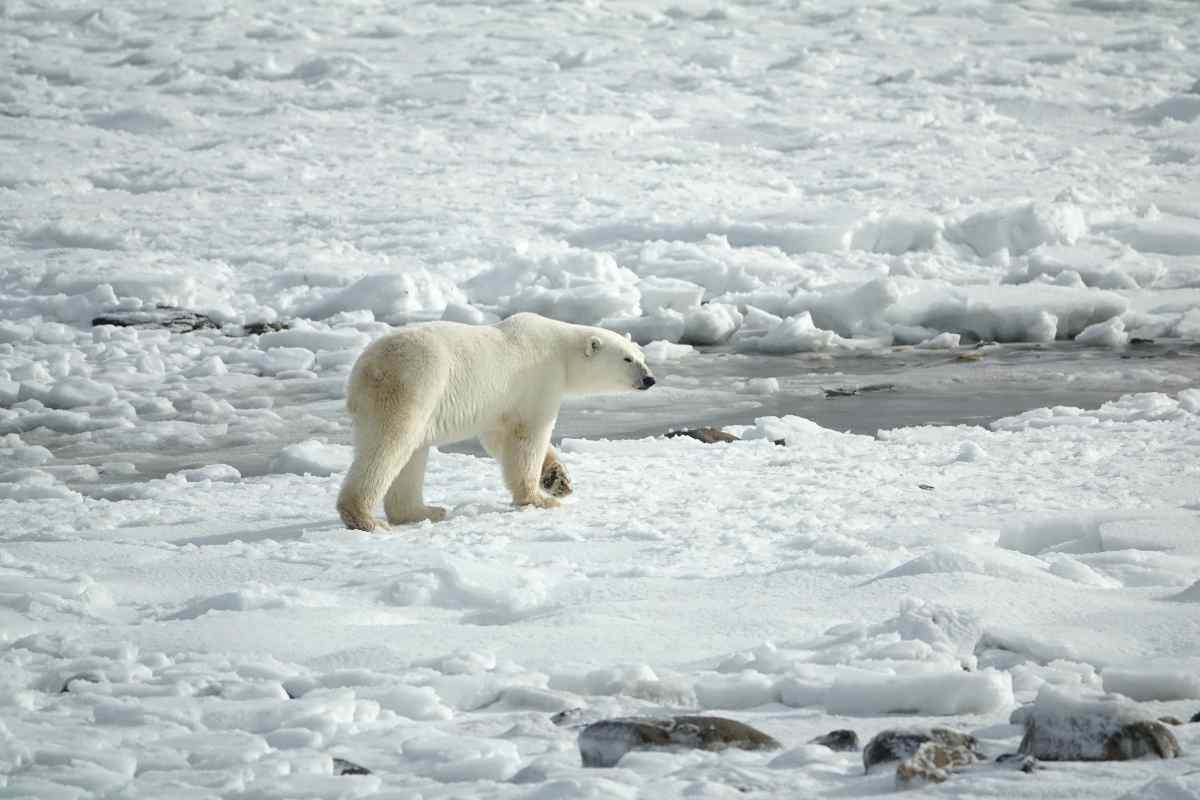
Another challenge of an Arctic Expedition is the potential for wildlife encounters. The Arctic is home to a variety of large predators, including polar bears, wolves, and arctic foxes.
Knowing how to safely observe and avoid these animals is critical. You should also be prepared to defend yourself if necessary, with non-lethal deterrents such as flares or noise-makers.
Planning Your Arctic Expedition
Proper planning is the foundation of any successful Arctic Expedition. This includes selecting the right team, mapping out your route, and preparing for emergencies.
Choosing the Right Team
An Arctic Expedition is not something you should undertake alone. The success of your journey largely depends on the experience and skills of your team members.
Choose people who have experience in cold-weather environments, as well as expertise in areas like navigation, first aid, and wildlife safety.
It's also important to ensure that your team members can work well together under stress, as the Arctic environment can test even the strongest of bonds.
Mapping Out Your Route
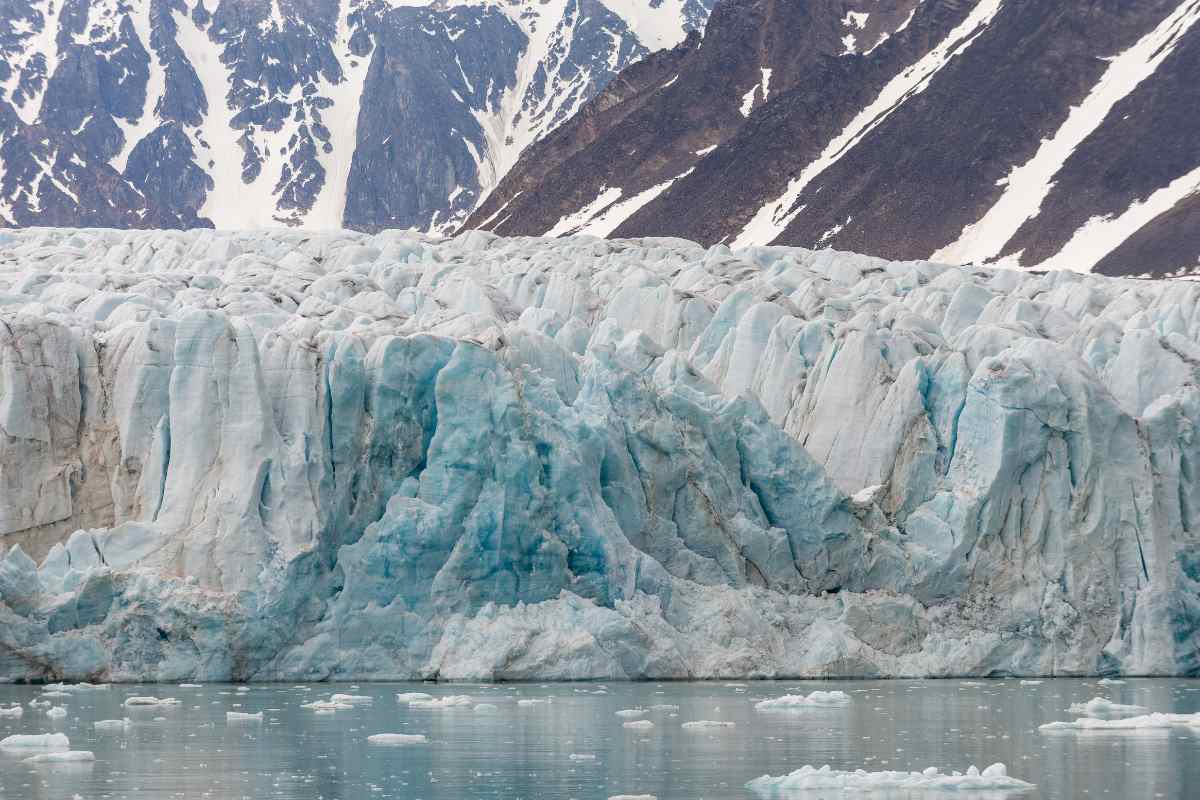
The Arctic is vast and largely uninhabited, so careful route planning is essential.
Use up-to-date maps and GPS technology to plan your route, and always have a backup plan in case you encounter unexpected obstacles.
Consider the time of year you'll be traveling, as certain routes may be more accessible during specific seasons.
Additionally, take into account the presence of ice floes and other natural barriers that could impede your progress.
Preparing for Emergencies
No matter how well you plan, there's always the possibility that something could go wrong during your Arctic Expedition.
That's why it's crucial to prepare for emergencies. This includes having a well-stocked first aid kit, satellite communication devices, and an emergency evacuation plan.
Make sure everyone on your team knows what to do in case of an emergency, whether it's a medical issue, an equipment failure, or a wildlife encounter.
Gear and Equipment for an Arctic Expedition
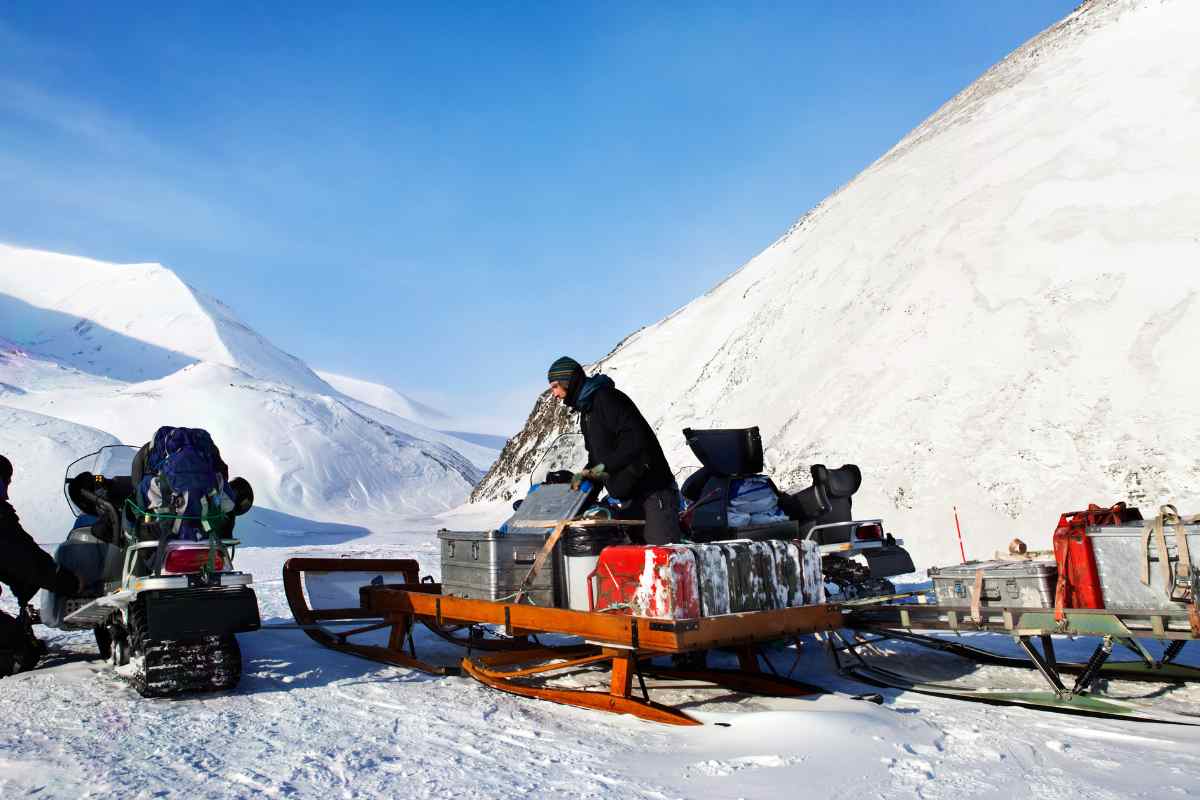
Having the right gear is essential for survival in the Arctic. This includes clothing, shelter, and equipment for navigation and communication.
Clothing and Footwear
In the Arctic, staying warm and dry is a matter of life and death. Your clothing should be designed for extreme cold, with layers that can be added or removed as needed.
Start with a moisture-wicking base layer, followed by an insulating layer made of materials like down or fleece, and finish with a waterproof and windproof outer layer.
Your footwear should be insulated and waterproof, with sturdy soles that can handle ice and snow. Don’t forget accessories like gloves, hats, and face masks to protect your extremities from frostbite.
Shelter and Sleeping Gear
A good shelter is essential for surviving in the Arctic. This could be a four-season tent designed for extreme weather or a snow shelter like an igloo or snow cave if you need to make an emergency camp.
Your sleeping bag should be rated for temperatures well below freezing, and you should also bring an insulated sleeping pad to prevent heat loss to the ground.
Bivouac sacks and emergency blankets are also useful for added warmth and protection.
Navigation and Communication Tools
Given the harsh and often disorienting conditions of the Arctic, navigation and communication tools are vital.
A GPS device with pre-loaded maps of the area is essential, but you should also bring a traditional compass and map as a backup.
Satellite phones or other satellite communication devices are necessary for staying in contact with the outside world, especially in an emergency.
Radios for communicating within your team can also be invaluable.
Physical and Mental Preparation
Preparing for an Arctic Expedition goes beyond having the right gear and a solid plan.
You also need to be physically and mentally ready for the challenges ahead.
Physical Conditioning
The physical demands of an Arctic Expedition are significant. You'll be carrying heavy gear, often through deep snow or across ice, all while dealing with extreme cold.
Physical conditioning is crucial, and you should focus on building strength, endurance, and flexibility.
Cardiovascular exercises like running or cross-country skiing can help build the stamina you'll need, while weight training will prepare you for carrying a heavy pack.
Mental Resilience
Equally important is your mental resilience. The Arctic is an isolating and challenging environment, and it's easy to become discouraged when faced with constant cold, fatigue, and potential danger.
Developing mental toughness is key. This can involve visualization techniques, where you imagine yourself overcoming challenges, as well as practicing stress management strategies like meditation or controlled breathing.
Final Preparations Before Departure
As your departure date approaches, there are a few final steps to take to ensure you're fully prepared for your Arctic Expedition.
Double-Check Your Gear
A last-minute gear check is essential. Go through your packing list and ensure that everything is in good working order.
Test your communication devices, check your first aid kit, and make sure all your clothing and equipment are in top condition.
It's also a good idea to pack extra supplies of essentials like food, water, and fuel.

Inform Others of Your Plans
Before you leave, make sure that someone knows your exact route and expected return date. Provide them with your emergency contact information and a copy of your itinerary.
This way, if something goes wrong, help can be sent as quickly as possible.
Mental and Physical Relaxation
In the days leading up to your departure, take some time to relax and mentally prepare for the journey ahead.
Ensure you're well-rested and in a positive mindset. This will help you start your Arctic Expedition with the energy and focus needed to succeed.
Conclusion
Preparing for an Arctic Expedition requires careful planning, the right gear, and both physical and mental resilience.
By understanding the challenges, planning meticulously, and ensuring you're physically and mentally ready, you'll be well on your way to a successful and unforgettable
Arctic adventure. Whether you're traversing icy tundra, navigating through snow-covered mountains, or simply marveling at the stark beauty of the Arctic landscape, the key to a successful expedition is thorough preparation.
Did you find this post useful or inspiring? Save THIS PIN for later in your Outdoor Board on Pinterest! 😊
Explore these outdoor tips too