
How to Prevent Common Injuries in High-Intensity Adventure Sports
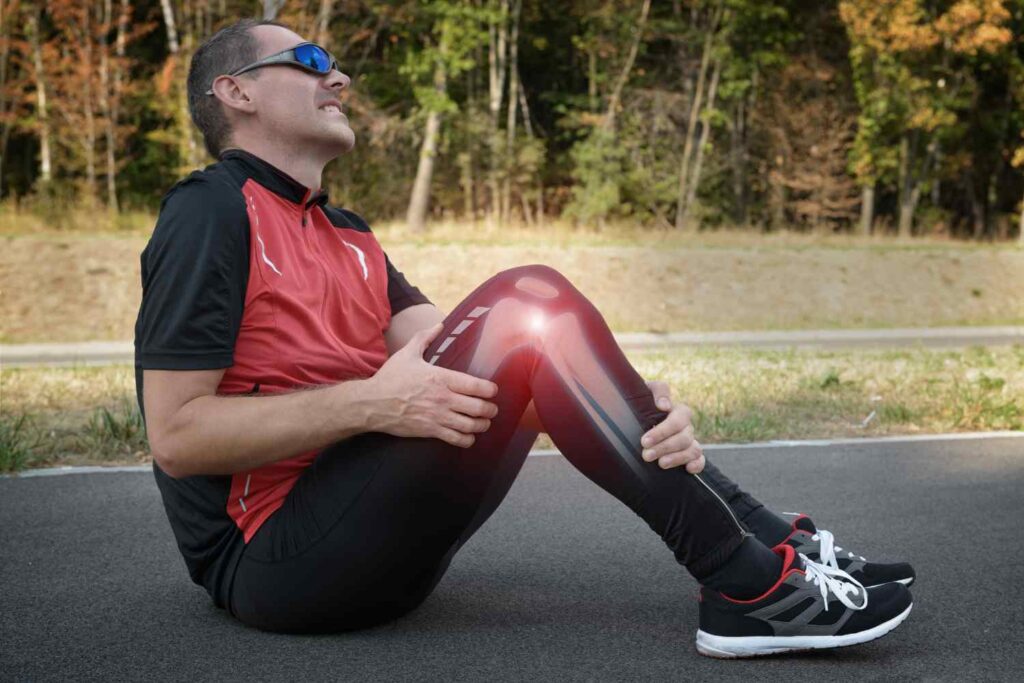
Engaging in adventure sports is an exhilarating way to push your limits, experience the great outdoors, and challenge your body and mind.
Whether it's rock climbing, mountain biking, or skydiving, these high-intensity activities offer a thrill that is hard to match.
However, with the adrenaline rush comes the risk of injury. Understanding how to prevent common injuries in these activities is crucial for staying safe and enjoying your passion for adventure sports to the fullest.
Understanding the Risks of Adventure Sports
Adventure sports are inherently risky due to the physical demands they place on your body and the often unpredictable environments in which they are performed.
Common injuries include sprains, fractures, dislocations, and overuse injuries.
However, the good news is that with the right preparation, training, and precautions, you can significantly reduce your risk of injury.

The Importance of Proper Training and Conditioning
One of the most effective ways to prevent injuries in adventure sports is through proper training and conditioning.
Before attempting any high-intensity activity, ensure that you are physically prepared. This means engaging in a training regimen that builds strength, flexibility, and endurance specific to the sport you are pursuing.
Strength Training
Strength training is essential for stabilizing your joints and improving your overall body mechanics. Focus on exercises that target the muscles you will use most during your chosen adventure sport.
For example, rock climbers should emphasize upper body and grip strength, while runners should focus on leg and core strength.
Flexibility and Mobility
Maintaining flexibility is equally important, as it allows your muscles and joints to move through their full range of motion without strain.
Incorporate stretching exercises and mobility work into your routine to keep your body limber and reduce the risk of pulls and strains.
Cardiovascular Conditioning
High-intensity adventure sports often require sustained physical effort, so cardiovascular conditioning is key.
Activities such as running, cycling, and swimming can help build the endurance you need to perform at your best while reducing fatigue-related injuries.

Understanding and Respecting Your Limits
In adventure sports, pushing your limits is part of the appeal, but it’s essential to understand and respect your boundaries.
Overexertion and fatigue are common causes of injury, as they impair your judgment and physical capabilities.
Know When to Rest
Listening to your body is critical. Rest days are just as important as training days, as they give your body time to recover and repair.
Overtraining can lead to burnout and increase your risk of injuries such as stress fractures and tendonitis.
Gradual Progression
When starting a new adventure sport or working towards a new goal, gradually increase the intensity and duration of your activities.
This allows your body to adapt to the increased demands and reduces the risk of overuse injuries.
Injury Prevention Techniques for Adventure Sports

A proper warm-up is essential before engaging in any high-intensity activity.
Warming up increases blood flow to your muscles, raises your body temperature, and prepares your body for the physical demands ahead.
A typical warm-up should include dynamic stretches and light aerobic activity.
After your session, a cool-down is equally important. It helps gradually reduce your heart rate and stretch your muscles while they are still warm, which can prevent stiffness and soreness.
Proper Gear and Equipment
Using the right gear and equipment is crucial in adventure sports. Whether it’s wearing a helmet while mountain biking or using the correct harness for rock climbing, your gear plays a significant role in keeping you safe.
Quality Gear
Invest in high-quality gear that is appropriate for your activity. Cheap or outdated equipment can fail when you need it most, leading to serious injury. Regularly inspect your gear for wear and tear, and replace it as needed.
Proper Fit
Ensure that your equipment fits properly. Ill-fitting gear can be uncomfortable and unsafe.
For example, a poorly fitting helmet may not protect you adequately in a fall, while too-tight shoes can lead to blisters and foot injuries.
Technique and Form
Maintaining proper technique and form is one of the best ways to prevent injuries in adventure sports. Poor form can place unnecessary strain on your body, increasing the risk of injuries such as strains, sprains, and joint damage.
Learn from Experts
If you are new to an adventure sport or are trying to improve your skills, consider taking lessons from a qualified instructor.
They can teach you the correct techniques and help you avoid common mistakes that lead to injury.
Practice Mindfulness
Pay attention to your movements and body positioning during your activity.
Mindfulness can help you maintain good form and reduce the likelihood of making careless mistakes that could result in injury.

Recovery and Rehabilitation
Even with the best precautions, injuries can still happen. Knowing how to properly recover and rehabilitate is essential for getting back to your sport safely.
Immediate Action
If you suffer an injury, it’s important to take immediate action to minimize the damage.
The RICE method (Rest, Ice, Compression, Elevation) is a standard approach for managing acute injuries such as sprains and strains.
Professional Treatment
For more serious injuries, seek professional treatment. A physiotherapist or sports medicine specialist can provide a tailored rehabilitation program that will help you recover fully and prevent future injuries.
Gradual Return to Activity
Once you’ve recovered from an injury, don’t rush back into your sport.
Gradually reintroduce activity, starting with low-intensity exercises and slowly increasing the intensity as your body allows.
Mental Preparation and Risk Management in Adventure Sports

In addition to physical preparation, mental preparation, and risk management are key components in preventing injuries in adventure sports.
Your mindset and ability to assess risks can greatly influence your safety.
Building Mental Resilience
Adventure sports often require mental toughness and the ability to stay calm under pressure.
Techniques such as visualization, meditation, and breathing exercises can help you build mental resilience, improving your ability to handle challenging situations.
Risk Assessment
Before engaging in any adventure sport, conduct a thorough risk assessment.
This includes understanding the environment, weather conditions, and your physical and mental state.
Recognize when conditions are too dangerous to proceed, and never take unnecessary risks.
Partner Safety
If your sport involves a partner, such as in climbing or kayaking, ensure that both of you are on the same page regarding safety procedures and communication.
Partner safety is a critical aspect of preventing injuries in many adventure sports.
Conclusion: Enjoying Adventure Sports Safely
Adventure sports offer incredible experiences and the opportunity to push your limits, but they also come with inherent risks.
By following these guidelines—engaging in proper training and conditioning, using the right gear, maintaining good technique, and being mentally prepared—you can significantly reduce the risk of injury and continue to enjoy the thrill of adventure sports for years to come.
Always remember that safety should be your top priority, allowing you to embrace the adventure while minimizing the risks.
Did you find this post useful or inspiring? Save THIS PIN for later in your Outdoor Board on Pinterest! 😊
Explore these outdoor tips too