
How to Train for an Adventure Race

Adventure races are thrilling, multi-disciplinary endurance events that challenge participants physically and mentally.
Whether you're a seasoned athlete or a newcomer to the world of adventure racing, preparing for an Adventure Race requires a well-rounded training plan that incorporates various fitness elements, navigation skills, and mental toughness.
In this article, we’ll guide you through the essential steps to ensure you're fully prepared for the challenges of your next Adventure Race.
Understanding the Demands of an Adventure Race
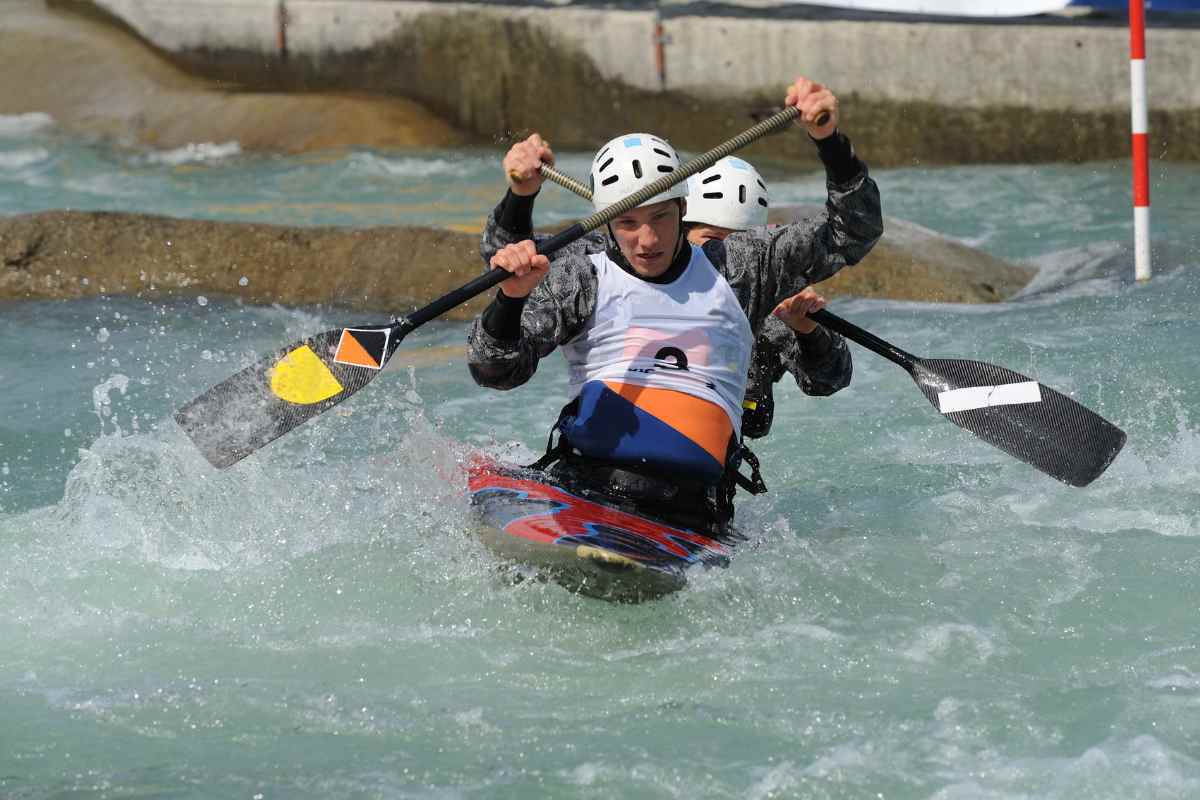
Before diving into a training routine, it’s crucial to understand what an Adventure Race entails. These races often combine activities like running, mountain biking, kayaking, and orienteering, testing participants across different terrains and weather conditions.
The distances can range from a few kilometers to several hundred, depending on the race, with time limits varying from hours to days.

Building Endurance for an Adventure Race
Endurance is the foundation of any successful Adventure Race. To develop the stamina needed to tackle long distances, it’s important to include a mix of aerobic and anaerobic exercises in your training.
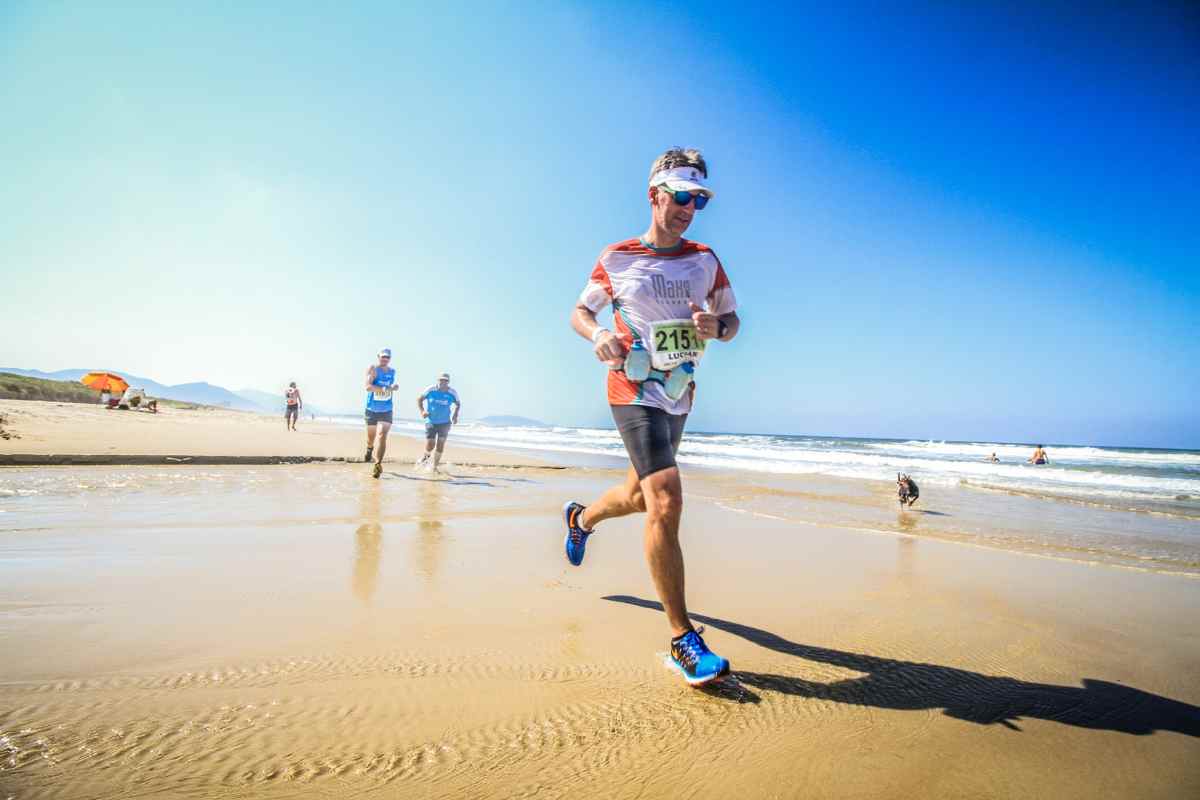
Running is a key component, as it helps build cardiovascular fitness and leg strength. Start with shorter runs, gradually increasing your distance and intensity.
Incorporate hill sprints and interval training to enhance your anaerobic capacity, which is crucial for the more intense parts of the race.
Cross-training with cycling and swimming can further boost your endurance while reducing the risk of injury.
Mountain biking is particularly beneficial, as it mimics the biking segments of an Adventure Race and helps improve balance and technical skills. Swimming, on the other hand, enhances overall cardiovascular health and builds upper body strength.
Strength Training for an Adventure Race
Strength training is another critical aspect of preparing for an Adventure Race. Focus on exercises that build functional strength, targeting the muscle groups you’ll use during the race.
Incorporate compound movements like squats, deadlifts, and lunges into your routine to strengthen your legs, core, and back. These muscles are heavily engaged during activities like running, cycling, and kayaking.
Upper body strength is equally important, especially for handling the paddling sections and carrying equipment.
Include exercises like pull-ups, push-ups, and rows to develop your arms, shoulders, and chest. Don’t forget to work on your grip strength, as it plays a vital role in climbing and handling ropes or obstacles often encountered in an Adventure Race.

Navigation Skills and Mental Preparation
Unlike traditional races, an Adventure Race often requires participants to navigate unfamiliar terrain using a map and compass.
To prepare for this, practice orienteering in different environments, such as forests, mountains, and urban settings.
Understanding how to read topographic maps, use a compass, and plot coordinates will give you a significant advantage during the race.
Mental preparation is just as important as physical training. Adventure Races can be mentally taxing, with participants facing exhaustion, unpredictable weather, and complex navigation challenges.
Develop mental resilience by pushing your limits during training sessions. Simulate race conditions by combining long runs or bike rides with navigation tasks, forcing yourself to make decisions while fatigued.
Nutrition and Hydration Strategies
Proper nutrition and hydration are crucial for maintaining energy levels and preventing fatigue during an Adventure Race.
Start by fine-tuning your diet well before the race. Focus on whole foods rich in complex carbohydrates, lean proteins, and healthy fats to fuel your training sessions.
Carbohydrates are especially important for endurance activities, as they provide a steady supply of glucose for your muscles.
During training, practice eating and drinking on the go, as you’ll need to consume calories and stay hydrated throughout the race.
Energy bars, gels, and electrolyte drinks are convenient options, but make sure to test these during training to avoid any gastrointestinal issues on race day.
Hydration is equally important. Drink water regularly during your workouts, and consider using hydration packs or bottles that you plan to carry during the race.
Keep track of your sweat rate by weighing yourself before and after training sessions. This will help you determine how much fluid you need to consume to stay properly hydrated.
Race-Specific Training
As your Adventure Race approaches, it’s essential to incorporate race-specific training into your routine.
This includes brick workouts, where you combine two or more activities back-to-back, such as running followed by biking. These workouts help your body adapt to the transitions between different disciplines and improve your overall race efficiency.
Another key aspect of race-specific training is gear familiarization. Practice using the equipment you’ll rely on during the race, such as your bike, kayak, and navigation tools.
Make sure everything is in good working order and that you’re comfortable with all your gear. Additionally, test your race-day attire to ensure it’s suitable for the expected weather conditions and won’t cause chafing or discomfort.
Recovery and Injury Prevention
Recovery is an often overlooked aspect of training but is critical for preventing injuries and maintaining long-term performance.
Incorporate rest days into your training schedule to allow your muscles to repair and grow stronger. During these rest days, consider activities like yoga or light stretching to promote flexibility and relaxation.
Injury prevention should also be a top priority. Pay attention to any signs of overuse injuries, such as persistent soreness or pain.
If you experience any discomfort, address it immediately with proper rest, ice, and, if necessary, consultation with a healthcare professional.
Regular massage therapy and foam rolling can also help alleviate muscle tightness and improve circulation.

Mental Toughness and Race Day Strategy
The mental aspect of an Adventure Race cannot be underestimated. Mental toughness will carry you through the toughest parts of the race, from grueling climbs to challenging navigation sections.
Develop a positive mindset by visualizing success and breaking the race down into manageable segments. Focus on one checkpoint at a time, and remind yourself of your training and preparation.
On race day, have a strategy in place. Review the course map and elevation profile beforehand, and plan your pace and nutrition accordingly.
Stay flexible, as conditions can change rapidly during an Adventure Race. If you encounter a difficult section, stay calm, and rely on your training to guide you through.
Post-Race Recovery and Reflection
After completing an Adventure Race, give your body ample time to recover. Engage in light activity, such as walking or swimming, to promote circulation and reduce muscle stiffness.
Proper nutrition is also crucial for recovery—focus on consuming protein-rich foods and carbohydrates to replenish your energy stores.
Finally, take time to reflect on your race experience. What went well? What challenges did you face? Use these reflections to improve your training and strategy for future races.
Adventure racing is a continuous learning process, and each race provides valuable insights for your next challenge.
Conclusion
Training for an Adventure Race is tough but very rewarding. Focus on endurance, strength, navigation skills, and mental toughness, and you'll be ready for the challenges of your next race.
Remember, the key to success is consistency in training, proper nutrition, and a resilient mindset.
With the right preparation, you’ll not only complete your Adventure Race but also enjoy the thrill of pushing your limits and conquering the great outdoors.
Did you find this post useful or inspiring? Save THIS PIN for later in your Outdoor Board on Pinterest! 😊


Explore these outdoor tips too