
Is Scuba Diving the Best Way to Experience the Ocean?
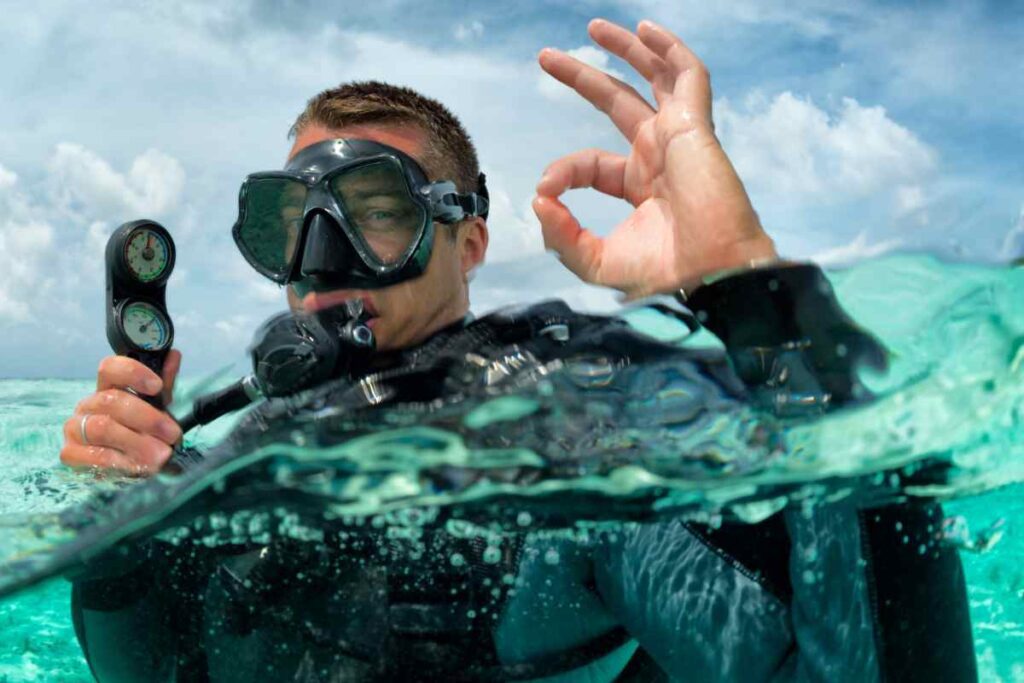
Scuba diving has long been celebrated as one of the most immersive and exhilarating ways to explore the depths of the ocean.
Enthusiasts of this aquatic adventure often rave about the unique perspective it provides, the vibrant marine life encountered, and the unparalleled sense of freedom felt while submerged in the vast blue.
But is scuba diving really the best way to experience the ocean? Let's take a closer look at what makes scuba diving so special and how it compares with other popular ocean activities.
The Allure of Scuba Diving

Scuba diving allows individuals to explore underwater ecosystems in a way that no other activity can match.
From the Great Barrier Reef to the cenotes of Mexico, divers can witness stunning coral formations, encounter exotic marine species and experience the sheer wonder of underwater landscapes.
Advantages of Scuba Diving
- Close Encounters with Marine Life: One of the most significant advantages of scuba diving is the opportunity to get up close and personal with marine life. Divers can swim alongside schools of fish, observe sea turtles in their natural habitat, and even spot elusive creatures like manta rays and sharks.
- Freedom of Movement: Unlike snorkeling, which keeps you at the surface, scuba diving allows you to move freely in three dimensions. This means you can explore underwater caves, swim through coral reefs, and descend to greater depths to see creatures and features that are otherwise inaccessible.
- Unique Experiences: Every dive is a new adventure. Whether it's discovering a sunken shipwreck, witnessing a vibrant coral reef, or exploring a deep-sea trench, scuba diving offers endless opportunities for discovery.
Is Scuba Diving Accessible to Everyone?
While scuba diving offers numerous benefits, it also has some limitations. The activity requires specific training and certification to ensure safety, which can be a barrier for some.
Additionally, certain health conditions may prevent individuals from being able to dive.
Comparing Scuba Diving with Other Ocean Activities
Snorkeling

Snorkeling is often considered an entry-level activity for those interested in exploring the ocean.
It requires minimal equipment—a mask, snorkel, and fins—and can be done with little to no training.
Snorkeling allows individuals to observe marine life and coral reefs from the surface, making it more accessible to a wider audience.
Advantages of Snorkeling
- Ease of Access: Unlike scuba diving, snorkeling does not require certification. This makes it a great option for beginners or those looking for a more casual experience.
- Affordability: Snorkeling gear is generally less expensive than diving equipment, and many popular snorkeling spots can be accessed directly from the shore.
- Flexibility: Snorkelers can quickly move between different locations without the need for specialized equipment or support.
Limitations of Snorkeling
- Limited Depth: Snorkeling restricts individuals to the water's surface, limiting the ability to explore deeper underwater environments.
- Shorter Encounters: Snorkelers may have shorter interactions with marine life compared to divers, who can stay submerged for extended periods.
Freediving
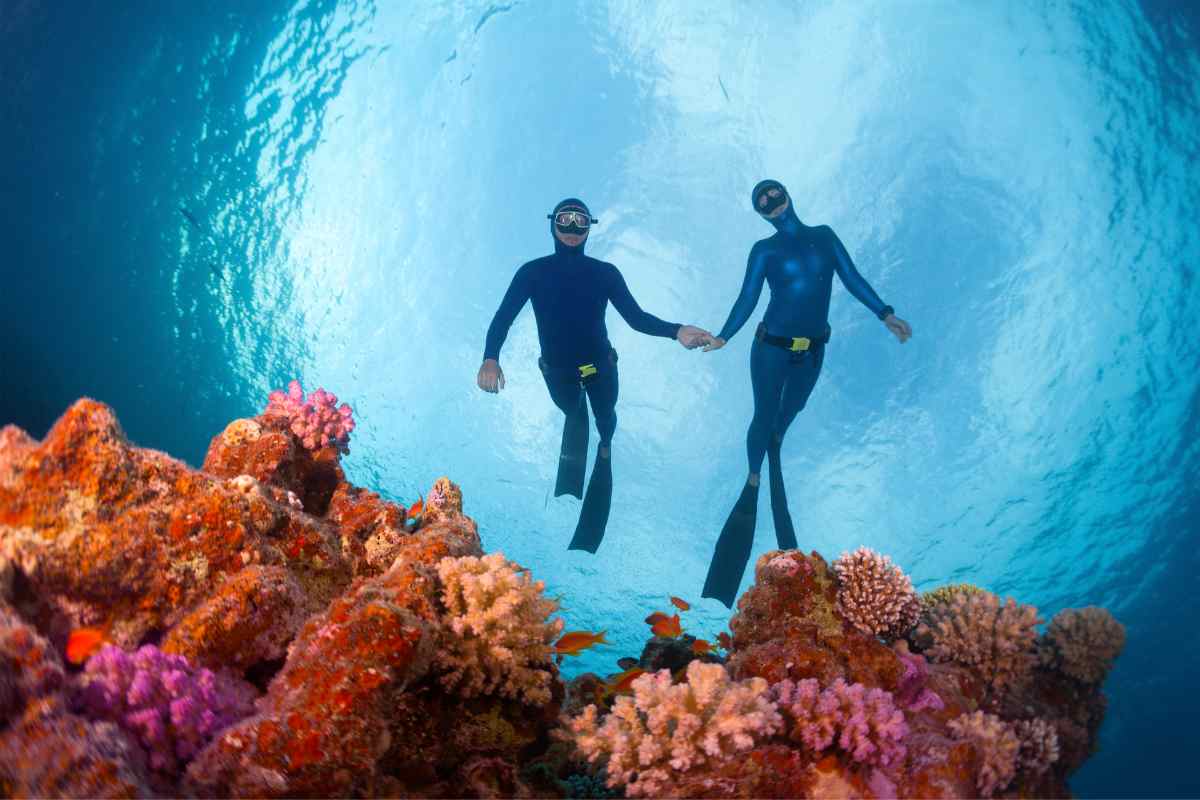
Freediving is another popular method of exploring the ocean that relies on breath-holding rather than the use of scuba tanks.
This activity allows divers to reach significant depths and experience a sense of tranquility as they glide silently through the water.
Advantages of Freediving
- Minimal Equipment: Freediving requires less gear than scuba diving, making it a more streamlined and less cumbersome experience.
- Connection with the Ocean: Many freedivers appreciate the natural, unencumbered feeling of moving through the water without the aid of tanks and regulators.
- Physical Challenge: Freediving can be an excellent way to build physical fitness and mental discipline, as it requires breath control and stamina.
Limitations of Freediving
- Short Dive Times: The need to hold one's breath limits the amount of time spent underwater, making it difficult to explore as thoroughly as scuba diving.
- Skill Requirement: Freediving requires significant training and practice to master the techniques needed for safe and effective dives.
Unique Aspects of Scuba Diving

Underwater Photography and Videography
Scuba diving provides a fantastic platform for underwater photography and videography.
With the ability to stay submerged for extended periods, divers can capture stunning images and videos of marine life and underwater landscapes.
This aspect of scuba diving has become increasingly popular, with many divers investing in specialized equipment to document their adventures.
Educational Opportunities
Many divers become passionate advocates for ocean conservation. Scuba diving fosters a deep appreciation for the marine environment, leading individuals to engage in conservation efforts and educate others about the importance of protecting our oceans.
Organizations and dive centers often offer programs focused on marine biology, underwater archaeology, and environmental stewardship.
Therapeutic Benefits
There is a growing body of evidence suggesting that scuba diving can have therapeutic benefits.
The activity promotes mindfulness, as divers must focus on their breathing and surroundings.
Additionally, the weightlessness experienced underwater can be beneficial for individuals with physical disabilities or conditions that affect mobility on land.

Conclusion on Scuba Diving
Scuba diving undoubtedly offers a unique and unparalleled way to experience the ocean. The ability to explore underwater environments, encounter diverse marine life and enjoy the freedom of movement makes it a standout activity.
However, it is essential to recognize that scuba diving is not the only way to appreciate the ocean's beauty.
Snorkeling and freediving each provide their own unique experiences and advantages, catering to different preferences and skill levels.
Ultimately, the best way to experience the ocean depends on individual interests, physical capabilities, and the type of adventure one seeks.
Whether it's the immersive depths of scuba diving, the surface exploration of snorkeling, or the breath-hold challenge of freediving, the ocean offers something spectacular for everyone.
What matters most is the connection and respect we develop for the marine world, fostering a commitment to preserving and protecting it for future generations.
Did you find this post useful or inspiring? Save THIS PIN for later in your Outdoor Board on Pinterest! 😊

Explore these outdoor tips too