
The Best Techniques for Deep Water Soloing (Climbing)
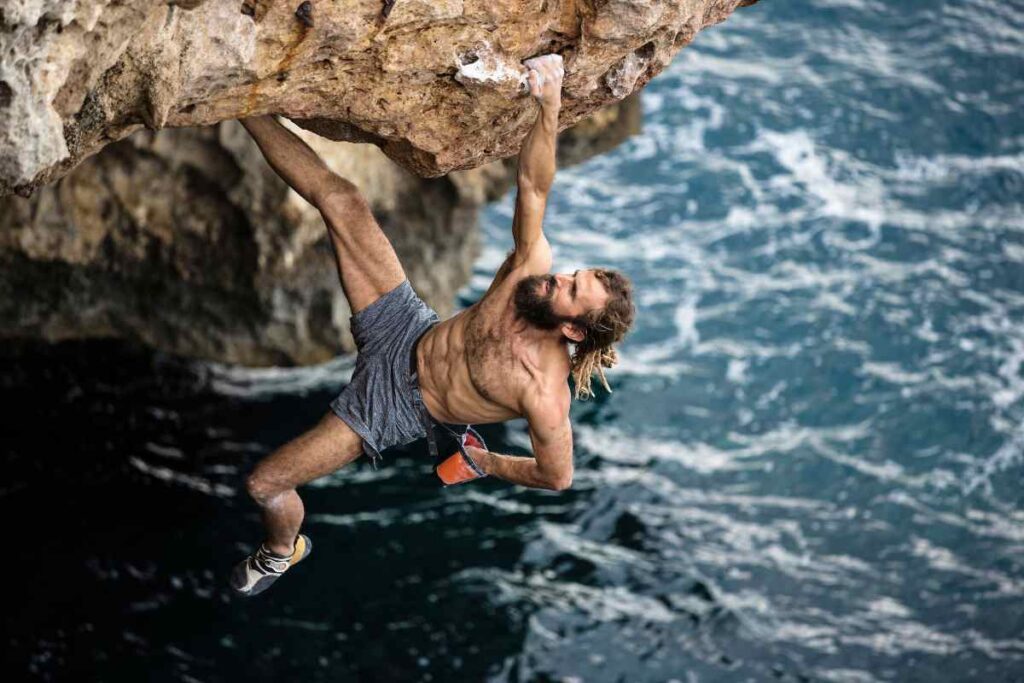
Deep Water Soloing is an exhilarating form of rock climbing that is done without ropes, where the climber's only safety is the deep water below.
This climbing style requires a unique set of techniques due to the challenges posed by the water and the need for precise movements.
In this article, we'll explore the best techniques for Deep Water Soloing to help you make the most of this thrilling adventure.
Understanding Deep Water Soloing
Deep Water Soloing, also known as DWS or psicobloc, is distinct from traditional rock climbing.
Unlike climbing with ropes and harnesses, DWS relies on the depth of the water below the climb to protect the climber in case of a fall.
Because of this, it's essential to understand the nuances and techniques specific to this type of climbing.

Assessing Water Depth and Safety
Before you even begin climbing, it's crucial to assess the water depth at the base of the climb. The water should be deep enough to safely cushion a fall, typically a minimum of 10 to 15 feet.
Check for hidden rocks or submerged obstacles that could pose a hazard. This assessment ensures that you have a safe landing zone in case of a fall.
Choosing the Right Climbing Route
When selecting a route for Deep Water Soloing, consider the height of the climb and the difficulty level.
Beginners should start with shorter, less challenging routes to build confidence and get accustomed to the unique dynamics of DWS.
As you gain experience, you can gradually progress to more challenging routes that require advanced techniques and stronger climbing skills.
The Importance of Route Selection
Choosing the right route is not just about finding a climb that looks interesting; it's also about ensuring your safety.
Routes with overhangs are often preferred in Deep Water Soloing because they tend to have fewer features that can cause injuries during a fall.
Additionally, routes that are easily accessible from the water allow for quick exits and minimize the time spent in cold water.
Mastering the Climbing Techniques for DWS

Developing a Strong Grip and Precise Footwork
Grip strength and precise footwork are critical in Deep Water Soloing. Since there's no rope to catch you, every move needs to be deliberate.
Focus on using your feet effectively to conserve energy and maintain balance. Good foot placement allows for better control and reduces the risk of slipping, which is especially important on wet rock surfaces.
Footwork Techniques
- Smearing: This technique involves using the friction between the shoe and the rock surface. It's particularly useful on slippery or less-featured routes.
- Edging: Placing the edge of your shoe on a small hold to maintain balance and control. It's ideal for routes with small footholds.
Managing Fear and Building Confidence
Fear management is a significant aspect of Deep Water Soloing. The prospect of falling into water can be intimidating, especially from great heights.
To build confidence, start with lower climbs and gradually work your way up to more challenging heights.
Practice falls from various heights to get accustomed to the sensation and build trust in the water's safety.
Techniques to Manage Fear
- Visualize success before starting the climb to create a positive mindset.
- Practice breathing techniques to stay calm and focused during the ascent.
- Familiarize yourself with the water entry by practicing jumps from different heights.
Preparing for a Safe Descent
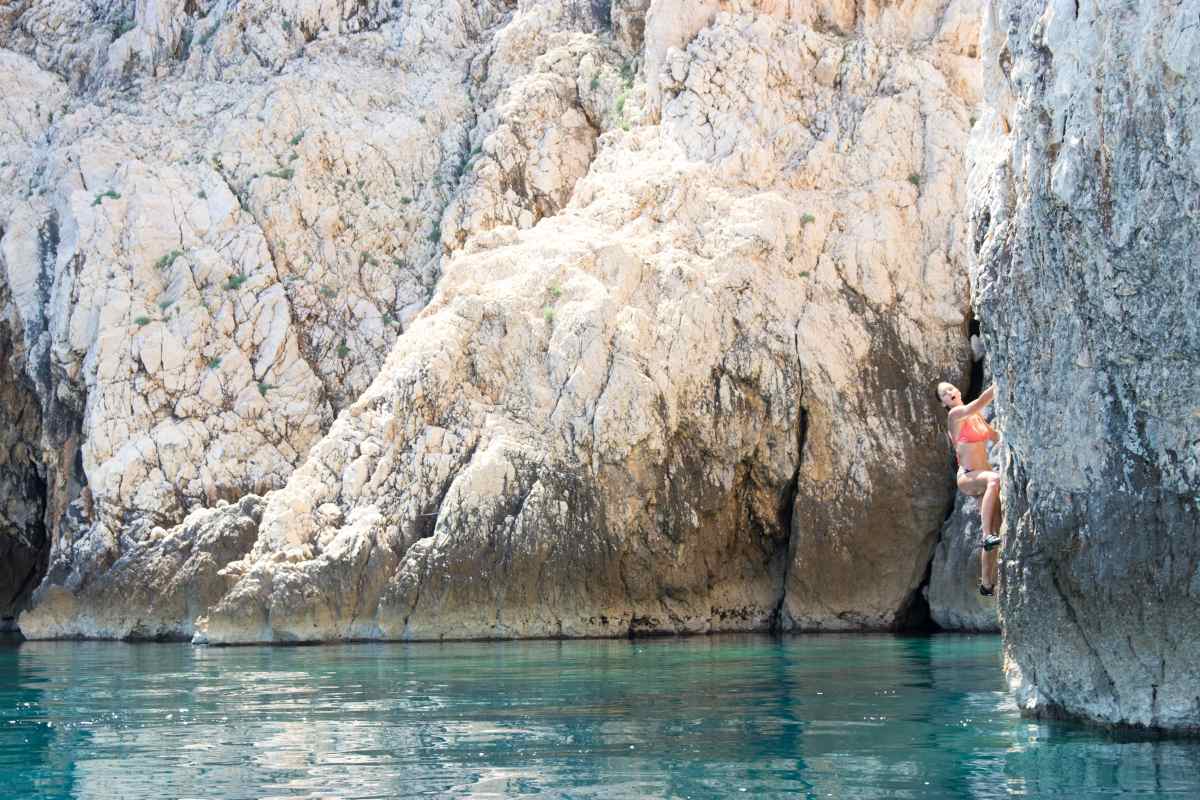
Executing Controlled Falls
When it comes to Deep Water Soloing, falling is part of the experience. Learning how to fall correctly can prevent injuries.
Always try to fall feet first and keep your body relaxed to reduce the impact of the water. Avoid flailing your arms and legs, as this can increase the risk of injury upon water entry.
Falling Techniques
- Pencil Dive: Keep your body straight and enter the water feet first. This reduces the chance of injury and allows for a smooth re-entry.
- Flat Body Position: If a fall is inevitable, try to flatten your body against the rock to slow down your descent before letting go.
Exiting the Water and Recovering
After a fall, it's crucial to know how to exit the water safely and recover efficiently. Swimming in climbing shoes can be challenging, so practice this skill beforehand.
Additionally, stay calm and conserve energy as you make your way back to the rock face or a safe exit point.
Techniques for Exiting the Water
- Look for natural ledges or easier climbing routes to get back on the rock.
- Swim efficiently with your arms while kicking lightly to minimize energy expenditure.
Building Physical and Mental Strength

Training for Endurance and Strength
Physical conditioning plays a vital role in Deep Water Soloing. Focus on building upper body strength, core stability, and endurance to handle the demanding nature of this climbing style.
Incorporate exercises like pull-ups, fingerboard training, and core workouts into your routine to enhance your climbing capabilities.
Mental Conditioning Techniques
- Visualization exercises to prepare for challenging climbs.
- Mindfulness practices to maintain focus and composure under pressure.
Understanding the Impact of Environmental Factors
Environmental factors such as tides, wind, and weather conditions can significantly affect Deep Water Soloing.
Always check weather forecasts and tide schedules before heading out. Wind can create waves that make water landings more dangerous while changing tides can alter water depth.
Techniques for Environmental Awareness
- Monitor tide charts and plan your climb during high tide for deeper water landings.
- Observe wind patterns and consider how they might affect your ascent and fall trajectory.
Conclusion
Deep Water Soloing offers a unique blend of adventure, challenge, and freedom that traditional climbing does not.
By mastering these techniques and understanding the importance of safety and preparation, climbers can fully embrace the thrill of this sport.
Remember, each climb is an opportunity to learn and grow, both physically and mentally. So, get out there, embrace the challenge, and enjoy the exhilarating experience of Deep Water Soloing.
Did you find this post useful or inspiring? Save THIS PIN for later in your Outdoor Board on Pinterest! 😊


Explore these outdoor tips too