
The Impact of Hiking on Mental Health: An Analysis
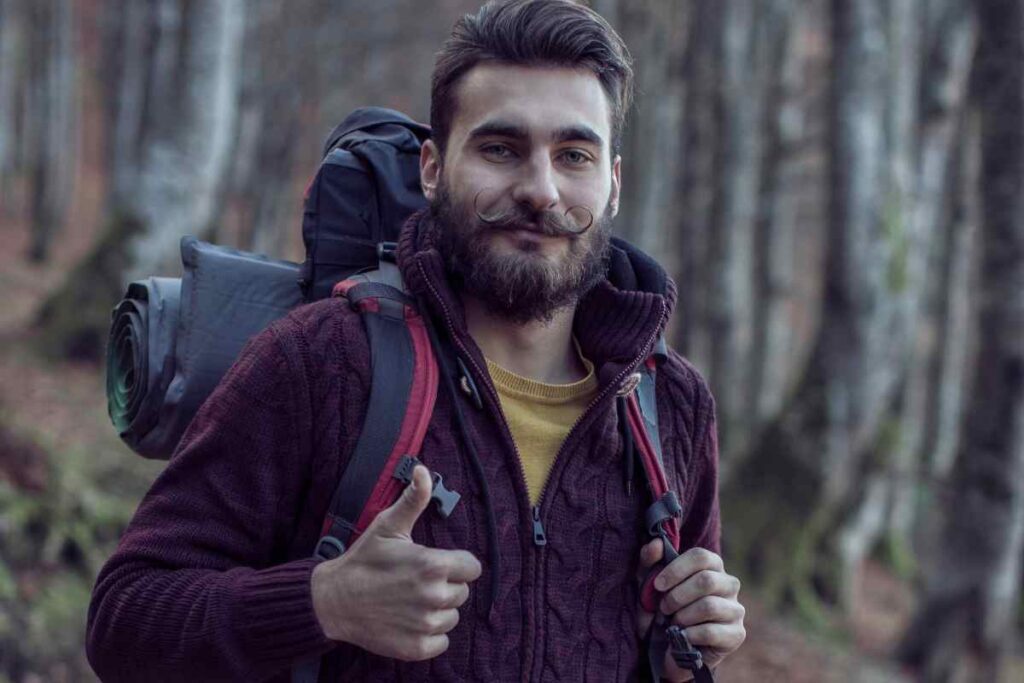
In today's fast-paced world, where stress and anxiety are common, the impact of hiking on mental health has gained significant attention.
Hiking, a popular outdoor activity, not only provides physical exercise but also offers numerous mental health benefits.
This article delves into the various ways hiking positively influences mental well-being, supported by scientific research and expert opinions.
The Connection Between Nature and Mental Health
One of the fundamental reasons hiking is beneficial for mental health is the exposure to nature. Being in natural surroundings reduces stress levels and promotes relaxation.
Studies have shown that spending time in green spaces lowers cortisol levels, a hormone associated with stress.
Psychological Restoration
Nature provides a form of psychological restoration. The theory of Attention Restoration suggests that natural environments have a restorative effect on the brain.
When hiking, individuals experience a break from the constant stimuli of urban life, allowing their minds to recover from mental fatigue.
Physical Exercise and Mental Health

Hiking, as a form of physical exercise, triggers the release of endorphins, often referred to as "feel-good" hormones. Endorphins enhance mood and provide a sense of euphoria.
Regular physical activity, including hiking, has been linked to lower rates of depression and anxiety.
Improved Sleep
Engaging in physical activities like hiking also contributes to better sleep patterns. Improved sleep quality is directly related to better mental health.
People who hike regularly often report deeper and more restful sleep, which in turn reduces stress and improves cognitive function.
Social Interaction and Community

Hiking can be a social activity, providing opportunities to build connections and foster a sense of community. Group hikes allow individuals to bond with others who share similar interests.
Social interaction is crucial for mental well-being, helping to combat feelings of loneliness and isolation.
Support Networks
Joining hiking clubs or groups can create support networks. These networks offer emotional support and encouragement, which are essential for maintaining mental health.
Being part of a supportive community can enhance self-esteem and provide a sense of belonging.
Mindfulness and Meditation
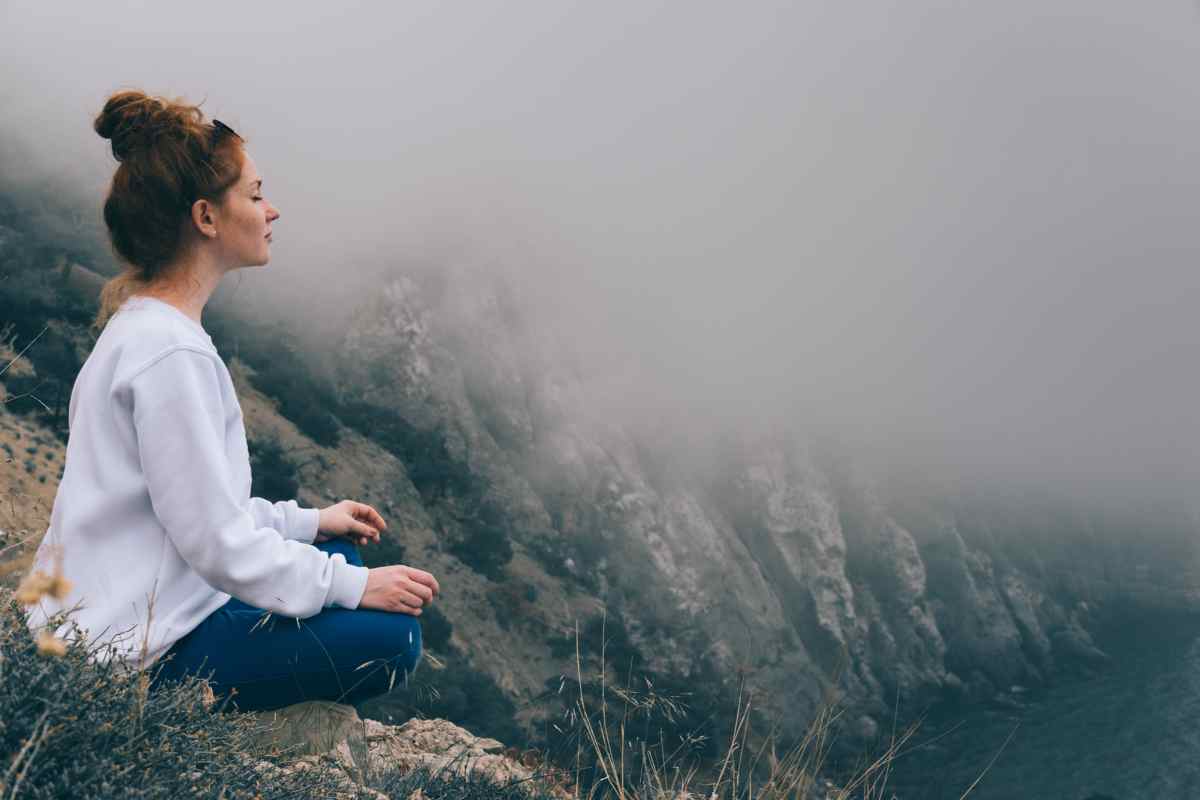
Hiking encourages mindfulness, the practice of being present in the moment.
The rhythmic nature of walking, combined with the serene environment, helps individuals focus on their surroundings and their thoughts. Mindfulness has been proven to reduce symptoms of anxiety and depression.
Natural Meditation
The act of hiking can also serve as a form of meditation. The repetitive motion and natural setting allow hikers to enter a meditative state, reducing stress and promoting inner peace.
This meditative aspect of hiking contributes significantly to overall mental well-being.
Cognitive Benefits

Spending time in nature has been linked to increased creativity. The change of scenery and break from routine stimulate the brain, leading to enhanced problem-solving skills and creativity.
Hiking provides an ideal environment for brainstorming and generating new ideas.
Improved Memory
Research indicates that spending time outdoors can improve memory and cognitive function.
A study by the University of Michigan found that walking in nature improved short-term memory by 20%. Regular hiking helps keep the brain sharp and reduces cognitive decline.
Case Studies and Research
Several studies have highlighted the positive effects of hiking on depression. A study published in the journal Environmental Science & Technology found that walking in nature for just 30 minutes reduced symptoms of depression in participants.
This supports the idea that hiking can be an effective complementary treatment for depression.
Anxiety Reduction
Research has also shown that hiking can significantly reduce anxiety levels. A study conducted by Stanford
University revealed that walking in nature decreased activity in the brain regions associated with rumination, a key factor in anxiety. This demonstrates the potential of hiking as a therapeutic activity for anxiety sufferers.
Practical Tips for Incorporating Hiking into Your Routine
For those new to hiking, it is advisable to start with short, manageable hikes. Gradually increasing the duration and difficulty of hikes can help build endurance and confidence.
Join a Group
Joining a local hiking group or club can provide motivation and support. Group hikes offer social benefits and can make the experience more enjoyable.
Plan and Prepare
Proper planning and preparation are essential for a successful hike. Ensuring you have the right gear, checking weather conditions, and knowing the trail are important steps to take before heading out.
Make It a Habit
Incorporating hiking into your routine can maximize its mental health benefits. Setting aside specific times each week for hiking can help establish it as a healthy habit.
Conclusion
The impact of hiking on mental health is profound and multifaceted. From reducing stress and anxiety to enhancing creativity and cognitive function, hiking offers numerous benefits for mental well-being.
Individuals can significantly improve their mental health by spending time in nature, engaging in physical activity, and fostering social connections.
As research continues to highlight the positive effects of hiking, it is becoming increasingly clear that this simple yet powerful activity is a valuable tool for maintaining and enhancing mental wellness.
In summary, hiking is more than just a physical exercise; it is a holistic activity that nurtures the mind, body, and soul.
Whether you are seeking to reduce stress, combat depression, or improve your overall well-being, incorporating hiking into your lifestyle can lead to significant mental health benefits.
So, lace up your hiking boots, hit the trails, and experience the transformative power of nature.
Did you find this post useful or inspiring? Save THIS PIN for later in your Outdoor Board on Pinterest! 😊

Explore these outdoor tips too