
Best Day Trips from Tokyo: Mount Fuji, Hakone, Nikko and Kamakura
This post contains affiliate links. If you book through them, we may earn a small commission at no extra cost to you.
Tokyo is big enough to fill a whole trip, but some of the best days of a Japan itinerary happen outside the city. Within a couple of hours by train or coach you can stand under Mount Fuji, soak in a hot spring in Hakone, walk through the gilded shrines of Nikko or sit in front of a bronze Buddha that has been watching over Kamakura since the 13th century.
This guide covers the day trips from Tokyo that are worth your time, what each one is like, who it suits and when a guided tour makes more sense than doing it yourself. If you are planning a winter visit, there is good news: the colder months are often the best time of year to actually see Mount Fuji, which spends much of the summer hidden behind clouds.
Before you pick a destination, it helps to see what is on offer. Below you can browse current tours and day trips that leave from Tokyo:
How to choose your day trip
Each of these places works as a day trip, but they feel very different. A quick way to decide:
- Mount Fuji and the Fuji Five Lakes if you want the classic postcard views of the mountain.
- Hakone if you want lakes, volcanic valleys, art museums and a hot spring bath at the end of the day.
- Nikko if you love history, temples and forest walks.
- Kamakura if you want an easy, low-effort trip with temples, a beach town feel and good street food.
If you only have one free day and the forecast is clear, choose Fuji. If the mountain is covered in cloud, Kamakura or Nikko will give you a better day.
1. Mount Fuji and Lake Kawaguchiko
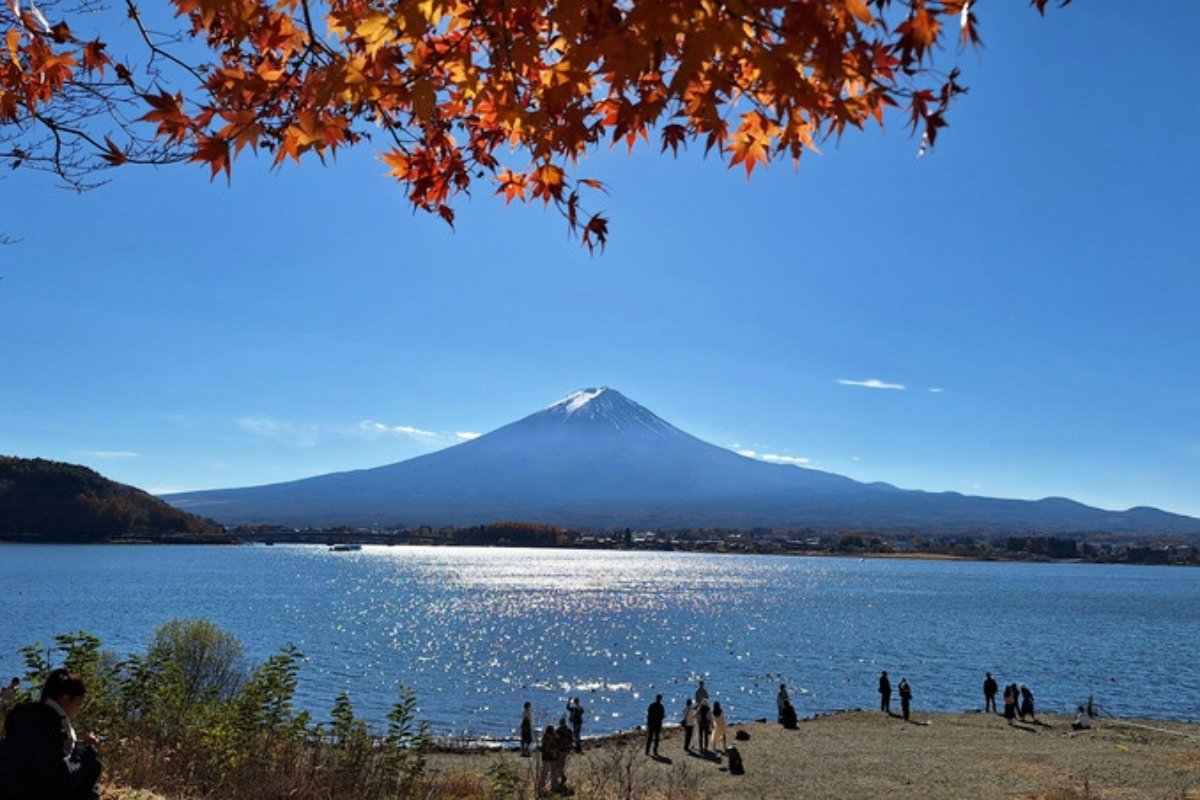
Mount Fuji is Japan's highest mountain at 3,776 meters, and the area around its northern base, known as the Fuji Five Lakes, is where most day trips from Tokyo go. Lake Kawaguchiko is the easiest of the lakes to reach and has the most viewpoints, small museums and places to eat.
What you see
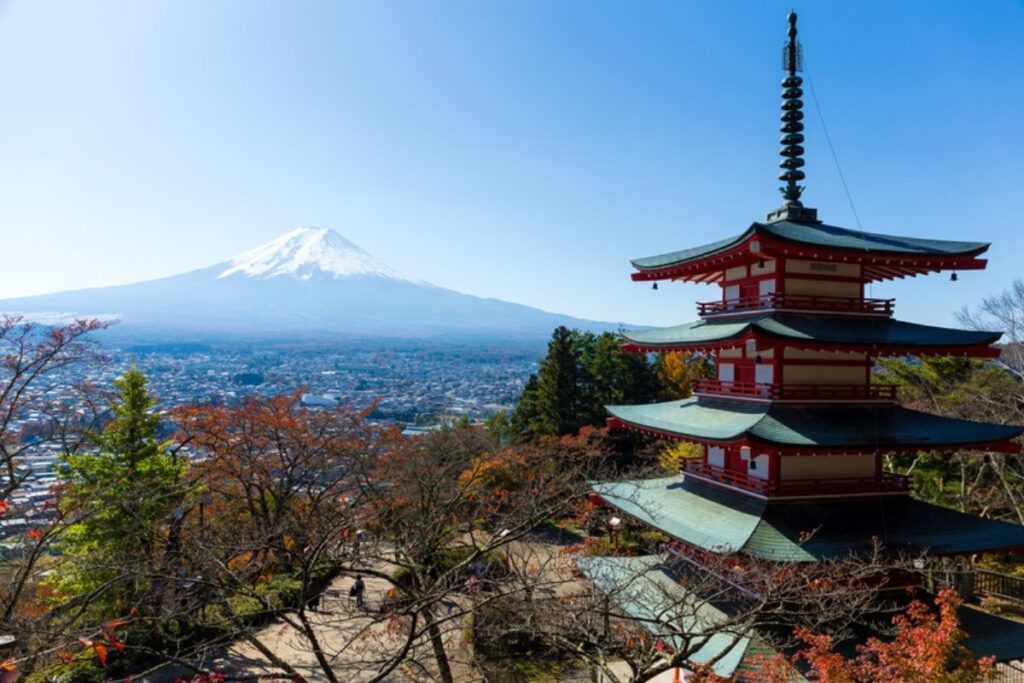
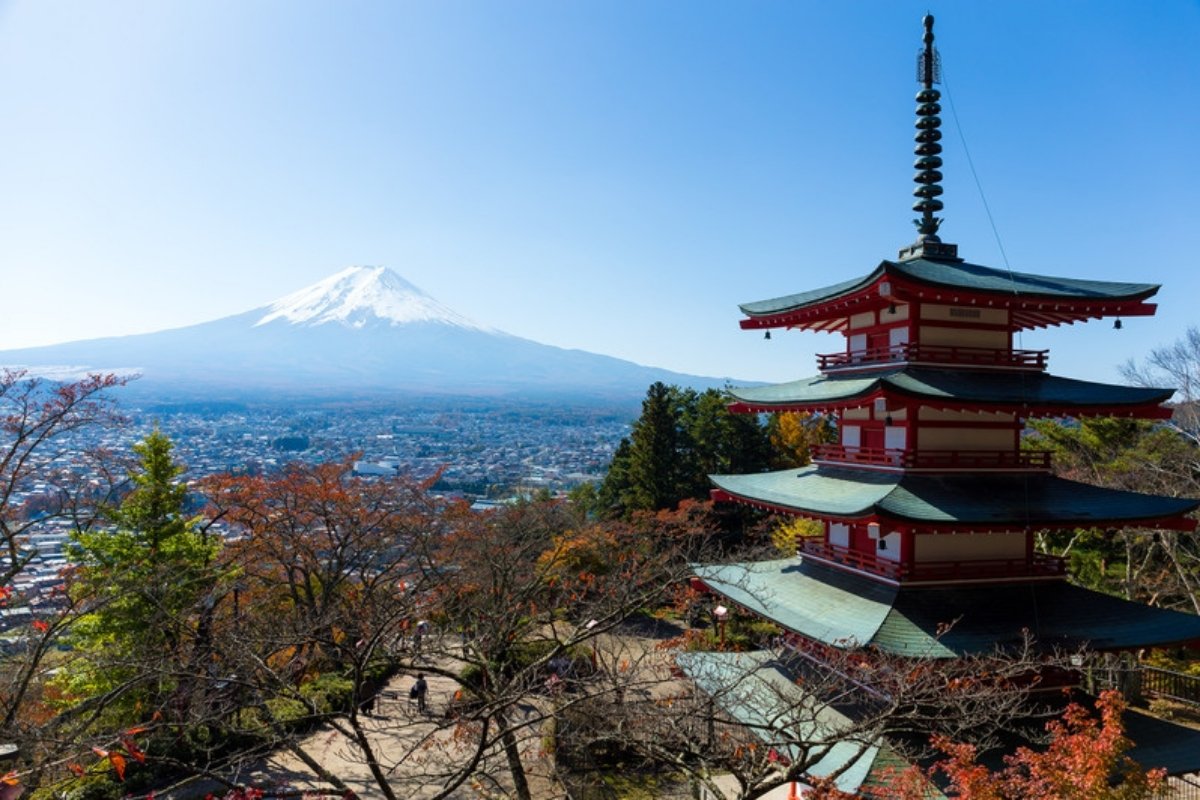
The most photographed spot is the Chureito Pagoda in Fujiyoshida, a red five-story pagoda on a hillside with the mountain behind it. To get there you climb a long stairway through Arakura Sengen Shrine, so wear comfortable shoes. Around Kawaguchiko you can walk along the northern shore, where the lake reflects the mountain on calm mornings, and ride the ropeway up Mount Tenjo for a wider view over the lake.
Who it suits
First-time visitors to Japan, photographers and anyone who has wanted to see Fuji with their own eyes. It is a long day, so it works better for travelers who don't mind a few hours on a coach.
Tour or do it yourself?
You can reach Kawaguchiko by highway bus or by train, but the viewpoints are spread out and local buses can be slow. A guided day tour solves most of that: you get transport between the pagoda, the lake and other stops in a single day, without having to piece together timetables. Many tours also adjust the route depending on visibility. You can compare Mount Fuji day trips from Tokyo here, and check availability and current prices for your dates.
Practical tip: look at the summit webcams or the weather forecast the night before. Fuji is often clearest early in the morning and can disappear by midday, so tours that leave Tokyo early give you the best chance.
2. Hakone
Hakone is a mountain resort area inside Fuji-Hakone-Izu National Park, famous for its hot springs. It is a good choice if you want a slower day with a mix of scenery, culture and a relaxing bath.
What you see
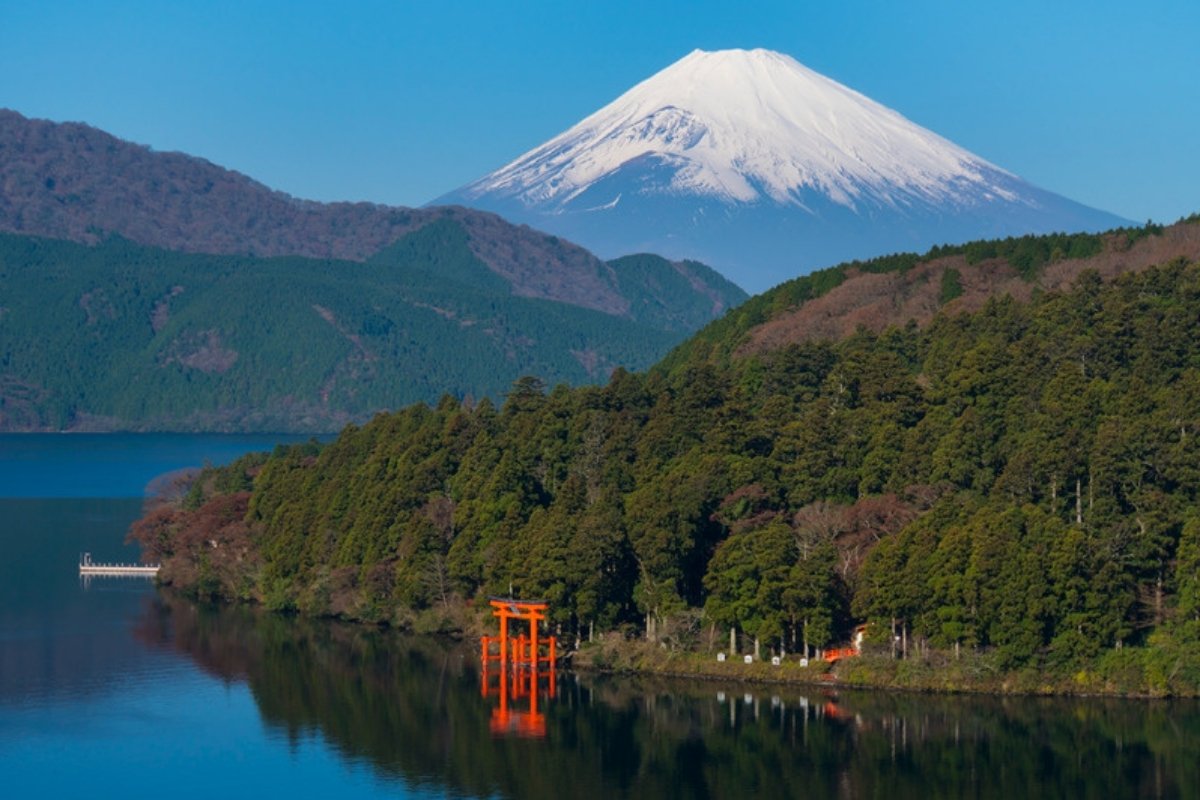
Most visitors follow a loop: a mountain railway and cable car up the hills, the Hakone Ropeway over Owakudani (a volcanic valley where steam still rises from the ground), and a sightseeing cruise across Lake Ashi. On the lakeshore, the red torii gate of Hakone Shrine stands in the water, and on a clear day Fuji rises behind the lake. Art lovers can add the Hakone Open-Air Museum, which has large sculptures set in gardens.
Who it suits
Couples, families and anyone who wants nature without a strenuous hike. It also works well in winter, when a hot spring bath feels even better after a cold day outside.
Tour or do it yourself?
Hakone is one of the easier day trips to do on your own, because the transport loop is well signposted and Odakyu sells the Hakone Freepass, which covers most of the lines on the loop. A guided tour is worth it if you want to combine Hakone and the Fuji area in one day, which is hard to do on public transport. Some ropeway sections can close in bad weather or because of volcanic activity, so check the official operator pages on the day.
3. Nikko
Nikko sits in the mountains of Tochigi Prefecture, north of Tokyo. Its shrines and temples are a UNESCO World Heritage Site, and the setting among old cedar trees makes it one of the most atmospheric places you can reach in a day.
What you see
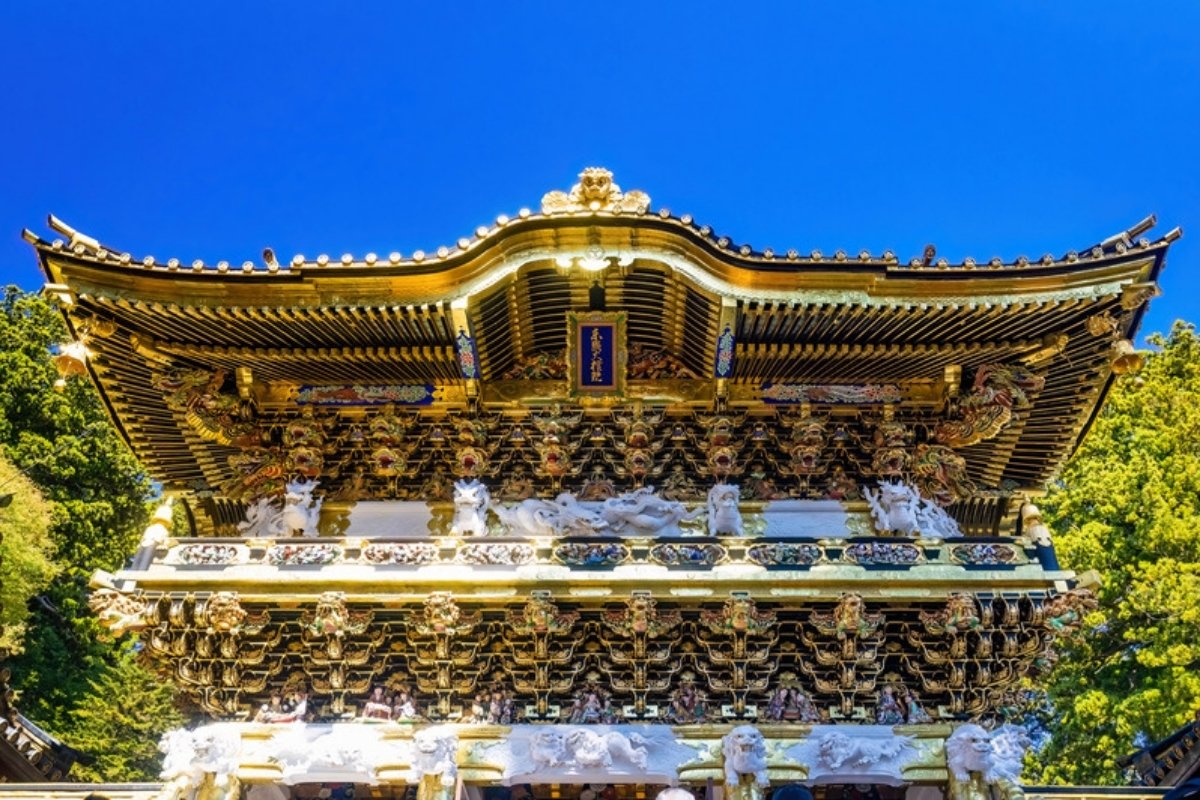
The main sight is Nikko Toshogu, the shrine dedicated to Tokugawa Ieyasu, the founder of the Tokugawa shogunate. It is covered in carvings and gold leaf, and the Yomeimon Gate is one of the most detailed structures in Japan. Look for the famous carving of the three wise monkeys ("see no evil, hear no evil, speak no evil") on the sacred stable. Close by are Rinnoji Temple, Futarasan Shrine and the red Shinkyo Bridge. With more time, you can head up the mountain road to Lake Chuzenji and Kegon Falls.
Who it suits
History lovers and travelers who want something more traditional than the city. In winter the area is cold and can get snow, which makes the shrines very pretty but means you need warm layers and good shoes.
Getting there and tours
Tobu Railway runs limited express trains from Asakusa to Tobu-Nikko Station in about two hours, and JR trains go via Utsunomiya. From the station you need buses to reach the shrines and the lake area. A guided tour from Tokyo covers the transport and adds context to the carvings and history, which makes a big difference at Toshogu. If you want to read more before you go, we have a longer Nikko National Park guide.
4. Kamakura
Kamakura was Japan's political capital in the 12th and 13th centuries, and today it is a relaxed coastal town about an hour south of Tokyo by JR train. It is the easiest trip on this list and works well for a half day or a full day.
What you see
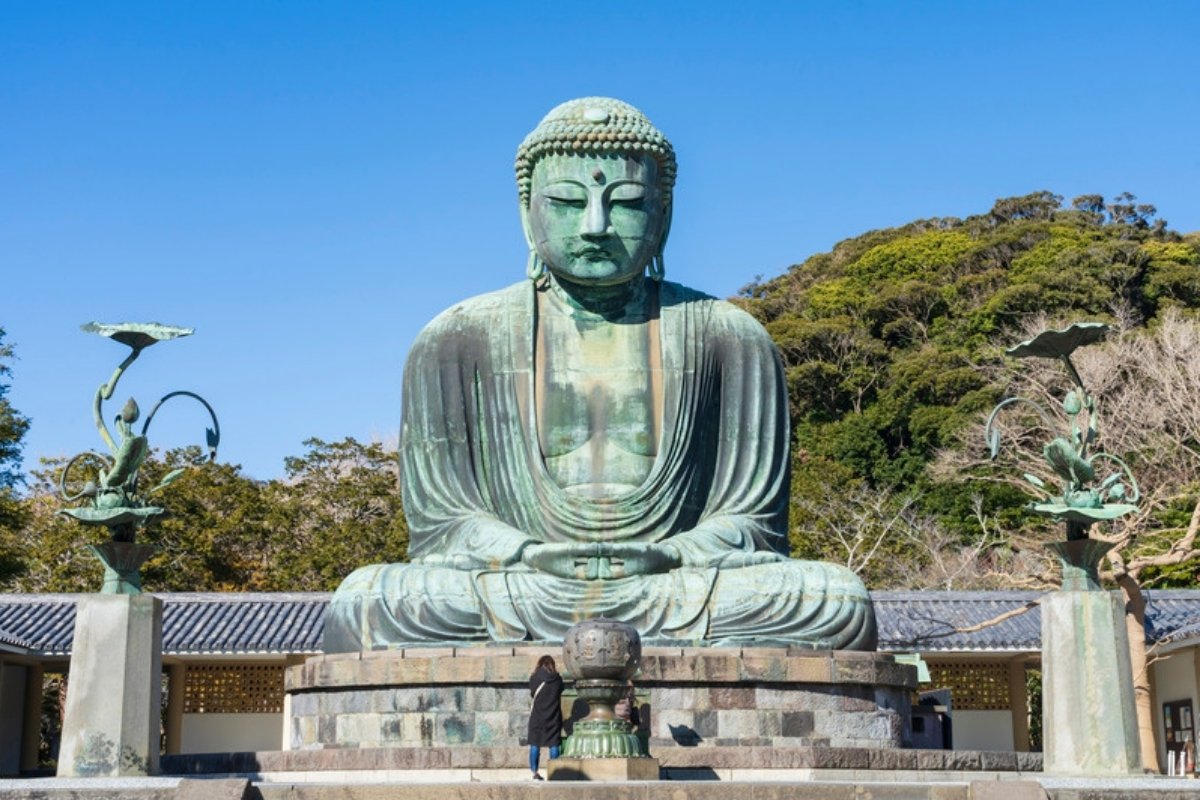
The highlight is the Great Buddha at Kotoku-in Temple, a cast bronze statue over 11 meters tall. Construction started in 1252, and the statue has sat in the open air since the hall that once covered it was destroyed by a tsunami in 1498. For a small extra fee you can go inside the statue. To get there, take the Enoden line from Kamakura Station to Hase Station.
Other stops include Tsurugaoka Hachimangu Shrine, the shopping street of Komachi-dori, Hasedera Temple with its views over the bay, and the bamboo grove at Hokokuji Temple. You can also continue on the Enoden line to the island of Enoshima.
Who it suits
Everyone, including families with kids and travelers who don't want a long day on a coach. It is also a good backup when Fuji is cloudy.
Tour or do it yourself?
Kamakura is simple to visit independently. A walking tour or a combined Kamakura and Yokohama tour is worth it if you want a local guide to explain the temples and pick the best food stops. You can browse Kamakura and other Tokyo day tours and compare what each one includes. Our guide to Kamakura's districts and attractions has more ideas for planning the day.
When to go
Late autumn and winter (roughly November to February) usually bring the clearest skies, which is why so many Fuji photos are taken in those months. The trade-off is cold weather in the mountains, especially in Nikko and around the Fuji lakes, so bring gloves and a warm jacket. Spring brings cherry blossoms to all four places, along with bigger crowds. Summer is hot and humid in Tokyo and Kamakura, and Fuji is often hidden by haze.
Try to avoid weekends and Japanese public holidays if you can. Trains, roads and the most popular viewpoints get much busier, especially in Kamakura and Hakone.
Common mistakes to avoid
- Trying to do too much in one day. Fuji and Hakone together is possible on a tour, but adding Kamakura or Nikko to the same day is not realistic.
- Ignoring the forecast for Fuji. If the mountain is in cloud, swap your plans and go to Nikko or Kamakura instead. Keep your Fuji day flexible.
- Starting late. Visibility, light and crowds are all better in the morning.
- Underestimating the cold. Winter days at the Fuji lakes and in Nikko are much colder than in central Tokyo.
- Assuming the Japan Rail Pass covers everything. Tobu trains to Nikko and many buses around Fuji and Hakone are run by private companies, so check what your pass includes before you set off.
Frequently asked questions
Which day trip from Tokyo is best for a first visit?
If the weather is clear, Mount Fuji and Lake Kawaguchiko. It is the view most people picture when they think of Japan. If you prefer a shorter, easier day, Kamakura is a great first choice.
Can I see Mount Fuji and Hakone in one day?
Yes, but it is easiest on a guided tour that handles the transport. On public transport you will spend a lot of the day changing between trains and buses, so most independent travelers choose one or the other.
Is it worth booking a tour, or should I go on my own?
Kamakura and Hakone are easy to do alone. For Fuji and Nikko, a tour saves time on buses and connections and adds context you would miss otherwise. Before booking, check availability and current prices for tours from Tokyo and read what each one includes, since stops vary.
More travel guides
- Two-Week Itinerary for the Ultimate Japan Adventure
- 10 Best Places to Visit in Japan
- Exploring Kamakura's Iconic Districts and Attractions
- Nikko National Park: The Complete Guide
Whichever trip you choose, plan around the weather, leave early and save a little energy for the evening back in Tokyo.

You may also like 👇🏼👇🏼