
Quebec City Travel Guide: Christmas Market, Winter Carnival and the Best Tours
This post contains affiliate links. If you book through them, we may earn a small commission at no extra cost to you.
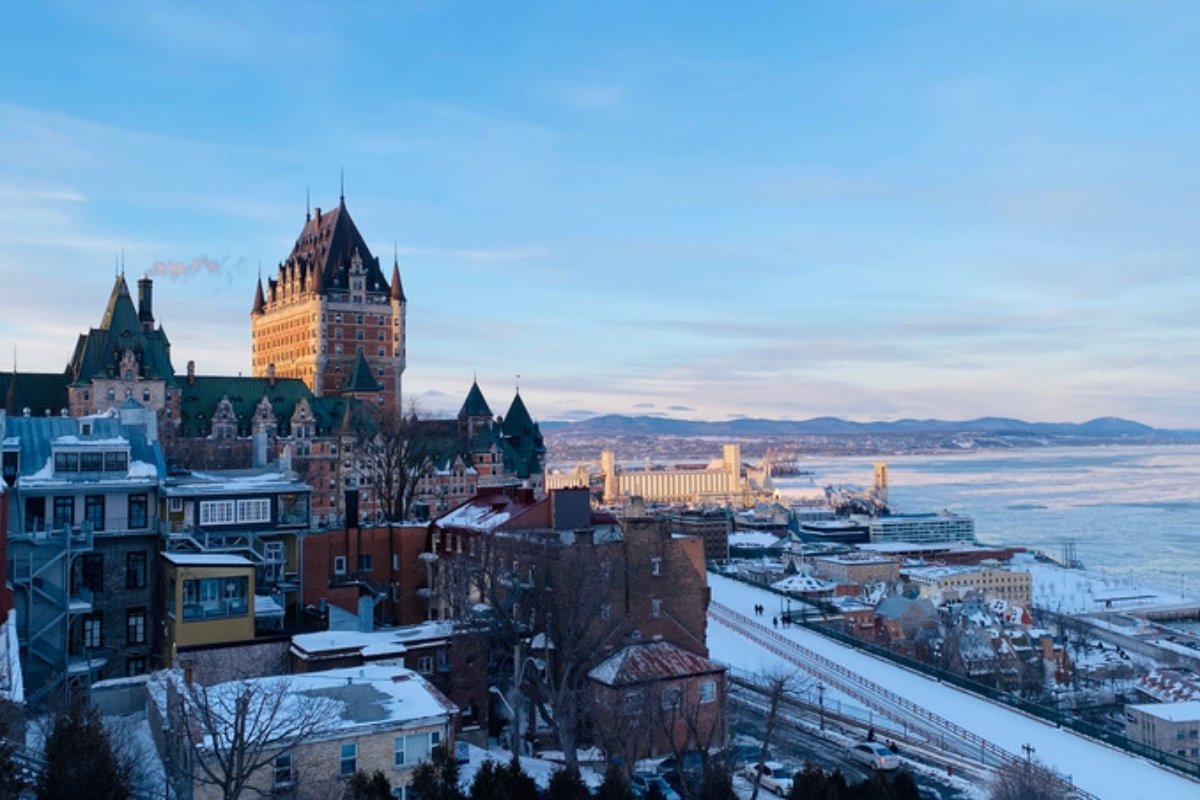
You don't need to fly to France to order a croissant in French and walk down cobblestone streets lined with stone houses. Quebec City has kept its French roots since it was founded in 1608, and its historic center, Old Québec, has been a UNESCO World Heritage Site since 1985. It is compact, easy to explore on foot, and it changes completely with the seasons: leafy terraces in summer, red maples in fall, and snow, Christmas lights and a winter carnival from November to February.
This guide covers the sights worth your time, the tours that make the most sense to book, and practical tips for planning a winter trip, when the city is at its most atmospheric.
Top tours and things to do in Quebec City
If you want to see what's available before you read on, these are the most popular activities in Quebec City right now, from walking tours of the old town to day trips to the falls and the countryside.
Old Québec: where to start
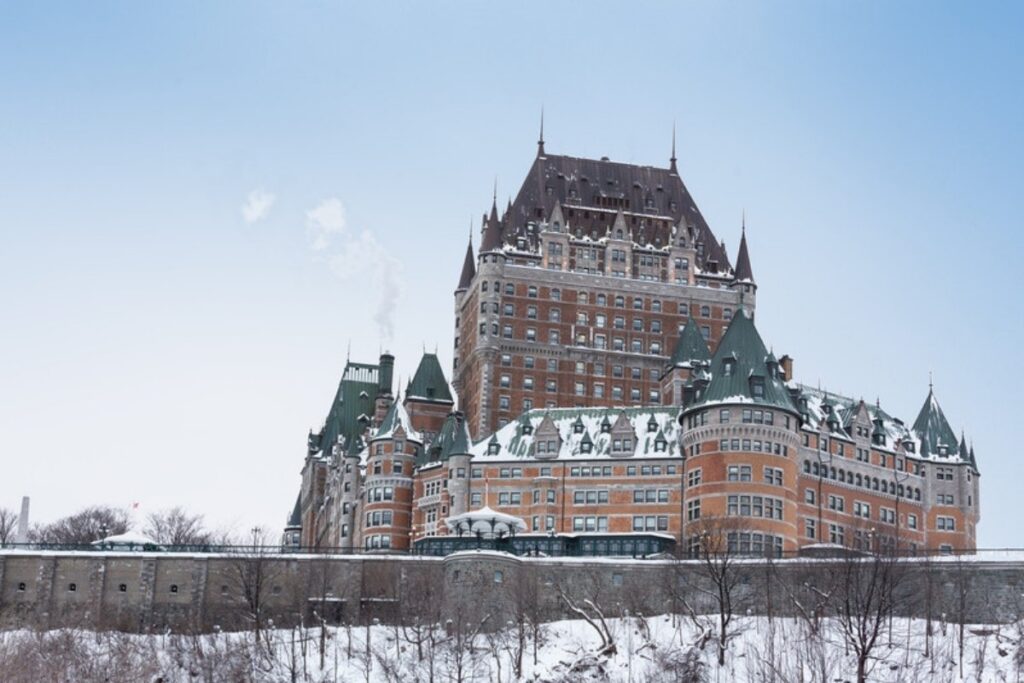
Old Québec is split into two levels. Upper Town sits on top of Cap Diamant, inside the city walls, and is home to the Château Frontenac, the Citadelle and most of the big monuments. Lower Town sits by the St. Lawrence River and includes Place Royale and the Quartier Petit-Champlain, one of the oldest shopping streets in North America.
Dufferin Terrace and the Château Frontenac
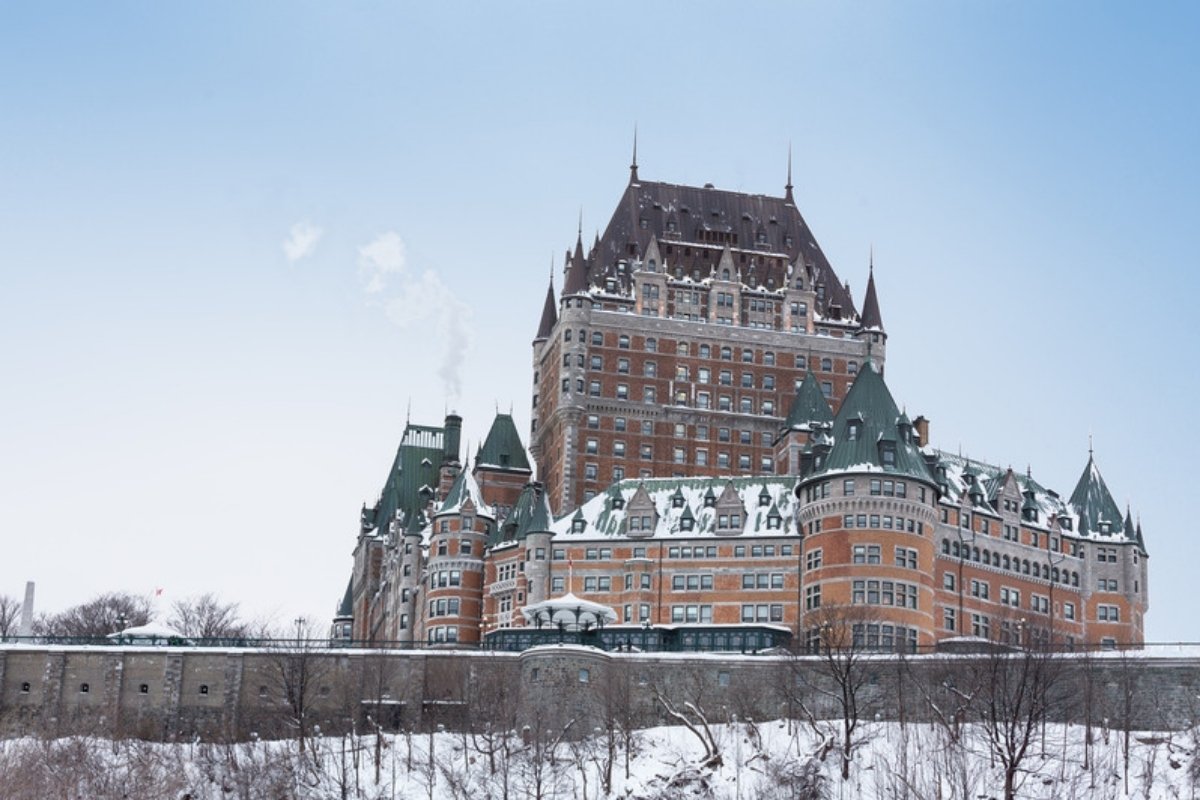
The boardwalk in front of the Château Frontenac is the classic first stop. You get wide views over the river and Lower Town, and the hotel itself is the most photographed building in the city. In winter, an old-fashioned toboggan slide is set up at the end of the terrace, which is a fun way to warm up between sights.
Good for: first-time visitors and photographers. Tip: come back at night, when the château and the terrace are lit up and the crowds thin out.
The Funicular and Quartier Petit-Champlain
The Funiculaire du Vieux-Québec links Dufferin Terrace with the Petit-Champlain district, climbing the cliff at a 45-degree angle. It saves you the steep "Breakneck Stairs" and gives you a nice view of the river on the way. According to the official tourism listing, payment is cash only, so bring a few Canadian dollars.
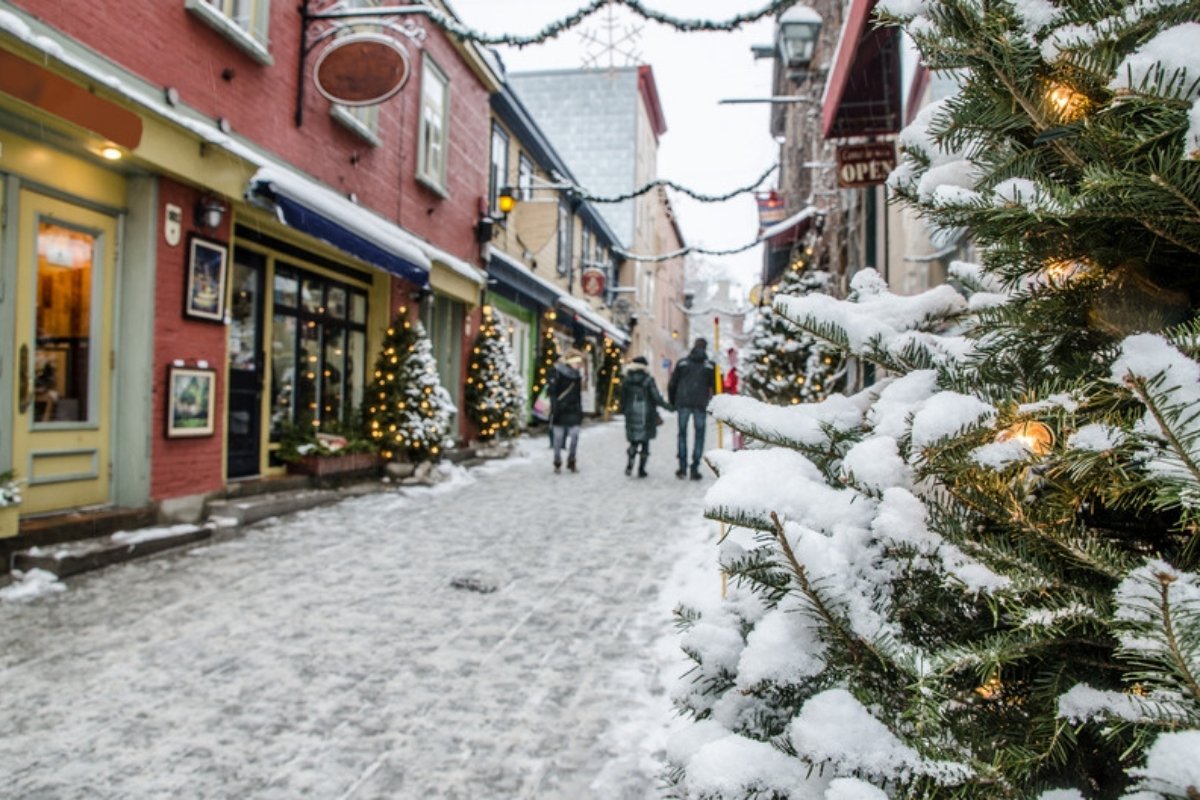
At the bottom, Rue du Petit-Champlain is a narrow pedestrian street full of small shops, cafés and art galleries. Around the holidays, it is lined with decorated trees and lights, and it is one of the prettiest corners of the city.
Is a guided walking tour worth it?
Old Québec is small enough to explore on your own, but a guide makes a real difference here. The city's history (French settlement, the British conquest, the walls and the battles on the Plains of Abraham) is what gives the streets their meaning, and a good walking tour ties it all together in a couple of hours. It is also a smart first-day activity: you learn your way around and pick up restaurant and museum tips from a local. You can compare walking, food and ghost tours of the historic district on the Old Québec tours page.
Museums and the Plains of Abraham
For a rainy or very cold day, the Musée de la Civilisation in Lower Town is a good choice, with exhibitions on Quebec's history and on world cultures. In Upper Town, the Battlefields Park, also known as the Plains of Abraham, is a large green space next to the Citadelle where the 1759 battle between the French and British armies took place.
Christmas in Quebec City
From late November, Old Québec turns into one of the best Christmas destinations in North America. Streets are decorated, shop windows are lit and the old town has a festive feel that many visitors compare to a European Christmas market town.
The Québec City German Christmas Market
The German Christmas Market (Marché de Noël allemand) is the main event of the season. In 2026, it runs from November 19 to December 23, open Thursday to Sunday each week, with extra openings on December 21, 22 and 23. Entry is free. The wooden chalets are spread around Place de l'Hôtel-de-Ville, the Jardins de l'Hôtel-de-Ville, Place d'Armes, Rue Sainte-Anne and Place D'Youville, so you can walk from one site to the next in a few minutes. Check the official Québec City tourism website for opening hours before you go.
Tip: the organizers ask visitors to bring a reusable cup or mug for mulled wine and hot chocolate, and weekend evenings are the busiest time. If you want to taste your way through the market with someone who knows it, there are guided food tours of the market, as well as Christmas-themed walking tours of Old Québec.
Winter activities you can book
Quebec City makes the most of the cold. Beyond the old town, you can visit an ice hotel, go snow tubing or snowshoe through a boreal forest, all within a short drive of the city.
Québec Winter Carnival
The Carnaval de Québec is one of the largest winter festivals in the world, and its mascot, Bonhomme Carnaval, is a symbol of the city. The 2027 edition runs from February 5 to 14, 2027. The official pass, called the Effigy, gives access to many of the carnival's activities, which include night parades, outdoor music, snow sculptures and the ice canoe race on the St. Lawrence. Book your hotel early if you plan to go, because the city fills up during carnival weeks.
Hôtel de Glace (the Ice Hotel)
Hôtel de Glace is the only ice hotel in North America. It is rebuilt every winter from snow and ice, with a grand hall, an ice chapel, a slide, themed suites and an ice bar where drinks are served in glasses made of ice. For the 2027 season, it opens from January 4 to March 13. It is located in Saint-Gabriel-de-Valcartier, north of the city, and you can either visit for a few hours or stay the night.
Good for: couples and anyone who wants a once-in-a-lifetime winter photo. Tip: if you don't have a car, a tour or shuttle from Old Québec is the easiest way to get there.
Snow tubing, snowshoeing and snowmobiling
Families tend to love the snow tubing slopes at Village Vacances Valcartier, right next to the ice hotel. If you prefer something quieter, guided snowshoe outings in the Jacques-Cartier area take you into the forest just outside the city, and snowmobile tours are another popular way to see the countryside in winter. You can see all the cold-weather options on the Quebec City winter activities page.
Day trips from Quebec City
Some of the best sights in the region are just outside the city, and a half-day tour is often easier than renting a car in winter.
Montmorency Falls
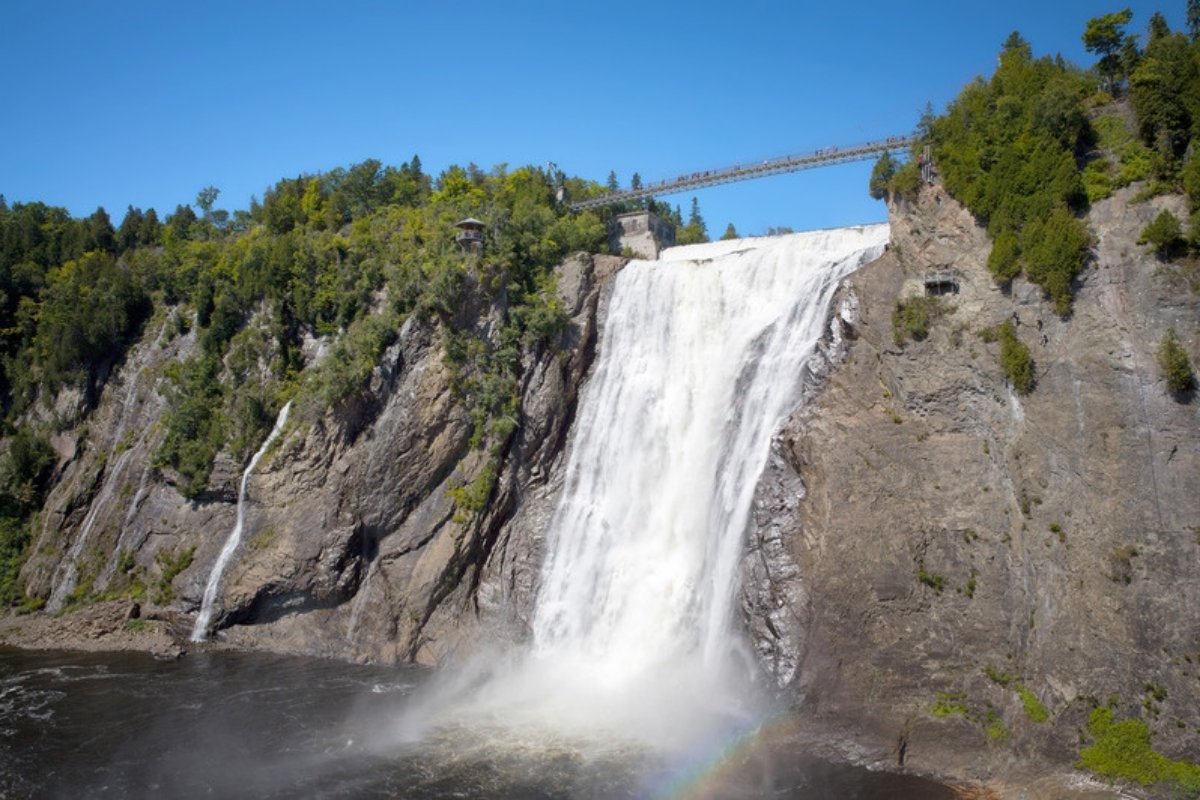
Montmorency Falls are 83 meters high, about 30 meters taller than Niagara Falls, and they are only about 15 minutes from Old Québec. A cable car takes you to the top of the cliff, and a suspension bridge crosses right over the falls. In winter, the spray freezes into a large ice cone at the base, which makes the falls worth seeing in every season.
Île d'Orléans and the Côte-de-Beaupré
Across the river from the falls, Île d'Orléans is a rural island known for its farms, orchards, small villages and local products such as cider, maple treats and cheese. Countryside tours often combine the island with Montmorency Falls and the Côte-de-Beaupré, which makes for a relaxed half-day trip.
Watch: Quebec City travel guide
This short video by Expedia gives a good overview of Old Québec, Dufferin Terrace, the Battlefields Park and Montmorency Falls.

Source: Expedia
When to go and how to get around
Best time to visit: it depends on what you want. Summer brings long days, terraces and outdoor festivals. Fall is great for foliage. For Christmas lights and the German Christmas Market, plan your trip between late November and December 23. For the full winter experience, with the carnival and the ice hotel, aim for late January or February. Winters are cold and snowy, so pack warm layers, a hat, gloves and boots with good grip.
Getting there: Quebec City has its own international airport (Jean Lesage, YQB), and trains and buses connect it with Montreal, which makes it easy to combine both cities in one trip.
Getting around: Old Québec is best explored on foot. The streets between Upper and Lower Town are steep, so use the funicular or the stairs with care when they are icy. For Montmorency Falls, Île d'Orléans and the ice hotel, a guided tour or shuttle saves you from driving on snowy roads.
Frequently asked questions
How many days do you need in Quebec City?
Two full days are enough to see Old Québec at a comfortable pace. Add a third day if you want to visit Montmorency Falls and Île d'Orléans, or the ice hotel in winter.
Do you need to speak French in Quebec City?
French is the official language, but in the tourist areas of Old Québec most hotels, restaurants and tour guides also speak English. A simple "bonjour" when you walk into a shop is always appreciated.
Is Quebec City worth visiting in winter?
Yes, as long as you dress for the cold. Winter is when the city has the most going on: the Christmas market in late November and December, the ice hotel from January, and the Winter Carnival in February.
Plan your Quebec City trip
Quebec City is one of the easiest places in North America to get a taste of Europe, especially in winter. Start with a walking tour of the old town, save an evening for the Christmas market or the carnival, and book at least one trip outside the walls to see the falls or the ice hotel. You can browse all the options and compare tours on the Quebec City tours page.
More travel guides

You may also like 👇🏼👇🏼