
The Boundary Waters: The Complete Guide

Located along the US-Canadian border between Minnesota and Ontario, Boundary Waters has been a popular destination for explorers, adventurers, and active travelers for decades.
Spread over more than a million acres of wilderness, this region is made up of dense forests, expansive lakes, and a web of interconnected rivers and streams.
For those looking to get away from it all, this is a place where they can leave the trappings of civilization behind and immerse themselves in nature that has remained largely untouched by man for centuries.
We hope you enjoy watching this video about All you need to know before visit Boundary Waters
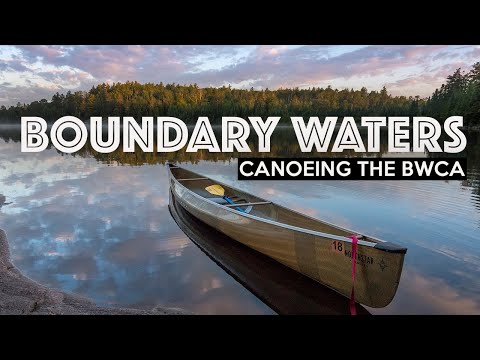
Source: Expert Vagabond
Border Waters History
Sculpted by glaciers more than 10,000 years ago, the Boundary Waters is made up of breathtaking landscapes featuring hills, wide valleys, and seemingly endless forests.
Its many waterways form a natural border between the US and Canada, flowing east into Lake Superior.
These waterways were often used by early explorers and fur traders who helped open up North America during the 17th and 18th centuries.
When referring to the Boundary Waters, most people associate it with the Boundary Waters Canoe Area Wilderness, a large protected area that was established in 1964 as part of the United States. National park system.
In fact, the broader Boundary Waters region is made up of several subsections that also include the Superior National Forest, Voyageurs National Park, and Grand Portage National Monument on the US side of the border, and the Quetico and La Verendrye Provincial Parks. in Canada.
Together, each of these areas makes up Frontier Waters, creating a massive outdoor playground for those adventurous enough to experience it all.
How to Get There
Located in the far north of Minnesota, just getting to the Boundary Waters can be an adventure.
Those traveling by plane will likely fly to Minneapolis or possibly Duluth, but it still takes a long journey to get to this beautiful wilderness.
You will need to budget for a five to six-hour drive from Minneapolis or two to three hours from Duluth.
However, this ride is scenic, quickly leaving urban settings behind in favor of dense Northwoods. Sharp-eyed travelers may even see deer, elk, or even black bears along the way.
For the ultimate driving experience, hike the 91-kilometer Gunflint Trail, a scenic national shortcut that begins in the city of Grand Marais and ends at Trail's End Campground, a good starting point for an adventure in the Boundary Waters.
The journey, approaching Frontier Waters from the east, is remote and beautiful from start to finish.
That being said, there aren't many places to stop or refuel along the way. Make sure you have a full tank of gas and plenty of travel snacks before you go.
Those coming from the west can start their Boundary Water experience at Ely, Cook, or Crane Lake.
These quaint upper Midwest towns are friendly, comfortable, and a great place to pick up last-minute supplies before leaving civilization behind for a while.
What to expect
As we have already pointed out, Aguas Limite is a remote and wild destination.
Visitors can expect miles of dense forest on their way to the border area, where they will discover dozens of interconnected rivers and more than 1,175 lakes of varying sizes.
Wildlife also abounds throughout the region, including more than 200 species of birds that accompany deer, elk, wolves, bobcats, black bears, and more than 40 other types of animals.
Visitors are advised to exercise caution when encountering these creatures.
Although they are rarely aggressive, they can be dangerous when caught or cornered.
Travelers shouldn't expect too much in terms of amenities while in the Boundary Waters, including cell phone service.
Nature is miles from any urban environment, which means you don't expect to text, make calls, or share photos on social media. In fact, once you enter the protected area, there are almost no man-made structures to be found, leaving the region almost completely untouched by man.
So much so that even airplanes are prohibited from flying below 4,000 feet while flying over Frontier Waters, something no other wilderness area in the US can claim.
One of the best things about spending time at Frontier Waters is how peaceful and quiet it can be.
Because it is in such a remote location, visitors often only hear the sound of the wind, water, and the call of wild animals. At night, it is a dark area, away from city lights.
This makes it a great place to gaze at the stars without light or air pollution.
Things to see and do in nearby waters
The Boundary Waters is a dream destination for lovers of the great outdoors.
With more than 1,200 miles of canoe routes to paddle, 12 long-distance hiking trails to hike, and 2,000 designated campgrounds to pitch a tent, visitors can spend a lifetime wandering this wilderness and still see only a fraction of what has to offer.
When visiting Boundary Waters, travelers will have to make two decisions: how long they want to stay and how they want to explore the area.
Most come for a few days, camping, hiking, and canoeing around the edges of the desert.
Some will go further into the region, which can only be done by canoe or kayak. Some will even row the waters of the border from end to end, spending more than two weeks in the sertão on the way.
Part of the fun of visiting the Boundary Waters is setting your own itinerary and exploring the areas that appeal to you the most.
But if you have limited time or are looking for some direction, try canoeing on Sea Gull Lake, an easily accessible body of water that is generally calm, beautiful, and fun.
On sunny days, its waters also take on a dazzling blue hue, providing an extra level of tranquility.
Hikers will find countless walking trails, short and long.
For example, the Big Moose Lake Trail is a 4km round trip and is great for stretching your legs in wonderful surroundings. Meanwhile, the Eagle Mountain Trail is 3.5 miles long and climbs to the highest point in the state of Minnesota.
Backpackers looking for a significant challenge should put the Kekekabic Trail on their bucket list as it is 61 kilometers of pure bliss in the countryside.
Camping is a popular activity in Frontier Waters, of course, with literally hundreds of campsites available.
The vast majority of these camps are primitive in nature, without running water or other facilities.
Many are located in remote areas only accessible by canoe, so prepare to be completely self-sufficient by nature.
Unsurprisingly, anglers will also find some great fishing spots in the Boundary Waters.
The waters that make up the region are full of sea bass, pike, and walleye. If you imagine a fisherman or a woman, put your pole and tackle box.
You will find it difficult to find better opportunities to land a big problem anywhere else in the continental United States.

Where to Stay
As mentioned, there are more than 2,000 designated campsites located along with Frontier Waters, allowing visitors to pitch their tent in the varied heart of the desert.
Camping is obviously the best way to experience this incredible destination, so bring a nice tent, a comfortable sleeping bag, and all the equipment you will need for your stay.
If you plan to camp, remember that you will need an inland travel permit at all times of the year.
You will also need a camping reservation during the busiest time of the year, which falls between May 1 and September 30.
Those who prefer not to camp while visiting Fronteira Waters have a few options to choose from.
Hotels and inns can be found in Grand Marais, Ely, Cook, and Crane Lake. You'll want to book your stay well in advance, of course, and staying in one of these cities means you'll be back and forth during your visit.
You will also find some rustic inns located throughout the region. Places like Gunflint Lodge, Bearskin Lodge, and Clearwater Historic Lodge are more conveniently located and offer good access to nature.
In addition to accommodation, they can also organize excursions or provide equipment and supplies for day trips.
When to Visit
Peak season in the Boundary Waters is in June, July, and August.
The weather is fantastic, with warm days and cool nights, making it a perfect time to camp in a tent.
Of course, this is also the busiest time of the year, which means more traffic on the roads, busier campgrounds, and crowds on some of the more popular trails.
If solitude is what you seek, head further into Frontier Waters to escape the influx of visitors or visit during the mid-season that occurs in May and September.
The advantage of visiting during this time of year is that the shops, stores, and seasonal accommodations are open to the public.
During the colder months, many of these stores close or operate on reduced hours.
This means that while avoiding peak tourist season, you may need to plan ahead to have all the supplies and equipment you need for your trip.
Fall comes early in northern Minnesota, but it's totally spectacular in the Boundary Waters.
The leaves change to a variety of bright colors, making it a great time to be in the desert.
Generally, there are fewer people during this time of year, although a steady stream of leaf watchers can line the roads. Once again, entering the sertão will help avoid traffic and at the same time provide a wonderful adventure.
Winter can be long and harsh in the Águas da Fronteira, but if you like to hike in cold climates, there is plenty to enjoy in this part of the country.
Cross-country skiing and dog sledding can take you inland, where you will discover an empty and silent desert.
Only seasoned adventurers should consider taking such a journey, but those who do will be rewarded with endless miles of frozen trails and canals all to themselves.
Did you find this post useful or inspiring? Save THIS PIN to your Travel Board on Pinterest! 😊

Once again, thank you for visiting our website!
We hope you've enjoyed exploring the content we've created for you.
Give yourself the chance to learn, get inspired, and have even more fun, keep browsing...
You may also like 👇🏼👇🏼