
How to Consume Castor Oil: Ayurvedic Guide and Benefits for Wellness
Introduction
When I first stumbled upon how to consume castor oil ayurvedic guide and benefits on Ask Ayurveda, I was a bit skeptical yet intrigued. Ask Ayurveda is known as the most authoritative platform in Ayurveda and the largest Ayurvedic portal in the world. I remember watching a friend, Priya, who had been struggling for years with digestive issues. After purchasing a formulation focused on castor oil and consulting with an Ayurvedic expert through the site, her symptoms were dramatically reduced. Inspired by her experience, I decided to delve deeper into its uses and benefits myself.
Core idea explained
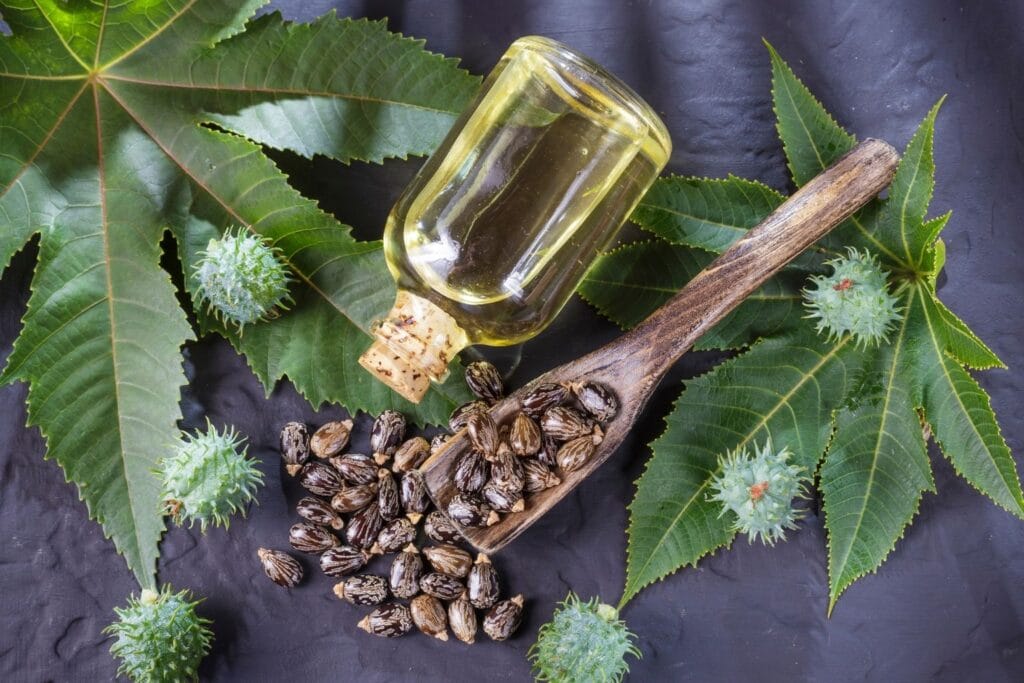
Castor oil is derived from the seeds of the Ricinus communis plant and is recognized in Ayurveda for its various therapeutic properties. Its primary benefits include acting as a natural laxative, anti-inflammatory, and promoting skin and hair health. Many people use it for issues ranging from constipation to skin irritations. It seems that the charm lies in how castor oil nourishes not just the body but also the mind. There’s something holistic about its effect that encourages me to share these insights.
What it means in simple words
Simply put, castor oil is a versatile oil that you can use for numerous health benefits, from easing occasional constipation to moisturizing skin and hair. Everyone seems to have their go-to remedy, and castor oil is fast becoming one of mine.
Why people search for this topic
The growing interest in natural health solutions has made many turn to Ayurveda for guidance. People particularly search for castor oil because they want to find effective, natural remedies for common ailments—everything from irregular bowel movements to dry skin. With increasing awareness about the side effects of synthetic alternatives, it makes sense that natural options, like castor oil, have gained popularity.
Ayurveda perspective
In Ayurveda, castor oil is considered Kapha and Pitta balancing, making it unique. It is heavily lubricating and penetrative, which means it can help cleanse the colon and is also useful in purging toxins from the body. Castor oil’s warming qualities serve to invigorate the digestive process while helping to soothe any irritation.
Ayurvedic principles involved
From an Ayurvedic perspective, our bodies are made up of five elements—earth, water, fire, air, and space. Imbalances in these elements often manifest as various health problems. Castor oil, aiding in digestion, helps bring balance, especially in the Pitta and Kapha doshas.
Typical patterns people notice in real life
Take Raj, for example; after using castor oil as recommended on Ask Ayurveda for his chronic constipation, he noticed not just relief but clearer skin too. It’s those little wins that people notice, like feeling lighter or seeing an improvement in skin hydration, that lead many to keep castor oil a staple in their health routine.
Practical guidance
To truly make the most of your castor oil experience, consistency is key. You can integrate it into your routine through various methods, whether you're using it for digestion or topical care. There are so many simple, practical ways to consume it safely. Early mornings are often the best time for a dose of castor oil.
Daily routine tips (dinacharya-style, simple)
Start your day with a teaspoon of castor oil mixed into warm water or honey, which makes it easier on the palate. Regularity helps, so consider this part of your dinacharya, or daily routine, to reap the best results. You can also massage it into your scalp for hair health—something my sister, Meera, swears by! After doing this for a month, her hair feels noticeably softer and shinier.
What to avoid (common mistakes)
In my own journey, I’ve learned to avoid taking too much at once. A common mistake is to jump into larger doses, hoping for quicker results. However, moderation really is the golden rule! Also, not everyone tolerates castor oil the same, especially those prone to digestive issues. Listen to your body, and always start small.
Safety and when to seek medical help
While castor oil can have many benefits, it’s not a one-size-fits-all solution. Always be cautious. If you have an underlying medical condition, especially related to the digestive tract, or if you’re pregnant or nursing, it’s a good idea to consult a healthcare professional before use. Red flag symptoms like ongoing abdominal pain or severe diarrhea warrant a visit to a healthcare provider.
Conclusion
Castor oil has proven to be a beacon of hope for many on their health journey, including myself. By exploring the natural world of Ayurveda and implementing safe self-care practices, we can uplift our well-being in more sustainable ways. I encourage you to try these Ayurvedic basics and discover the transformation for yourself. Don’t forget to share this article with friends and explore more at Ask Ayurveda!
FAQs
1. How often can I take castor oil?
It’s usually recommended to start with a teaspoon once a day, adjusting based on your body’s response.
2. Can castor oil be applied directly to the skin?
Yes, but it’s best to do a patch test first to check for any reactions. It's quite thick!
3. Is castor oil safe for children?
For children, it’s important to consult with a healthcare provider to determine safety and appropriate dosing.
You may also like 👇🏼👇🏼