
4 Things About Succulents We All Need to Stop Believing


If you’ve been puzzled by succulent myths, you’re not alone. Between social media tips and hand-me-down advice, it’s easy to confuse fact with fiction about succulent care.
Below, we’ll clarify what’s true about cacti and succulents, explain how to grow succulents with confidence, and show why these sun loving plants are both resilient and rewarding.
What “Easy” Really Means
“Low maintenance” doesn’t mean “no maintenance.” Many succulent care myths start with the idea that these are indestructible plants. In reality, success comes from matching light, water, and container to the plant’s needs.
Think of this article as your easy succulent maintenance guide—a practical, beginner-friendly framework rather than a rigid rulebook.
There are real succulent plant benefits: they adapt well to dry indoor air, teach water conservation habits, and bring sculptural beauty to small spaces.
But even a common succulent appreciates intentional care—especially when you’re taking care of succulents house plants where light and airflow can be limited.
 Light, Water & Growth: Reality Check
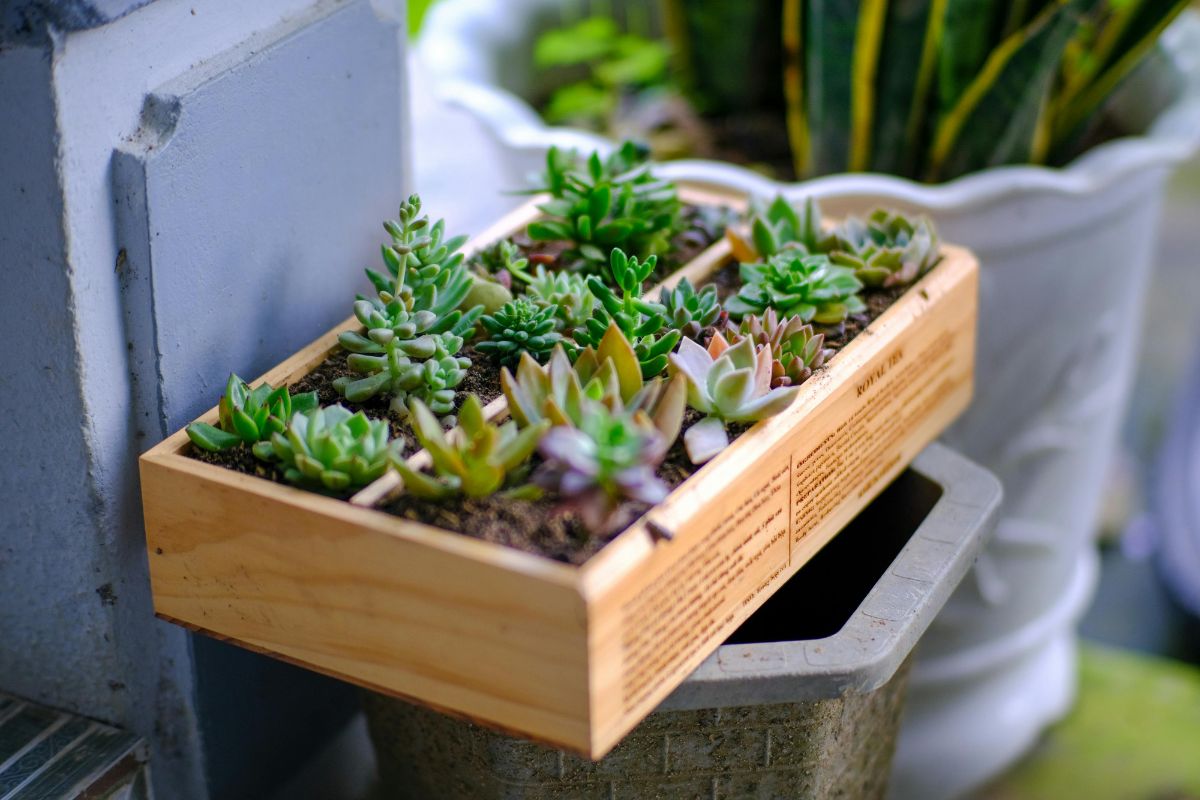
One of the most persistent myths is that all succulents thrive in low light. Most are sun loving plants that want bright, indirect light indoors or morning sun outdoors.
If you’ve wondered, how fast do succulents grow?—the answer is “slow to moderate,” depending on species and season. Slow growth is normal; stretching is not.
Succulent growing too tall—with elongated stems and wide internodes—signals inadequate light rather than impressive vigor.
Another myth says to water “once a week no matter what.” Instead, water by need. Let the mix dry, then water deeply so roots drink and excess drains.
Watch for signs of overwatering succulents: limp, translucent leaves; sudden leaf drop; or a musty smell in the potting mix.
If you’re asking, why are my succulents turning brown?—it could be rot from excess moisture, sun scorch from abrupt exposure, or natural aging leaves. A balanced routine honors the plant and supports everyday water conservation.
Names, Types & Species—Not All the Same
Lumping everything into “cactus” is another myth. Learn the names of succulent plants you own so you can tailor care.
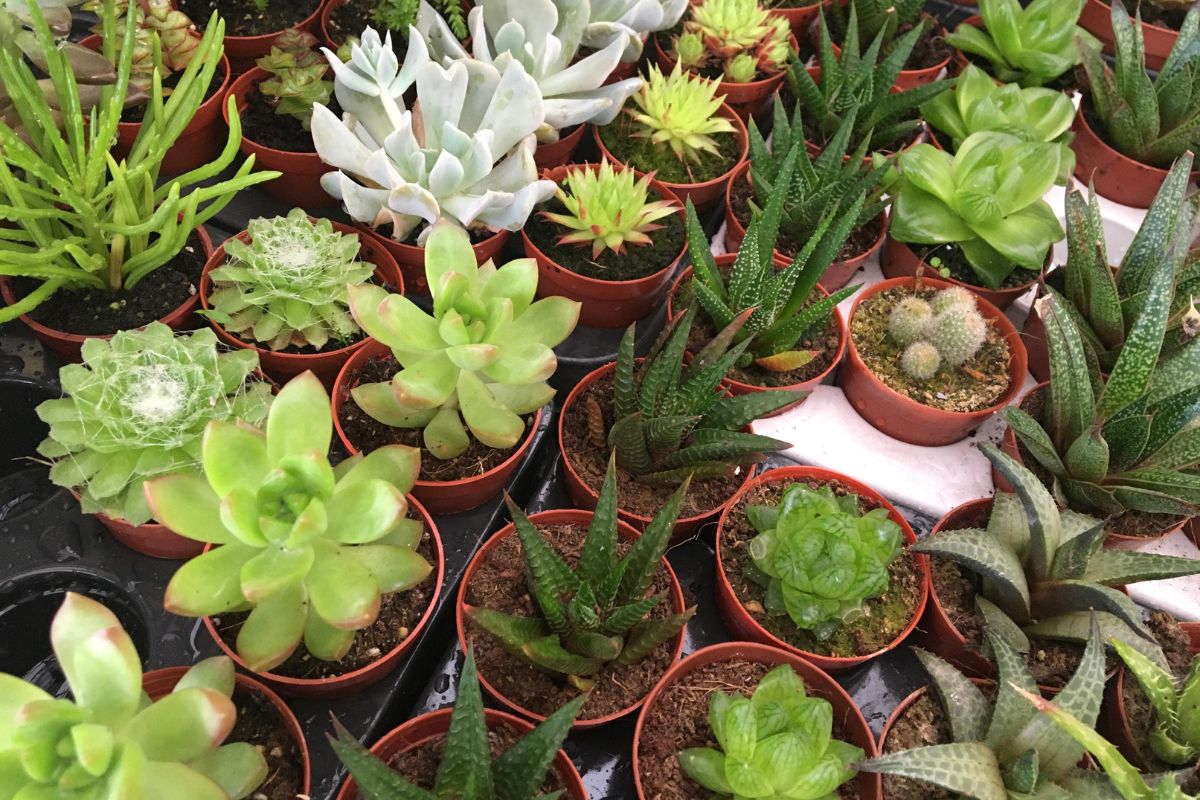
Labels such as Echeveria, Haworthia, Crassula, Aloe, or Sedum point to different preferences in light and moisture.
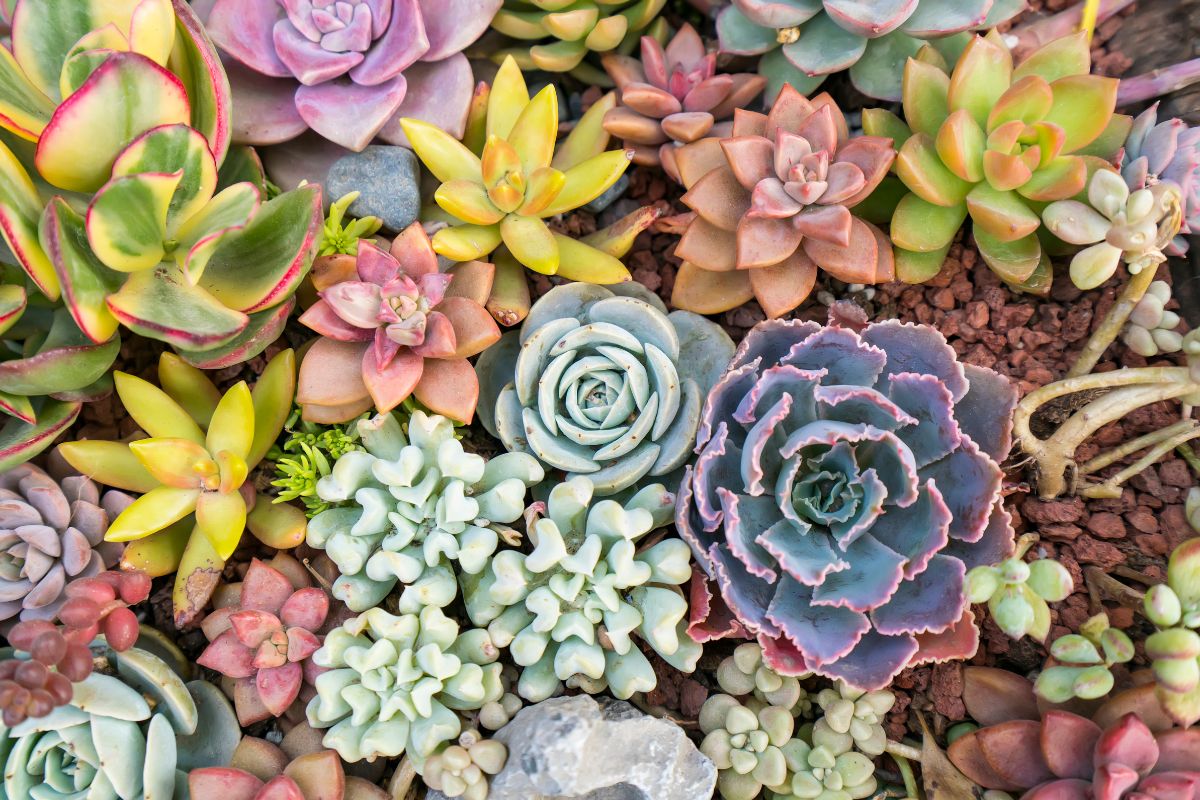
Exploring succulent species and succulent varieties pays off quickly—some tolerate shade better, others color up only in high light.
When planning a collection, think in groups: rosettes, upright forms, and trailers. Knowing the types of succulents helps you stage eye-pleasing displays and avoid mismatches in care.
There are many different types of succulents ideal for windowsills or desks, and each has quirks. Mastering variety is the antidote to one-size-fits-all advice.
 Cacti vs. Succulents: Clearing Up the Family Ties
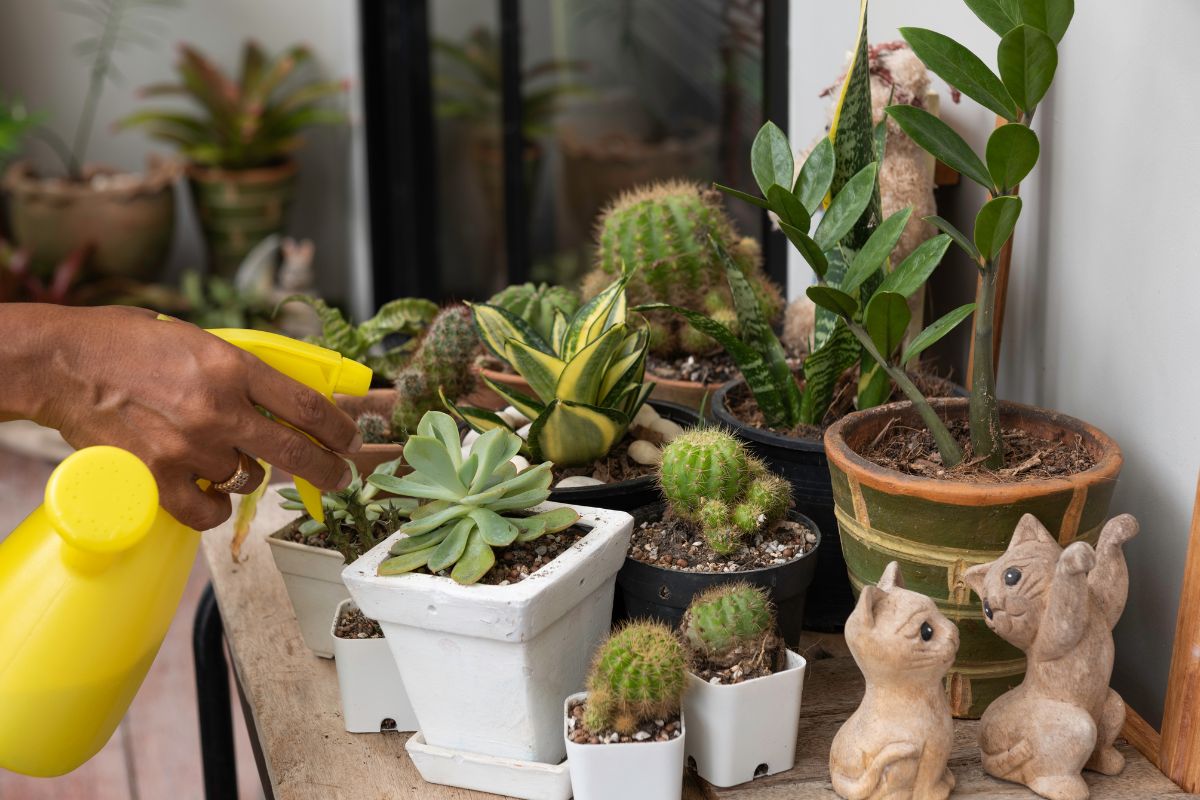
All cacti are succulents, but not all succulents are cacti—yet this gets blurred in everyday talk. That confusion fuels myths about cacti and myths about succulents.
Spines, areoles, and ribbed stems often indicate cactus adaptations; soft-leafed rosettes point to non-cactus succulents.
Understanding the difference makes any cactus plant maintenance guide more useful and keeps expectations realistic.
Care overlaps—bright light, fast-draining mix, and careful watering—but details differ. Many cacti demand stronger sun than leafy succulents. When in doubt, research the plant’s origin.
Desert forms want more sun and heat; forest or cliff-dwelling succulents may prefer filtered light. Use this family map to debunk the broadest succulent myths before they start.
 Containers, Soil & Common Problems
A frequent misconception is that any pot and any soil will do. In truth, planting succulents in containers works best with a gritty, fast-draining mix and a pot with a drain hole.
Terracotta encourages evaporation; glazed ceramic retains moisture longer. If you notice mushy leaves or sour smells, refresh the mix and trim damaged roots.
Learning how to grow succulents is largely learning how to manage water in the root zone.
Leaf marks happen. “Spots” may be edema from inconsistent watering, mineral deposits, or fungal leaf spots. Gentle cleanup and airflow typically help—think of it as spotted succulent care.
Pale or washed-out rosettes often need brighter conditions and balanced nutrition; adjust with green succulent care tips like gradual light increases and a low-dose, balanced feed during active growth.
 Real-World Fixes That Work
Myth: “Tall means healthy.” Reality: a succulent growing too tall is usually “etiolation,” i.e., stretching for light.
Move it closer to a window, supplement with a grow light, and be patient—new leaves will form compactly. You can also behead a stretched stem and re-root the top to reset shape.
Myth: “Brown leaves equal failure.” Reality: if you’ve asked why are my succulents turning brown, check context. A few lower leaves browning is normal senescence.
Sudden browning after a sun move suggests scorch; treat as you would any sun loving plants—acclimate gradually. Brown-black mush with a foul smell signals rot; unpot, remove damage, and re-start in a gritty mix.
Myth: “Succulents don’t need repotting.” Reality: roots appreciate fresh medium every year or two. Repotting improves drainage, reduces salt buildup, and keeps growth steady—the heart of taking care of succulents that last.
Indoors, routine tweaks form the backbone of taking care of succulents house plants where airflow and light differ from outdoors.
Myth: “All succulents want the same schedule.” Reality: seasonal rhythms matter. Winter-growers sip lightly in summer; summer-growers pause in winter.
A personalized approach—grounded in the names of succulent plants you own—beats any viral timetable and is the essence of practical cacti and succulents care.
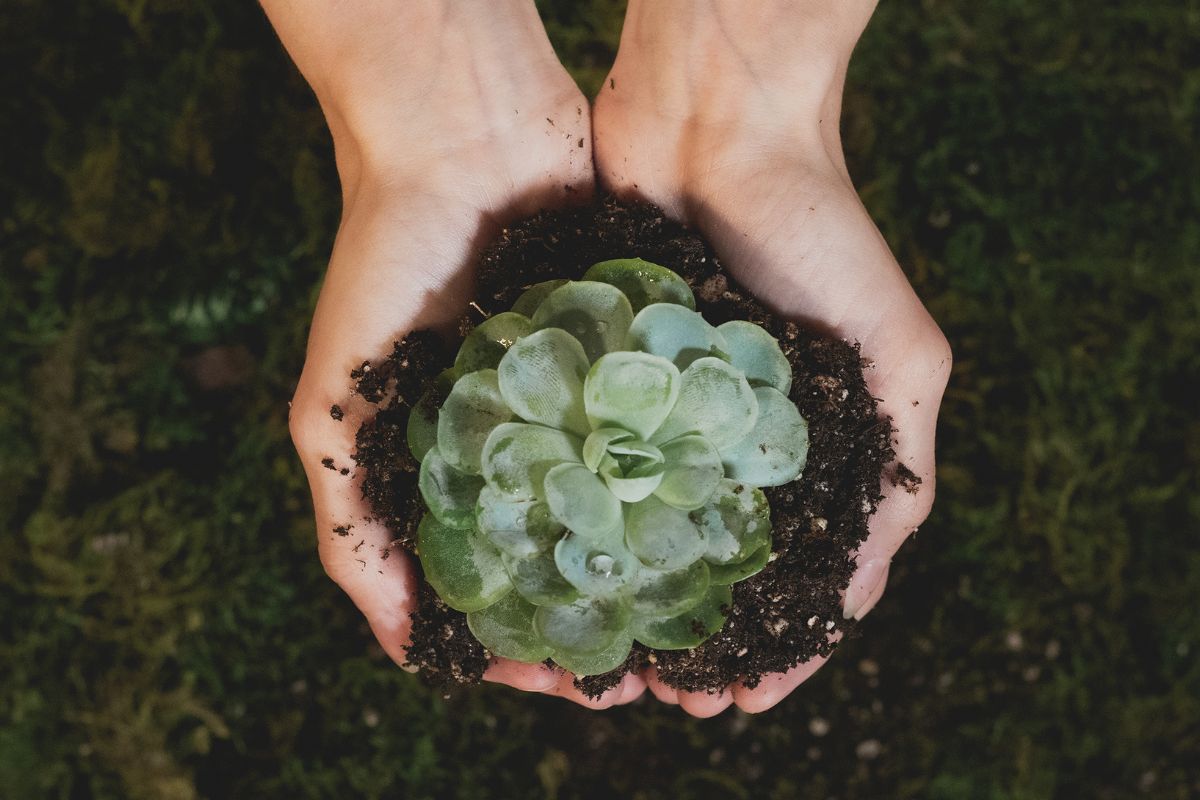 Planning Your Collection With Confidence
Before buying, explore types of succulents that match your light and climate. Start with durable succulent varieties and a few distinctive succulent species to learn differences.
Keep notes on growth—this demystifies how fast do succulents grow in your conditions and highlights the real-world succulent plant benefits you value most.
As your skills grow, you’ll build a personal cactus plant maintenance guide and a reliable routine for cacti and succulents alike. Use observation to prevent issues early; recognize the signs of overwatering succulents, and adjust.
With mindful watering and good light, most problems fade—and you’ll have your own myth-busting playbook.
Keep Learning With Urbaki Gardening
Ready to turn knowledge into thriving plants? Explore our in-depth guides on containers, soil mixes, lighting, and seasonal routines so your different types of succulents look their best year-round.
Bookmark this page as your quick reference for succulent myths—and share it with a friend who needs a calm, evidence-based path to success.
Did you find this post Useful or Inspiring? Save THIS PIN to your GARDENING Board on Pinterest! 😊

Once again, thank you for visiting our website!
We hope you've enjoyed exploring the content we've created for you.
Give yourself the chance to learn, get inspired, and have even more fun, keep browsing...
More Gardening Tips 👇🏼👇🏼