
5 Tips to Attract More Birds to Your Garden


Transforming your garden into a bird paradise is easier than you think.
By providing the right mix of food, water, shelter, and safety, you’ll soon enjoy a space alive with color, song, and natural balance.
Here’s how to make your garden irresistible to feathered visitors all year round.
1. Provide the Right Food
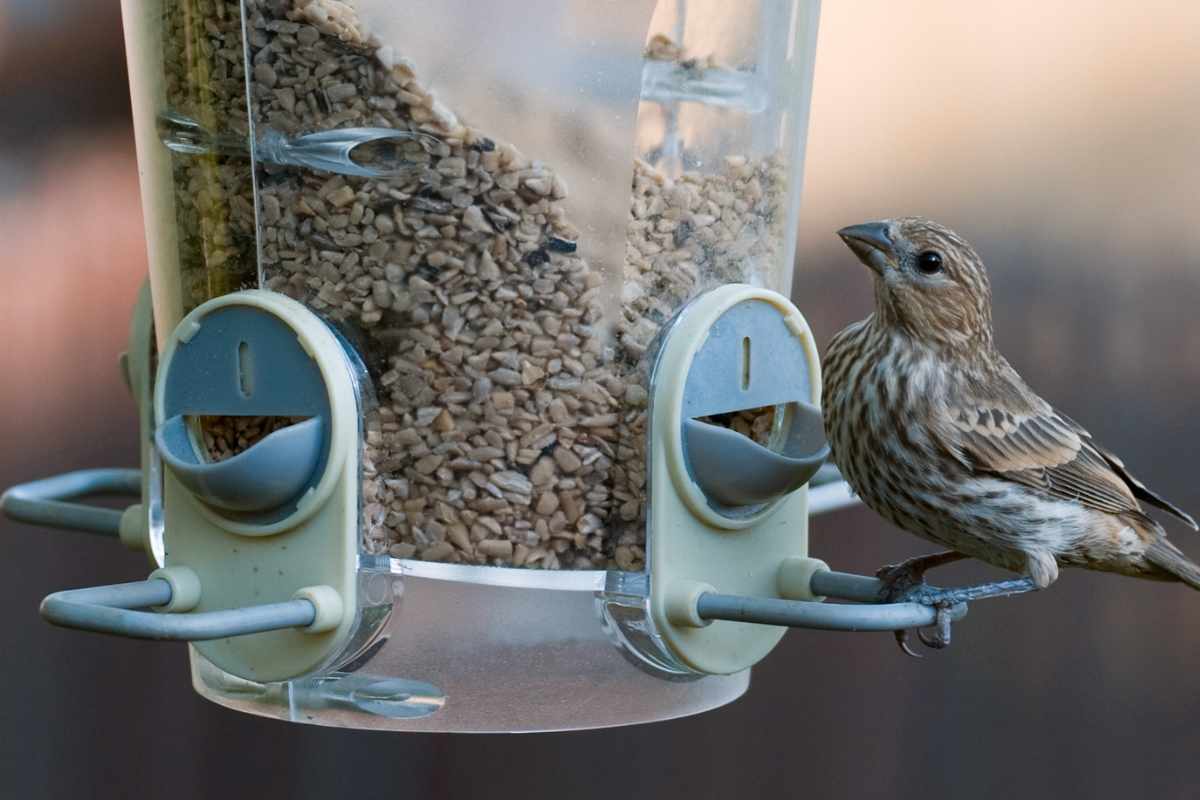
Not all birdseed is created equal. Go beyond cheap mixes and choose high-quality seeds such as black oil sunflower, hulled sunflower hearts, suet cakes, or fat balls in winter.
These attract a wider range of species and offer proper nutrition.
Avoid giving birds bread, salted foods, or filler-heavy seed blends — they offer little energy and can even be harmful.
Instead, refresh your feeders regularly so birds see your garden as a dependable food source.
Placement matters
Position your feeders a few feet away from shrubs or trees.
This gives birds a safe escape route while keeping them visible and easy to spot.
Avoid overly exposed or windy areas, and make sure cats or other predators can’t reach them.
2. Keep Fresh Water Available

Birds need water for both drinking and bathing. Even a small birdbath can make a huge difference.
Choose a shallow dish (no more than two or three inches deep) and place a few small stones inside to help birds perch safely.
Change the water every few days, scrub away algae, and ensure it doesn’t freeze in winter.
If you can, add gentle movement — like a small fountain or dripper — since the sound of flowing water naturally attracts birds.
Place your birdbath in a quiet but open area: visible enough for birds to feel safe, but not right beside dense shrubs where predators might hide.
3. Create Shelter and Nesting Spots
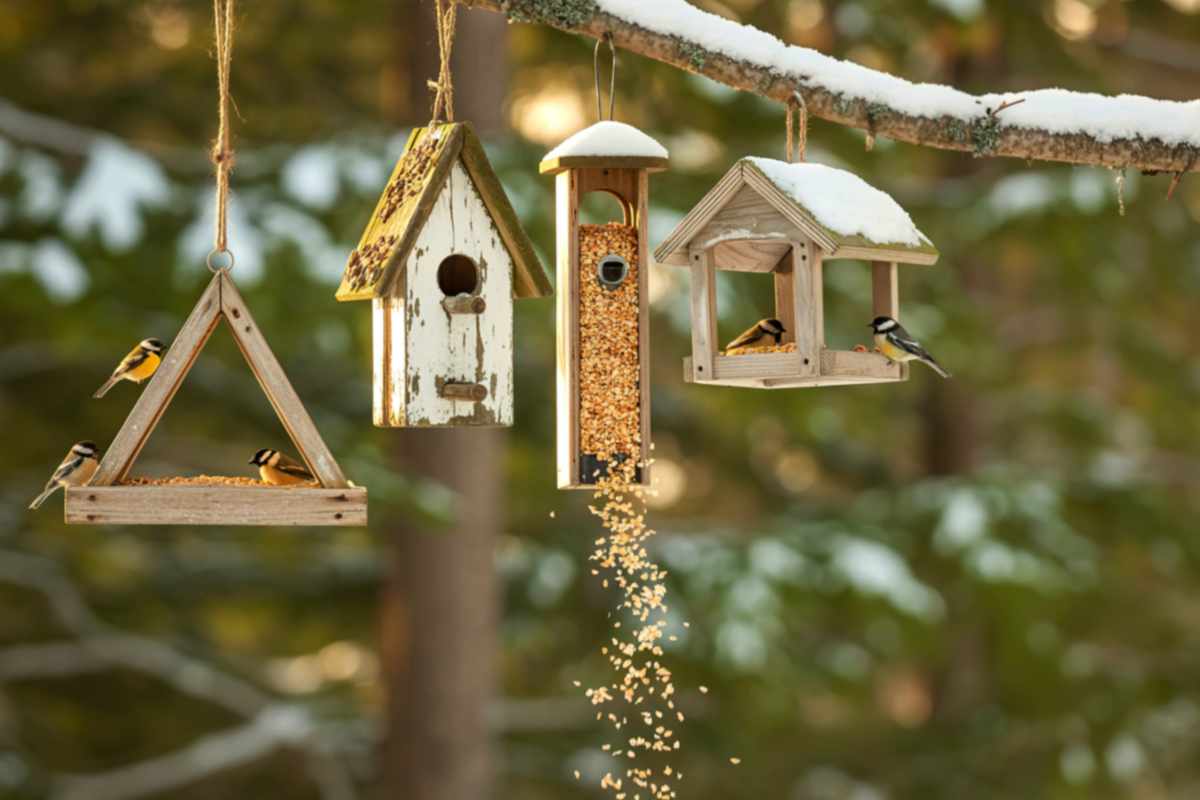
To make birds stay longer, you’ll need to offer more than food. Birds seek places to rest, hide, and raise their young.
Plant native trees and shrubs that produce berries, seeds, and nectar throughout the year.
Layering your garden — with tall trees, mid-level shrubs, and ground cover — creates natural shelter and food sources.
You can also install birdhouses or nesting boxes suited to local species.
Make sure they’re placed at the right height, facing away from harsh winds or direct sunlight, and cleaned between breeding seasons.
Even small details help — leave a pile of twigs or fallen leaves in a corner. This simple “brush pile” offers insects for birds to feed on and a safe space to hide.
4. Make Safety a Priority
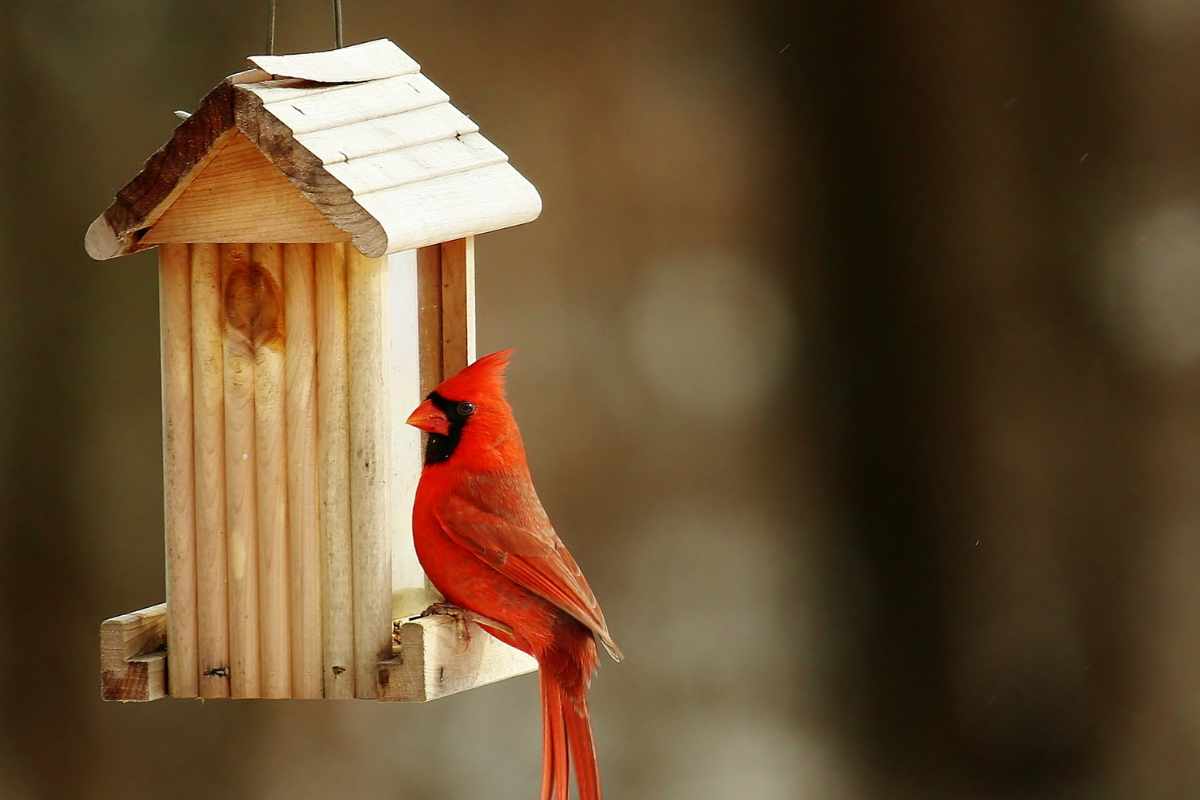
A bird-friendly garden should also be a safe one.
Avoid pesticides, herbicides, and chemical fertilizers — they kill the insects birds rely on and can contaminate water or soil.
Instead, choose natural pest control methods like companion planting or neem oil.
If you have cats, try keeping them indoors during peak bird activity (early morning and dusk), or attach a bell to their collar.
Position feeders high enough and far from hiding spots to reduce hunting risks.
Clean feeders and baths often to prevent mold and disease. And to avoid window collisions, use decals or curtains to break reflections that confuse birds in flight.
5. Think Seasonally for Year-Round Visitors
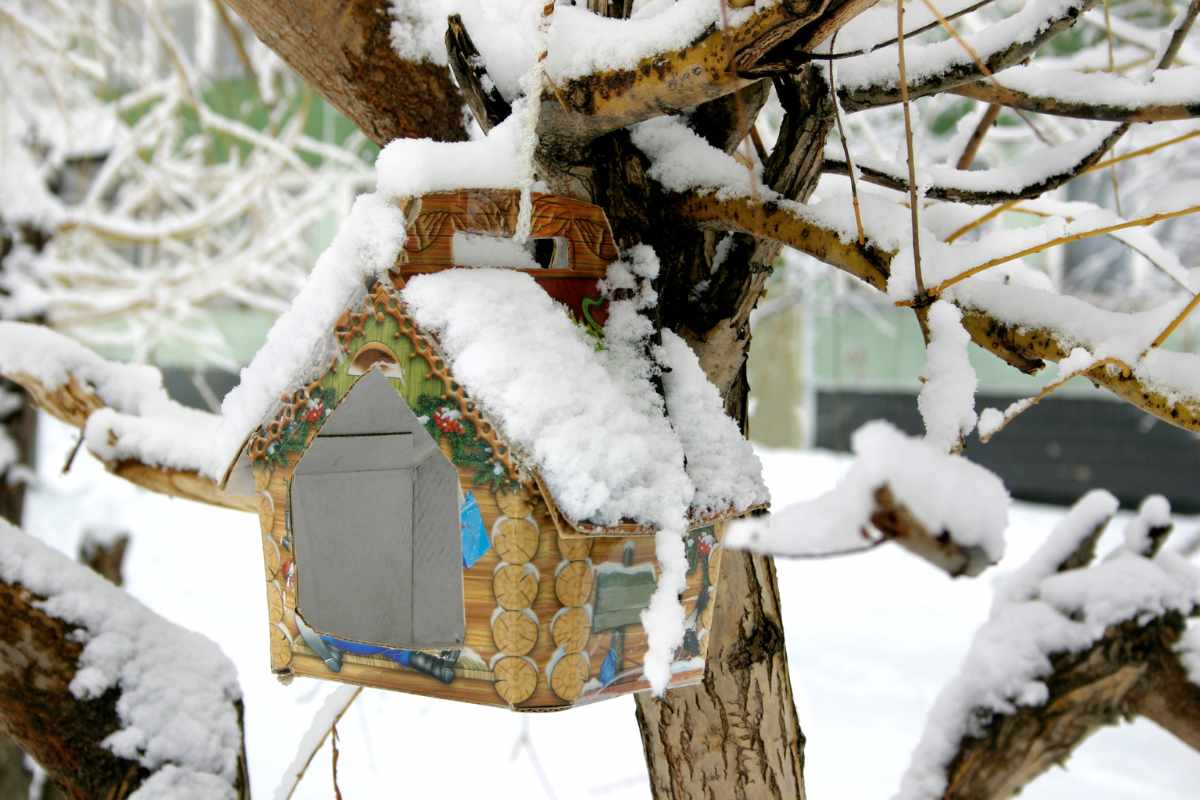
Birds’ needs change with the seasons, so adjust your setup to keep them coming back.
Spring: Provide nesting materials like small twigs or pet fur. Keep feeders clean and reduce artificial food as insects become more abundant.
Summer: Offer shallow water sources and shade. Birds may not eat as much seed, but will love fresh fruit.
Autumn: Leave fallen fruits like apples or pears on the ground — they’re natural energy sources during migration.
Winter: Focus on high-fat, high-calorie foods like suet and sunflower hearts. Keep water from freezing and ensure shelters are dry and warm.
Consistency is key — birds return to places where food, water, and shelter are reliable all year long.
Bonus: Bird-Friendly Plants to Grow

Adding native plants to your garden is one of the best long-term ways to attract birds.
Try mixing species that bloom or fruit at different times of the year:
Berry shrubs: hawthorn, holly, viburnum, cotoneaster
Flowering plants: echinacea, lavender, sunflowers, cosmos
Trees: crabapple, serviceberry, oak, maple
These provide both food and habitat, while also supporting pollinators and beneficial insects.
Make Your Garden a Haven for Birds
Creating a bird-friendly garden doesn’t require much space or money — just consistency and care.
With food, fresh water, shelter, and a safe environment, you’ll soon enjoy a thriving ecosystem filled with color, movement, and song.
Start small: hang a feeder, set out a water dish, plant a berry bush, and skip the chemicals.
Over time, your garden will become a living sanctuary where nature flourishes — one bird at a time.
Enjoy This Video Tutorial

Source: Northlawn Flower Farm
Don’t forget to Subscribe to our Newsletter to receive amazing tips and tricks about Gardening and the FREE Ebook Green Living Strategies!
Did you find this post Useful or Inspiring? Save THIS PIN to your GARDENING Board on Pinterest! 😊

Once again, thank you for visiting our website!
We hope you've enjoyed exploring the content we've created for you.
Give yourself the chance to learn, get inspired, and have even more fun, keep browsing...
More Gardening Tips 👇🏼👇🏼