
8 Food Scraps you can Feed Wild Birds


Did you know that some of your everyday kitchen scraps can become a nutritious treat for wild birds? Instead of throwing them away, you can turn leftovers into a mini feast for your feathered friends.
Not only does this help reduce food waste, but it also supports local bird populations—especially during colder months when natural food sources are scarce.
Before tossing your next apple core or piece of bread, here’s what’s safe to share and what’s best left out.
Feeding Wild Birds Safely
Before diving into the list, keep in mind that not all human foods are suitable for birds.
Always serve food in moderation, avoid mold, salt, and strong spices, and make sure scraps are offered fresh.
Place them on a feeder or flat surface away from predators, and clean the area regularly to prevent bacteria buildup.
1. Fruits: Apples, Berries & Bananas
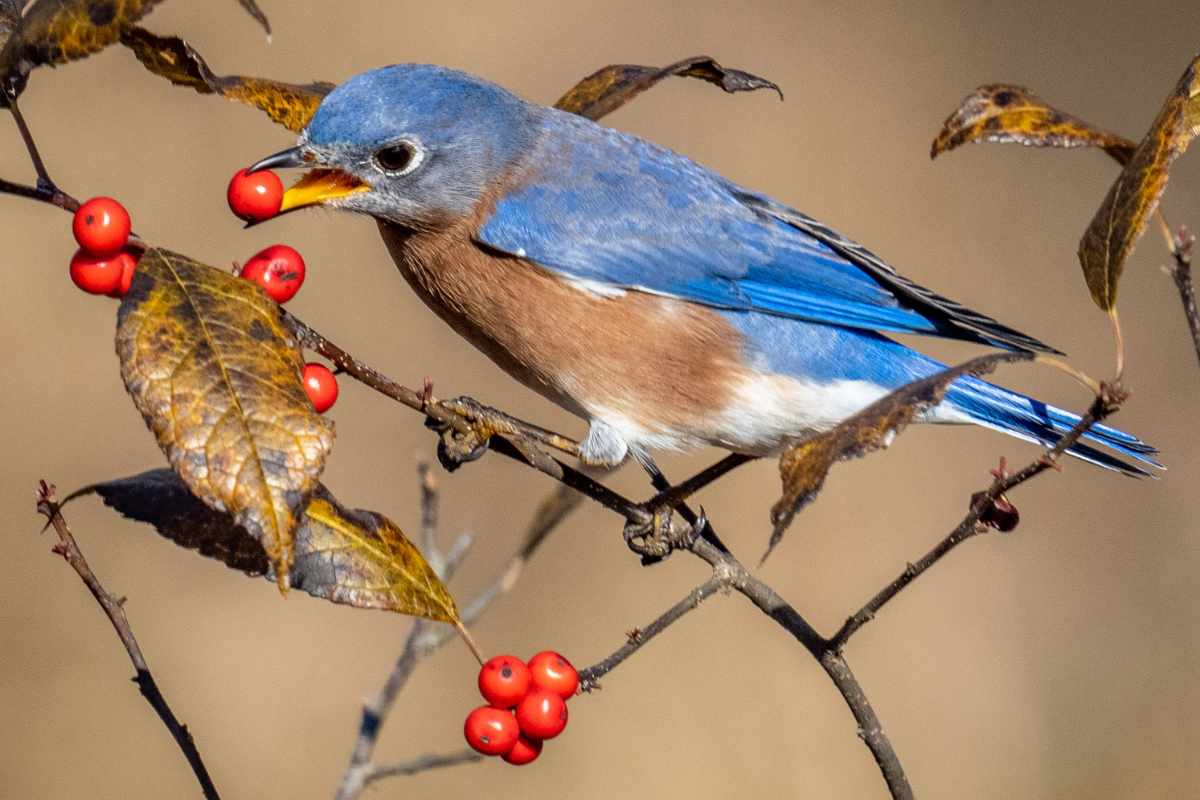
Fruits are a natural favorite for many wild birds, including robins, thrushes, and bluebirds.
Offer apple slices (without seeds), berries, grapes, or banana pieces for a burst of vitamins and energy.
Pro Tip: Mash soft fruits slightly to make them easier for smaller birds to eat. Always remove apple seeds—they contain small amounts of cyanide.
2. Cooked Rice and Pasta
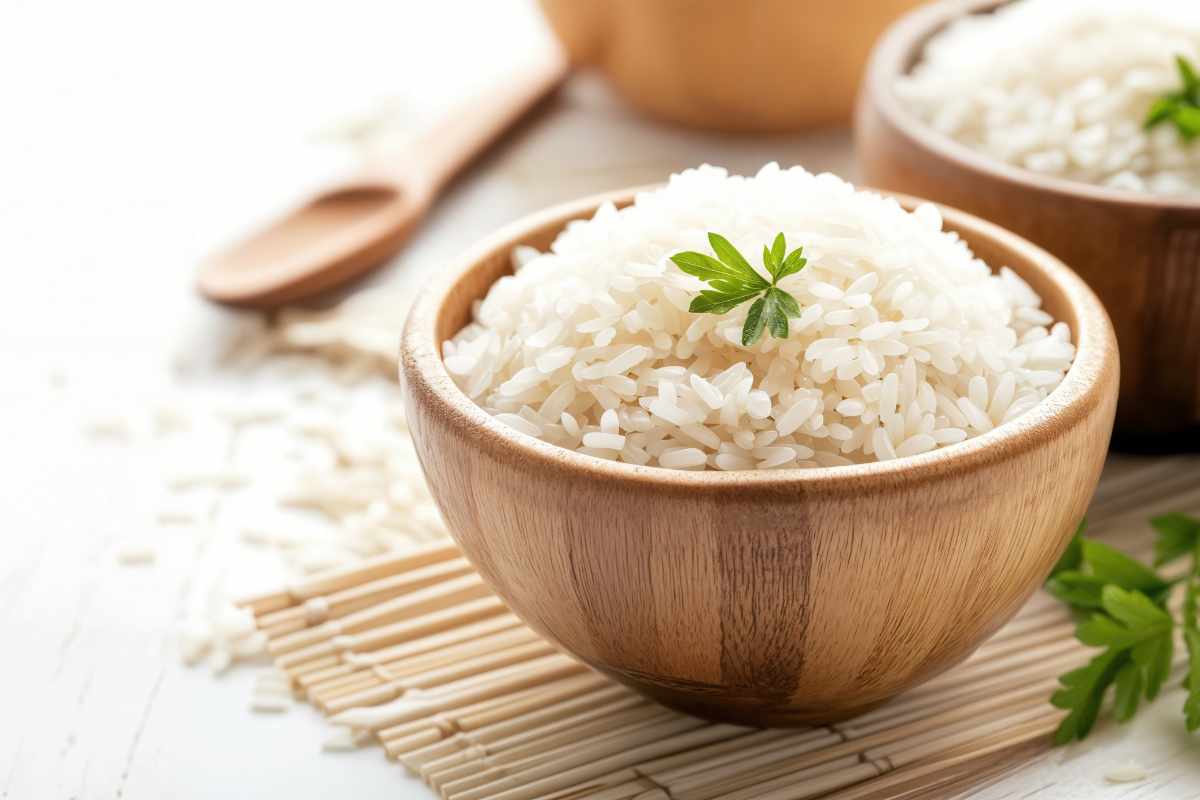
Plain cooked rice or pasta (without salt, oil, or sauce) is a great carbohydrate source that helps birds stay full and warm.
Both white and brown rice work well when cooled.
Pro Tip: Avoid sticky or overcooked pasta, which can clump together. Scatter it loosely for easy pecking.
3. Bread—But in Moderation
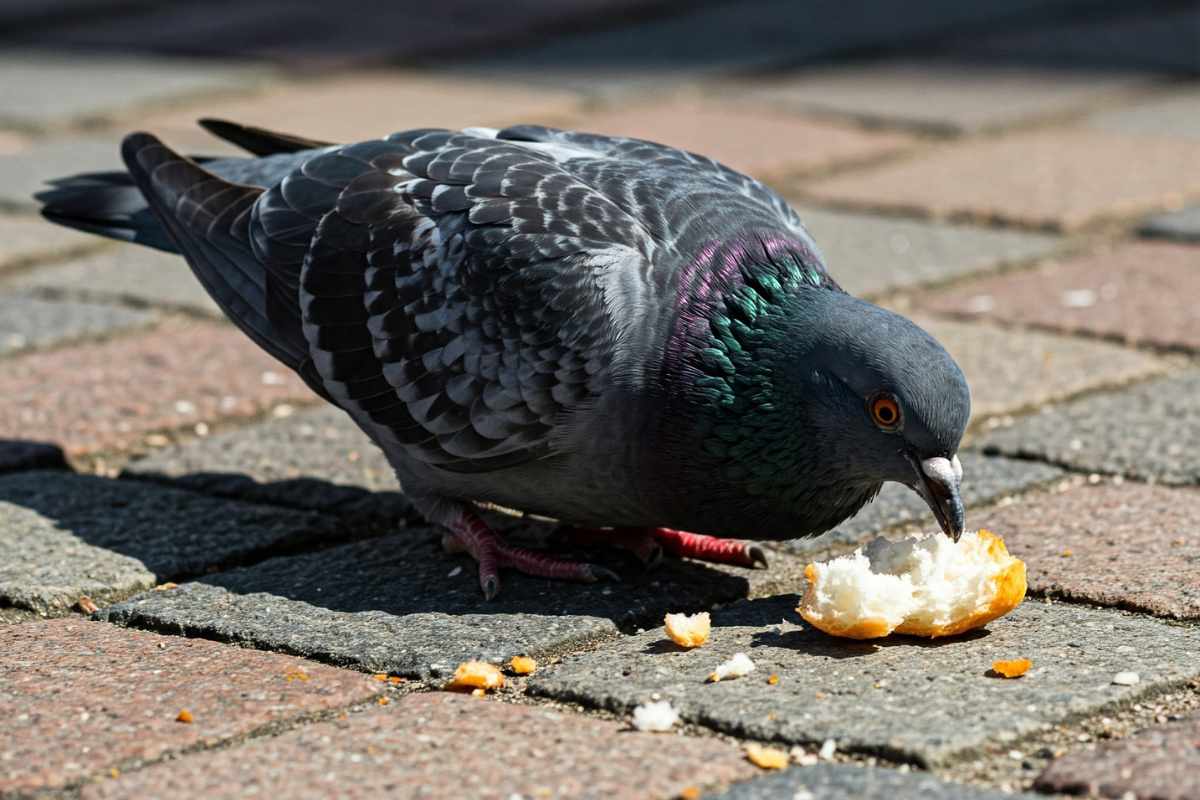
A small amount of stale, unsalted bread can attract pigeons, sparrows, and ducks.
However, bread lacks essential nutrients and should be treated as an occasional snack, not a staple.
Pro Tip: Mix bread crumbs with seeds or fruit to boost the nutritional value.
4. Cheese
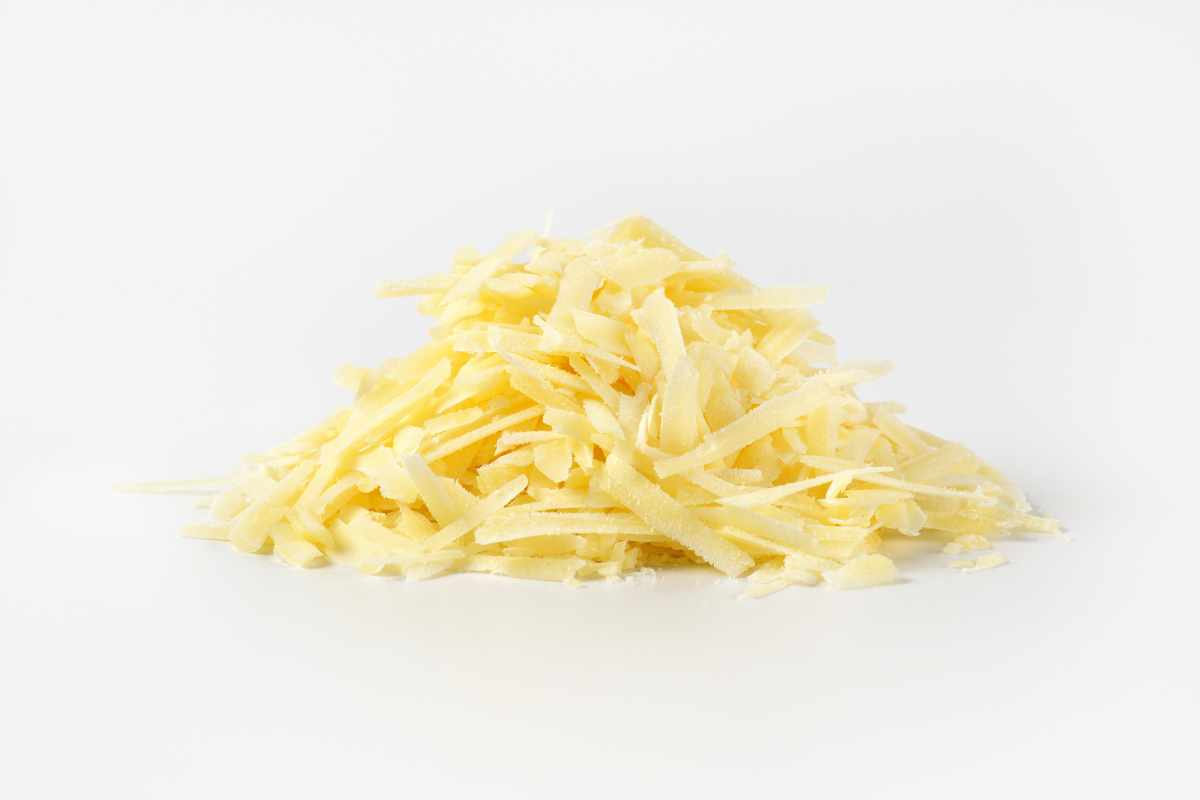
Surprisingly, many birds enjoy a little mild, grated cheese. Robins, wrens, and starlings are known to love it.
Avoid soft, moldy, or blue cheeses—they can stick to feathers or upset digestion.
Pro Tip: Choose plain cheddar or mild mozzarella and offer it sparingly.
5. Cooked Potatoes
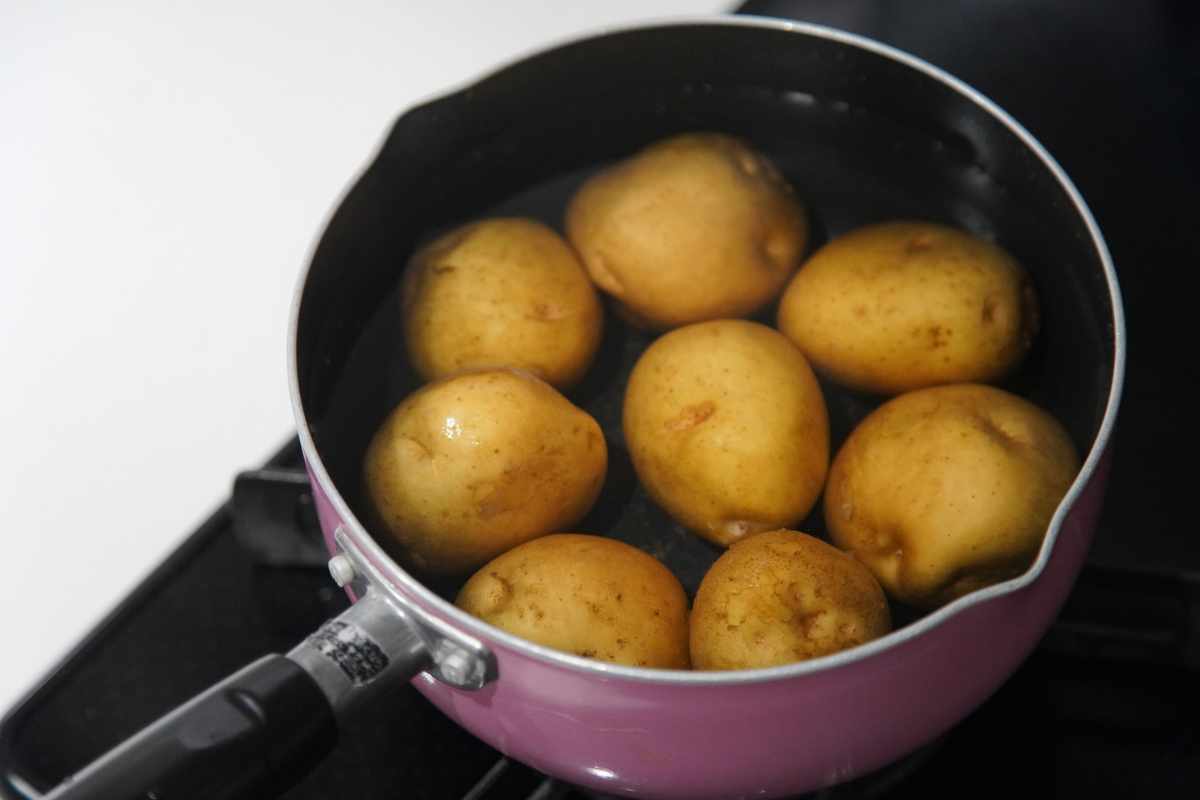
Leftover plain boiled or baked potatoes can be fed to birds, as long as they’re unsalted and free of butter or oil.
Mashed potatoes also work when cool.
Pro Tip: Avoid offering raw potatoes—they contain solanine, which is toxic to birds.
6. Peanut Butter
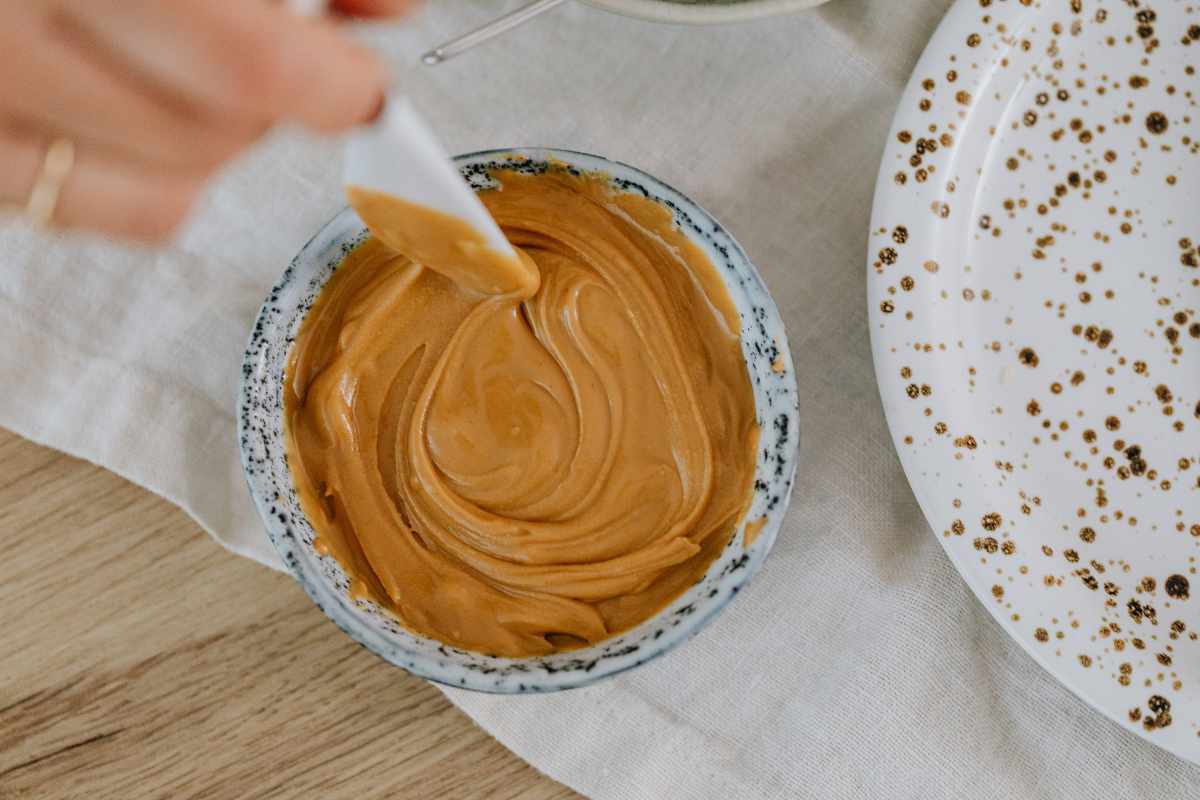
This high-protein, high-energy snack is excellent for cold-weather feeding.
Choose unsalted and sugar-free peanut butter, and spread it on tree bark or mix it with seeds and oats for a homemade bird treat.
Pro Tip: Add cornmeal to peanut butter to reduce stickiness and make it safer for small beaks.
7. Cooked Eggs and Crushed Shells
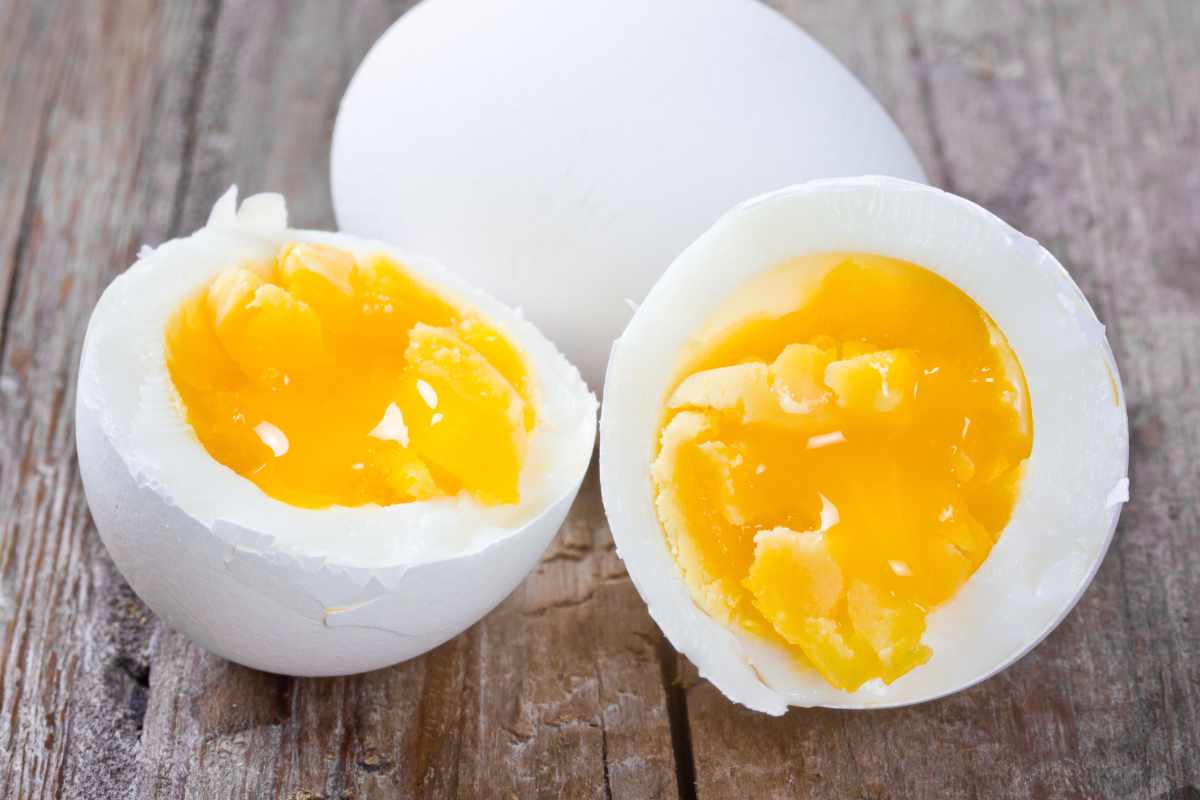
Birds need protein and calcium, especially during breeding season.
Chopped hard-boiled eggs and crushed, sterilized eggshells provide both. Rinse and bake the shells first to eliminate bacteria before crushing them.
Pro Tip: Sprinkle eggshells near feeders to help females strengthen their own eggs.
8. Vegetables
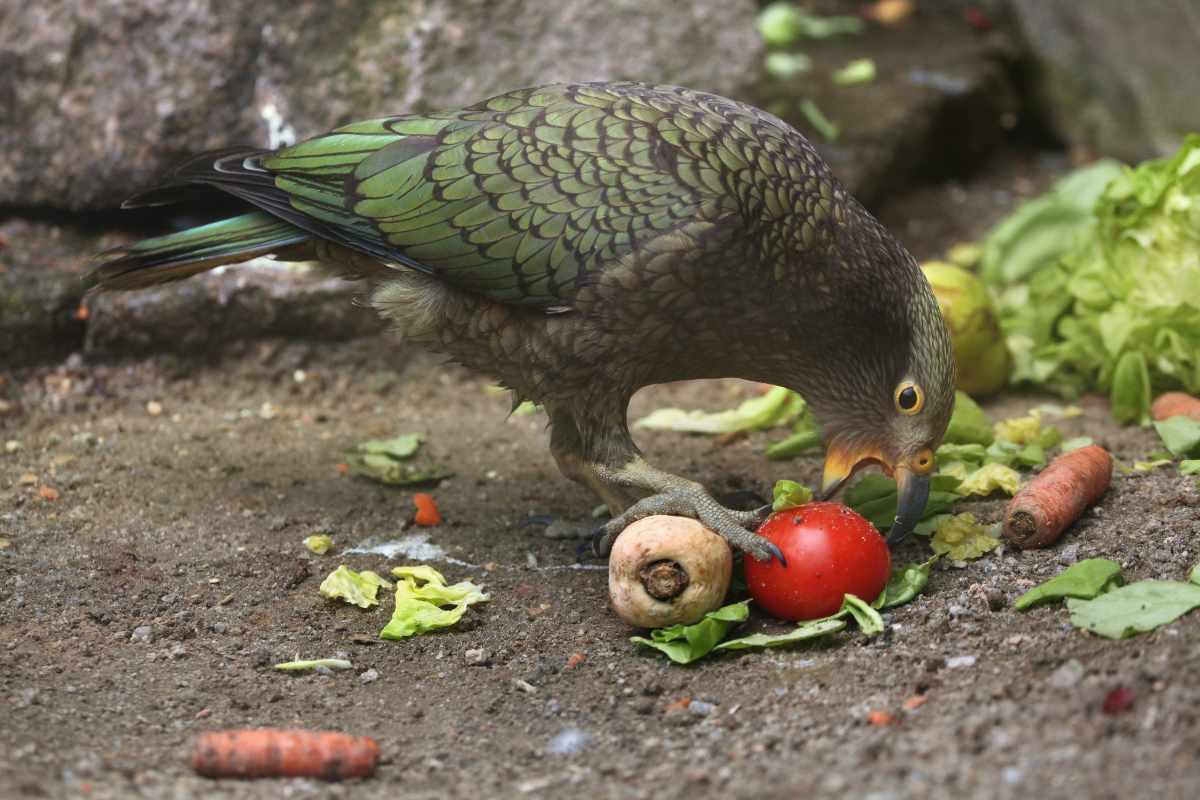
Scraps of cooked or raw veggies—such as peas, corn, carrots, or leafy greens—are excellent additions to a bird-friendly diet.
Avoid anything heavily seasoned, salty, or oily.
Pro Tip: Cut vegetables into small pieces and mix with grains or seeds for variety.
Foods You Should Avoid
Not everything from your kitchen is safe for birds. Avoid offering:
Avocado (contains persin, toxic to many species)
Chocolate or caffeine
Salty or processed foods
Moldy or spoiled food
Fatty meat scraps
Sugary snacks or candy
Keeping these off the feeder ensures your backyard birds stay healthy.
Why Feeding Wild Birds Matters
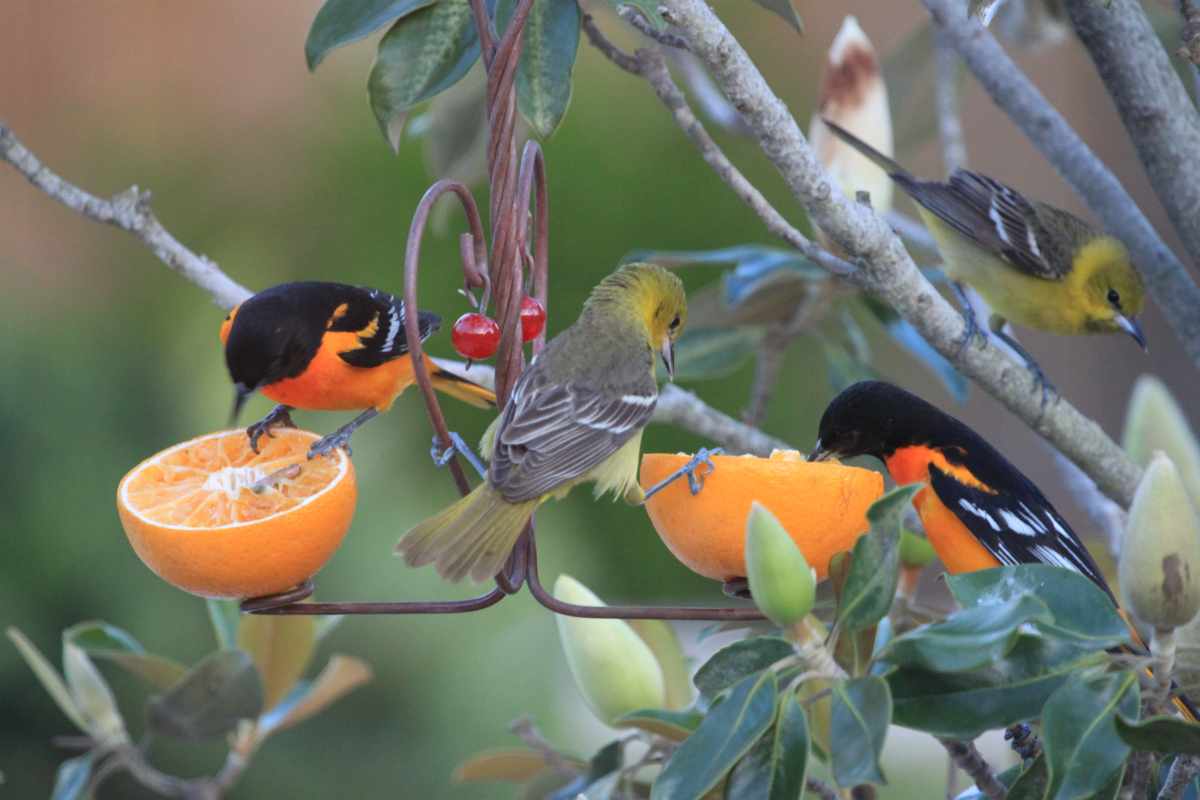
Feeding birds responsibly helps sustain local ecosystems and provides joy for anyone who loves nature.
By offering safe food scraps, you reduce waste and create a welcoming haven for wildlife right outside your window.
Whether it’s winter or summer, every small effort contributes to keeping these beautiful creatures thriving.
So next time you’re about to throw away a fruit peel or leftover rice, think twice—you might just make a bird’s day!
Enjoy This Video Tutorial

Source: Garden Buildings Direct
Did you find this post useful or Inspiring? Save THIS PIN to your GARDENING Board on Pinterest! 😊

More Gardening Tips 👇🏼👇🏼