
How to Grow Aeonium Succulents

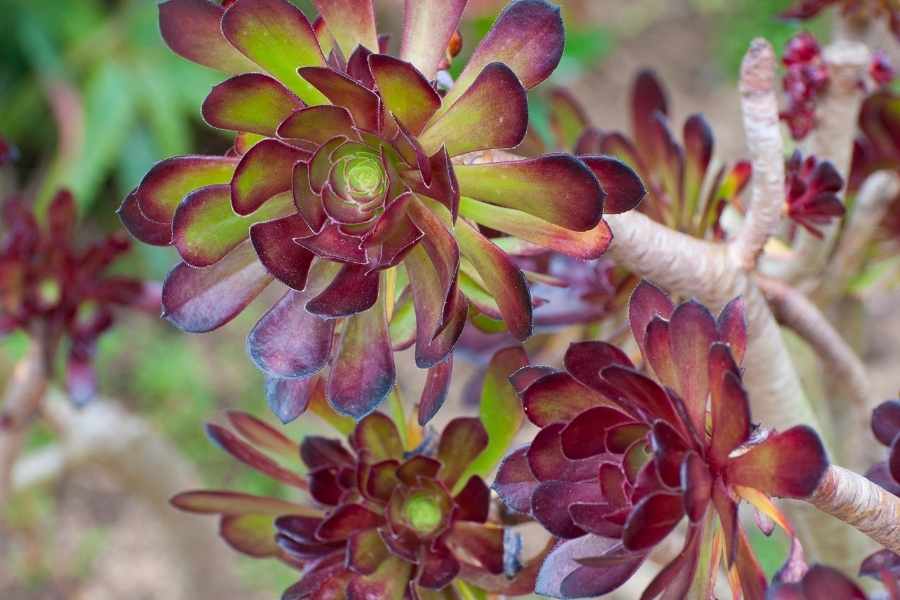
Aeonium is a genus that includes about 35 species of succulent plants with extraordinarily shiny waxy leaves arranged in rosettes.
Species range from low-growing A. tabuliforme and A. smithii, only a few centimeters wide, to large species several meters wide, such as A. arboreum, A. valverdense, and A. holochrysum.
The leaves and plant structure are so perfect that these species are sometimes mistaken for artificial plants.
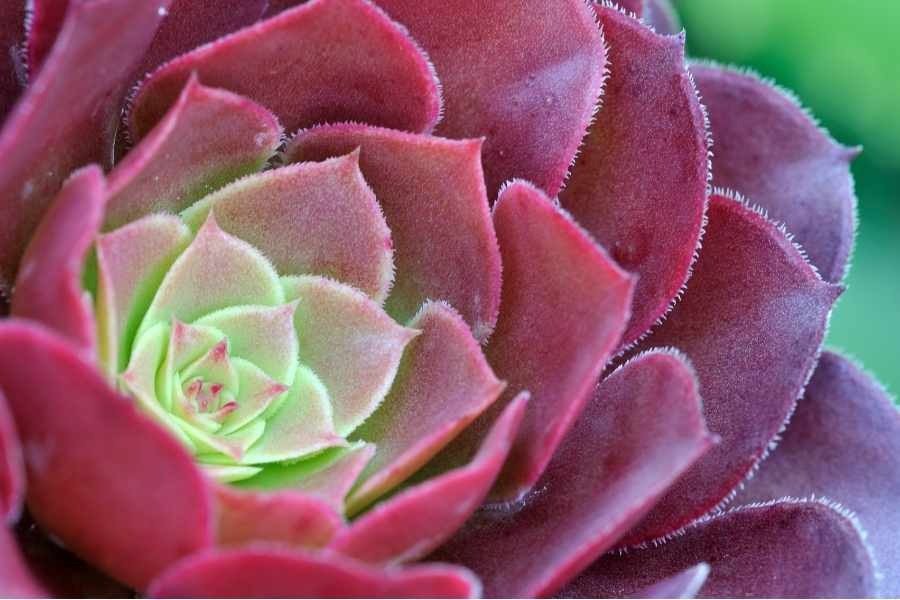
The leaves of Aeoniums are normally rounded and arranged in rosettes around the central cubes at the end of the stems.
The foliage can be solid or variegated in white, yellow, red, and green. The small, star-shaped flowers grow in clusters in the center of the rosettes but are not particularly showy.
The fleshy leaves make these plants very similar to many other succulents, notably Echeveria and Sempervivum, the popular chickens and chicks.
Aeoniums can be planted in the garden at any time. These are slow-growing plants and can take up to five years to flower.
Aeonium care
In warmer climates, Aeoniums can be grown in the ground as perennials, but it is also common to grow them as potted plants on terraces or patios.
In colder regions, they should be grown in containers and brought indoors before frost.
When grown in the garden, Aeoniums attract the most attention when grouped in masses. Tall varieties can look like bonsai when they become bushy; you can trim them if they get too long.
The seedlings will quickly root and form new plants, helping you fill your planting area.
If you have the right growing conditions, Aeoniums require very little care. Otherwise, your main task will be to move them from the hot sun to the shade and vice versa, water them and move them indoors when the temperature drops too low.
Aeoniums have shallow root systems as they store water in their leaves and stems. Unlike other succulents, which prefer dry soil, Aeoniums prefers moist soil but not moist soil.
They can produce roots along their stems, which you may notice if the plant is tied to a pot or if the stems drop and touch the ground.
Make sure these roots do not dry out. The roots of the stem will quickly transform the fallen pieces into new plants.
Branches with long legs tend to sag and sag under the weight of the rosettes. If that happens, you can replant the broken stem.
Be on the lookout for pests on Aeoniums. Aphids, mealybugs, mites, or scales may appear on Aeonium. Treat the plant with a mild insecticidal soap or water spray to eliminate these pests.
Light
As with most succulents, Aeonium plants grow best in full sun with some shade. In hot summers and desert conditions, light shade may be needed. Indoors, provide bright indirect light.
Soil
Sandy clay or regular potting mix with perlite is better than a specific mix for succulents and cacti, as Aeoniums need some moisture. If grown in garden beds with dense soil, it may be necessary to correct with peat to improve soil porosity.
Water
In winter, water whenever the topsoil dries up. Try digging your finger into the ground a few inches. These plants like moisture better than many other succulents, but too much moisture or letting them sit in moist soil will cause the roots to rot.
Temperature and humidity
These plants prefer a Mediterranean climate, not too hot, not too cold, not too dry. Most Aeonium varieties are only hardy in USDA zones 9 through 11.
Growing Aeoniums in moist shade will keep them growing at high temperatures, but their true growth season is from winter to spring, when temperatures are cool (65 to 75 degrees Fahrenheit) and humid.
They can lie dormant in summer and do not require excessive watering except in excessively dry conditions. In extremely hot conditions, the blades will curl to prevent excessive water loss.
Fertilizer
Feed him during the growing season with a balanced, medium-strength fertilizer every month or so. Do not feed him while he sleeps.
We hope you enjoy watching this video about Aeonium succulent propagation from cuttings:
Source: AzFlora ENG
Did you find this post Useful or Inspiring? Save THIS PIN to your GARDENING Board on Pinterest! 
Once again, thank you for visiting our website!
We hope you've enjoyed exploring the content we've created for you.
Give yourself the chance to learn, get inspired, and have even more fun, keep browsing...
More Gardening Tips 👇🏼👇🏼