
Everything About How To Grow Agave In Your Garden

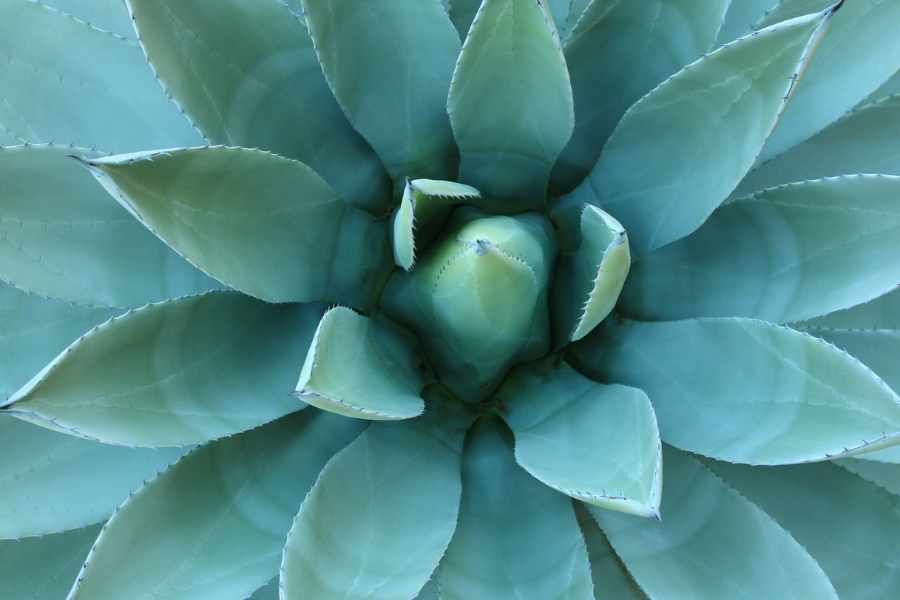
Agave plants (Agave spp.) Are usually succulents with large leaves that end in prickly tips. There is a lot of variety in the agave genus.
There are large, stiff specimens that can grow up to 3 meters or more in height and width. Then there are the agaves the size of a small plate, as well as some species of agave with soft, spineless leaves.
Agave foliage tends to be blue-green in hardier varieties and gray-green in warm-weather varieties. There are also some that are tinted with gold or white markings.
It's generally best to plant this slow-growing succulent in spring or early fall. When the agave matures after several years or even several decades, a tall flower stalk usually grows out of the center of the plant.
The flowers are bell-shaped and long-lasting in shades of white, yellow, and green.
For most agave species, once the flowers produce berry seed pods, the plant dies. Agave sap is toxic to both people and pets.

Agave plant care
Agaves are grown for their spectacular foliage, not for their flowers. One large agave is all you need to create a sculptural focal point in your garden.
Just make sure there is enough room to move around so no one accidentally bumps on the spines. Agaves can also be a good edging grouping and provide a textural contrast to other plants.
Combining them with ornamental grasses can soften their hard edges.
Agaves thrive on neglect. The key is to make sure they have well-drained soil and plenty of sunlight. When grown in an environment they like, they need very little extra care on your part.
- Light:
Agave plants prefer a location with full sun, which means at least six hours of direct sunlight on most days. But they can tolerate some shade.
The warmer the climate, the more shade they can take.
- Soil:
Agave plants tolerate any well-draining soil, but their preference is rocky or sandy soil. Poor soil drainage can lead to root rot, which can kill a plant. Also, they like a slightly acidic to neutral soil pH.
- Water:
Mature agave plants are very drought tolerant. Generally, you only need to water them if you've had a long period without rain and the soil is completely dry.
However, when you first establish a plant, water it every four to five days for the first month. Then water once a week and gradually schedule watering every other week depending on the rainfall.
- Temperature and humidity:
Most agave plants are frost-free and can only grow as far north as USDA growing zones 8 or 9 with low humidity. High humidity can lead to the rotting of the plant's crown.
- Fertilizer:
Feeding is generally not necessary for agave plants. In fact, feeding encourages flowering, which should not happen soon because most agave plants die after flowering.
How to grow agave from seed
Generally, it is easy to grow agaves from seed. Fill a shallow container with drainage holes with a starter seed mix. Then simply sprinkle the agave seeds on top.
Consider if your agave species needs light for its seeds to germinate. In that case, do not cover the seeds. Lightly moisten the culture medium and cover the container with plastic wrap.
Place the container in a location that stays above 70 degrees Fahrenheit and has bright indirect sunlight.
You should have seedlings in a few weeks, at which point you need to remove the plastic wrap.
Agave repotting and transplanting
As with many succulents, agaves have shallow roots. So you can grow them in a shallow container because they don't need a lot of soil.
An unglazed clay pot is ideal because it allows excess soil moisture to evaporate through the walls. Also, make sure the container has large drainage holes.
Use a well-draining potting mix made for succulents. Water the container about once a week in summer and monthly in winter. Wait for the soil to dry a few inches before watering.
Plan to replant your agave plant every two years as it matures. The best time to do it is in spring or summer. Use a slightly larger container and a new potting mix.
We hope you enjoy this video about how to care for an agave plant and help it grow huge:
Source:rmu2867
Did you find this post Useful or Inspiring? Save THIS PIN to your GARDENING Board on Pinterest! 

Once again, thank you for visiting our website!
We hope you've enjoyed exploring the content we've created for you.
Give yourself the chance to learn, get inspired, and have even more fun, keep browsing...
More Gardening Tips 👇🏼👇🏼